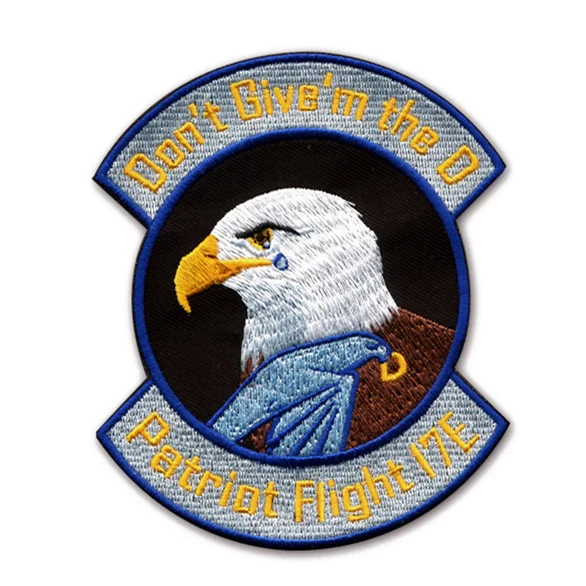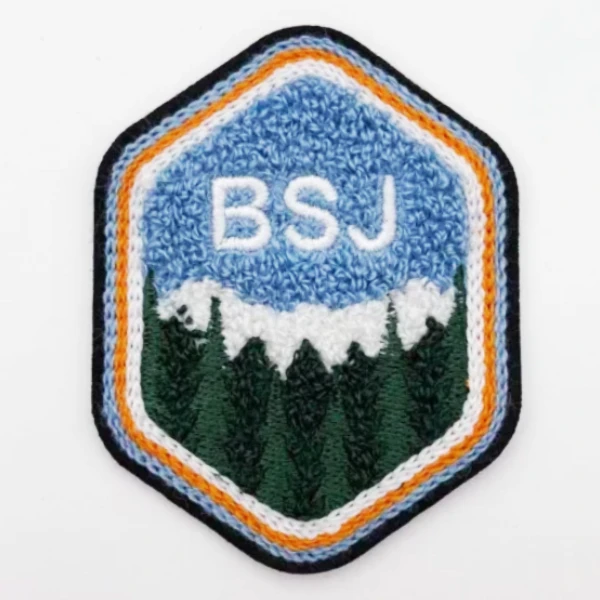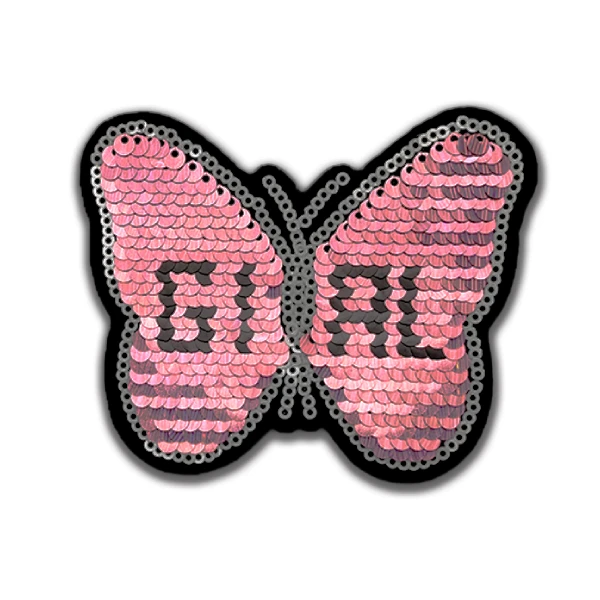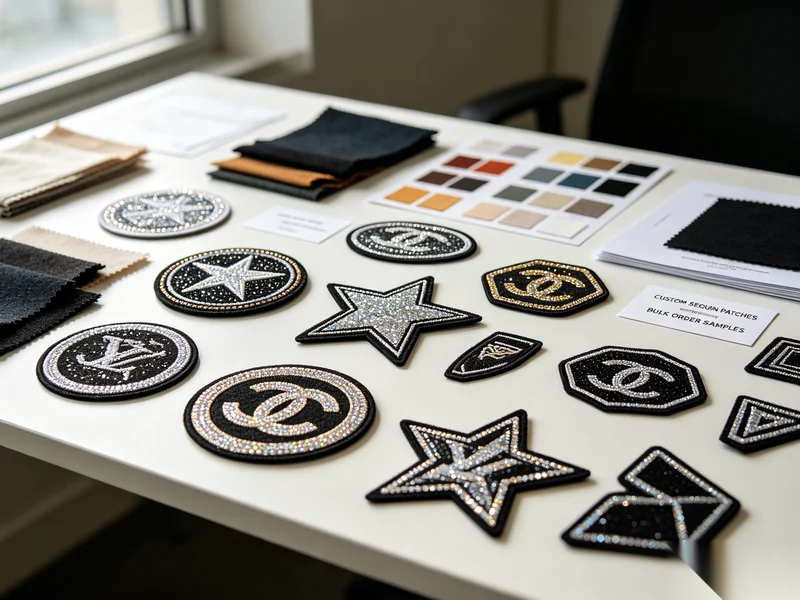
An embroidery letter patch is a fabric patch featuring stitched letters used for branding, identification, or decoration. Commonly seen on varsity jackets, uniforms, and fashion apparel, these patches offer durability, customization, and a classic textured look that enhances product value and brand visibility.
What Is an Embroidery Letter Patch?
An embroidery letter patch is a type of decorative patch that displays individual letters, initials, or words using embroidery techniques. These patches are widely used across industries for personalization and branding.
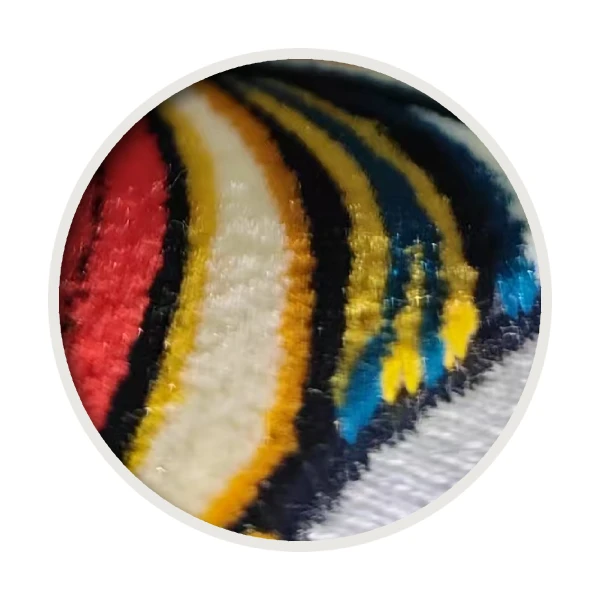
They are typically made by stitching thread onto a fabric base such as twill or felt, creating a raised and textured appearance. Compared to printed letters, embroidered patches provide a more durable and premium finish.
In B2B applications, custom letter patches are often used for uniforms, school apparel, corporate branding, and retail fashion collections.
How Are Embroidery Letter Patches Made?
The production of varsity letter patches follows a structured process to ensure consistency and quality.
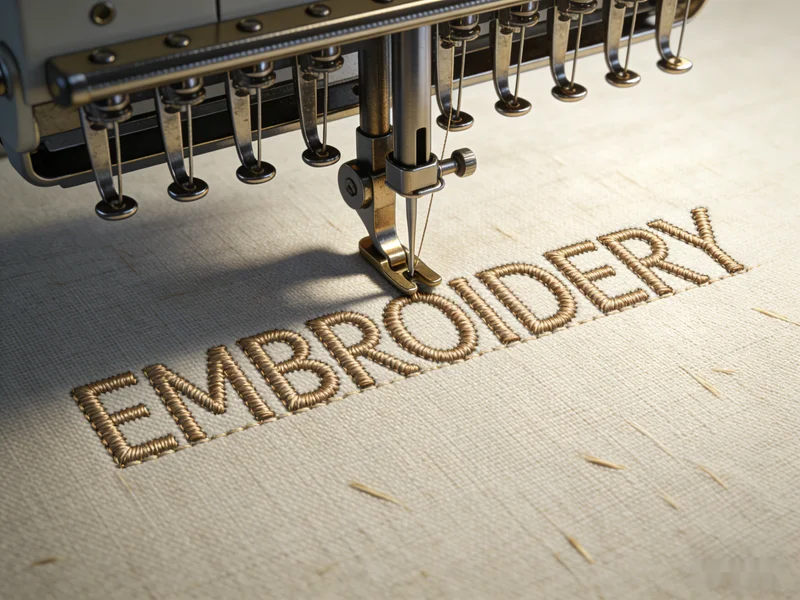
First, the design is digitized, converting each letter into a format that embroidery machines can interpret. This step determines stitch direction, density, and overall appearance.
Next, the base material is selected. Common options include felt for traditional styles or twill for a cleaner, modern look.
The embroidery process then stitches the letters onto the fabric using high-speed machines. For certain styles like chenille letter patches, looped yarn is used to create a soft, fuzzy texture.
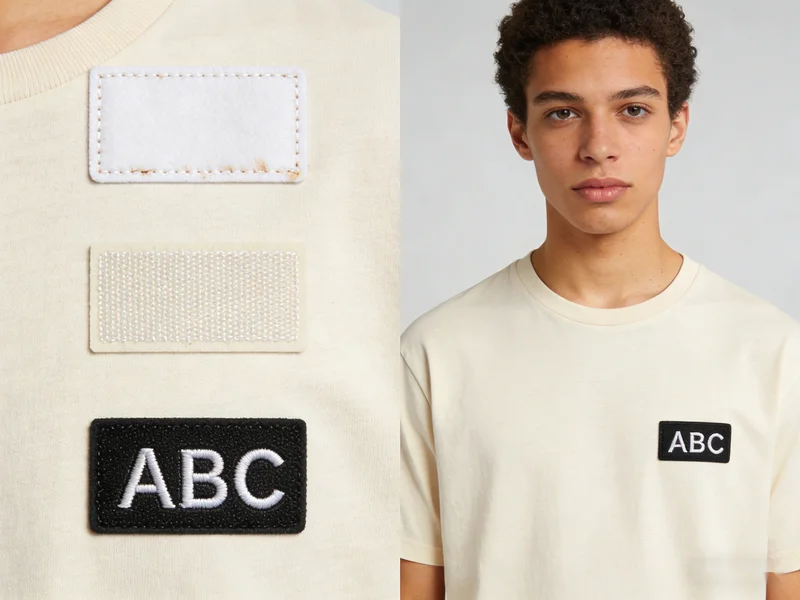
After embroidery, patches are cut into shape and finished with borders such as merrowed edges or laser-cut edges. Finally, backing options like iron-on, sew-on, or Velcro are added depending on the application.
Why Are Embroidery Letter Patches So Popular?
Embroidery letter patches remain a popular choice due to their versatility and classic appeal.
One key reason is their strong visual identity. Letters are simple yet highly effective for branding, making them suitable for both small logos and large designs.
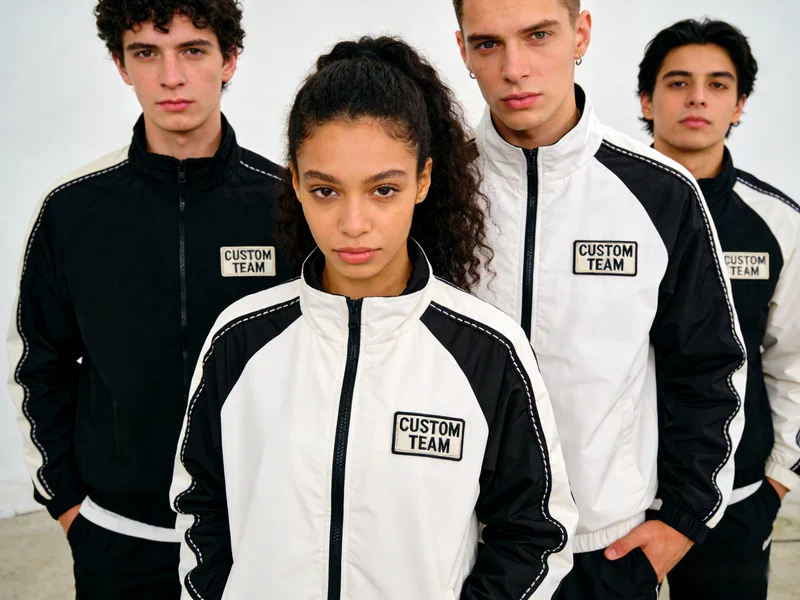
Durability is another advantage. These patches can withstand repeated washing and wear, making them ideal for uniforms and workwear.
They also offer high customization flexibility. Businesses can choose different fonts, colors, sizes, and materials to match their branding needs.
Additionally, styles like chenille letter patches provide a nostalgic, varsity-inspired look that is widely used in fashion and sportswear.
What Are the Different Types of Letter Patches?
There are several types of embroidery letter patch styles available, each suited to different applications.
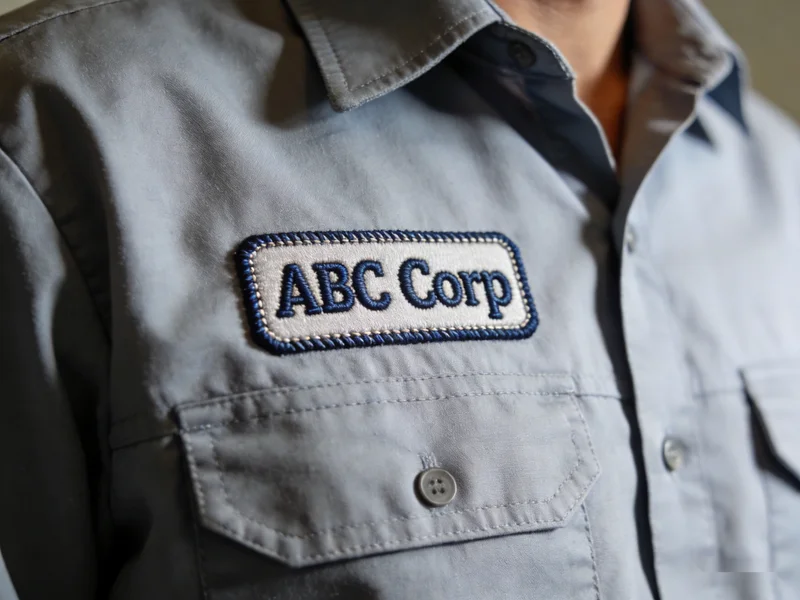
Standard embroidered letter patches feature clean stitching and are ideal for professional uniforms or corporate branding.
Chenille patches are thicker and softer, commonly used in varsity jackets and sports apparel. They create a bold and textured look.
Felt-based patches offer a traditional appearance, often associated with academic or team use.
Minimalist patches with laser-cut edges provide a modern aesthetic, suitable for contemporary fashion brands.
Each type can be tailored to meet specific branding and functional requirements.
When Should Businesses Use Letter Patches?
Letter patches are highly versatile and can be used in many B2B scenarios.
They are commonly applied to school and university apparel, where initials and letters represent identity and achievement.
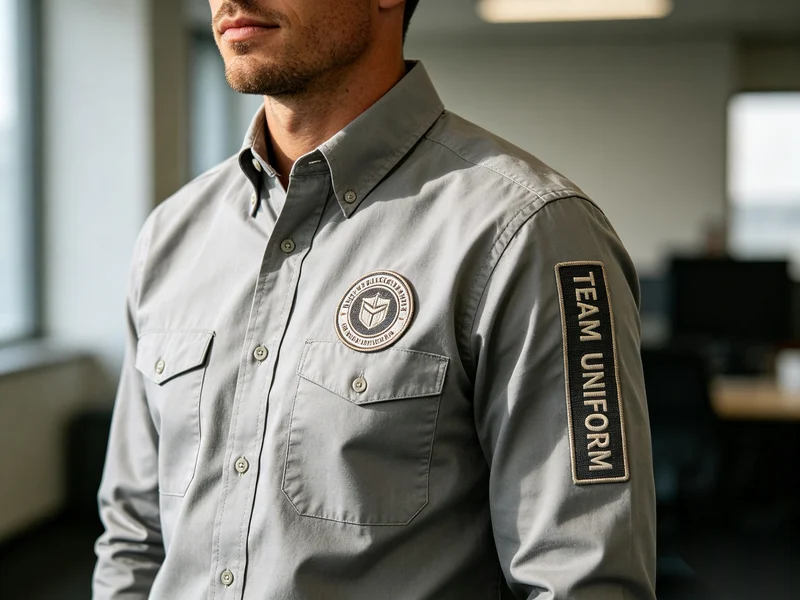
In corporate settings, they are used for uniforms to display employee initials or department codes.
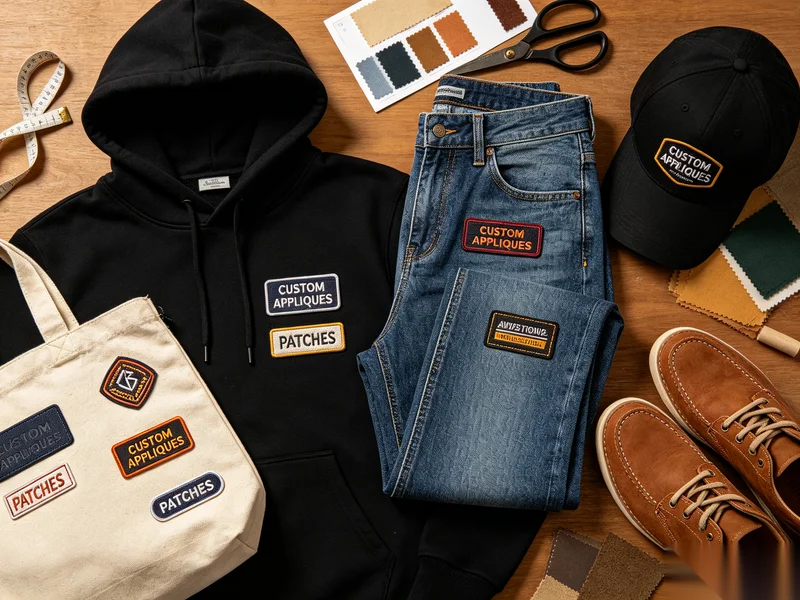
Retail fashion brands use varsity letter patches to create trendy and nostalgic designs that appeal to younger audiences.
They are also widely used in sports teams, clubs, and promotional merchandise, where personalization is important.
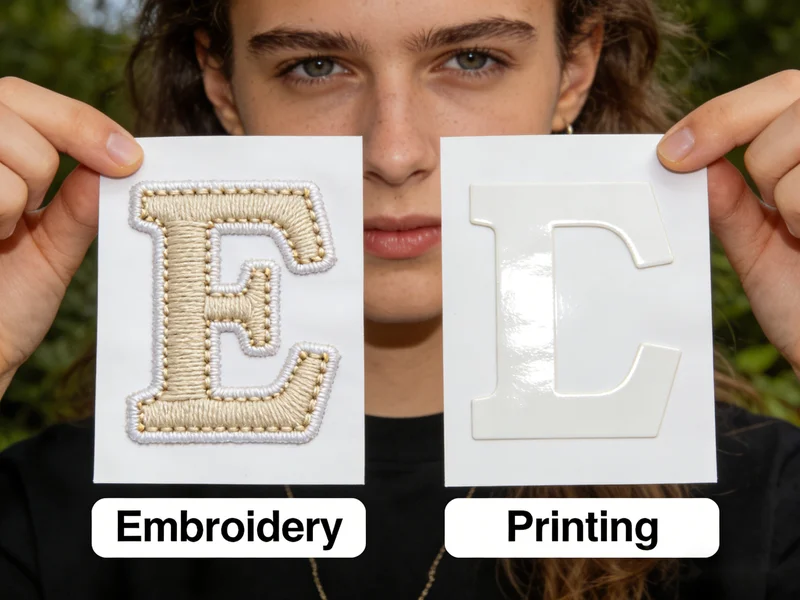
Embroidery Letter Patches vs Printed Letters
When comparing patch types, embroidered letter patches offer several advantages over printed alternatives.
Embroidery provides a textured and durable finish, while printed letters are smoother but may fade over time. Embroidered patches also offer a more premium feel, which enhances perceived product value.
Printed options may be better for highly complex or multi-color designs, but for most lettering applications, embroidery remains the preferred choice.
How to Design Effective Letter Patches?
Design plays a crucial role in the success of custom letter patches.
Choosing the right font is essential. Bold and simple fonts are easier to read and translate well into embroidery. Extremely thin or complex fonts may lose clarity during production.
Color contrast is also important. High contrast between the letter and background improves visibility and impact.
Size should be carefully considered based on the application. Larger patches work well for jackets, while smaller ones are suitable for caps or uniforms.
Material selection, such as felt or twill, also affects the final look and feel of the patch.
What Should B2B Buyers Consider Before Ordering?
Before placing an order for custom letter patches, businesses should evaluate several factors.
Order quantity affects pricing, with bulk orders typically offering better cost efficiency. Lead time should also be planned, especially for seasonal or promotional needs.
Backing options should match the intended use. Sew-on backing offers maximum durability, while iron-on provides convenience.
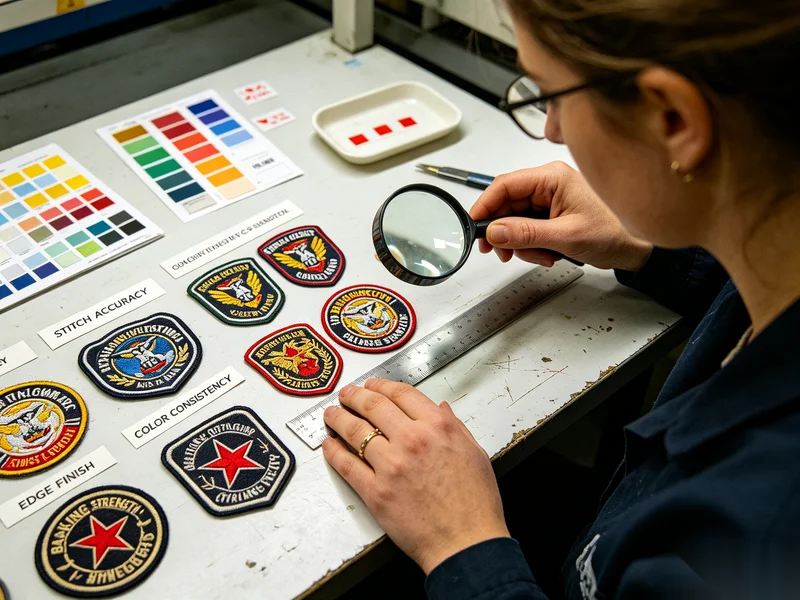
Quality control is essential to ensure consistency across all patches, particularly for large-scale production.
Working with an experienced manufacturer helps ensure that design, materials, and production processes are aligned with business goals.
FAQ
What are embroidery letter patches used for?
They are used for branding, identification, and decoration on apparel such as uniforms, jackets, and caps.
What is the difference between chenille and embroidered letter patches?
Chenille patches have a soft, fuzzy texture, while embroidered patches have a flatter stitched surface.
Can letter patches be customized in any font?
Most fonts can be used, but simpler and bolder fonts work best for embroidery clarity.
Are embroidery letter patches durable?
Yes, they are designed to withstand frequent washing and long-term use.
What backing options are available?
Common options include sew-on, iron-on, and Velcro backing.
What is the typical production time?
Production usually takes 1–3 weeks depending on design complexity and order size.
Embroidery letter patches continue to be a versatile and effective solution for businesses seeking durable and customizable branding elements. Their combination of classic style, flexibility, and long-lasting performance makes them an ideal choice for a wide range of B2B applications.
About Author
——————————————————————————————————————————————

Alexander
Online Sales Manager
Alexander specialize in digital marketing and understanding customer psychology, providing clients with the right solutions through data insights and creative strategies.
——————————————————————————————————————————————