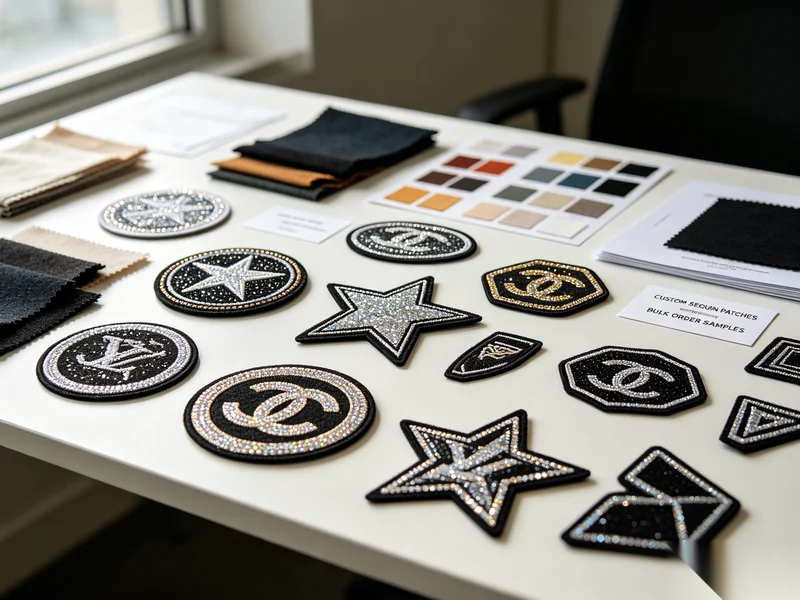
Embroidery designs are visual concepts translated into stitched artwork for apparel, patches, and uniforms. Effective embroidery designs focus on clear themes, recognizable shapes, and balanced layouts, helping brands, teams, and organizations communicate identity, creativity, and consistency across garments.
What Makes a Good Embroidery Design?
A good embroidery design is not defined by how complex it is, but by how clearly it communicates its purpose.
For B2B users such as apparel brands, uniform designers, and organizations, strong embroidery designs usually:
- convey identity at a glance
- work across different garment types
- remain visually consistent over time
- support repeat or bulk programs
Clarity always outweighs decoration.
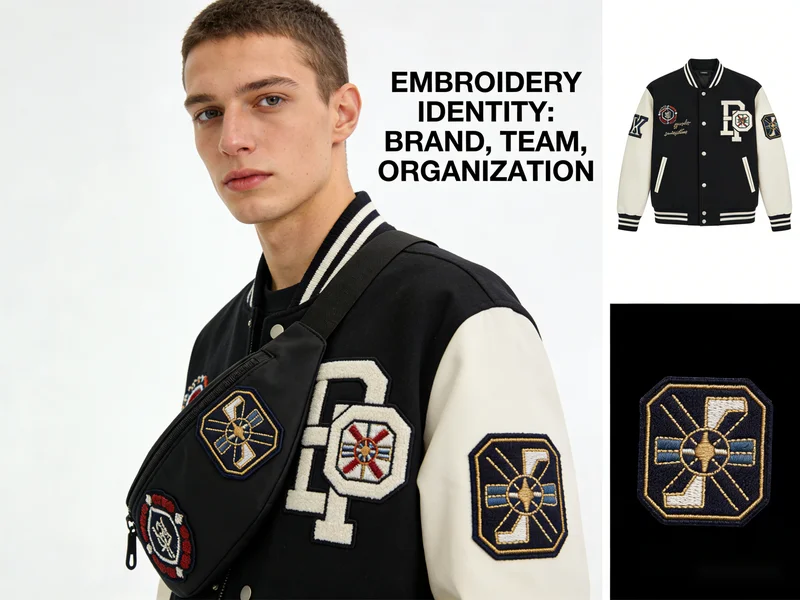
Why Embroidery Designs Matter in Apparel & Patch Projects
Embroidery designs often become the most recognizable element on a garment.
They help:
- reinforce brand or team identity
- add perceived value to apparel
- create emotional connection
- differentiate products in competitive markets
Even a small embroidered element can define the overall look of a product.
How to Approach Embroidery Design Concept Development
Start With Purpose
Before sketching, define:
- Who is this for?
- What should it represent?
- Where will it be placed?
Clear answers lead to stronger designs.
Design for Recognition
The best embroidery designs use:
- bold silhouettes
- clean outlines
- simple focal points
If a design is recognizable from a distance, it’s usually successful.
Think in Systems, Not Singles
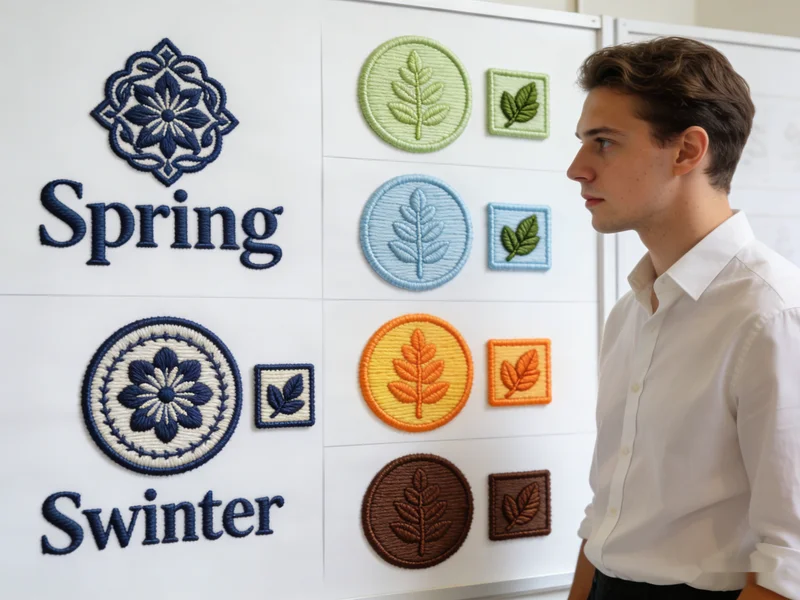
Many embroidery projects involve multiple designs working together.
Examples:
- logo + name design
- main badge + secondary icons
- seasonal variations within one theme
Popular Embroidery Design Styles for Inspiration
Minimalist Logo Embroidery
Clean, simple logos with limited elements.
Common in:
- workwear
- uniforms
- corporate apparel
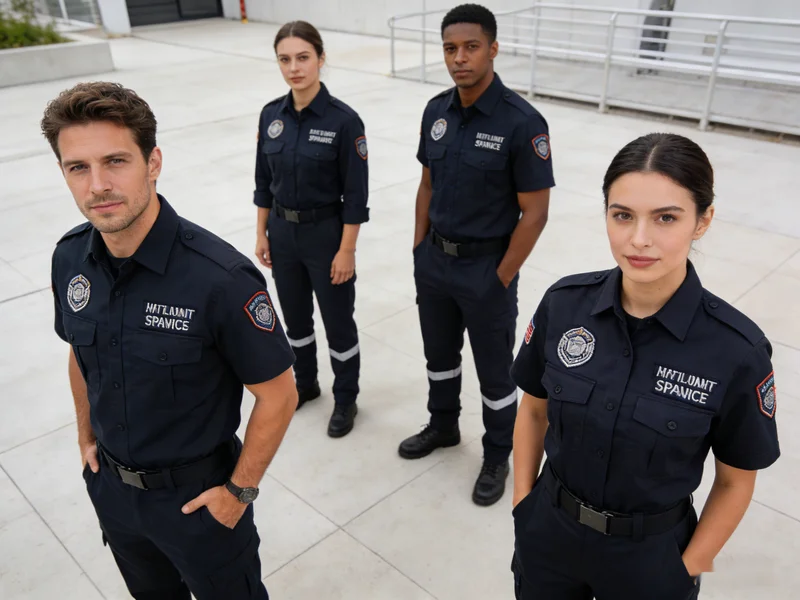
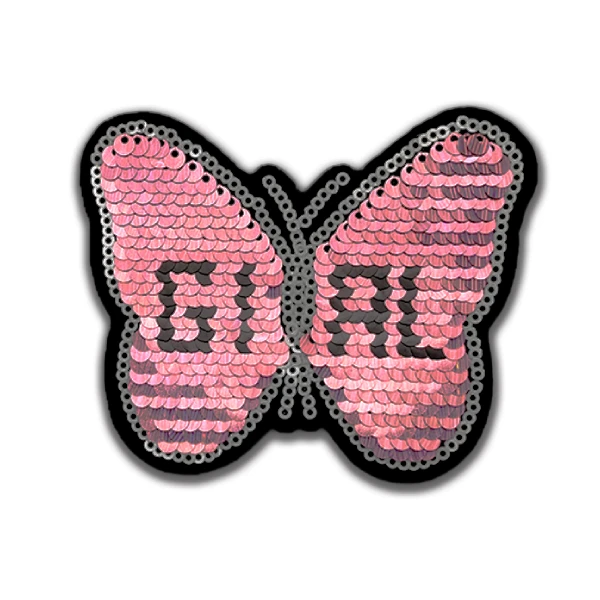
Text & Typography-Based Designs
Letters, initials, or short phrases.
Design tips:
- use strong fonts
- avoid long text
- maintain consistent spacing
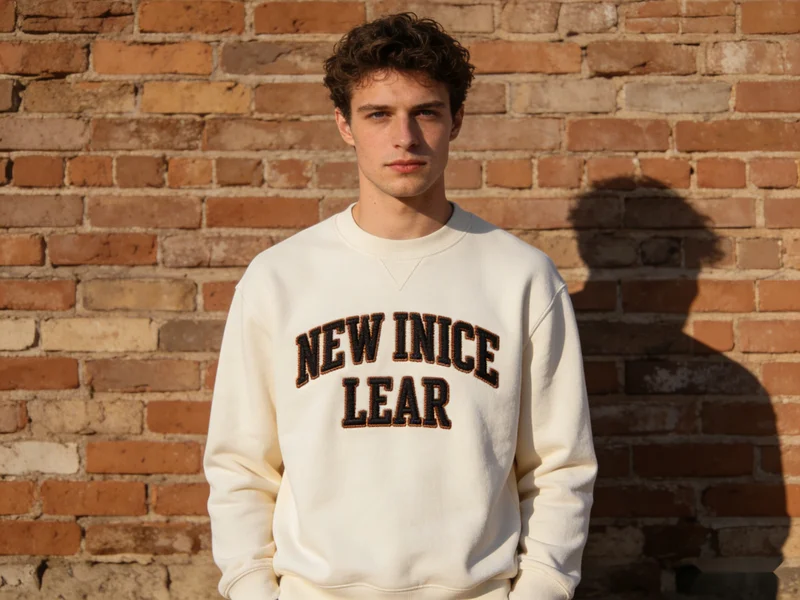
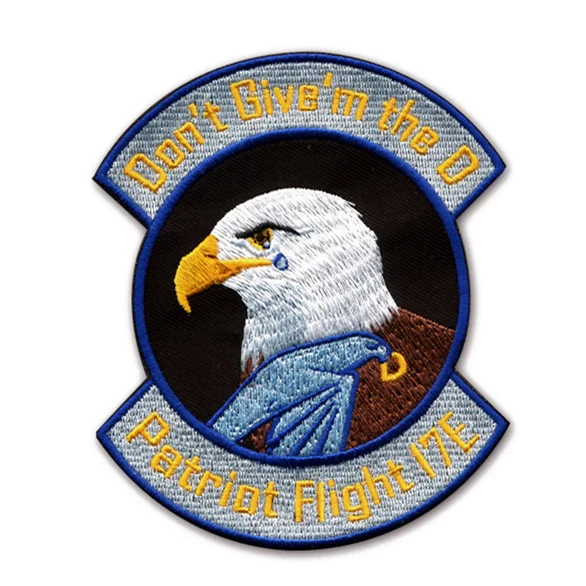
Mascot & Character Designs
Illustrated symbols that add personality.
Often used by:
- sports teams
- clubs
- youth organizations
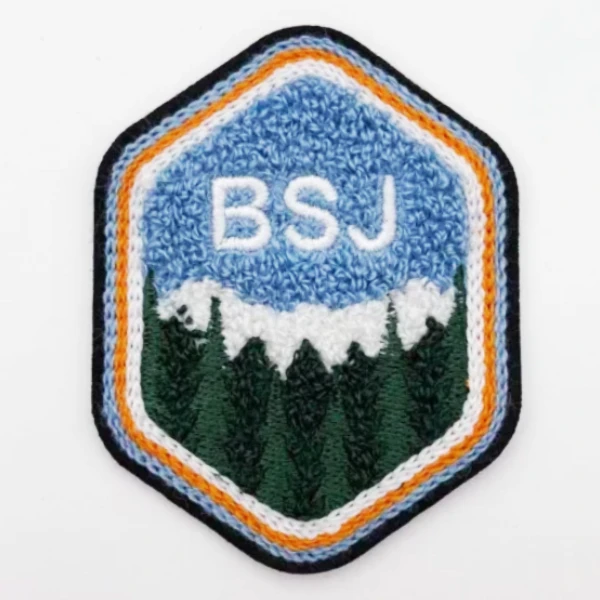
Badge & Emblem Designs
Structured shapes such as:
- shields
- crests
- circular badges
These designs feel official and timeless.
Retro & Heritage-Inspired Designs
Vintage aesthetics with classic layouts.
Popular for:
- varsity apparel
- heritage brands
- commemorative pieces
Embroidery Designs by Application Scenario
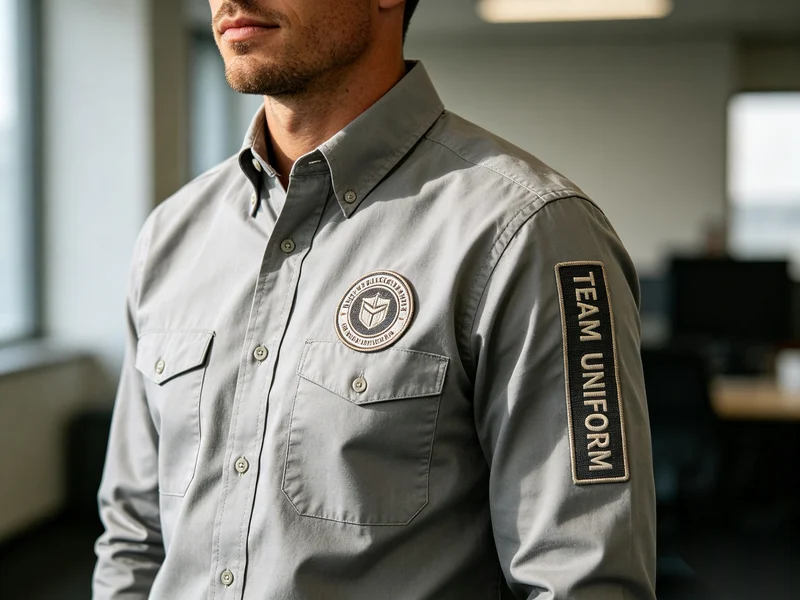
Uniform & Workwear Designs
Focus on clarity and professionalism.
Effective elements include:
- simplified logos
- role identifiers
- compact layouts
Team & Club Apparel Designs
Designed to build unity.
Common features:
- shared symbols
- consistent color schemes
- modular patch systems
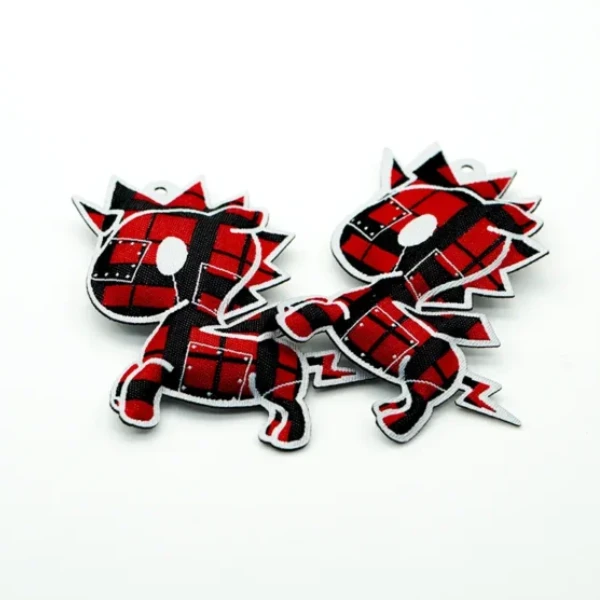
Fashion & Lifestyle Apparel Designs
Creative expression is key.
Designs may include:
- abstract graphics
- symbolic artwork
- playful or bold compositions
Event & Program Designs
Temporary but meaningful designs.
Examples:
- anniversary embroidery
- tournament graphics
- limited-edition artwork
Design Tips for Better Embroidery Results
Limit Small Details
Fine details may get lost when stitched.
Balance Density
Overcrowded designs reduce readability.
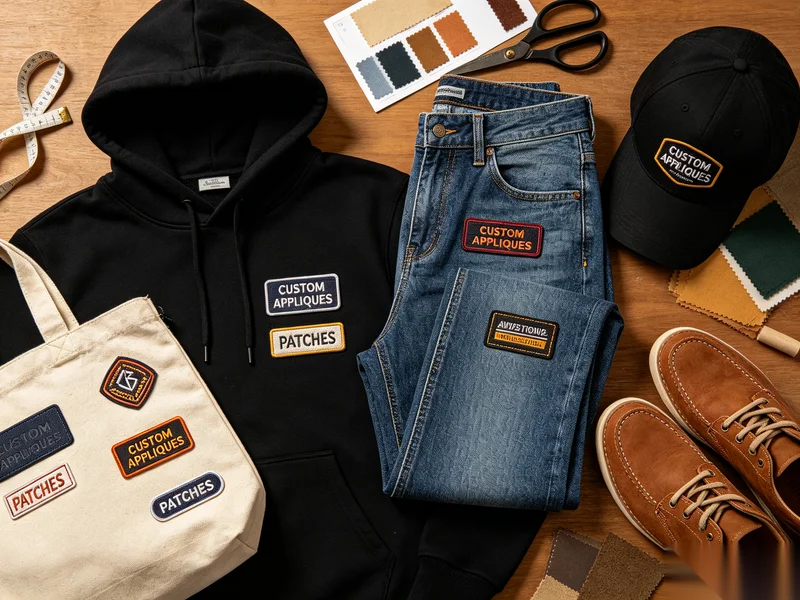
Design With Placement in Mind
Chest, sleeve, back, and hat placements all require different proportions.
Keep Contrast Strong
Clear contrast improves visibility on garments.
Common Mistakes in Embroidery Design Planning
- designing without a clear message
- using overly complex artwork
- ignoring garment color and texture
- copying trends without context
Thoughtful planning avoids these pitfalls.
How Brands Use Embroidery Designs to Build Identity
Many successful brands treat embroidery designs as part of a long-term identity system.
Examples:
- consistent logo placement across collections
- evolving designs with the same core shape
- collectible patch-style embroidery series
This approach builds recognition over time.
FAQ: Embroidery Designs
Q: Are simple embroidery designs better than complex ones?
In most cases, yes. Simplicity improves clarity and durability.
Q: Can one embroidery design work across multiple garments?
Yes, if proportions and placement are planned carefully.
Q: Should embroidery designs follow fashion trends?
Trends can inspire, but timeless designs perform better long-term.
Q: How early should embroidery be considered in apparel design?
Ideally at the concept stage, not after garments are finalized.
Current Trends in Embroidery Designs
- simplified symbols
- bold typography
- nostalgic and heritage themes
- modular design systems
These trends emphasize identity over ornamentation.
Conclusion
Strong embroidery designs combine creativity with clarity. Whether used for patches, uniforms, or fashion apparel, the most effective designs communicate purpose, reinforce identity, and remain adaptable across different applications.
By focusing on clear concepts, recognizable forms, and thoughtful placement, embroidery designs can elevate garments from functional pieces into meaningful representations of brand, team, or culture.
About Author
——————————————————————————————————————————————

Alexander
Online Sales Manager
Alexander specialize in digital marketing and understanding customer psychology, providing clients with the right solutions through data insights and creative strategies.
——————————————————————————————————————————————