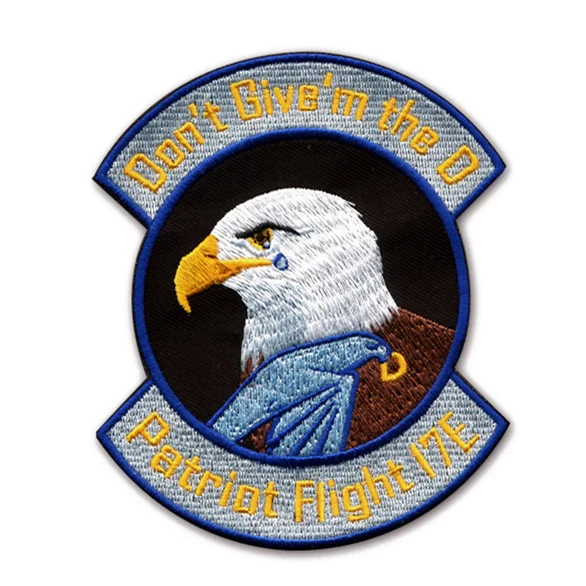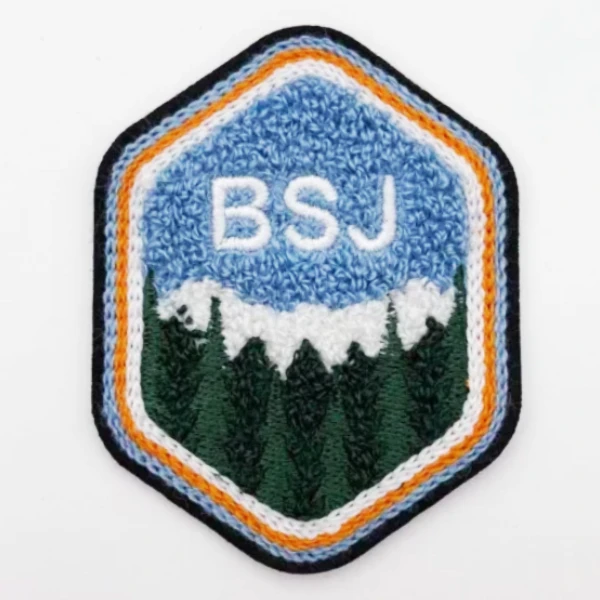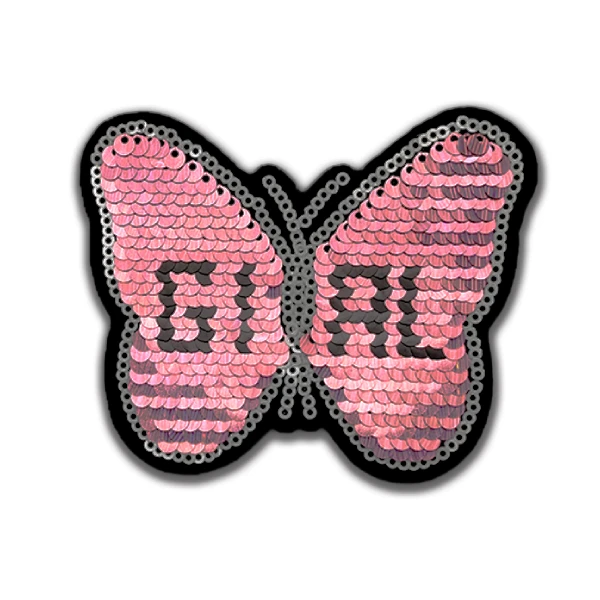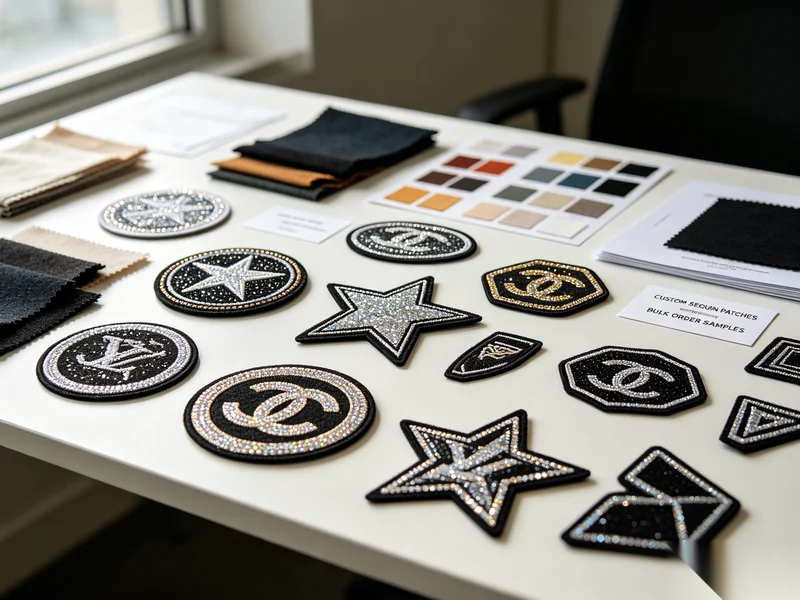
Embroidered patches are decorative stitched badges that require sewing for secure attachment, while iron-on patches include a heat-activated adhesive backing for easy application. Iron-on patches are more convenient, but embroidered sew-on patches offer stronger durability and better long-term performance after washing.
What Are Embroidered Patches?
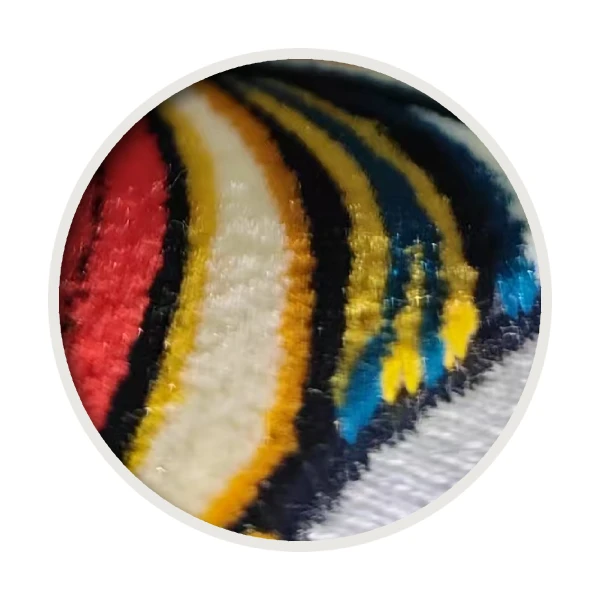
Embroidered patches are made by stitching thread onto a fabric base (such as twill or felt) to form logos, text, or designs.
Key Features:
- Raised stitched texture
- Classic, premium appearance
- High durability
- Customizable shapes and colors
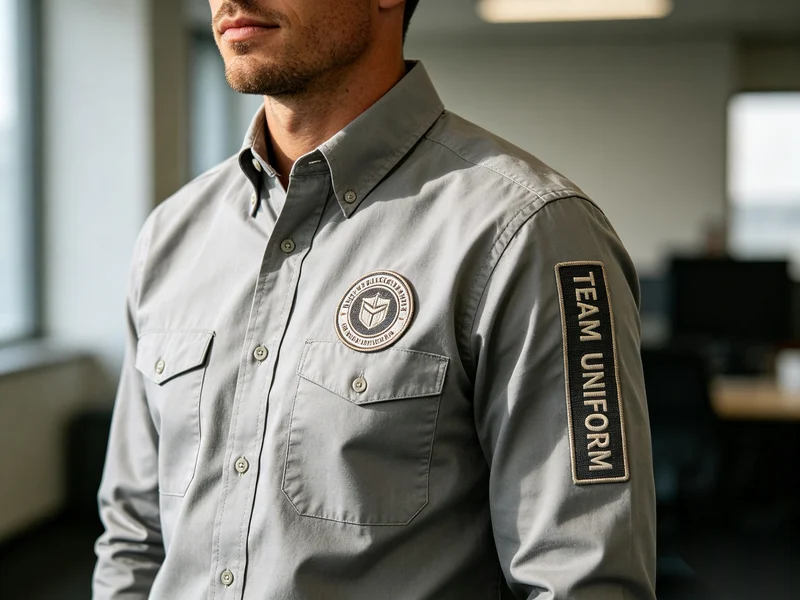
They are widely used for uniforms, sports teams, fashion apparel, workwear, and clubs.
👉 Most embroidered patches are designed to be sewn onto garments for maximum strength.

What Are Iron-On Patches?
Iron-on patches are embroidered patches with an additional heat-activated adhesive backing.
This allows the patch to be attached using heat instead of sewing.
Key Features:
- Easy application with an iron or heat press
- No sewing required
- Faster production and installation
- Suitable for retail and DIY use
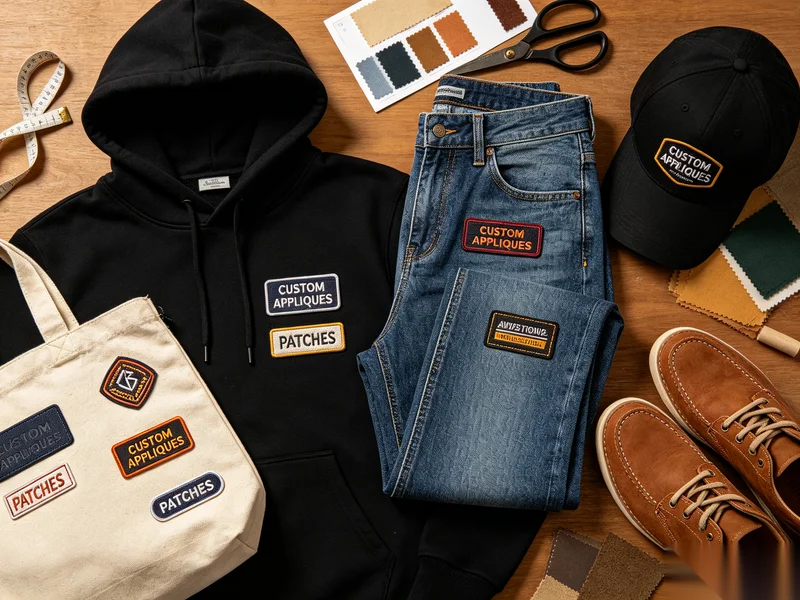
They are commonly used for fashion items, casual clothing, and small-batch customization.
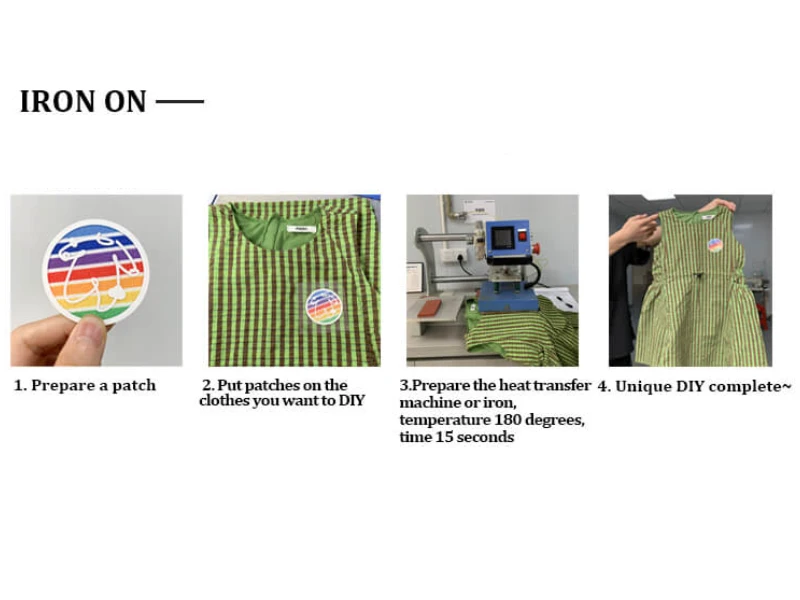
Embroidered Patches vs Iron-On Patches: Key Differences
1. Attachment Method
Embroidered (Sew-On) Patches
- Attached by stitching
- Permanent and highly secure
- Suitable for industrial use
Iron-On Patches
- Attached using heat
- Quick and convenient
- Best for light-duty applications
2. Durability
Embroidered Sew-On Patches
- Excellent long-term durability
- Withstands frequent washing
- No risk of adhesive failure
Iron-On Patches
- Moderate durability
- Adhesive may weaken over time
- Not ideal for high-temperature washing or heavy use
3. Application Process
Embroidered Sew-On:
- Requires sewing machine or manual stitching
- Slower installation
- More labor-intensive
Iron-On:
- Quick heat application (10–20 seconds)
- No sewing skills needed
- Ideal for mass retail or DIY use
4. Appearance
Both types look similar on the surface, but:
- Embroidered patches often feel more “structural” due to stitching reinforcement
- Iron-on patches may feel slightly stiffer because of adhesive layer
5. Use Cases
| Application | Embroidered Sew-On | Iron-On |
|---|---|---|
| Uniforms | Excellent | Limited |
| Sports teams | Excellent | Good |
| Fashion retail | Good | Excellent |
| Workwear | Excellent | Not recommended |
| DIY customization | Moderate | Excellent |
| Industrial washing | Excellent | Not recommended |
When Should You Choose Embroidered Sew-On Patches?
Choose embroidered patches (sew-on type) if you need:
✅ Maximum durability
✅ Industrial washing resistance
✅ Uniform or workwear applications
✅ Long-term use
✅ High-frequency wear garments
✅ Outdoor or heavy-duty products
👉 This is the preferred method for professional and commercial production
When Should You Choose Iron-On Patches?
Choose iron-on patches if you need:
✅ Fast application
✅ No sewing required
✅ Retail-ready products
✅ DIY customization
✅ Small batch production
✅ Fashion decoration
👉 Best for convenience and consumer-level use
Important Manufacturing Insight
In real production environments, many manufacturers—including BSJ—often combine both methods:
Dual Reinforcement (Best Practice)
- Iron-on backing for positioning
- Machine sewing for permanent fixation
This ensures:
- Strong adhesion
- Better wash resistance
- Reduced risk of peeling
- Professional-grade durability
Why Sewing Still Matters
Even though iron-on patches are popular, sewing remains the most reliable industrial standard because:
- No adhesive degradation
- No heat sensitivity issues
- Strong resistance to washing and stretching
- Long-term structural stability
That’s why most uniforms, sportswear, and workwear still rely on sewn embroidery patches.
BSJ Manufacturing Advantage
With 28 years of embroidery patch manufacturing experience, BSJ provides both:
- High-quality embroidered sew-on patches
- Iron-on patches with reliable adhesive systems
- Combined heat-seal + sewing solutions
Our factory supports:
- Bulk production
- OEM & ODM customization
- Fast sampling
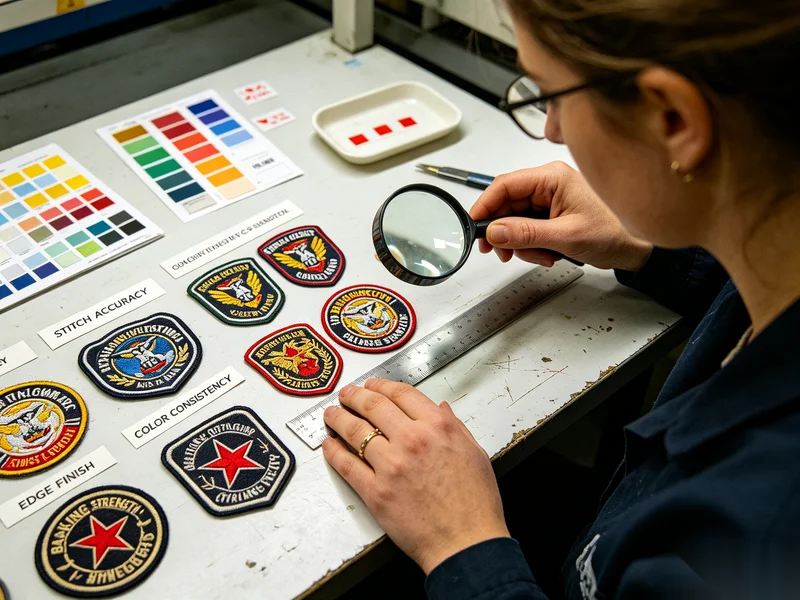
- Stable quality control
- Global shipping
We help clients choose the right attachment method based on real application needs, not just appearance.
FAQ
Are iron-on patches permanent?
They are semi-permanent. For long-term durability, sewing is recommended.
Can iron-on patches fall off?
Yes, especially after repeated washing or high heat exposure.
Which is better: embroidered or iron-on patches?
Embroidered sew-on patches are more durable; iron-on patches are more convenient.
Can iron-on patches be sewn as well?
Yes, and combining both methods is the most secure solution.
Do iron-on patches work on all fabrics?
No. They work best on cotton and may not adhere well to waterproof or heat-sensitive materials.
Final Thoughts
When comparing embroidered patches vs iron-on patches, the key difference is durability versus convenience. Iron-on patches are fast and easy to apply, while embroidered sew-on patches provide stronger, longer-lasting performance.
For professional applications such as uniforms, sportswear, and workwear, sewing remains the most reliable method. For retail and DIY markets, iron-on patches offer a practical and accessible solution.
With BSJ’s 28 years of manufacturing expertise, customers can choose the most suitable patch type and attachment method to achieve the best balance of quality, efficiency, and performance.
About Author
——————————————————————————————————————————————

Alexander
Online Sales Manager
Alexander specialize in digital marketing and understanding customer psychology, providing clients with the right solutions through data insights and creative strategies.
——————————————————————————————————————————————