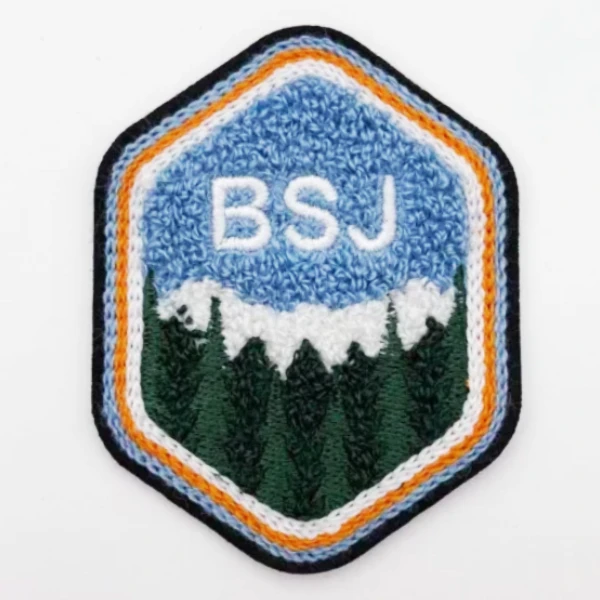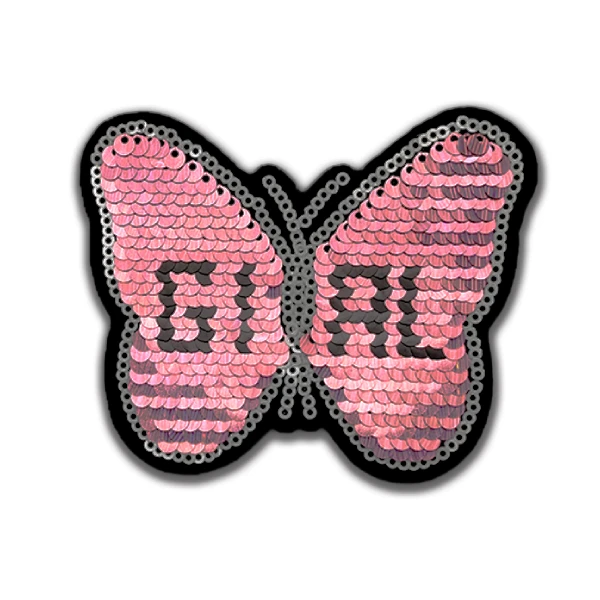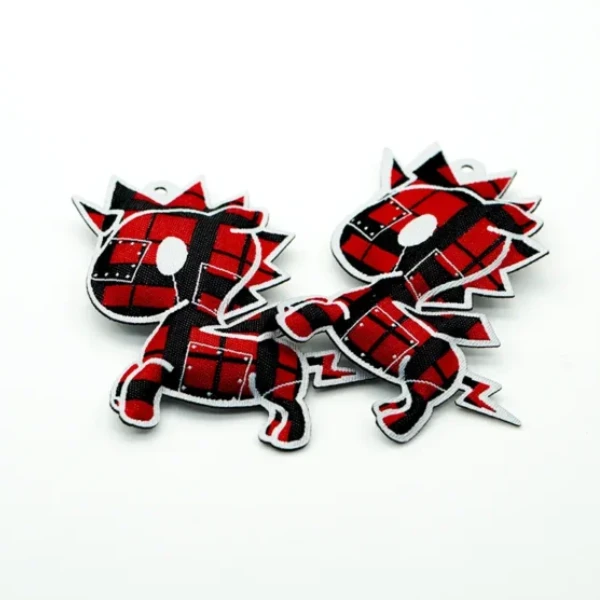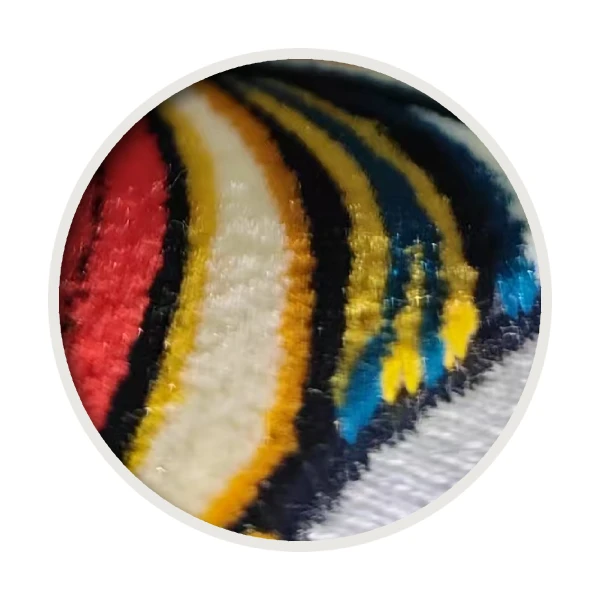
Cute embroidery patches are small, visually appealing stitched patches featuring playful designs such as animals, cartoons, or icons. They are widely used in fashion, accessories, and promotional products, offering strong emotional appeal, high customization flexibility, and a unique way for brands to connect with younger and trend-driven markets.
What Are Cute Embroidery Patches?
Cute embroidery patches are embroidered patches designed with soft, playful, and visually engaging elements. These designs often include animals, food, characters, emojis, or simplified icons that evoke a sense of charm and friendliness.
Unlike traditional branding patches, these patches focus more on emotional engagement and aesthetic appeal. For B2B buyers, custom cute patches are commonly used in fashion collections, lifestyle products, and youth-oriented branding.
They are typically produced using embroidery techniques that create a textured and durable finish, making them suitable for long-term use on garments and accessories.
Why Are Cute Patch Designs Trending?
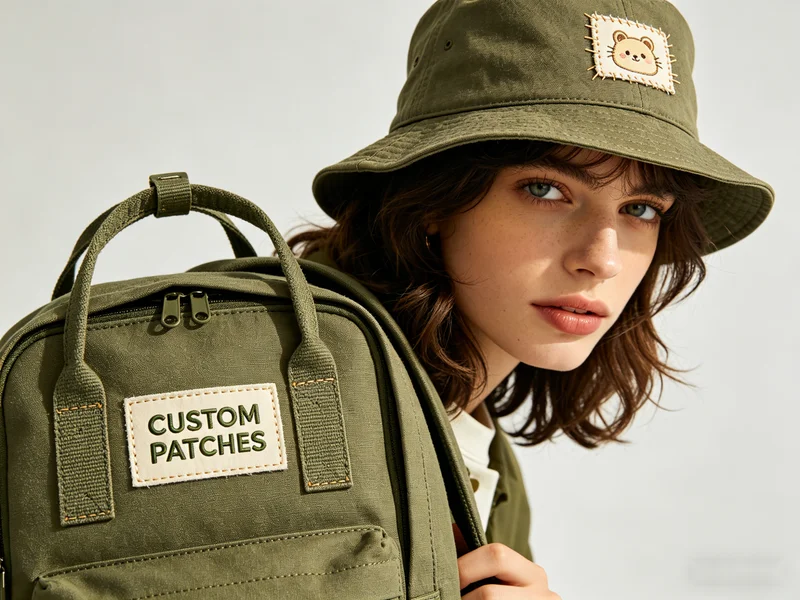
The popularity of kawaii embroidery patches and similar styles is driven by changing consumer preferences, especially among younger audiences.
Cute designs create an emotional connection, making products feel more personal and engaging. This is particularly important in markets such as streetwear, fast fashion, and accessories.
From a visual standpoint, cute patches stand out due to their bright colors, simple shapes, and friendly expressions. They are highly shareable on social media, which increases brand exposure.
For businesses, incorporating decorative embroidered patches with cute themes can significantly enhance product appeal and marketability.
How Are Cute Embroidery Patches Made?
The production process for cute embroidery patches follows standard embroidery techniques, with additional focus on color and detail.
First, the design is digitized to define stitch types and layering. Cute designs often require careful planning to maintain clarity while preserving softness in appearance.
Next, a base fabric such as twill or felt is selected. The embroidery machine then stitches the design using multiple thread colors to achieve vibrant results.
After embroidery, patches are cut into shape—often following the outline of the design—and finished with borders such as merrowed or laser-cut edges.
Finally, backing options like iron-on, sew-on, or adhesive are added depending on the intended application.
What Are the Most Popular Cute Patch Design Styles?
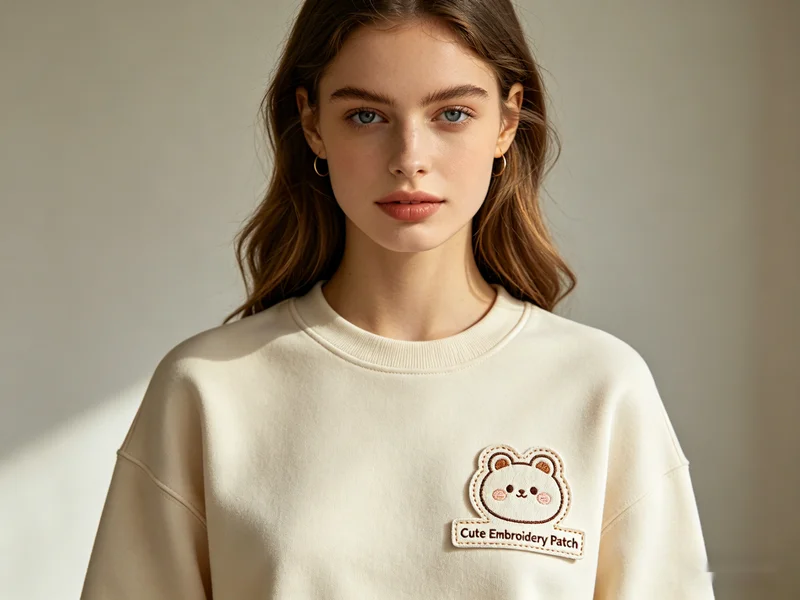
Designers creating custom cute patches can explore various styles depending on target audiences.
Animal-Themed Patches
Small animals such as cats, rabbits, bears, and pandas are among the most popular choices.
Food and Object Designs
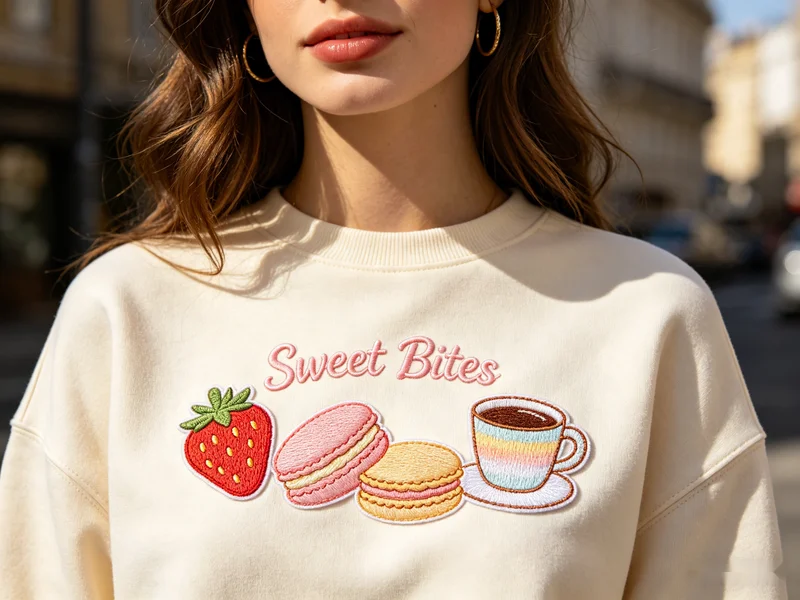
Cartoon-style food items like fruits, desserts, or drinks are widely used in lifestyle products.
Character and Mascot Patches
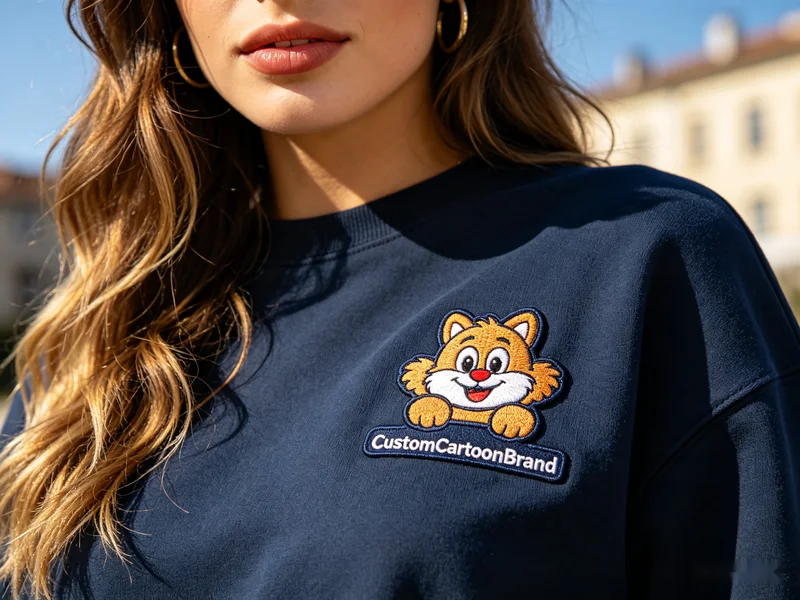
Brands often develop unique characters to represent their identity.
Minimalist Cute Icons
Simple shapes with small facial expressions create a modern and clean aesthetic.
Kawaii Style
Inspired by Japanese design, kawaii embroidery patches emphasize soft colors, rounded shapes, and expressive faces.
How to Choose Colors for Cute Embroidery Patches?
Color selection is essential for achieving the desired “cute” effect.
Soft pastel tones are commonly used to create a gentle and friendly appearance. Bright colors can also be effective when balanced properly.
High contrast should be maintained to ensure the design remains visible, especially for smaller patches.
Designers should avoid overly complex gradients and instead use solid color blocks that work well with embroidery techniques.
How to Optimize Cute Designs for Embroidery?
To ensure production quality, cute designs must be adapted to embroidery limitations.
Details should be simplified, especially for small patches. Facial features and expressions should be clear and easy to recognize.
Stitch density should be balanced to maintain softness while ensuring durability. Overly dense stitching can make the patch stiff.
Borders should follow the shape of the design to enhance its visual appeal and uniqueness.
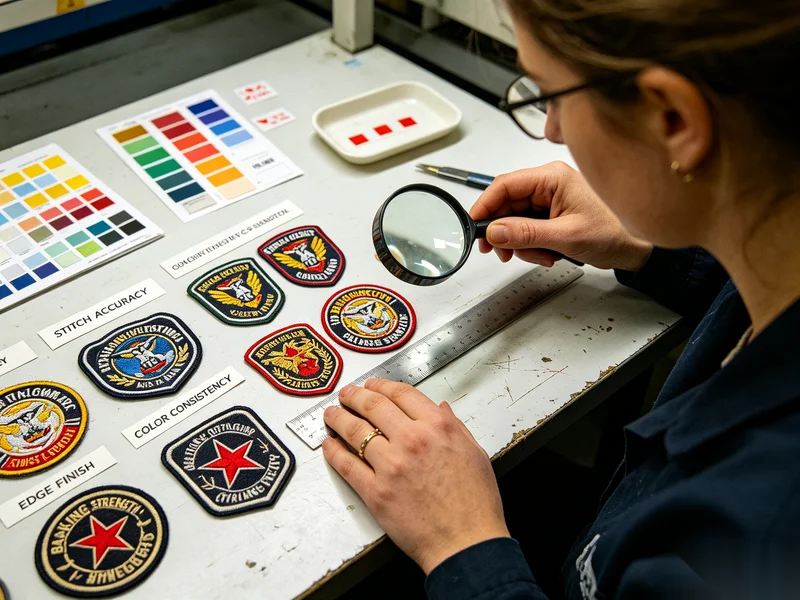
Testing samples before mass production helps refine the final result and ensure consistency.
When Should Businesses Use Cute Embroidery Patches?
Cute patches are highly effective in markets where emotional appeal and design play a key role.
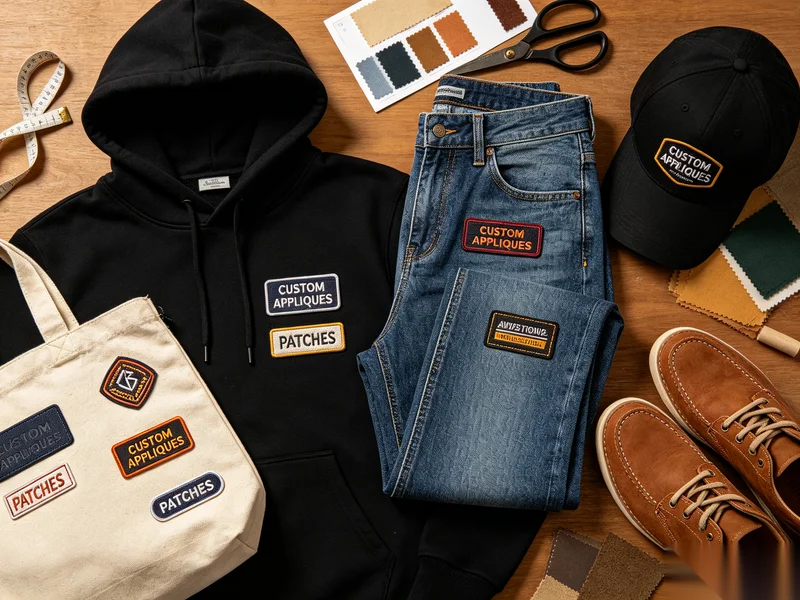
They are widely used in fashion, especially in casualwear and youth-oriented brands. Accessories such as bags, hats, and backpacks also benefit from cute patch designs.
In promotional products, cute patches can increase engagement and memorability, making them ideal for campaigns targeting younger audiences.
For B2B buyers, decorative embroidered patches with cute designs offer a strong opportunity to differentiate products in competitive markets.
How Can Designers Make Cute Patches More Unique?
To stand out, designers should focus on originality and storytelling.
Creating custom characters or mascots helps build brand identity. Combining cute elements with unexpected themes can add uniqueness.
Layered embroidery techniques or mixed materials can enhance depth and texture.
Custom shapes that follow the design outline rather than standard forms can also improve visual impact.
Consistency across product lines ensures that cute designs reinforce overall branding.
FAQ
What are cute embroidery patches used for?
They are used for decoration, branding, and enhancing the visual appeal of garments and accessories.
What makes a patch design “cute”?
Soft shapes, friendly expressions, and appealing color combinations create a cute aesthetic.
Are cute patches suitable for branding?
Yes, especially for brands targeting younger or lifestyle-focused audiences.
Can cute patches be customized?
Yes, they can be fully customized in terms of design, size, and color.
Are embroidery patches durable?
Yes, they are long-lasting and can withstand regular use and washing.
What industries use cute patches the most?
Fashion, accessories, promotional products, and lifestyle brands commonly use them.
Cute embroidery patches combine creativity, emotional appeal, and durability, making them a valuable addition to modern product design. For businesses, they offer an effective way to connect with customers, enhance product aesthetics, and stand out in competitive markets.
About Author
——————————————————————————————————————————————

Alexander
Online Sales Manager
Alexander specialize in digital marketing and understanding customer psychology, providing clients with the right solutions through data insights and creative strategies.
——————————————————————————————————————————————