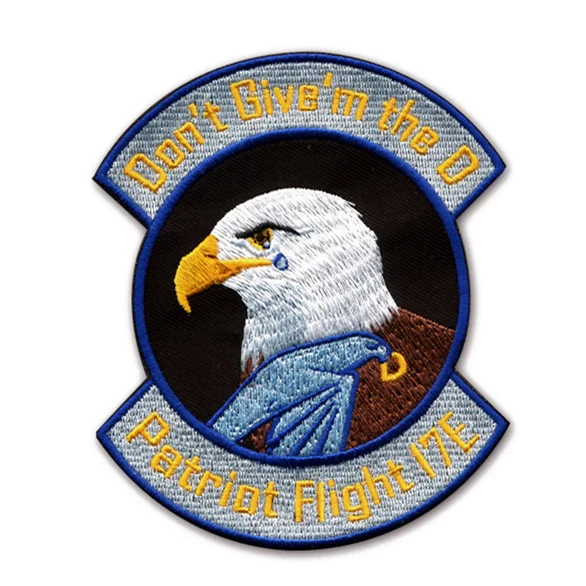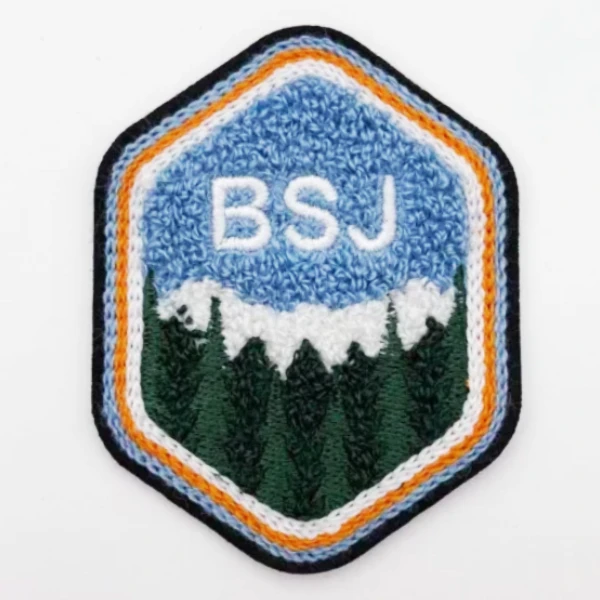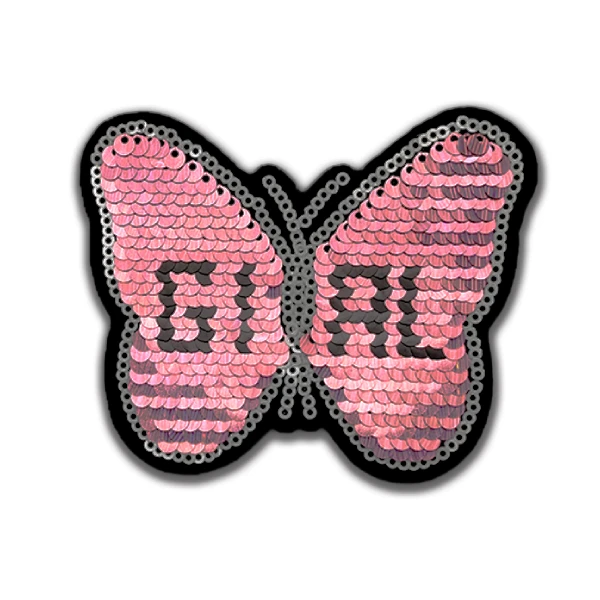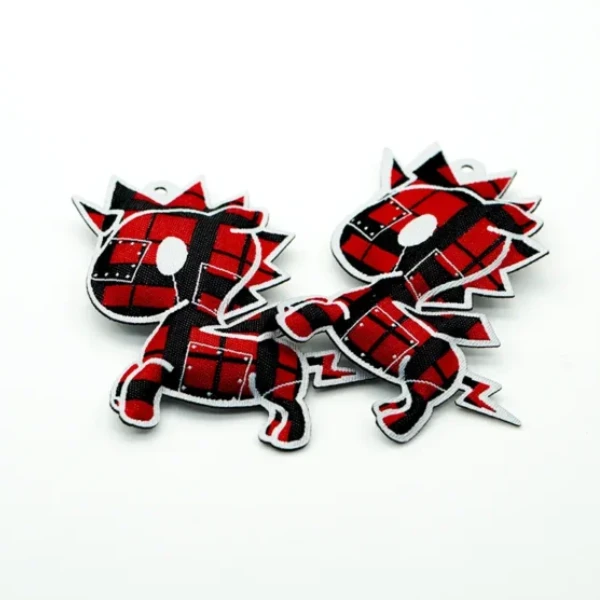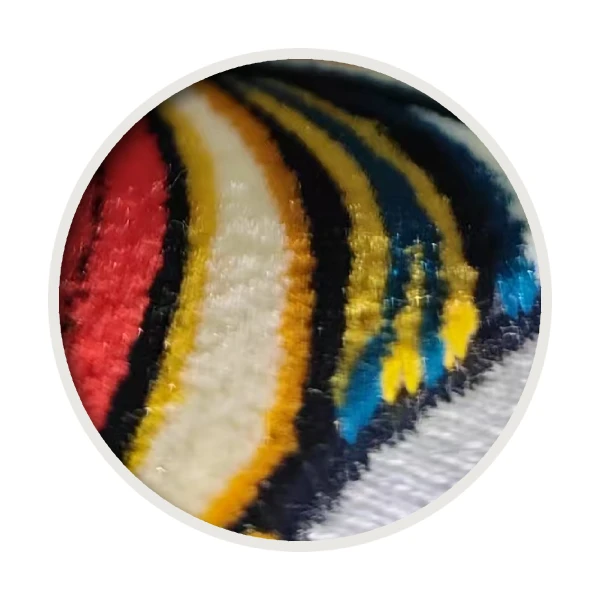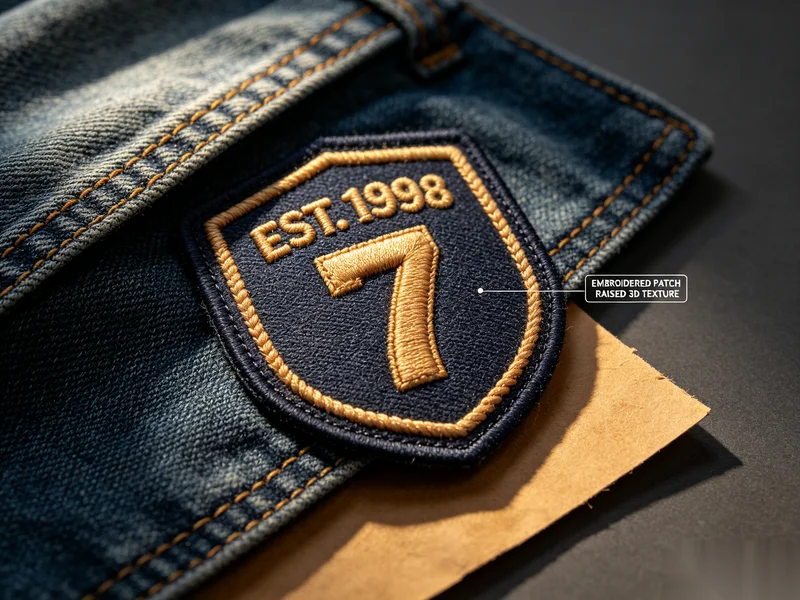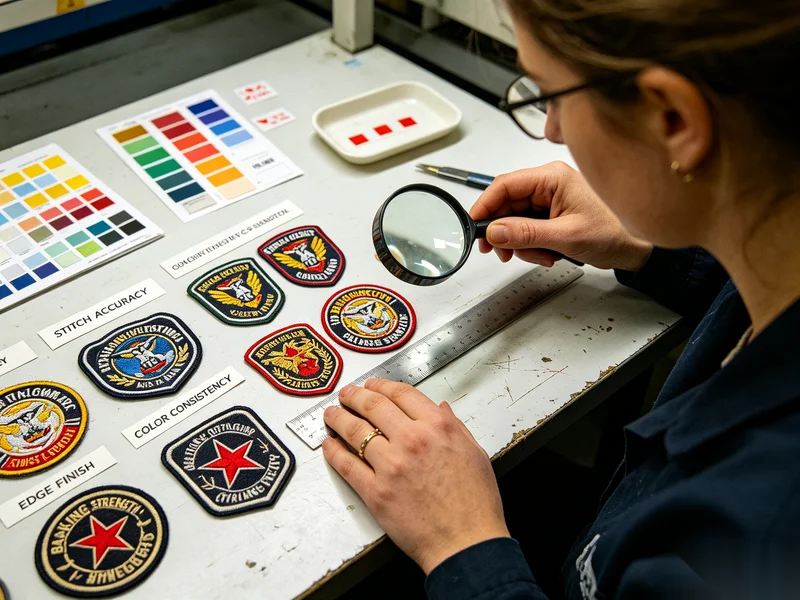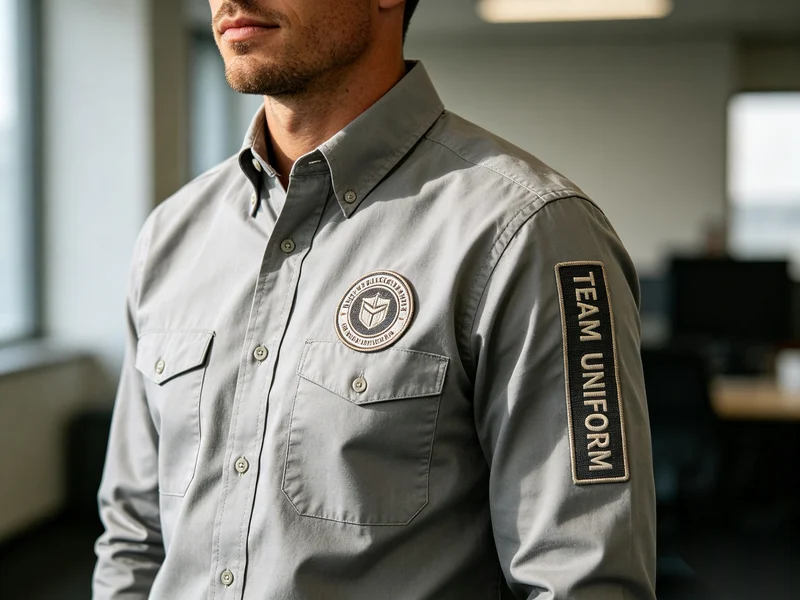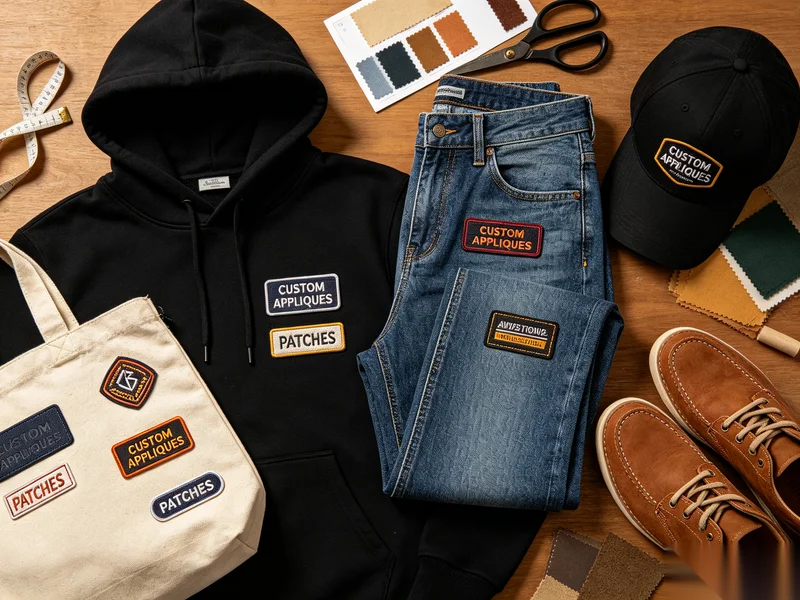
Large embroidered patches are oversized decorative emblems used on jackets, uniforms, or bags to showcase big logos, detailed artwork, or statement graphics. To design large patches successfully, ensure proper stitch density, border reinforcement, and material stability to prevent warping or thread distortion during production.
Why Choose Large Embroidered Patches?
When small details aren’t enough, large embroidered patches deliver the visual power brands need.
They’re not only fashion statements but also functional design tools — used by sports teams, clothing lines, motorcycle clubs, and outdoor brands to add bold identity and visibility.
Unlike small patches used for subtle decoration, large patches are meant to dominate a garment surface — making them ideal for:
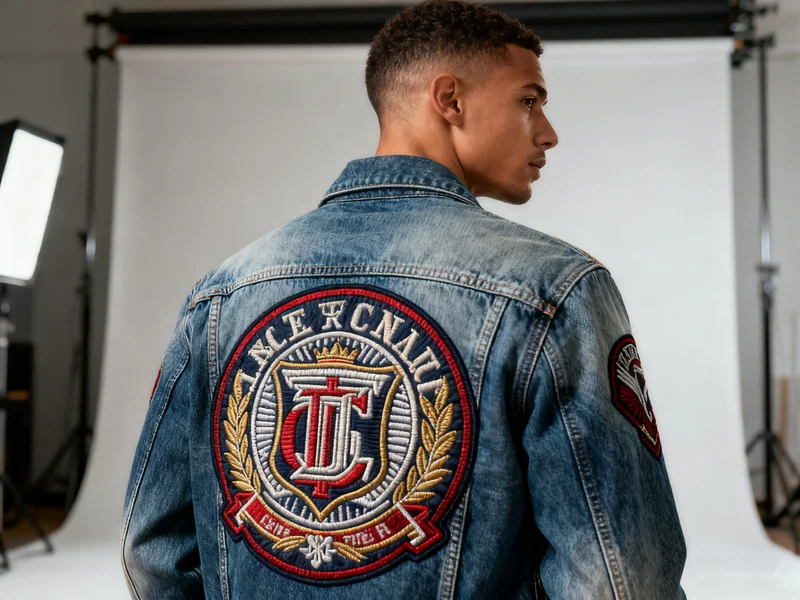
- Back designs on denim jackets or varsity coats
- Large brand logos on workwear or uniforms
- Decorative motifs on backpacks, tote bags, or outerwear
- Promotional or limited-edition streetwear collections
Creative Design Ideas for Large Embroidered Patches
Large embroidery offers more creative freedom. Here are some design approaches that work particularly well when scaling up patch dimensions:
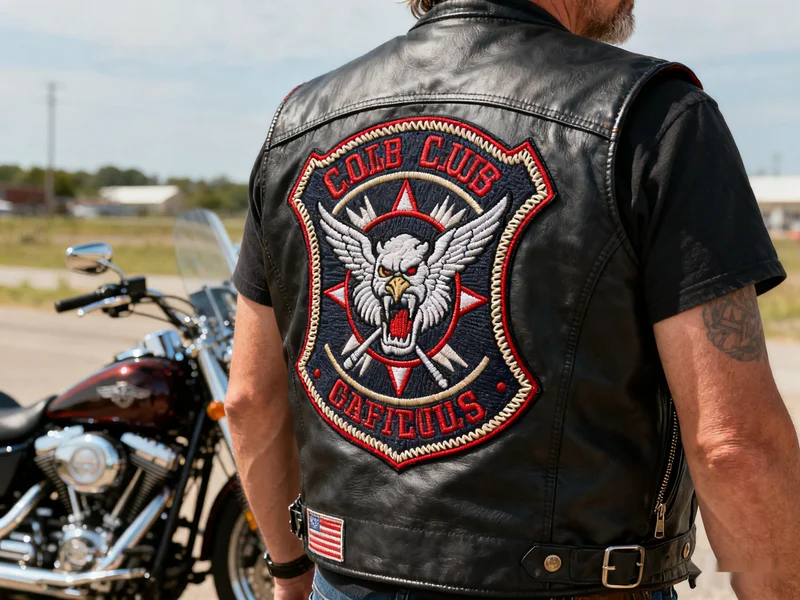
🦅 1. Full-Back Logos and Emblems
Large back patches are iconic in motorcycle clubs and sportswear.
They usually feature central logos, mascot heads, or shield-style designs that define a group’s identity.
Adding a merrowed border enhances the patch’s durability and vintage appeal.
🌸 2. Oversized Floral or Nature Motifs
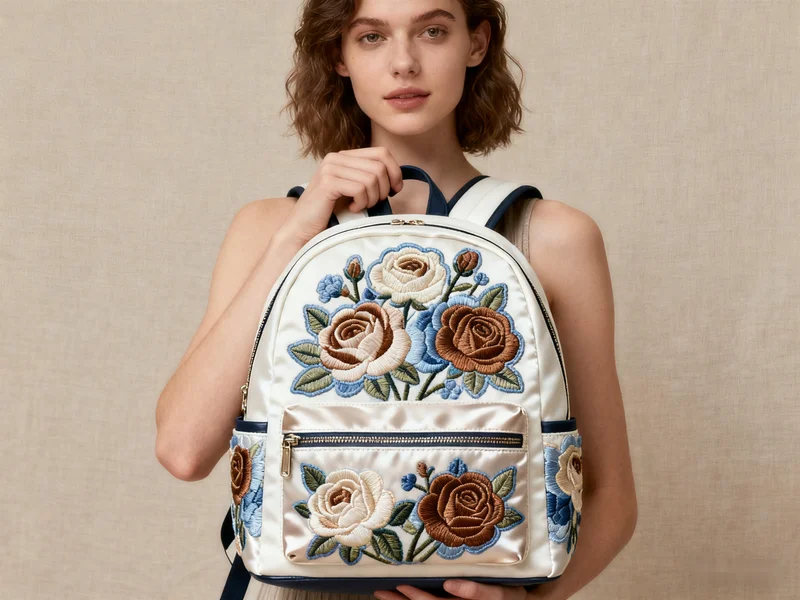
Floral embroidery looks stunning when enlarged — especially roses, vines, or wings that stretch across a jacket.
Using a combination of satin stitching and fill patterns helps achieve a natural, dynamic flow.
🐉 3. Artistic Illustrations and Cultural Symbols
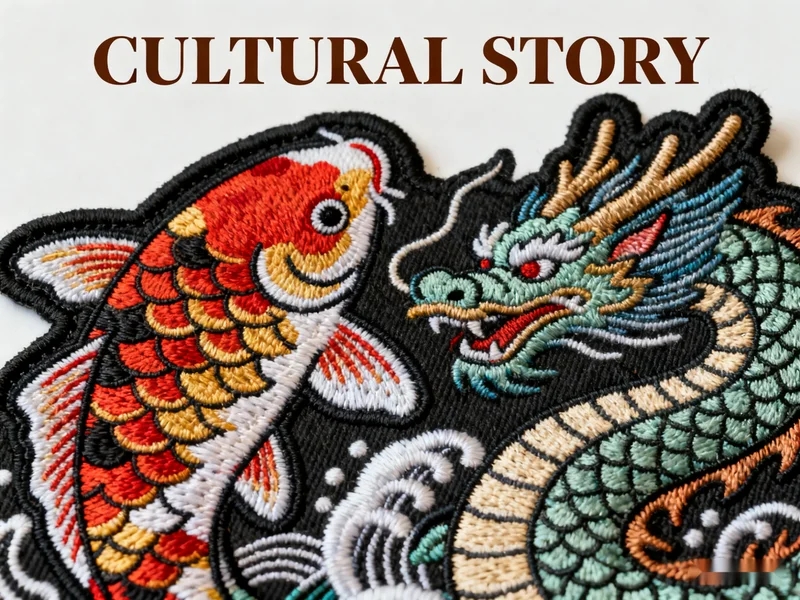
Brands often use large embroidered patches to tell a story — such as Japanese koi fish, dragons, or tribal designs.
When scaled up, these intricate motifs turn into wearable artwork.
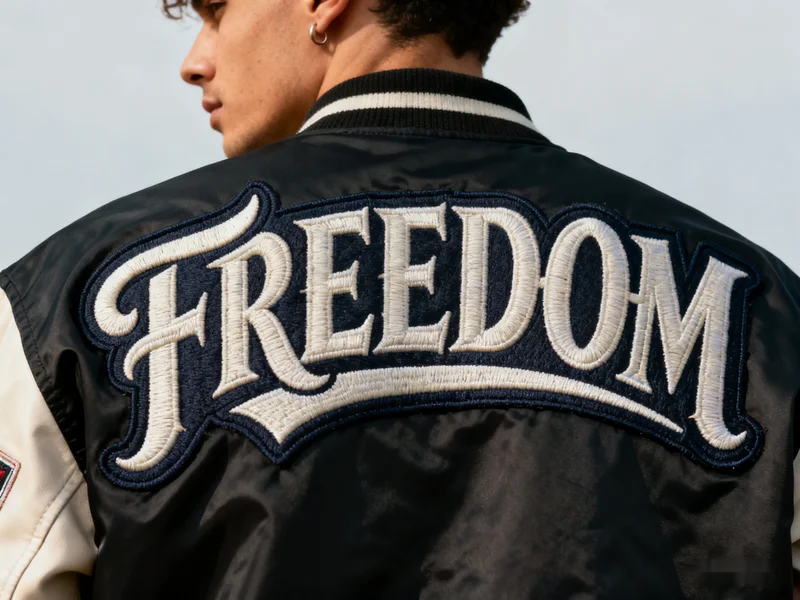
🧥 4. Fashion Typography and Statements
Big letter patches or phrases like “REBORN”, “FREEDOM”, or “CREW” instantly catch attention.
Blending embroidered outlines with twill appliqué bases can help control stitch count while keeping the piece lightweight.
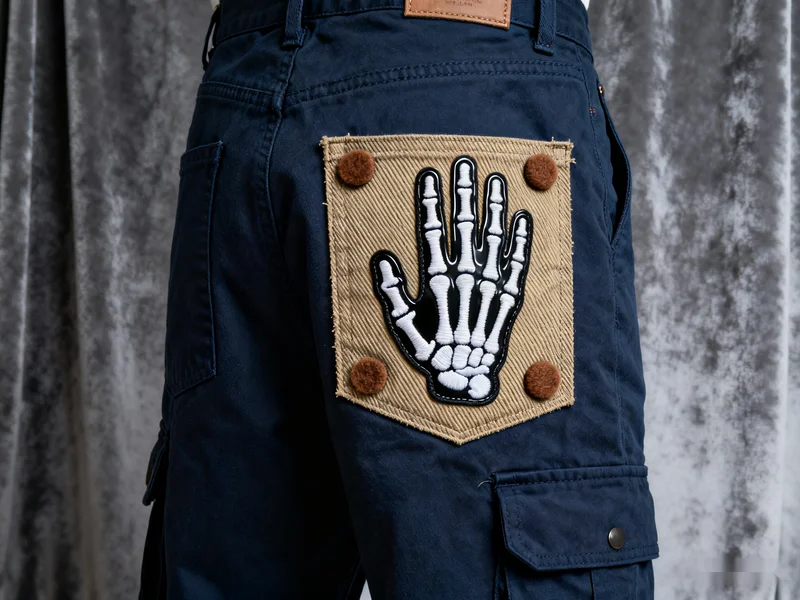
🏁 5. Layered Mixed-Material Designs
Combine embroidery with chenille, felt, or PVC to add texture contrast.
This hybrid technique gives the design more dimension and aligns with streetwear aesthetics.
Technical Considerations When Producing Large Embroidered Patches
Scaling up patch size isn’t just about enlarging artwork — it requires technical precision.
Here are key production tips to ensure quality and durability:
| Factor | Consideration | Recommendation |
|---|---|---|
| Fabric Base | The foundation must handle dense stitching | Use twill, felt, or canvas for structure |
| Stitch Density | Too tight = warping; too loose = gaps | Optimize digitizing for large-scale balance |
| Backing Type | Heavier patches need secure support | Use hard plastic, thick non-woven, or iron-on |
| Border Type | Prevents fraying and distortion | Choose merrowed or laser-cut depending on shape |
| Thread Type | Longer stitches need strong tension | Use high-tensile polyester or rayon threads |
| Machine Calibration | Large frames require stability | Use multi-head embroidery machines with wide field |
These adjustments ensure the patch maintains its shape, even after long-term wear or washing.
Common Mistakes to Avoid
- ❌ Ignoring Weight Distribution:
Overly dense stitches in one area can make the patch curl. Balance density evenly. - ❌ Using Thin Backing Materials:
Thin felt or fabric may stretch and distort large patterns during stitching. - ❌ Not Considering Edge Finish:
Large shapes with curved outlines may fray easily without reinforced borders. - ❌ Overcomplicating Small Details:
Fine lines or micro text become harder to read when stitched across large surfaces. Simplify artwork. - ❌ Skipping Pre-Production Sampling:
Always test stitch a prototype before mass production to check thread path accuracy and visual proportion.
Best Uses for Large Embroidered Patches
| Application | Example | Key Design Note |
|---|---|---|
| Jackets & Coats | Back patches for streetwear or varsity style | Use bold outlines and vivid colors |
| Workwear Uniforms | Company logos on outerwear | Include thick base fabric for durability |
| Motorcycle Vests | Club insignia and emblems | Opt for merrowed borders and high-contrast stitching |
| Backpacks & Luggage | Decorative or brand badges | Use iron-on or Velcro backing for flexibility |
| Art Apparel & Collaborations | Designer signature pieces | Mix embroidery with chenille or felt layers |
Large patches instantly elevate perceived value, turning standard clothing into collectible fashion items.
Material and Border Selection Guide
| Element | Options | Best For |
|---|---|---|
| Base Fabric | Twill, Felt, Canvas, Denim | Structural stability |
| Border Type | Merrowed, Hot-cut, Laser-cut | Clean finish, shape definition |
| Backing Options | Sew-on, Iron-on, Velcro | Flexible applications |
| Thread Options | Matte, Metallic, Glow-in-dark | Special visual effects |
For oversized designs, Merrowed borders are most recommended — they frame the patch neatly while adding professional structure.
BSJ’s Expertise in Large Patch Manufacturing
At BSJ, we specialize in producing large embroidered patches for fashion labels, sportswear brands, and promotional collections.
Our production combines precision digitizing, high-density stitching, and reinforced base materials to ensure stability even at large sizes.
Why clients choose BSJ:
- Advanced multi-head embroidery equipment for oversized designs
- Professional digitizing team experienced in large-format layouts
- Durable threads and backing materials for long-lasting wear
- Flexible MOQ options for sample runs and bulk orders
- Custom color matching using Pantone or thread charts
From bold branding statements to artistic collaborations, we deliver patches that keep their form and color — no matter the scale.
Tips for Designers Planning Large Embroidered Patches
- Think about proportion: Match patch size to garment area. A large jacket patch should not exceed 75% of the back panel.
- Simplify composition: Avoid overly complex shading or micro details that may blur at scale.
- Use strong contrast: Larger designs benefit from clear color separation.
- Plan edge thickness: Merrow borders (2.5–3.5mm) give structure and prevent curling.
- Request sample approval: Always confirm a stitched proof before mass order.
Conclusion
Large embroidered patches represent a fusion of craftsmanship, creativity, and visual strength.
They’re perfect for brands seeking impactful identity, collectible appeal, and premium finishing in apparel design.
With expert digitizing, durable materials, and clean finishing, large patches can transform any garment into a statement piece.
At BSJ, we help clients bring these large-format visions to life — precisely stitched, professionally finished, and built to last.
About Author
——————————————————————————————————————————————

Alexander
Online Sales Manager
Alexander specialize in digital marketing and understanding customer psychology, providing clients with the right solutions through data insights and creative strategies.
——————————————————————————————————————————————