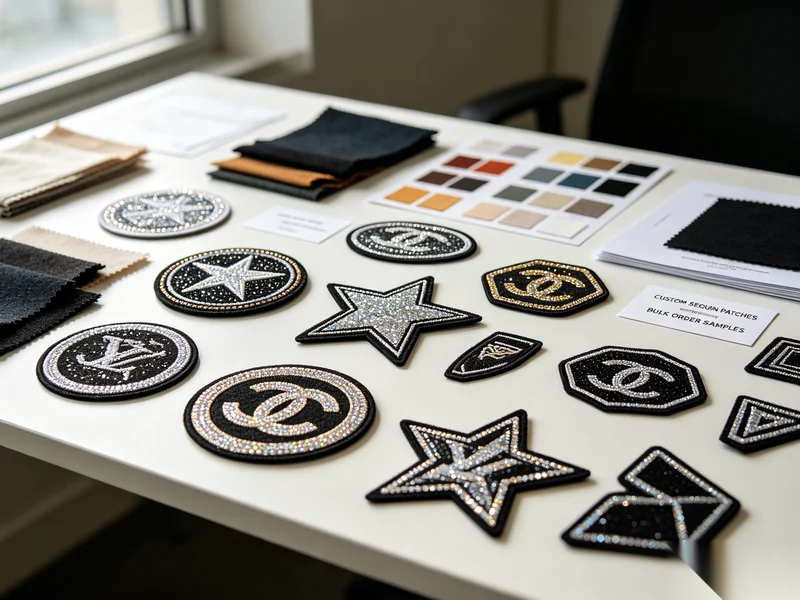
What Are Custom Embroidered Logo Patches?
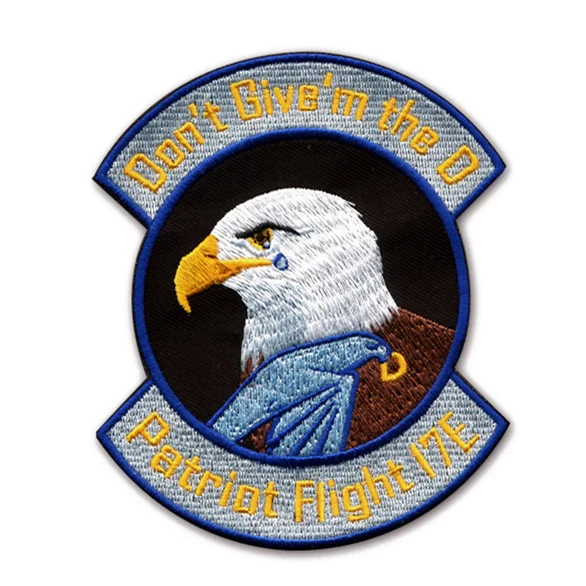
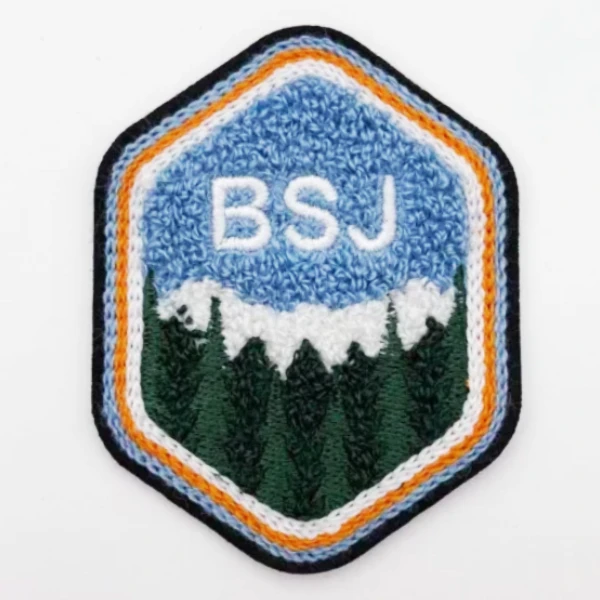
Custom embroidered logo patches are stitched logo designs created for brands, organizations, and teams to represent identity in a physical, wearable form. Instead of printing a logo directly onto garments, patches offer flexibility, durability, and a more premium visual presence.
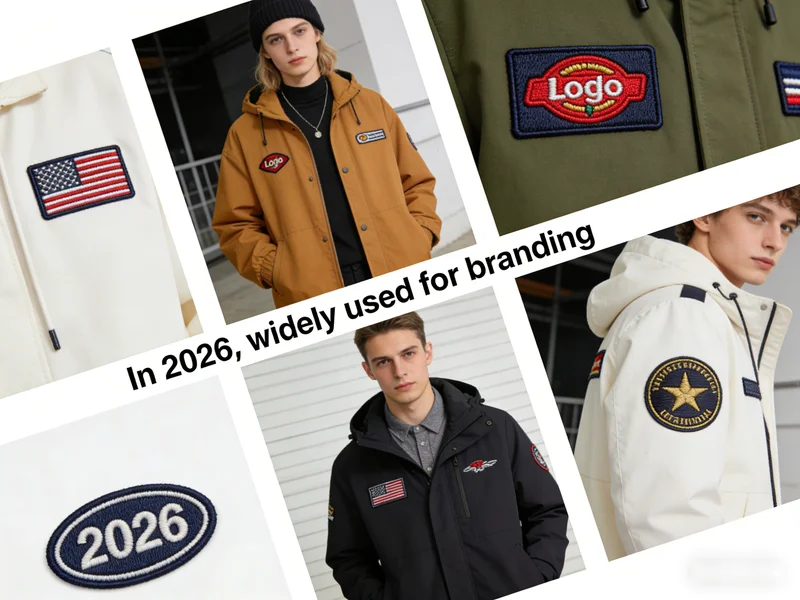
In 2026, logo patches are widely used not just for uniforms—but for branding.
Why Brands Choose Custom Embroidered Logo Patches in 2026
Modern brands value versatility. Custom embroidered logo patches allow logos to live across multiple products without redesigning each garment.
Brands use them to:
- maintain consistent visual identity
- elevate perceived quality
- adapt logos across collections
- extend branding beyond apparel
A well-designed patch acts like a portable logo system.
From Flat Logo to Patch: Design Thinking That Matters
Not every logo works as-is when converted into embroidery.
Simplification Is Key
Successful logo patches often:
- remove fine details
- thicken lines
- simplify gradients
This preserves recognizability at smaller scales.
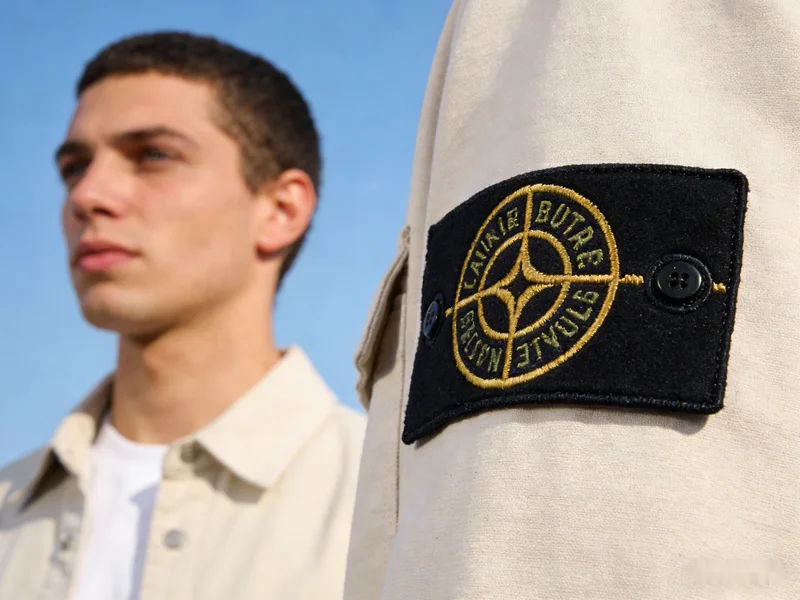
Logo Hierarchy
Decide what matters most:
- brand symbol
- brand name
- tagline (often removed)
Clear hierarchy keeps the patch readable.
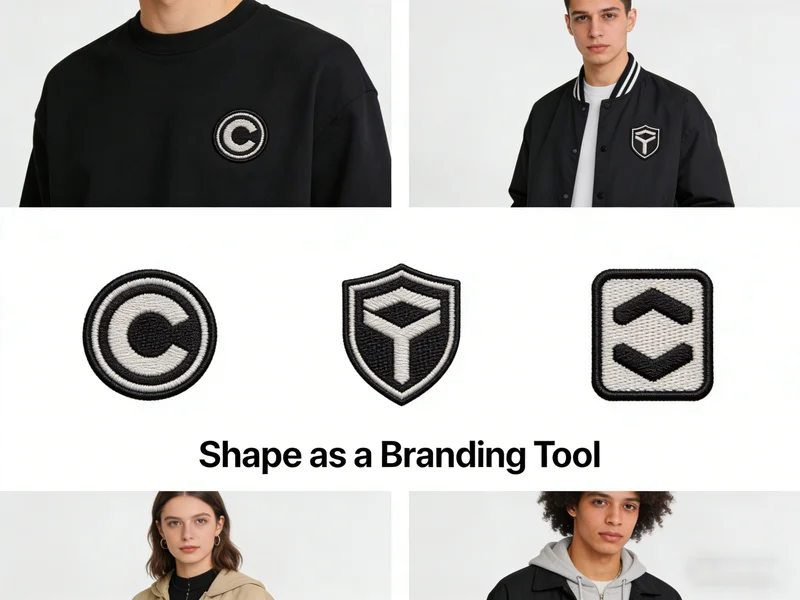
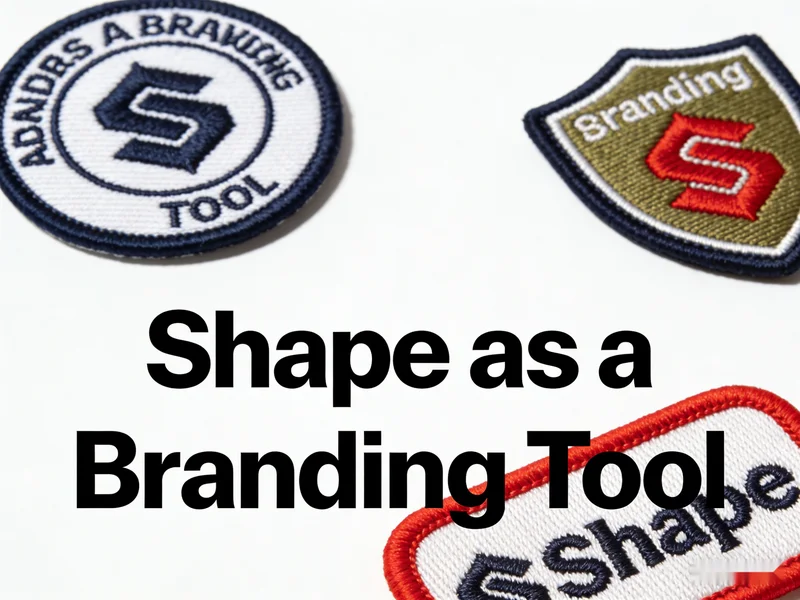
Shape as a Branding Tool
Logos are often adapted into:
- circular badges
- shields
- rounded rectangles
The shape frames the brand visually and emotionally.
Popular Design Styles for Custom Embroidered Logo Patches
Minimal Brand Marks
Single-icon logos or initials work especially well.
Badge-Style Logos
Great for heritage, outdoor, or workwear brands.
Typographic Logo Patches
Clean letterforms, strong spacing, and confident layout.
Vintage-Inspired Brand Logos
Used by lifestyle and retro-focused brands.
Each style supports a different brand story.
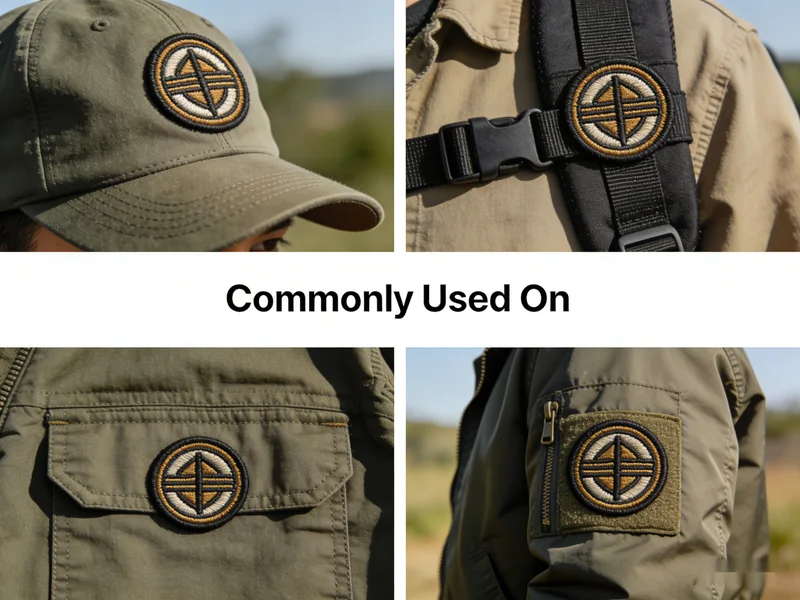
Where Custom Embroidered Logo Patches Are Commonly Used
Designers plan patches based on real-world application:
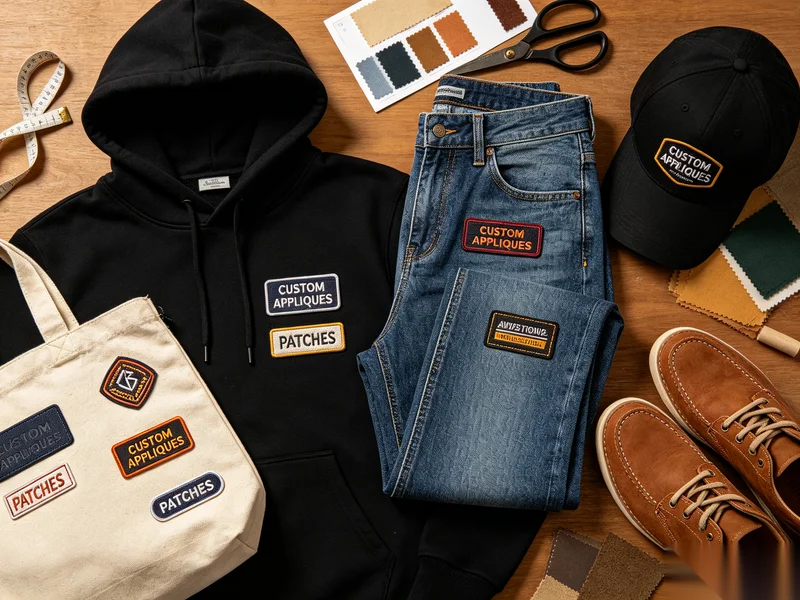
- jackets and outerwear
- hats and caps
- bags and backpacks
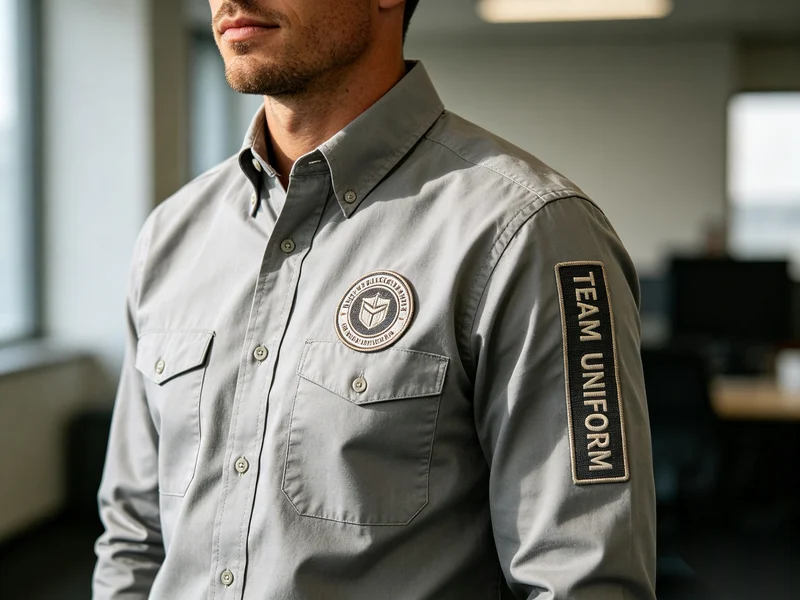
- uniforms and workwear
- limited-edition merchandise
The same logo patch can live across multiple categories.
Color Strategy for Logo Patch Design
Brand colors don’t always translate directly.
Smart designers:
- increase contrast
- reduce color count
- test dark vs light backgrounds
The goal is instant recognition—not exact duplication.
Common Mistakes in Custom Embroidered Logo Patches
Overloading the Logo
Trying to include every brand element weakens impact.
Ignoring Scale
A logo that looks great large may fail when reduced.
Using Decorative Fonts
Complex typography hurts legibility.
Treating the Patch as an Afterthought
Patches deserve intentional design, not shortcuts.
Avoiding these mistakes protects brand integrity.
Custom Embroidered Logo Patches for Different Brand Types
Apparel & Fashion Brands
Used to create repeatable branding across collections.
Corporate & Industrial Brands
Adds professionalism to uniforms and workwear.
Outdoor & Lifestyle Brands
Reinforces rugged, authentic brand values.
Startups & New Labels
Affordable way to establish physical brand presence.
Each brand type benefits differently from patch design.
Designing Logo Patches That Feel Timeless
Trends change, but effective custom embroidered logo patches share:
- clarity
- balance
- brand consistency
- long-term usability
The best logo patches feel intentional—not trendy.
Conclusion
Custom embroidered logo patches transform logos from digital assets into tangible brand identifiers. In 2026, brands that treat patch design as a strategic branding decision—not just decoration—gain flexibility, consistency, and visual impact.
For designers and B2B buyers, success lies in adapting the logo thoughtfully, simplifying with purpose, and designing for real-world use. When done right, a logo patch becomes more than branding—it becomes part of the product’s identity.
About Author
——————————————————————————————————————————————

Alexander
Online Sales Manager
Alexander specialize in digital marketing and understanding customer psychology, providing clients with the right solutions through data insights and creative strategies.
——————————————————————————————————————————————