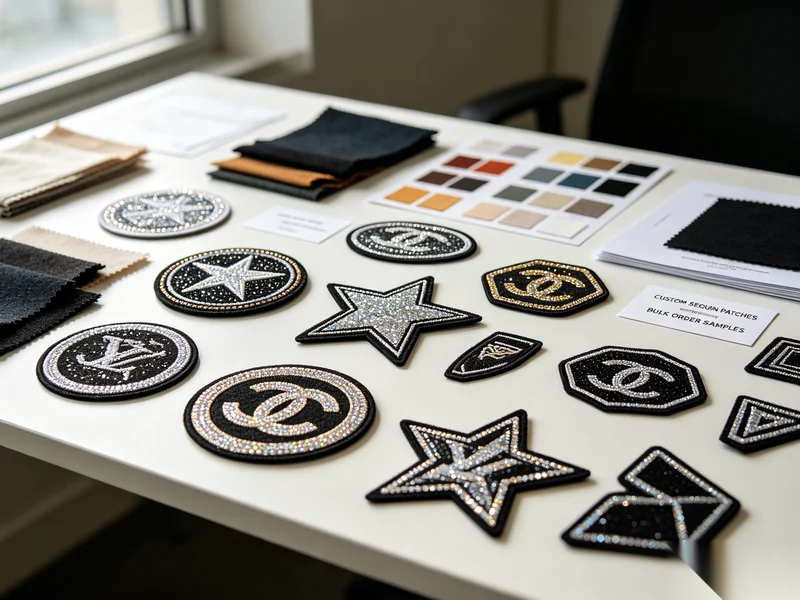
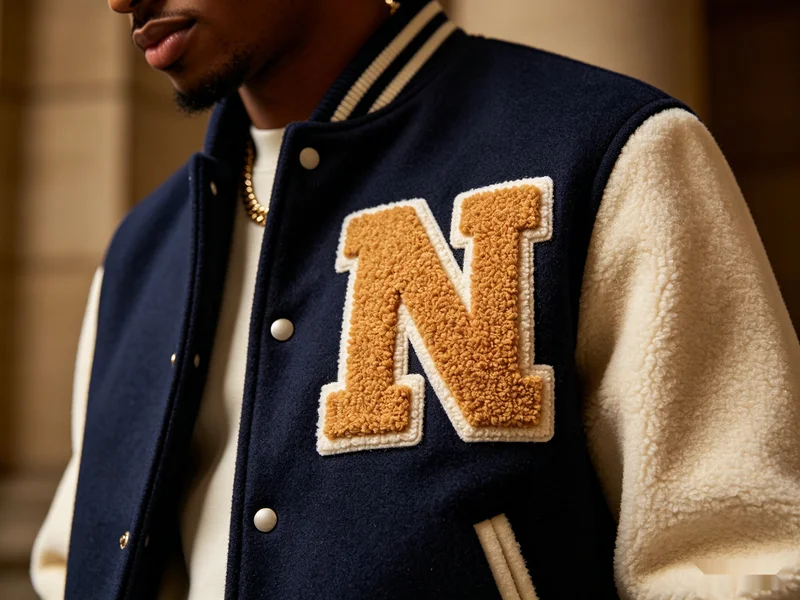
Walk into any American high school, college campus, or vintage clothing store, and you’ll immediately recognize the iconic letterman jacket. At the center of its identity is usually a large, textured chenille patch—a symbol of achievement, belonging, and pride.
Today, custom chenille letterman jacket patches are no longer limited to varsity sports. Fashion brands, streetwear labels, alumni associations, clubs, and even corporate organizations are embracing chenille patches for their bold appearance and nostalgic appeal.
But before ordering custom chenille patches, there are several important factors that can impact appearance, durability, production costs, and overall quality.
Why Chenille Patches Are Different from Standard Embroidered Patches
Many buyers assume chenille patches are simply another type of embroidery.
In reality, they are manufactured differently.
Traditional embroidered patches use flat stitches to create designs.
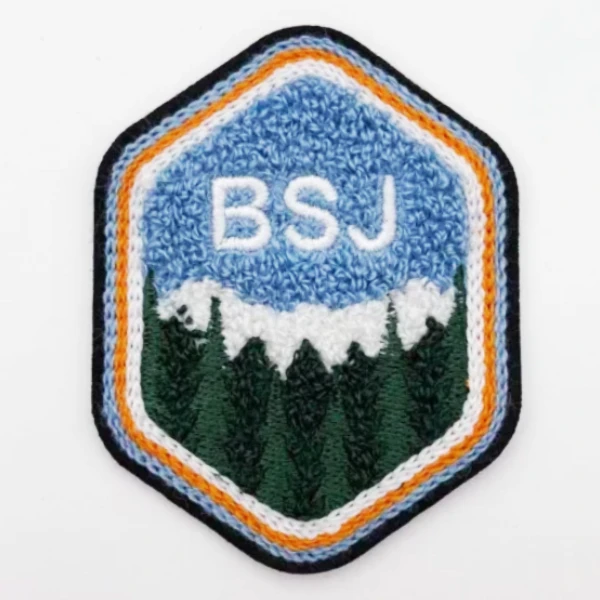
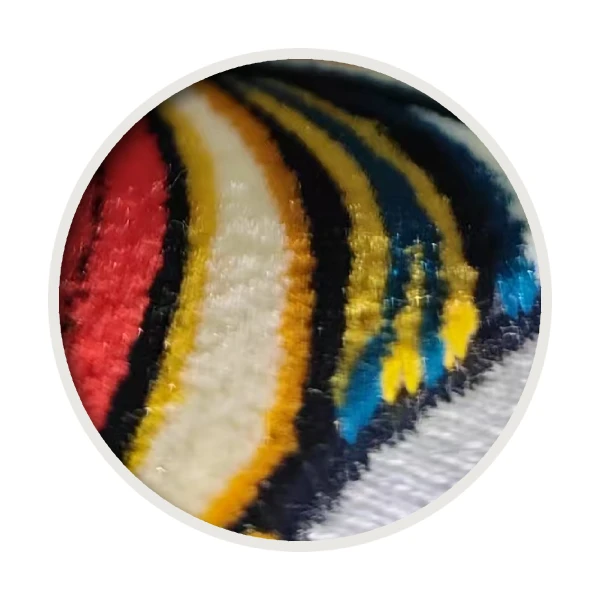
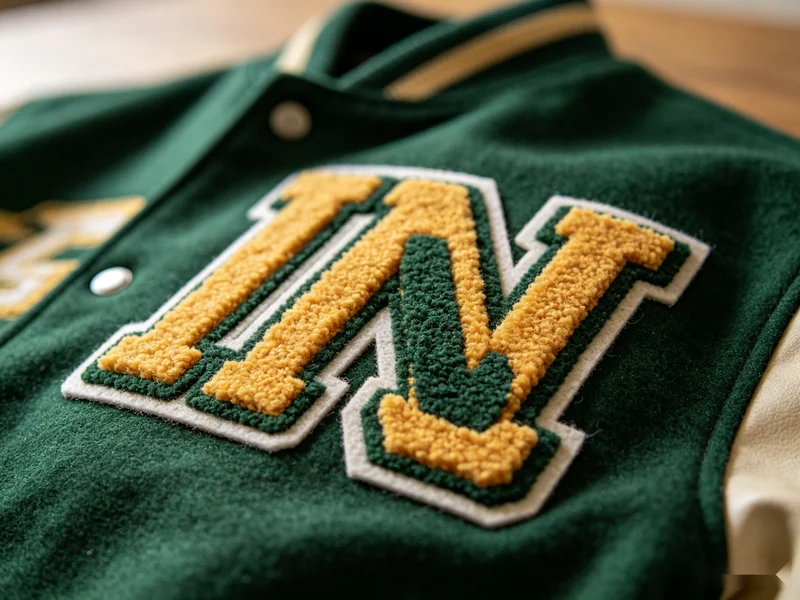
Chenille patches use specialized yarn loops that create a soft, raised surface with a unique three-dimensional texture.
This gives them:
- A premium vintage look
- Strong visual impact
- Excellent visibility from a distance
- A classic varsity aesthetic
This is why schools and sports teams have relied on chenille patches for generations.
The Growing Demand for Custom Chenille Letterman Jacket Patches
The popularity of chenille patches has expanded beyond athletics.
Today, customers order chenille patches for:
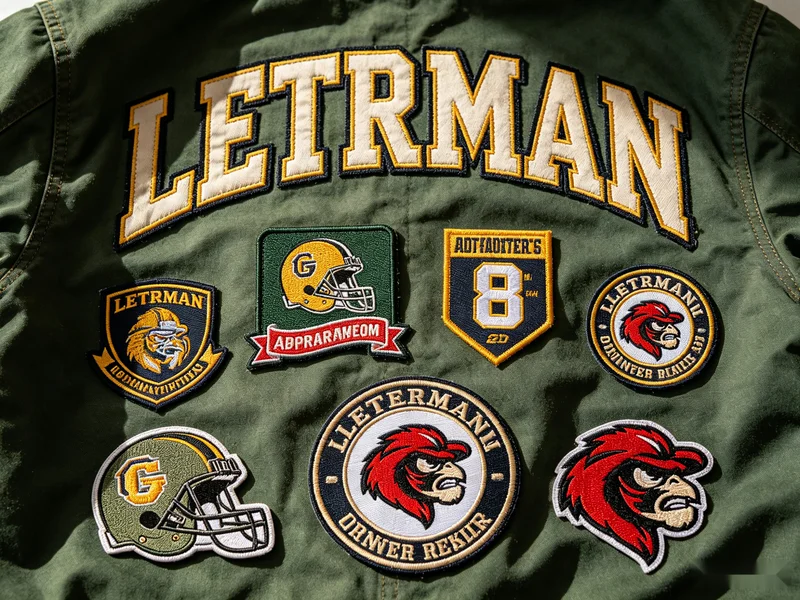
School Letterman Jackets
The most traditional application.
Common designs include:
- Varsity letters
- Graduation years
- Team initials
- Academic achievements
Sports Teams
Used to recognize:
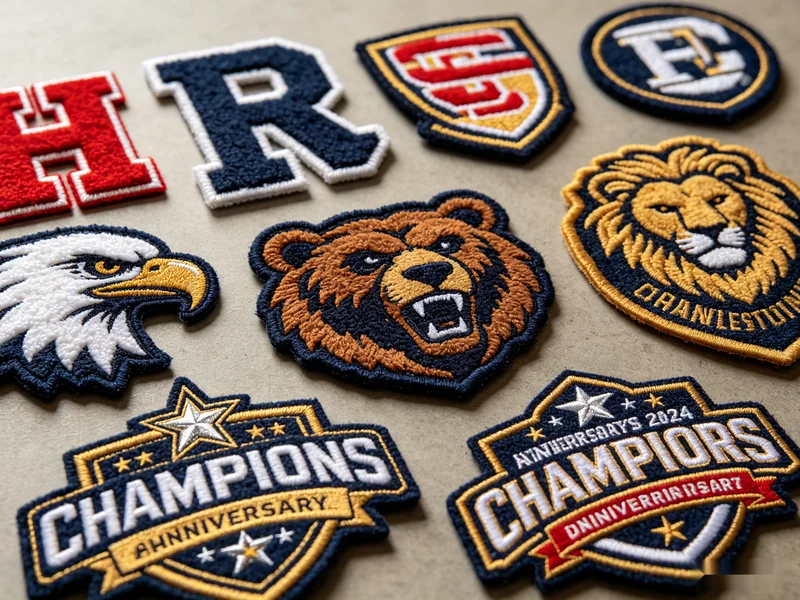
- Championships
- MVP awards
- Tournament participation
- Team membership
Fashion Brands
Many streetwear and luxury brands use chenille to create:
- Retro-inspired collections
- College-style apparel
- Limited-edition merchandise
The texture immediately adds perceived value to garments.
Alumni & Commemorative Projects
Chenille patches are frequently used for:
- Reunion jackets
- Anniversary merchandise
- School fundraising programs
The Biggest Mistake Buyers Make When Designing Chenille Patches
One of the most common production issues is designing chenille patches like regular embroidered patches.
Chenille Works Best with Bold Shapes
Ideal designs include:
✔ Large letters
✔ Numbers
✔ Mascots
✔ Simple logos
✔ Block-style graphics
Avoid Extremely Fine Details
Small details can become difficult to reproduce because of the thickness of chenille yarn.
Poorly optimized artwork often results in:
- Blurry edges
- Lost details
- Inconsistent appearance
Professional manufacturers usually recommend combining chenille with traditional embroidery for finer elements.
Best Materials for Letterman Jacket Patches
The quality of a chenille patch depends heavily on materials.
Chenille Yarn
The yarn creates the signature fuzzy texture.
Higher-quality yarn offers:
- Better durability
- Fuller appearance
- More consistent color
Felt Backing
Felt remains the most popular backing material because it:
- Supports chenille stitching
- Creates the traditional varsity look
- Holds shape well
Most premium letterman patches use felt foundations.
Embroidered Borders
Borders help:
- Define patch edges
- Prevent fraying
- Increase durability
Without proper border finishing, patches may wear prematurely.
Choosing the Right Patch Size
Many first-time buyers underestimate the importance of size.
Large Varsity Letters
Typically range from:
- 4″ to 8″ tall
These are designed to be the focal point of the jacket.
Achievement Patches
Usually:
- 2″ to 4″
Used alongside the main letter patch.
Mascot Patches
Can range from:
- 3″ to 10″+
Depending on jacket design and placement.
Design Tip
If the patch is intended to be viewed from a distance, larger sizes generally create better visual impact.
Sew-On vs Iron-On Chenille Patches
One of the most common customer questions is:
Should I choose sew-on or iron-on backing?
Sew-On Chenille Patches (Recommended)
Advantages:
- Longest lifespan
- Strongest attachment
- Traditional varsity appearance
- Handles heavy jacket fabrics well
This remains the preferred option for authentic letterman jackets.
Iron-On Chenille Patches
Advantages:
- Faster installation
- Easier positioning
- Suitable for light apparel
However, letterman jackets are often made from wool and leather, which can limit adhesive performance.
Many customers use iron-on backing for positioning and then permanently stitch the patch afterward.
How Long Do Chenille Letterman Patches Last?
A high-quality chenille patch can last for decades when properly attached.
Durability depends on:
Yarn Quality
Premium chenille yarn resists:
- Flattening
- Color fading
- Fiber shedding
Stitch Density
Proper stitching prevents:
- Loose loops
- Edge separation
- Shape distortion
Attachment Method
Sewn patches consistently outperform adhesive-only applications over time.
Why Schools and Brands Choose Custom Manufacturing
Off-the-shelf chenille patches often have limitations:
- Generic designs
- Limited color choices
- Standard sizes only
Custom manufacturing allows complete control over:
Colors
Match:
- School colors
- Team branding
- Corporate identity
Shapes
Create:
- Custom mascots
- Unique logos
- Anniversary emblems
Finishing Options
Choose:
- Felt backing
- Twill backing
- Metallic embroidery accents
- Specialty borders
What Impacts the Cost of Custom Chenille Letterman Jacket Patches?
Many buyers focus only on patch size, but several factors affect pricing:
Patch Size
Larger patches require:
- More yarn
- More stitching time
Number of Colors
More colors increase:
- Production complexity
- Machine setup time
Detail Level
Complex designs require:
- Additional embroidery work
- More production steps
Quantity Ordered
Bulk production significantly lowers unit cost.
For example:
- 50 pieces → higher unit price
- 500 pieces → lower unit price
- 5,000 pieces → best cost efficiency
Why Manufacturing Experience Matters
Chenille production is more specialized than standard embroidery.
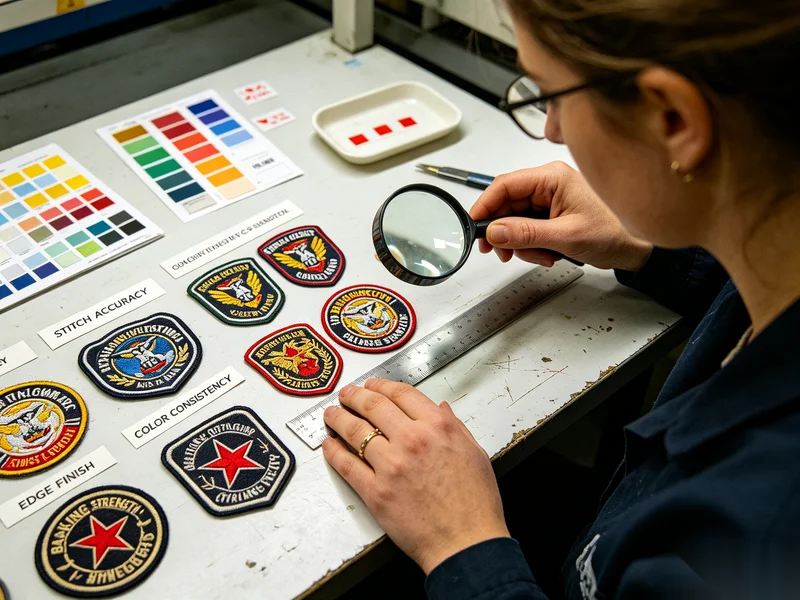
Manufacturers must control:
- Yarn density
- Loop consistency
- Color matching
- Border quality
- Felt cutting accuracy
Inexperienced suppliers often produce patches with:
❌ Uneven texture
❌ Loose yarn loops
❌ Inconsistent colors
❌ Poor durability
BSJ’s Custom Chenille Patch Manufacturing Advantage
With 28 years of embroidery and patch manufacturing experience, BSJ specializes in producing custom chenille letterman jacket patches for schools, sports organizations, apparel brands, and distributors worldwide.
Our capabilities include:
✅ Custom varsity letters and numbers
✅ Mascot chenille patches
✅ Championship and award patches
✅ Felt and twill backing options
✅ OEM & ODM manufacturing
✅ Bulk production support
✅ Strict quality control systems
Because BSJ operates its own production facility, customers benefit from:
- Consistent quality
- Competitive factory-direct pricing
- Faster production timelines
- Reliable large-volume manufacturing
Final Thoughts
Custom chenille letterman jacket patches remain one of the most iconic forms of apparel decoration. Their rich texture, strong visual presence, and emotional significance make them a favorite choice for schools, teams, fashion brands, and organizations worldwide.
However, achieving a premium result requires more than simply choosing chenille. Design optimization, material selection, attachment methods, and manufacturing expertise all play critical roles in the final product.
Whether you’re creating varsity letters, championship patches, school mascots, or branded fashion pieces, partnering with an experienced manufacturer ensures your chenille patches deliver the durability, appearance, and quality that customers expect.
With 28 years of in-house patch manufacturing experience, BSJ helps brands transform ideas into high-quality custom chenille patches designed for both tradition and modern apparel markets.
About Author
——————————————————————————————————————————————

Alexander
Online Sales Manager
Alexander specialize in digital marketing and understanding customer psychology, providing clients with the right solutions through data insights and creative strategies.
——————————————————————————————————————————————