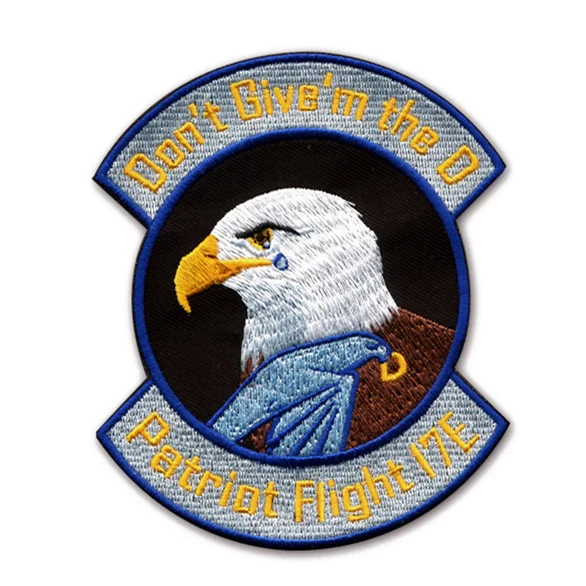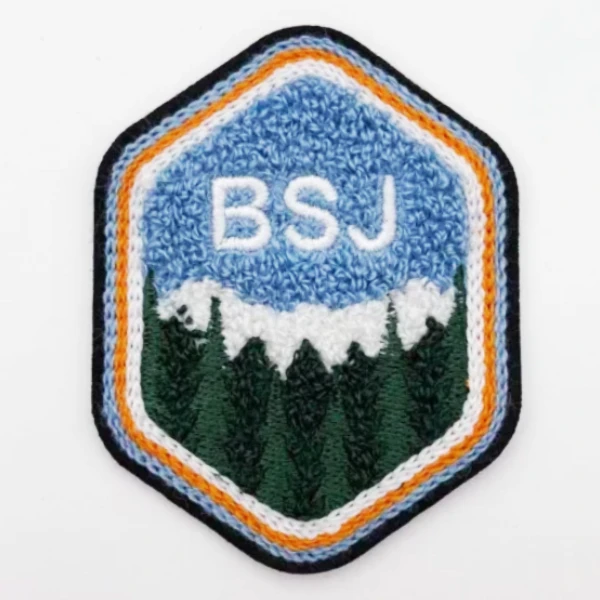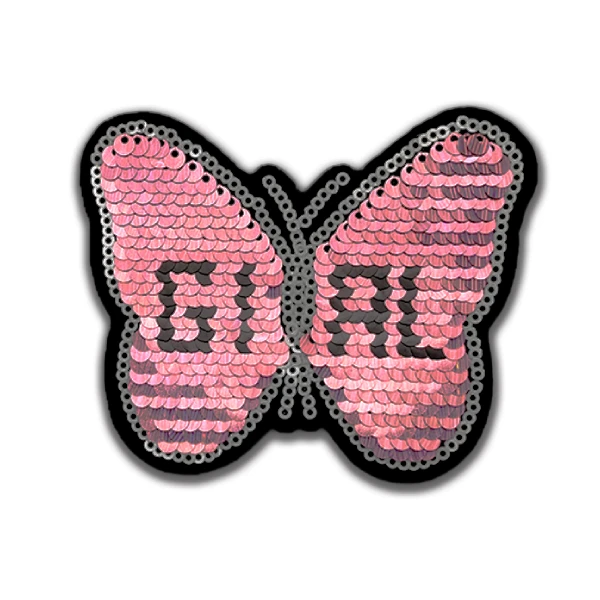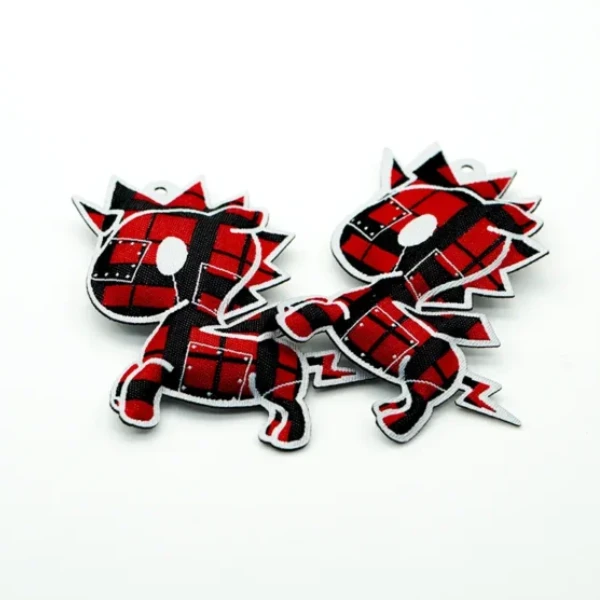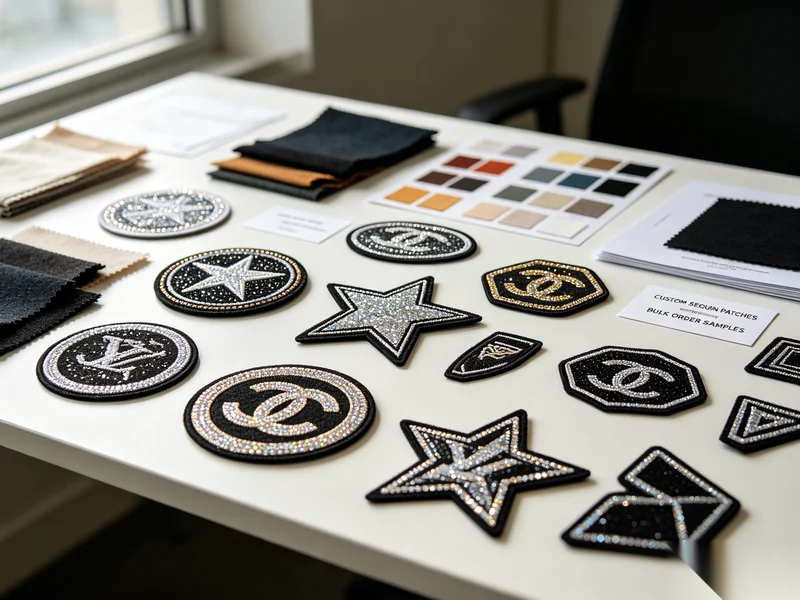
Clothing labels are no longer just functional tags that show size or care instructions. In modern apparel production, clothing label embroidery has become a powerful branding tool that communicates quality, identity, and attention to detail.
For fashion brands, uniform suppliers, and private label manufacturers, embroidered clothing labels help turn ordinary garments into recognizable, premium products.
What Is Clothing Label Embroidery?
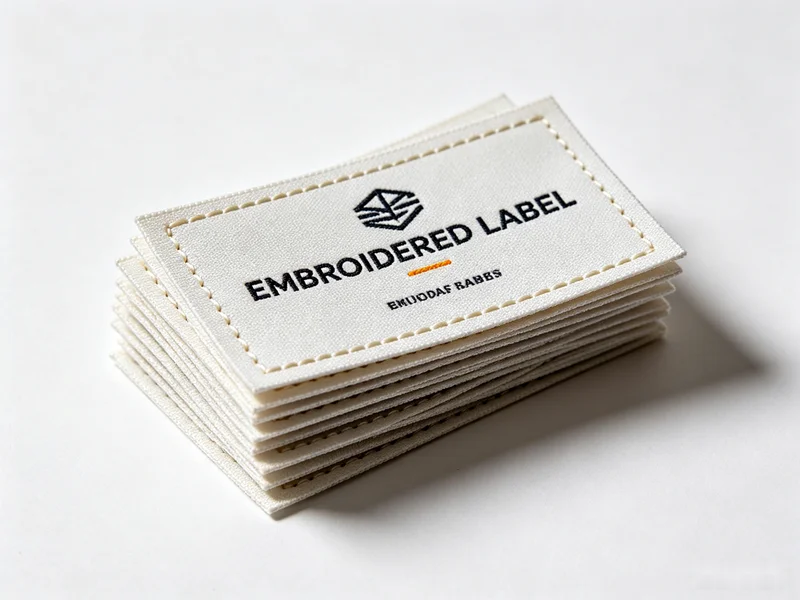
Clothing label embroidery refers to fabric labels where brand names, logos, or design elements are created using stitched thread instead of printing.
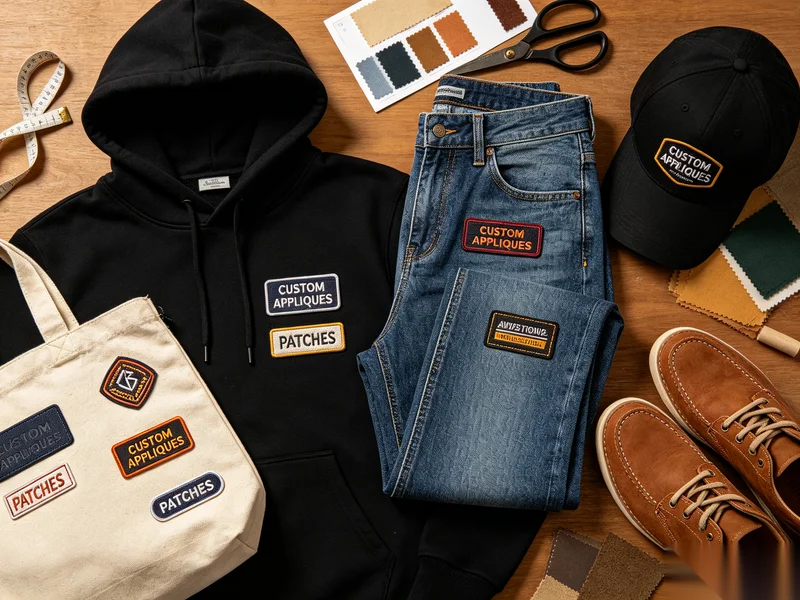
These labels are typically attached to garments such as:
- T-shirts and hoodies
- Jackets and denim
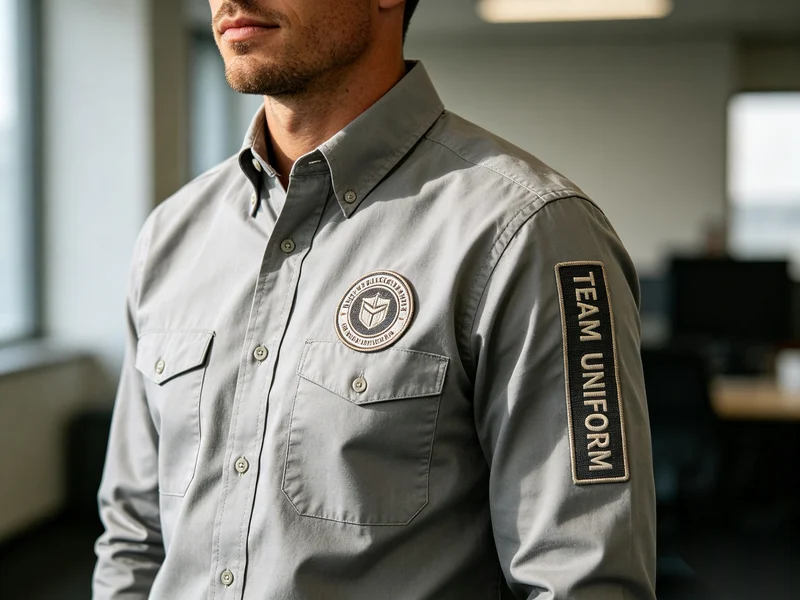
- Sportswear and uniforms
- Workwear and industrial clothing
- Handmade or boutique fashion items
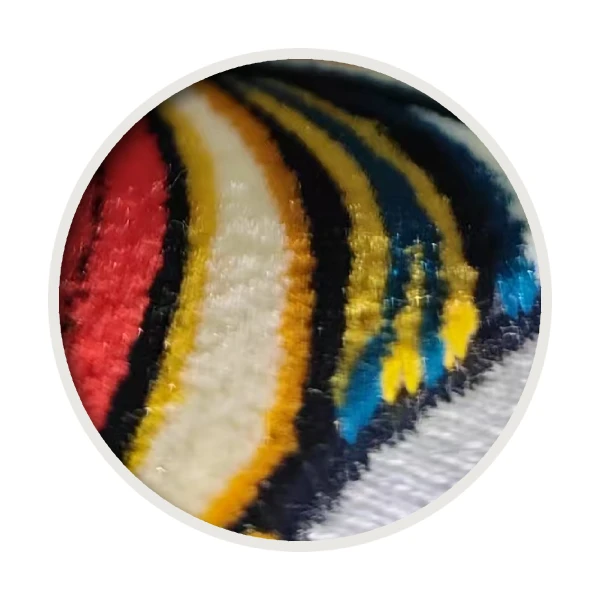
👉 Unlike printed labels, embroidery creates a raised, textured, and long-lasting finish.
Why Brands Choose Embroidered Clothing Labels
✔ Strong Brand Identity
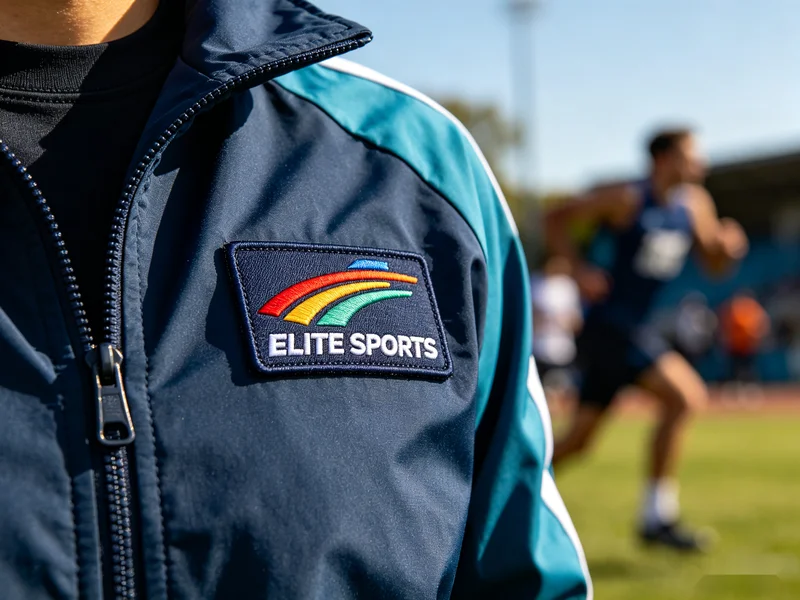
An embroidered label acts as a miniature brand signature.
- Reinforces logo recognition
- Enhances perceived product value
- Creates a premium “branded” look even on basic garments
👉 This is especially important for small fashion brands trying to stand out in competitive markets.
✔ Premium Texture and Visual Appeal
Embroidery adds a tactile dimension that printed labels cannot replicate:
- Raised thread structure
- Rich color depth
- Handmade or crafted appearance
This makes garments feel more high-end and intentional.
✔ High Durability for Real-World Use
Clothing undergoes frequent washing, stretching, and friction.
Embroidered labels are designed to withstand:
- Repeated washing cycles
- High-temperature laundry conditions
- Daily wear and abrasion
👉 This is why they are widely used in uniforms and sportswear.
Types of Clothing Embroidery Labels
1. Woven-Style Embroidered Labels
- Fine detail stitching
- Lightweight and flexible
- Ideal for logos and brand names
2. Twill Base Embroidered Labels
- Most common structure
- Strong and stable fabric foundation
- Suitable for uniforms and streetwear
3. Satin Embroidered Labels
- Smooth and glossy appearance
- Often used in fashion and luxury garments
- More decorative and premium-looking
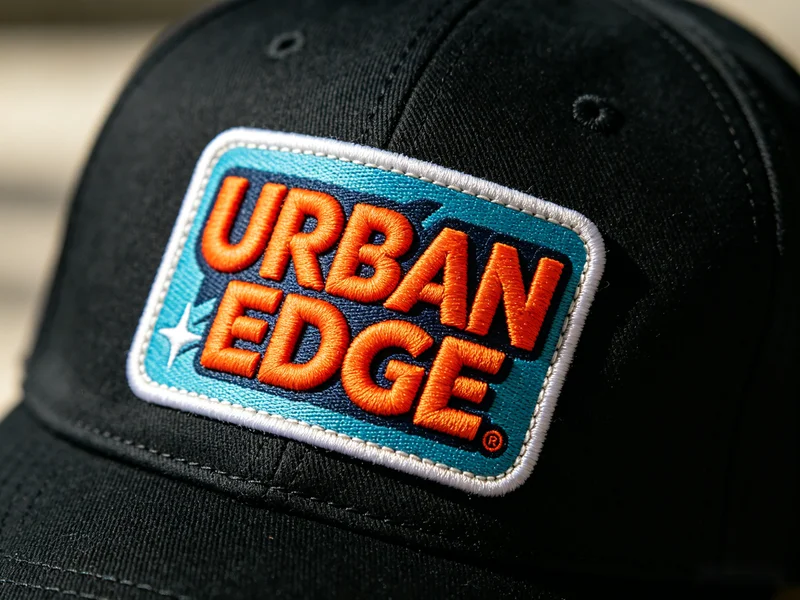
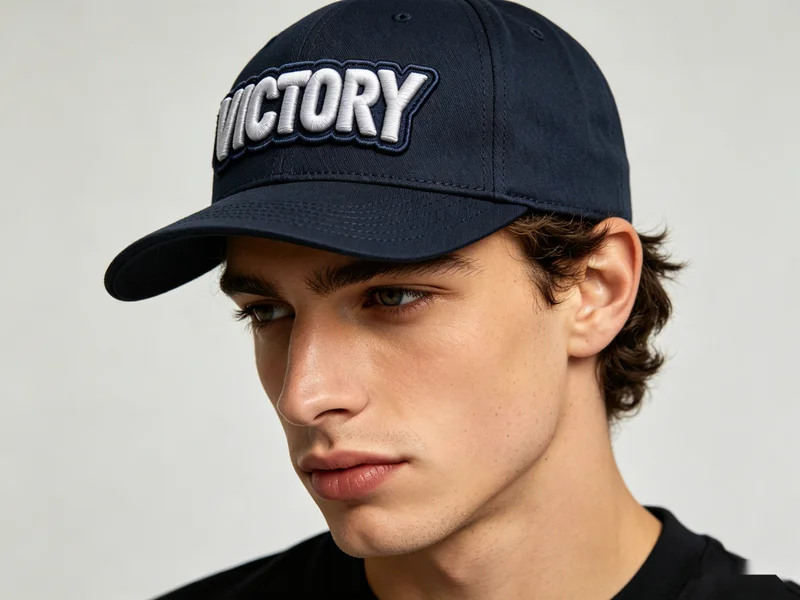
4. 3D Puff Embroidery Labels
- Raised, dimensional effect
- Common in streetwear and caps
- Strong visual impact for branding
Application Methods for Embroidered Clothing Labels
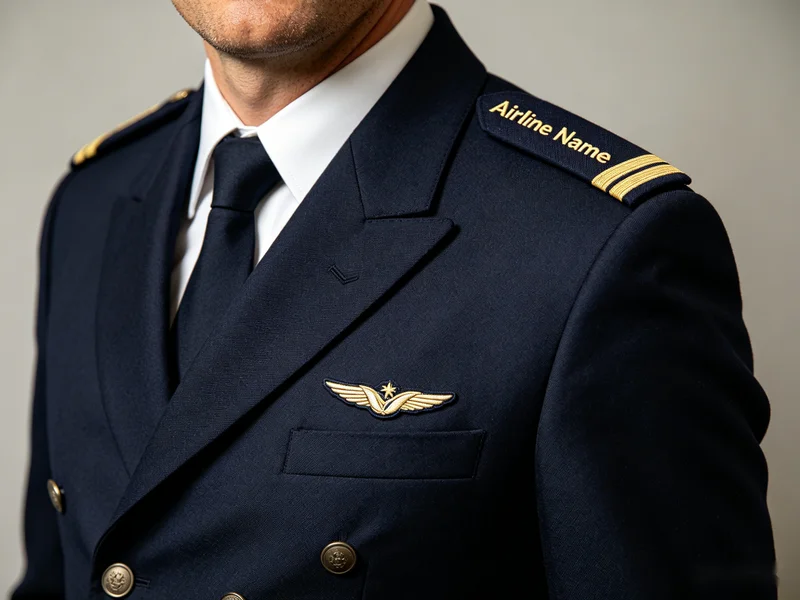
✔ Sew-On Labels (Most Durable)
- Permanently stitched onto garments
- Best for uniforms, workwear, and long-term use
- Highest resistance to washing and wear
✔ Iron-On Labels (Convenient Option)
- Heat-activated adhesive backing
- Quick application without sewing
- Suitable for retail or small batch customization
✔ Heat-Press Labels (Industrial Use)
- Applied using professional equipment
- Fast and consistent for bulk production
- Common in garment factories
Design Considerations for Clothing Label Embroidery
✔ Keep Designs Simple and Clear
- Avoid overly complex graphics
- Prioritize logo readability
✔ Choose Proper Font Weight
- Thick fonts work better for stitching
- Thin fonts may lose detail in production
✔ Limit Color Complexity
- 1–3 thread colors recommended
- Too many colors increase cost and reduce clarity
✔ Match Label Size to Garment Type
- Small labels for T-shirts and inner tags
- Larger labels for jackets and outerwear branding
Common Problems in Clothing Label Embroidery
❌ Logo distortion
Caused by poor digitizing or incorrect stitch density.
❌ Stiff or uncomfortable labels
Often due to excessive backing or dense stitching.
❌ Color mismatch
Occurs when thread selection is not properly matched to brand colors.
❌ Label peeling (iron-on types)
Usually caused by low-quality adhesive or improper heat application.
Clothing Label Embroidery vs Printed Labels
| Feature | Embroidered Labels | Printed Labels |
|---|---|---|
| Appearance | Premium, textured | Flat |
| Durability | High | Medium to low |
| Wash resistance | Excellent | Moderate |
| Brand perception | Strong | Basic |
| Cost | Higher | Lower |
👉 Embroidered labels are preferred when brand positioning matters more than cost savings.
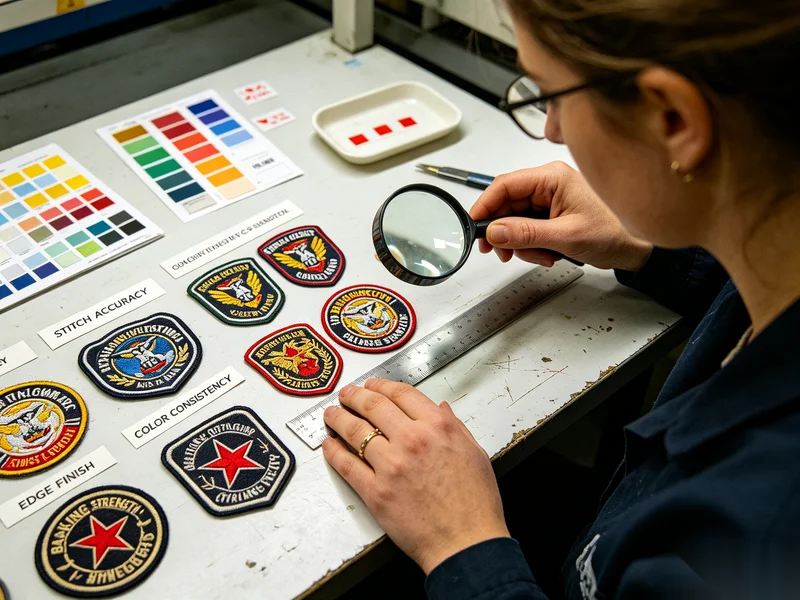
8. Why Manufacturing Quality Matters
The quality of clothing label embroidery depends heavily on manufacturing control, not just design.
Key factors include:
- Digitizing accuracy (stitch file creation)
- Machine calibration and tension control
- Fabric selection (twill, satin, etc.)
- Edge finishing quality
- Batch consistency in mass production
👉 Poor manufacturing leads to inconsistent branding—even with good design files.
BSJ Manufacturing Advantage in Clothing Label Embroidery
With 28 years of professional embroidery manufacturing experience, BSJ provides end-to-end production for custom clothing labels.
Our capabilities include:
- In-house embroidery production lines
- OEM & ODM customization support
- High-precision digitizing services
- Stable bulk production capacity
- Strict quality control across all batches
We support:
- Fashion brands
- Sportswear companies
- Uniform suppliers
- Promotional product distributors
👉 From sample development to large-scale production, we ensure every clothing label maintains consistent brand quality.
Final Thoughts
Clothing label embroidery is more than decoration—it is a branding strategy. It enhances product identity, improves perceived value, and ensures long-term durability across garments.
For brands looking to scale, embroidered labels offer a reliable balance of quality, durability, and premium presentation, making them a core element of modern apparel manufacturing.
About Author
——————————————————————————————————————————————

Alexander
Online Sales Manager
Alexander specialize in digital marketing and understanding customer psychology, providing clients with the right solutions through data insights and creative strategies.
——————————————————————————————————————————————