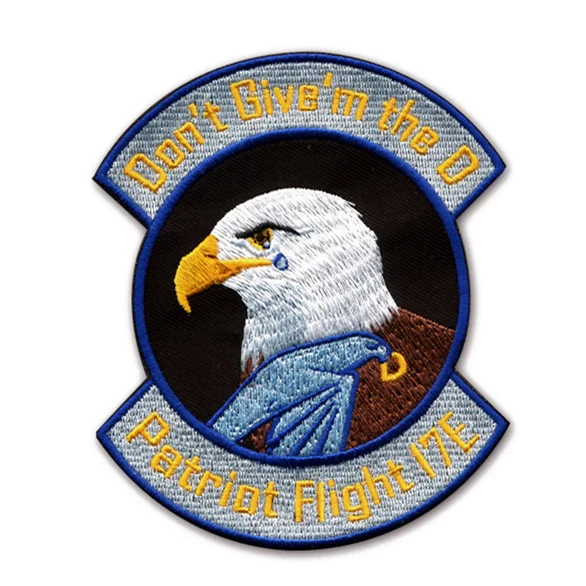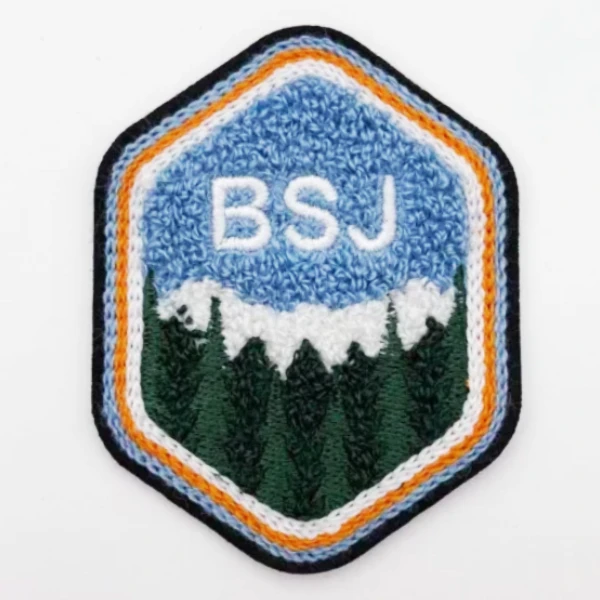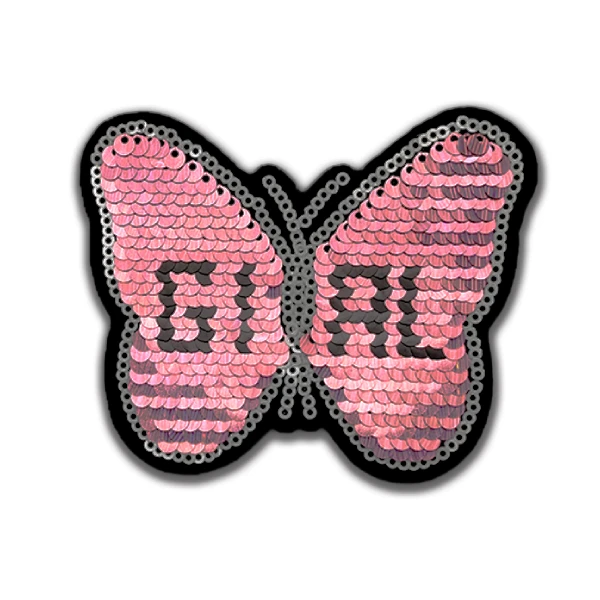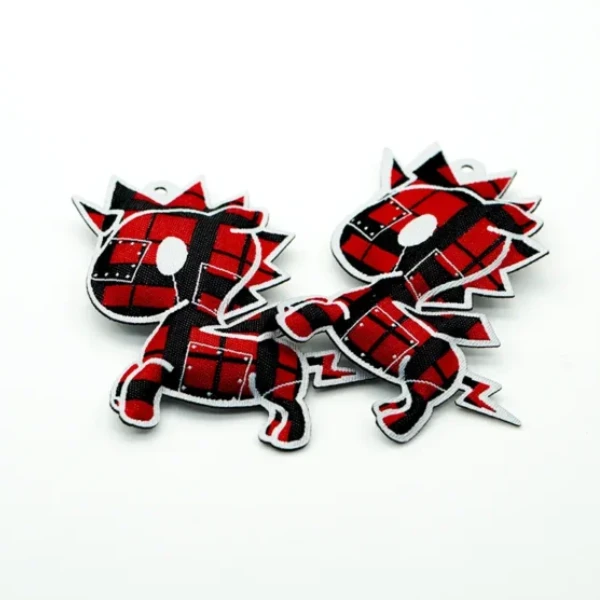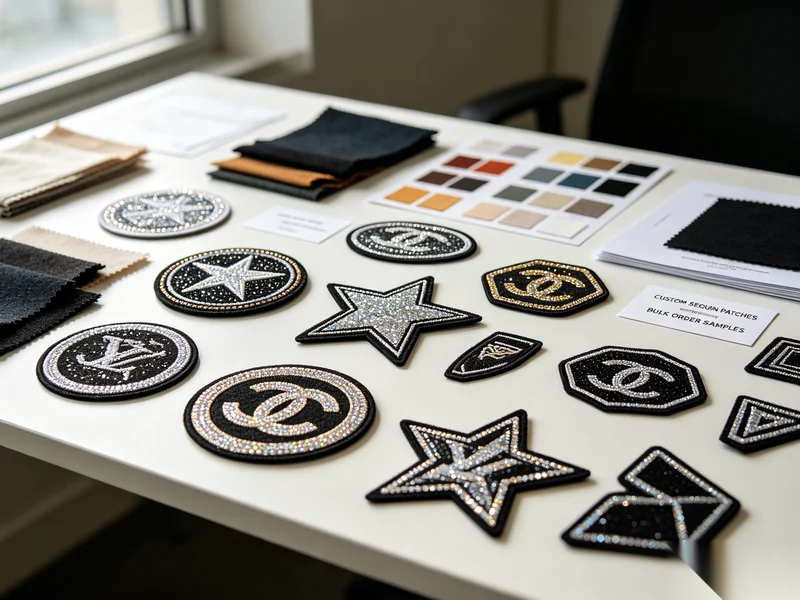
Clothing embroidery patches are decorative or functional embroidered elements applied to garments to enhance branding, storytelling, or visual identity. For apparel brands and uniform designers, embroidery patches offer a flexible way to add personality, structure, and long-term value across different clothing categories.
What Are Clothing Embroidery Patches?
Clothing embroidery patches are pre-made embroidered designs that can be attached to garments such as jackets, shirts, jeans, hats, and uniforms. Unlike direct embroidery on finished garments, patches allow designers to experiment with layouts, placements, and collections before final assembly.
For B2B buyers, they provide design flexibility, scalability, and consistency across product lines.

Why Clothing Brands Use Embroidery Patches
Embroidery patches have become a core design element in modern apparel—not just an accessory.
Brands choose clothing embroidery patches because they:
- elevate garment visual impact
- create recognizable brand language
- allow modular and seasonal designs
- simplify updates across collections
- work across multiple garment types
Patches turn standard clothing into signature products.
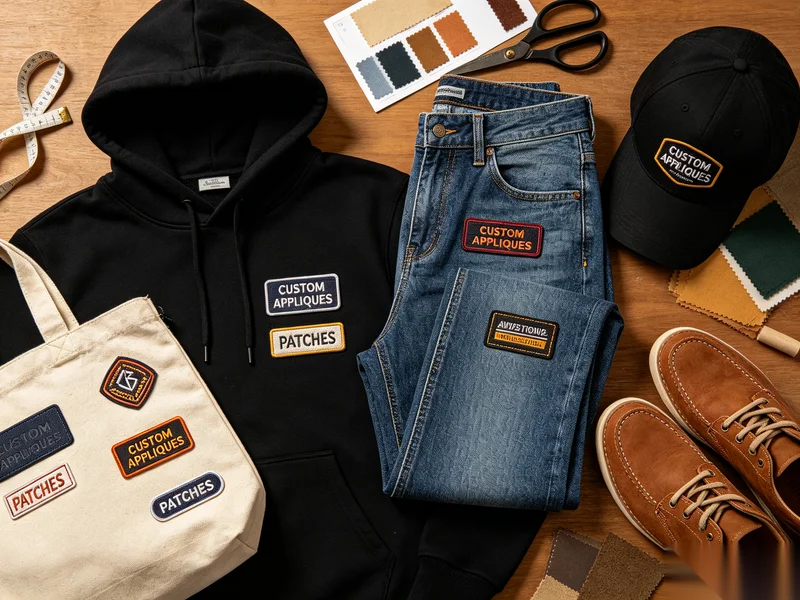
Popular Apparel Categories Using Clothing Embroidery Patches
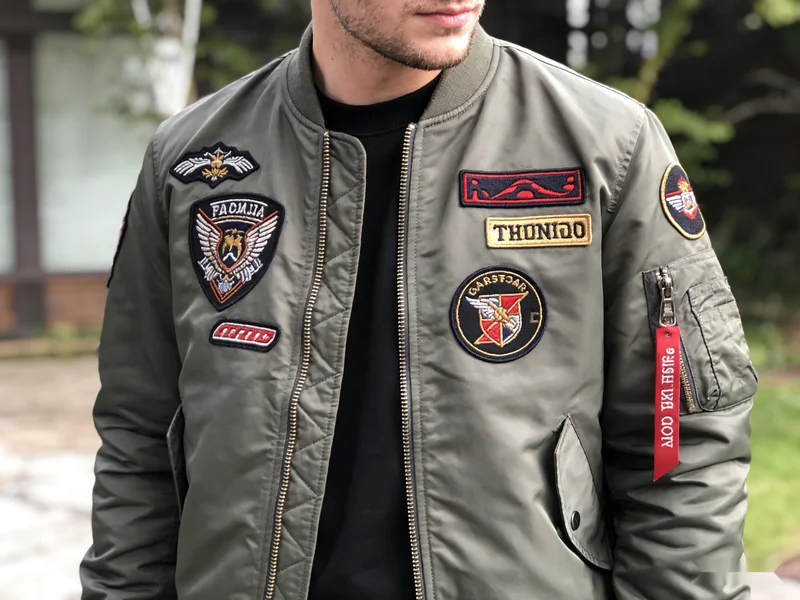
Jackets & Outerwear
Bomber jackets, varsity jackets, denim jackets, and workwear frequently feature patches on:
- chest panels
- sleeves
- back panels
Large or statement patches often define the garment’s identity.
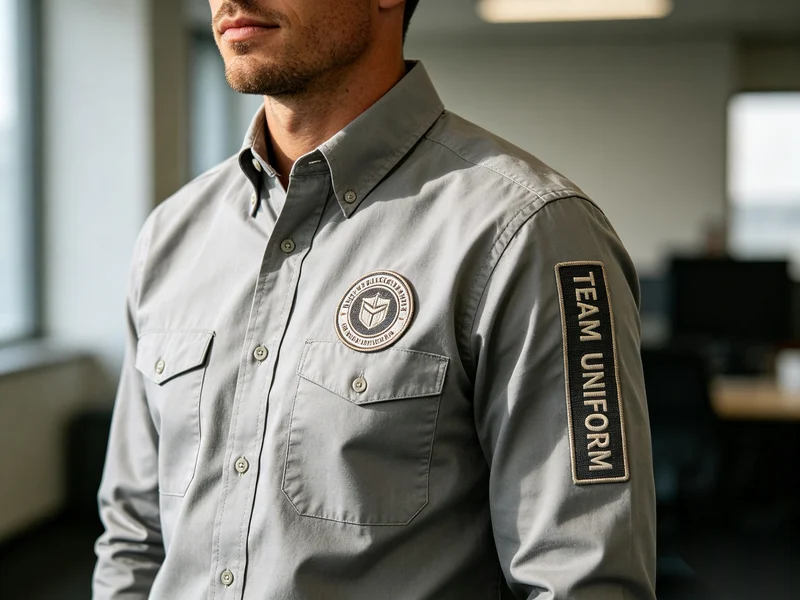
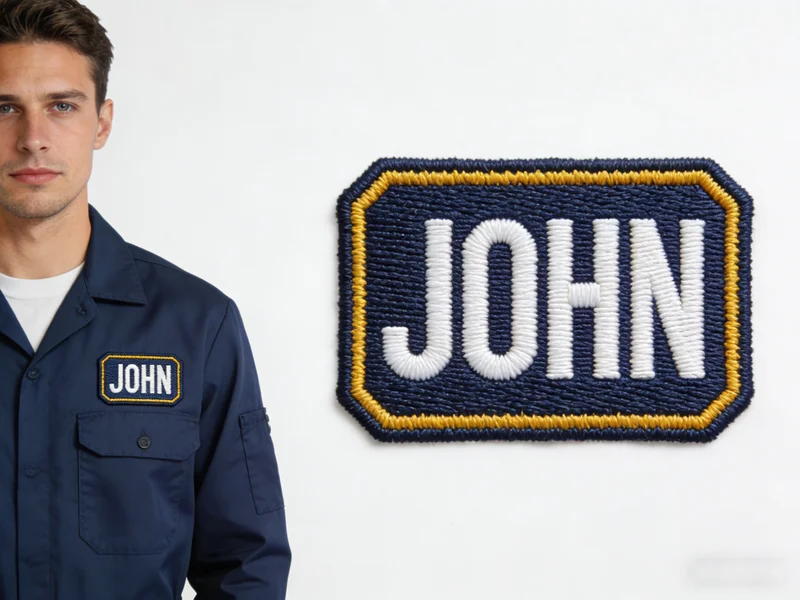
Shirts & Workwear
Shirts and uniforms use patches to add:
- name identifiers
- role or department markers
- logo elements
Placement is usually subtle but purposeful.
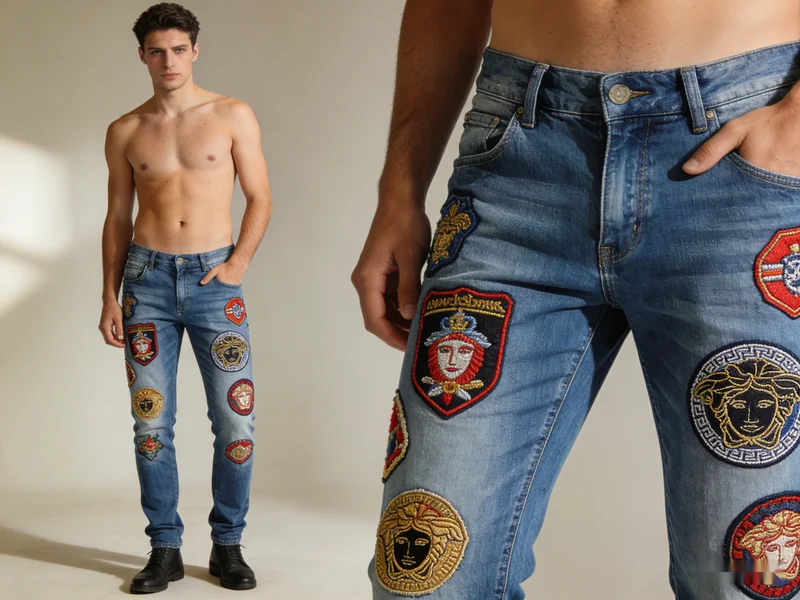
Jeans & Denim
Denim pairs naturally with embroidery.
Common patch placements include:
- back pockets
- thigh panels
- waistbands
Patches help denim brands add narrative and texture.
Hats & Accessories
Small embroidered patches are widely used on:
- caps
- beanies
- bags
They create brand visibility without overwhelming the product.

Design Styles for Clothing Embroidery Patches
Minimal Logo Patches
Clean typography or simple symbols designed for everyday wear.
Illustrated Character Patches
Mascots, animals, or illustrated icons used for lifestyle brands.
Vintage-Inspired Designs
Retro fonts, distressed outlines, and heritage motifs.
Badge & Emblem Styles
Structured shapes like circles, shields, or crests—especially popular for uniforms and clubs.
Text-Based Patches
Names, slogans, or location references that personalize garments.
Design style should always match brand positioning.
How Clothing Embroidery Patches Support Brand Storytelling
Patches allow brands to break their story into visual chapters.
For example:
- one patch represents brand origin
- another highlights a seasonal theme
- limited patches mark collaborations or events
This modular storytelling approach is difficult to achieve with direct embroidery alone.
Placement Ideas for Clothing Embroidery Patches
Chest Placement
Ideal for brand logos and identity patches.
Sleeve Placement
Great for secondary graphics or symbolic elements.
Back Placement
Used for bold storytelling or statement visuals.
Pocket & Detail Areas
Small patches add surprise and depth.
Designers should always consider garment seams and wear zones.
Design Considerations for Apparel Designers
Scale & Proportion
Patches must match garment size and silhouette.
Visual Hierarchy
Primary patches should stand out; secondary patches should support.
Consistency Across SKUs
Using the same patch across different garments strengthens brand recognition.
Target Audience
Youth, workwear, fashion, or uniform audiences respond differently to patch styles.
Good design aligns with real-world use.
Clothing Embroidery Patches vs Direct Garment Embroidery
| Aspect | Embroidery Patches | Direct Embroidery |
|---|---|---|
| Design flexibility | High | Limited |
| Garment compatibility | Broad | Fabric-dependent |
| Seasonal updates | Easy | Difficult |
| Replacement | Possible | Not possible |
| Visual depth | Strong | Moderate |
Patches give brands more creative control.
Use Cases for B2B Buyers
Fashion Brands
Create capsule collections using themed patch sets.
Uniform Programs
Standardize identity across teams while allowing personalization.
Sports & Clubs
Use patches to represent membership, achievements, or seasons.
Merchandise & Licensing
Offer collectible or limited-edition patch designs.
Embroidery patches scale well for organized production.
Common Mistakes to Avoid
Overcrowding the Garment
Too many patches reduce clarity.
Ignoring Placement During Design
Patch design must anticipate where it will be worn.
Inconsistent Visual Language
Mismatched styles weaken brand identity.
Designing Too Small
Fine details may lose clarity at small sizes.
Thoughtful planning prevents costly revisions.
Design Inspiration Trends in Clothing Embroidery Patches
Current trends include:
- simplified, flat embroidery styles
- bold outlines and reduced color palettes
- nostalgic and retro references
- symbolic rather than literal graphics
These trends balance clarity with creativity.
FAQ: Clothing Embroidery Patches
Q: Are clothing embroidery patches suitable for all garments?
Yes, they work across most apparel categories when designed appropriately.
Q: Can one patch design be used on multiple products?
Absolutely—this is a major advantage for brands.
Q: Are patches better for seasonal collections?
Yes, they allow quick updates without redesigning entire garments.
Q: Do embroidery patches affect garment durability?
When properly applied, they are highly durable.
Conclusion
Clothing embroidery patches are more than decorative elements—they are strategic design tools for modern apparel brands. By offering flexibility, consistency, and strong visual storytelling, patches help B2B buyers and designers build cohesive collections across jackets, shirts, denim, and accessories.
For apparel designers, focusing on design inspiration, placement strategy, and brand alignment ensures embroidery patches enhance garments rather than overwhelm them. When planned thoughtfully, clothing embroidery patches become lasting symbols of identity, creativity, and craftsmanship.
About Author
——————————————————————————————————————————————

Alexander
Online Sales Manager
Alexander specialize in digital marketing and understanding customer psychology, providing clients with the right solutions through data insights and creative strategies.
——————————————————————————————————————————————