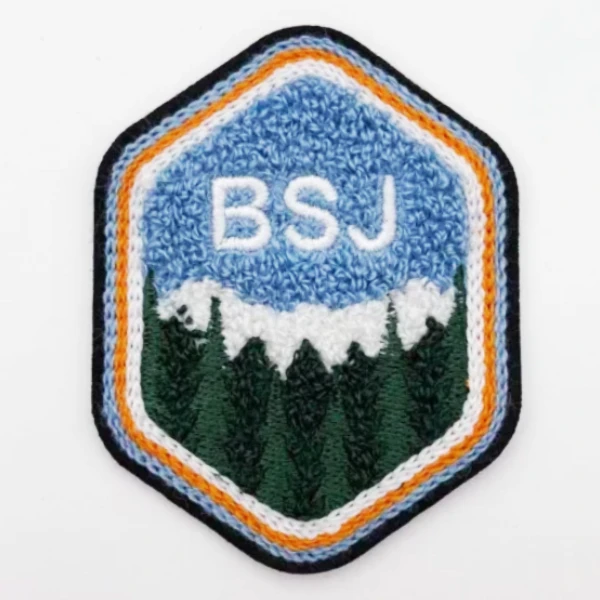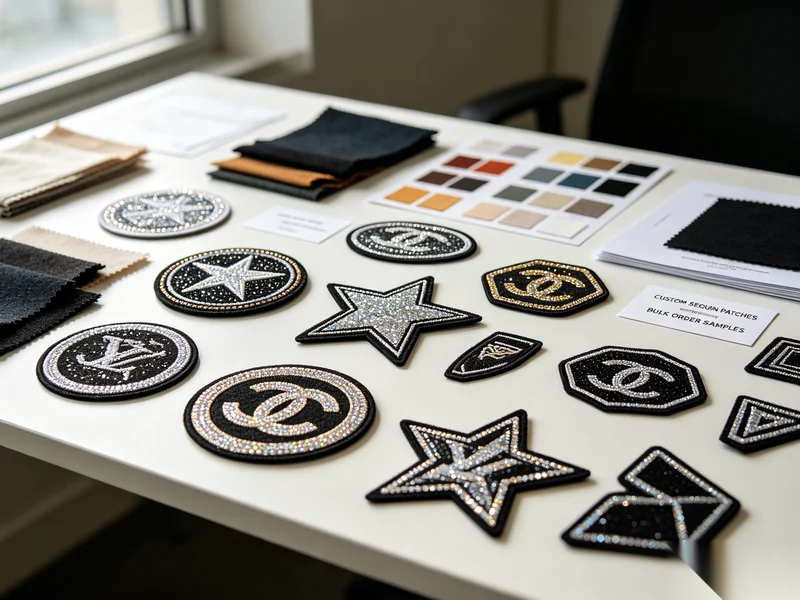
If you’re working with varsity jackets, hoodies, or collegiate apparel, you’ve likely come across chenille patches. A common question many customers ask is: can you heat press chenille patches?
The short answer is yes—but with important conditions. In this guide, we’ll explain when heat pressing chenille patches works, when it doesn’t, and how to get the best results without damaging your patch or garment.
What Are Chenille Patches?
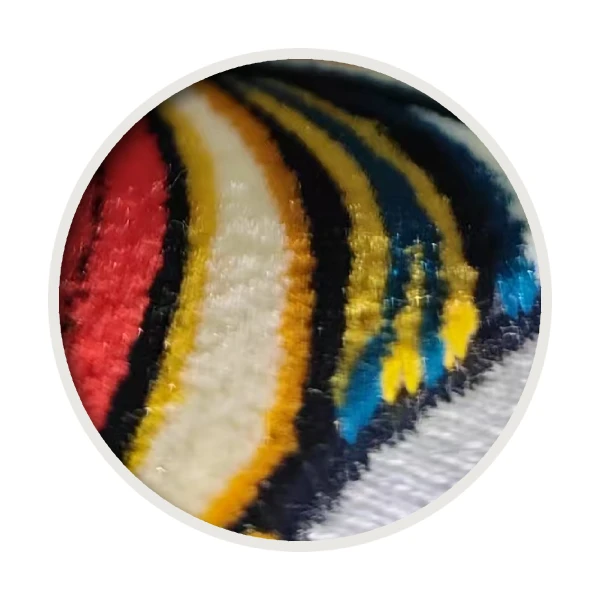
Chenille patches are known for their:
- Soft, fuzzy texture
- Raised, towel-like surface
- Bold, retro and collegiate style
They are commonly used for:
- Varsity and letterman jackets
- Hoodies and sweatshirts
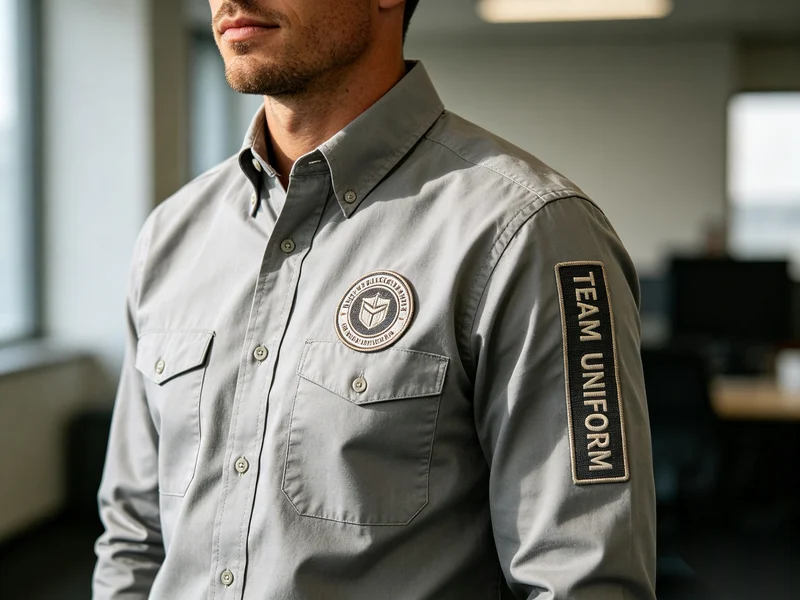
- Team uniforms
- School and club apparel
Because chenille patches are thicker than standard embroidered patches, application methods matter.
Can You Heat Press Chenille Patches?
Yes, chenille patches can be heat pressed, but only if they are made with a heat-activated backing and applied correctly.
When Heat Pressing Works
Heat pressing chenille patches is suitable when:
- The patch has iron-on / heat press backing
- The garment fabric can withstand heat
- Proper temperature, pressure, and time are used
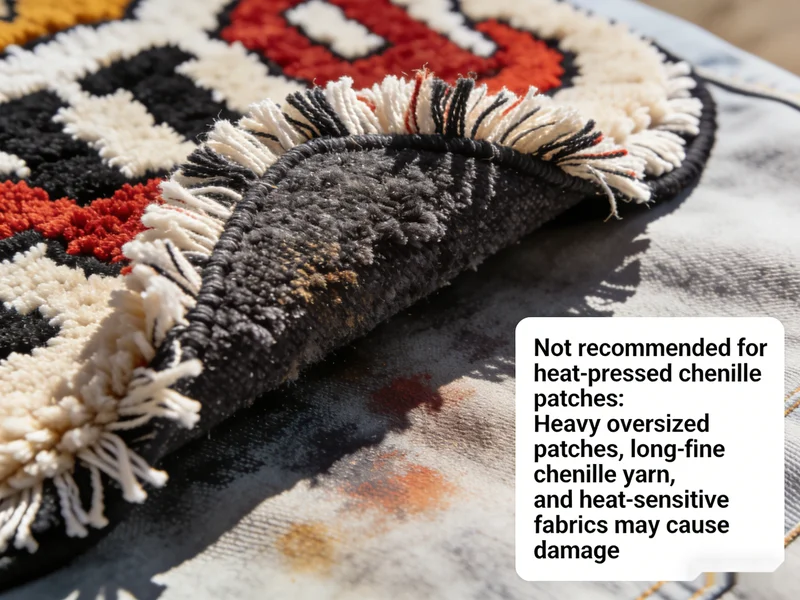
When Heat Pressing Is NOT Recommended
Heat pressing may not be ideal if:
- The patch is very thick or oversized
- The chenille yarn is long-pile and delicate
- The garment fabric is heat-sensitive
- Long-term durability is required (e.g. professional sportswear)
In these cases, sewing or combined heat press + stitching is recommended.
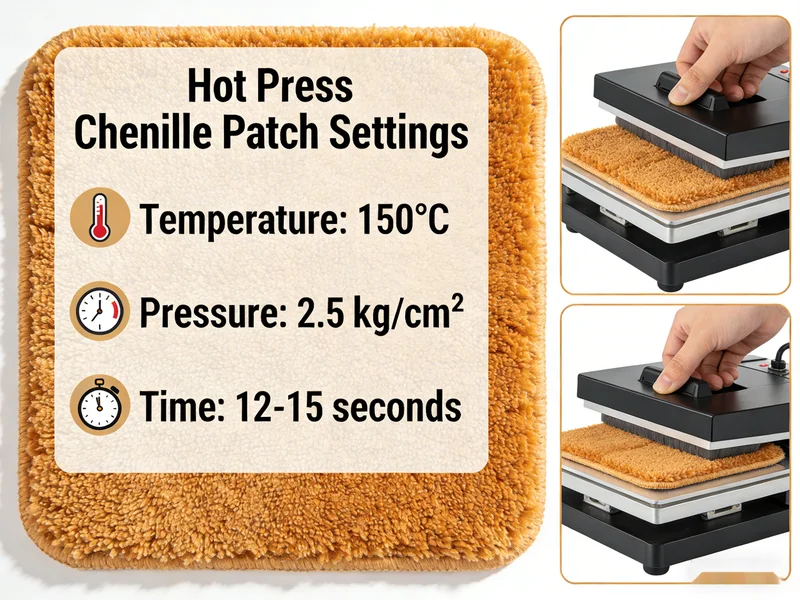
Recommended Heat Press Settings for Chenille Patches
While exact settings depend on materials, general guidelines include:
- Temperature: Medium heat (avoid excessive heat)
- Pressure: Firm but not extreme
- Time: Short press durations with testing
- Protective Layer: Always use a Teflon sheet or pressing cloth
Never apply heat directly to the chenille surface without protection.

Best Practices for Heat Pressing Chenille Patches
1. Press from the Back When Possible
If garment construction allows, applying heat from the reverse side helps protect the chenille texture.
2. Use a Flat, Stable Heat Press
Handheld irons often provide uneven heat and pressure, increasing the risk of damage.
3. Test Before Mass Application
Always test one patch on a sample garment to confirm adhesion and appearance.
4. Combine with Stitching for Durability
For jackets, sportswear, or frequent washing, heat press first, then add stitching for extra security.

Heat Press vs Sew-On for Chenille Patches
| Application Method | Pros | Cons |
|---|---|---|
| Heat Press | Fast, clean, no needle marks | Less durable if not done properly |
| Sew-On | Extremely durable | More labor-intensive |
| Heat Press + Sew | Best of both worlds | Higher production cost |
Common Garments Suitable for Heat-Pressed Chenille Patches
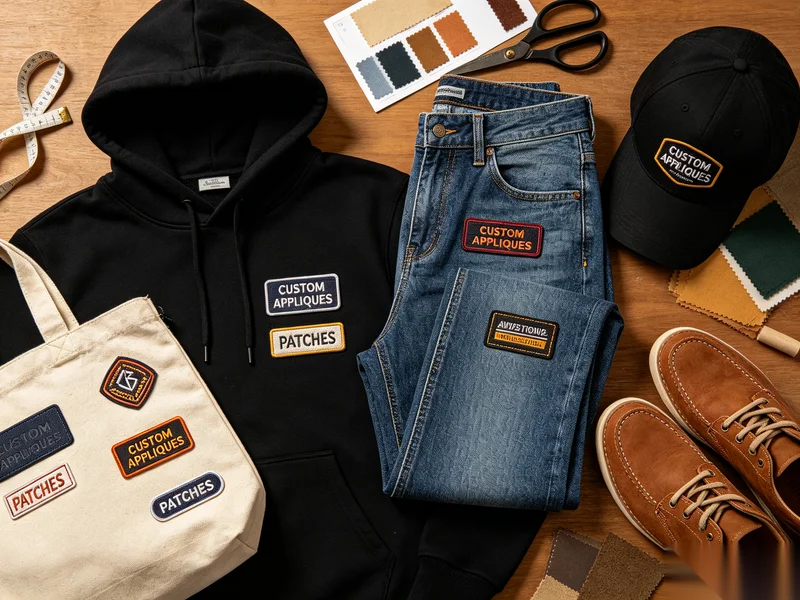
- Hoodies and sweatshirts
- Varsity jackets (with caution)
- Fleece and cotton blends
- Thick knit fabrics
Avoid thin, delicate, or heat-sensitive materials.

Professional Chenille Patch Manufacturing Matters
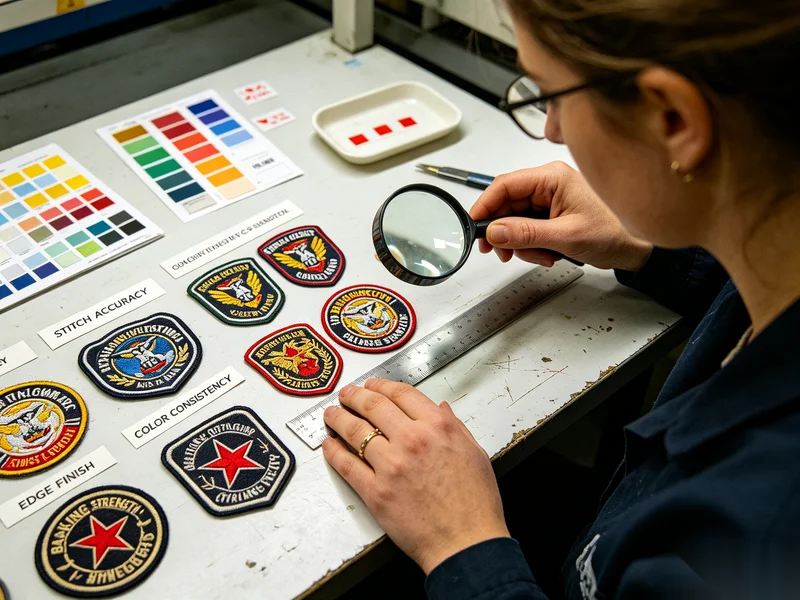
Not all chenille patches are designed for heat pressing. A professional manufacturer will:
- Use high-quality heat-activated adhesive
- Control chenille pile height and density
- Recommend proper application methods
- Test adhesion and wash durability
Well-made patches significantly reduce application issues.
Conclusion
So, can you heat press chenille patches?
Yes—when they are properly made and applied correctly. However, for thick, premium, or long-term use garments, combining heat pressing with stitching is often the safest solution.
Choosing the right backing and working with an experienced manufacturer ensures your chenille patches look great and last.
About Author
——————————————————————————————————————————————

Alexander
Online Sales Manager
Alexander specialize in digital marketing and understanding customer psychology, providing clients with the right solutions through data insights and creative strategies.
——————————————————————————————————————————————