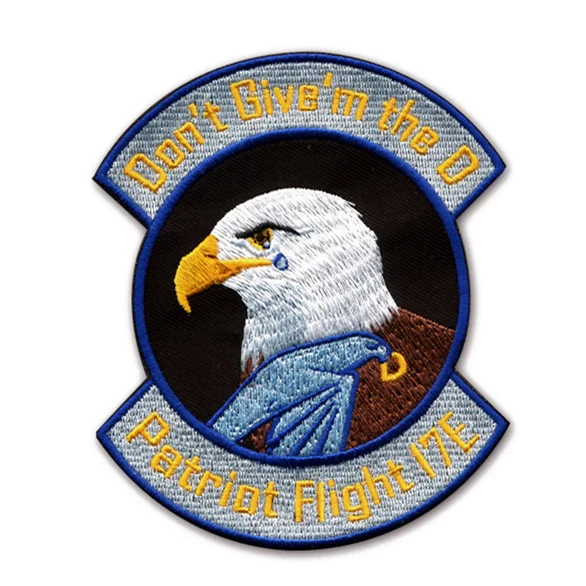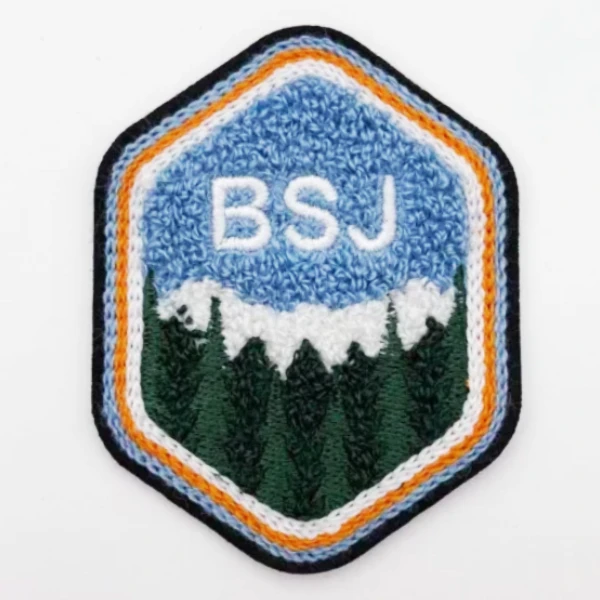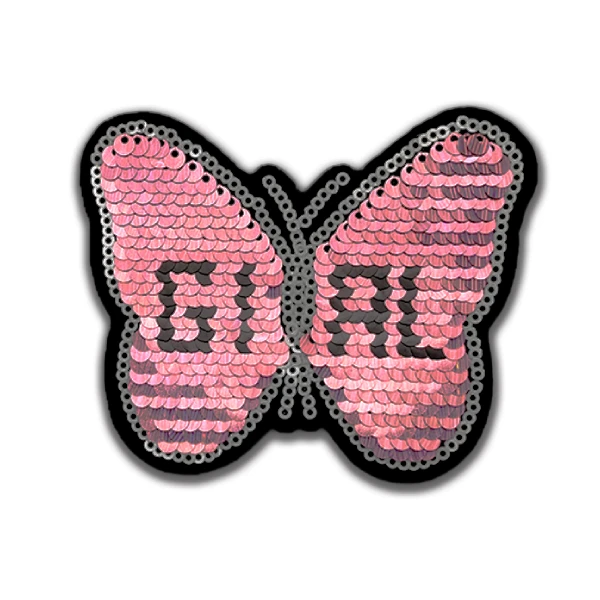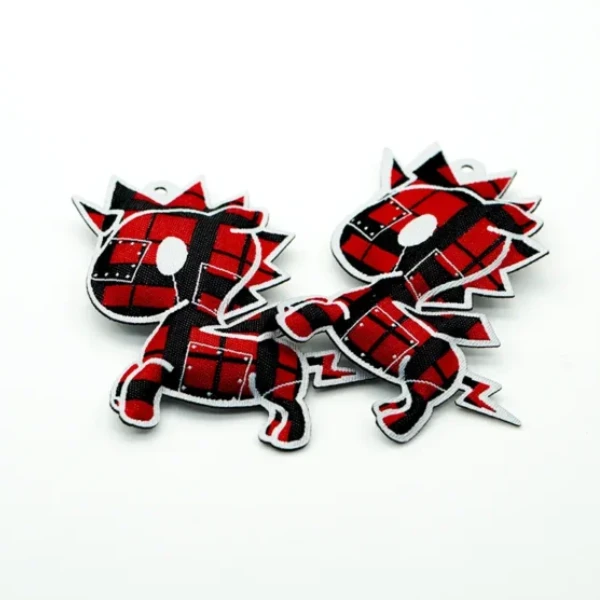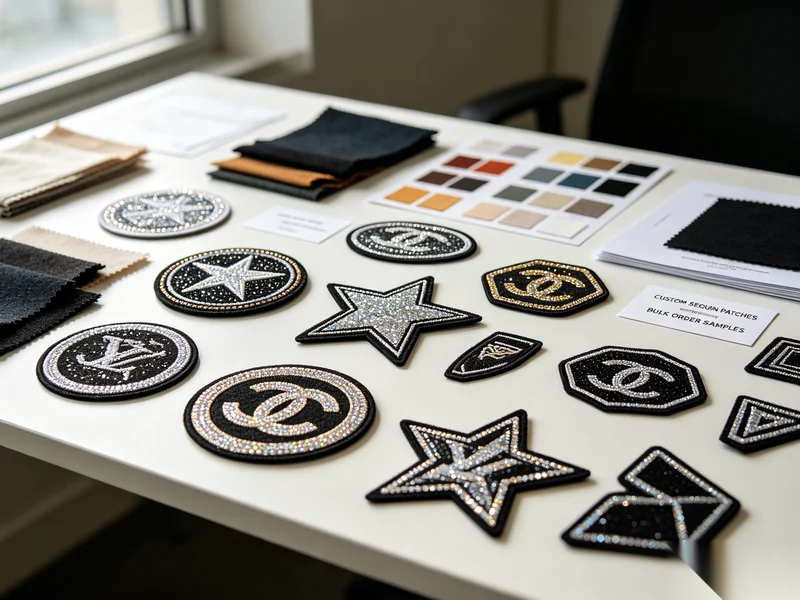
Embroidery labels designs are customized textile branding elements created with stitched patterns, logos, and decorative details. They help apparel, footwear, and accessory manufacturers enhance product identity with durable and premium-looking labels. Custom embroidery labels combine creativity, texture, and functionality for professional B2B branding solutions.
What Are Embroidery Labels Designs?
Embroidery labels designs refer to customized label patterns created through embroidery techniques, where threads are stitched onto fabric surfaces to form logos, symbols, text, and decorative graphics.
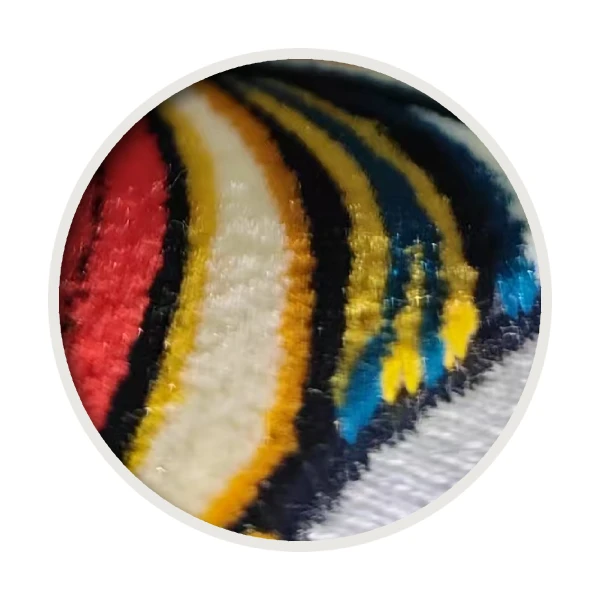
Unlike printed labels that rely on ink, embroidery uses thread to create a raised and textured appearance. This gives brands a more premium visual effect and a stronger tactile experience.
For clothing manufacturers, fashion brands, and textile companies, embroidery labels designs are commonly used to communicate:
- Brand logos
- Product identity
- Decorative elements
- Collection information
- Special messages
A well-designed embroidered label can transform a basic garment into a recognizable branded product.
Quick overview: Benefits of embroidery labels designs
| Feature | Benefit for B2B Brands |
|---|---|
| Raised thread texture | Creates a premium and three-dimensional appearance |
| Strong durability | Suitable for long-term use and repeated washing |
| Custom designs | Supports unique logos and brand concepts |
| Versatile applications | Used for clothing, bags, shoes, and accessories |
| High visual impact | Improves product recognition |
For companies looking for distinctive branding solutions, choosing the right embroidery labels designs can create significant value throughout the product lifecycle.
Why Are Embroidery Labels Designs Important for Apparel Brands?
In the competitive fashion and textile market, product differentiation has become increasingly important. Many brands use similar fabrics, colors, and styles, making branding details a key factor in customer recognition.
Embroidery labels provide a direct way to showcase brand personality.
1. They create a premium product appearance
Embroidery has a natural handcrafted feeling that communicates quality and attention to detail.
Luxury brands, streetwear companies, outdoor brands, and independent designers often choose embroidered clothing labels because they create a stronger visual impression than ordinary printed solutions.
The raised texture of embroidery helps products appear:
- More valuable
- More professional
- More unique
- More memorable
2. They improve brand recognition
A recognizable logo is one of the most valuable assets for a brand.
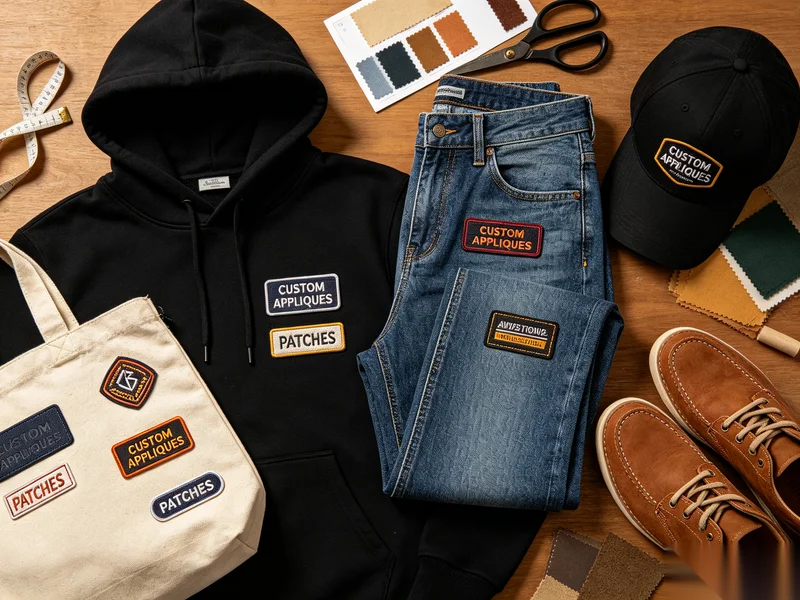
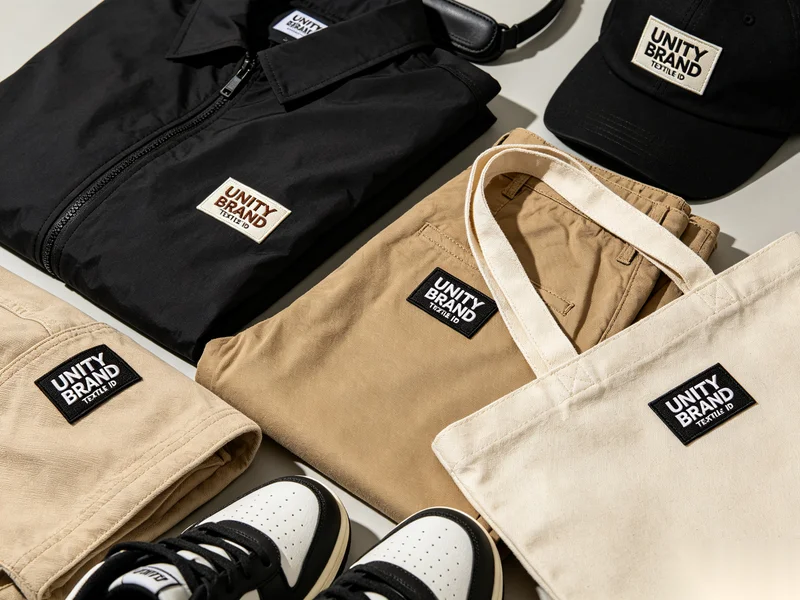
Custom embroidery labels allow companies to display their identity consistently across different products, including:
- Jackets
- Hoodies
- T-shirts
- Hats
- Bags
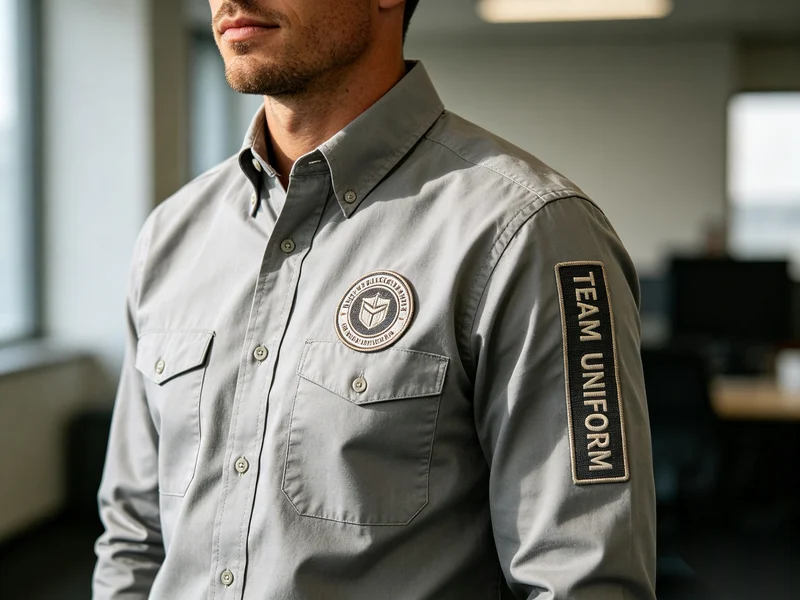
- Uniforms
- Workwear
When customers repeatedly see the same embroidery style, it helps build stronger brand awareness.
3. They offer excellent durability
For manufacturers, durability is a critical consideration.
High-quality embroidery labels can maintain:
- Clear stitching details
- Stable colors
- Strong structure
- Long-lasting appearance
This makes them suitable for products that experience frequent use and washing.
How Are Custom Embroidery Labels Designed and Manufactured?
Creating professional embroidery labels designs requires careful planning from concept to production.
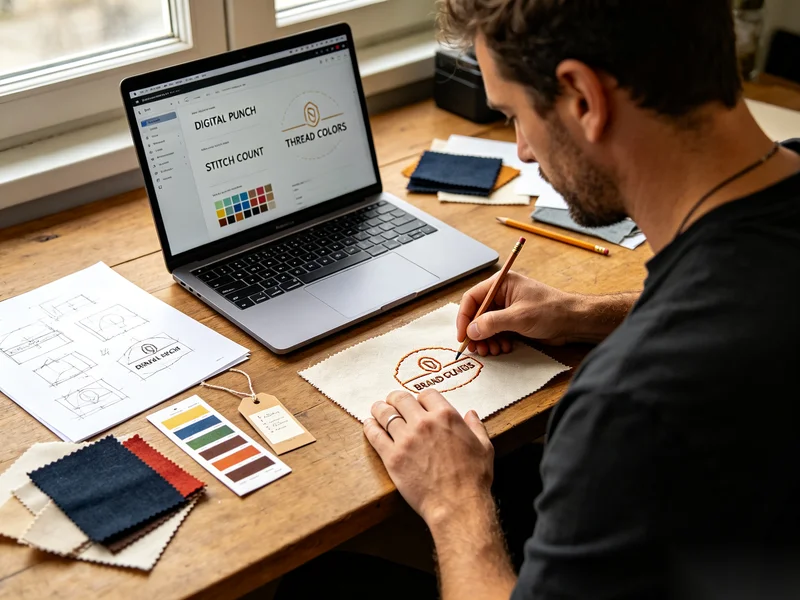
Step 1: Design preparation
The process begins with converting the brand artwork into an embroidery-ready format.
Manufacturers evaluate:
- Logo complexity
- Stitch direction
- Thread colors
- Label size
- Fabric background
- Border requirements
Not every graphic design works perfectly for embroidery. Small details may need adjustment to ensure clear results.
Experienced suppliers help optimize designs while maintaining the original brand concept.
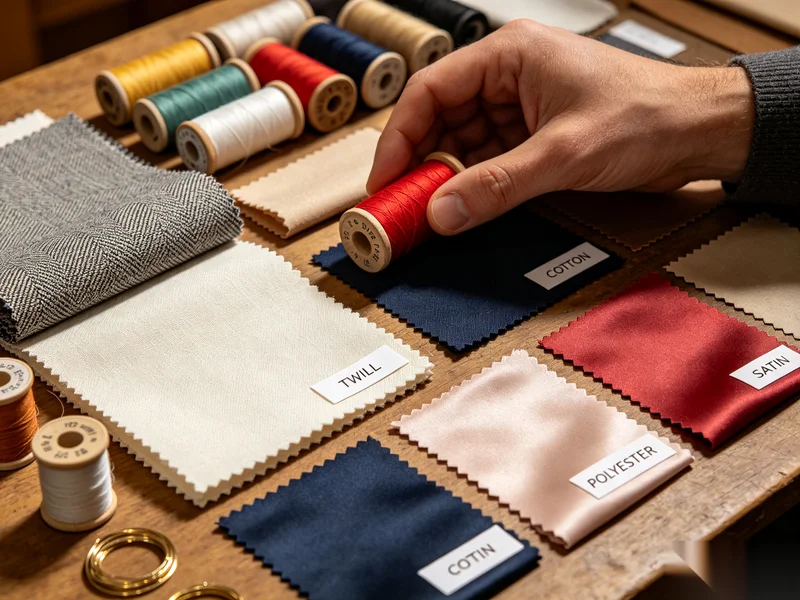
Step 2: Selecting materials and thread colors
Material selection directly affects the final appearance of embroidered labels.
Common options include:
- Twill fabric
- Cotton fabric
- Polyester fabric
- Satin fabric
Thread selection also plays an important role in creating the desired effect.
Brands can choose:
- Standard colors
- Metallic threads
- Special effect threads
- High-contrast combinations
The right material and color combination helps create attractive and durable embroidery labels designs.
Step 3: Embroidery production
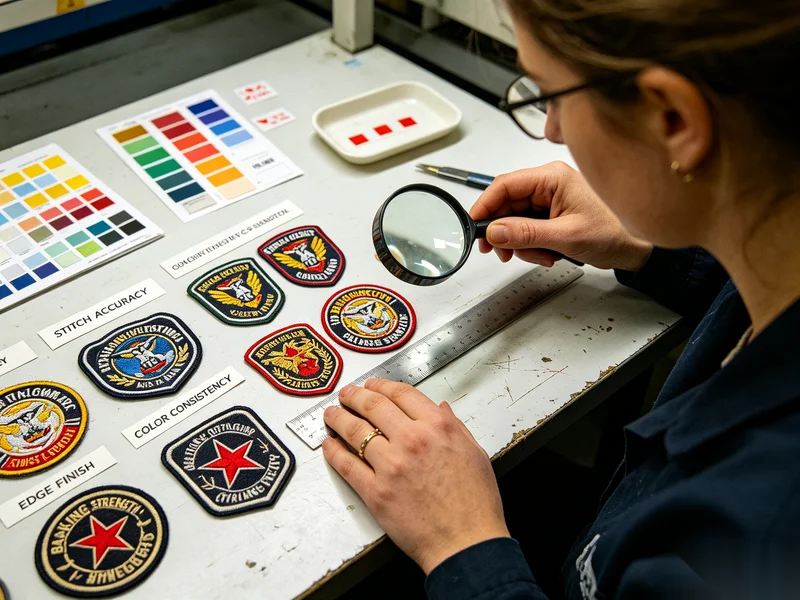
During production, embroidery machines create the design by stitching threads onto the selected fabric.
The production process focuses on:
- Stitch density
- Pattern accuracy
- Edge quality
- Color consistency
Modern embroidery technology allows manufacturers to produce detailed designs while maintaining production efficiency.
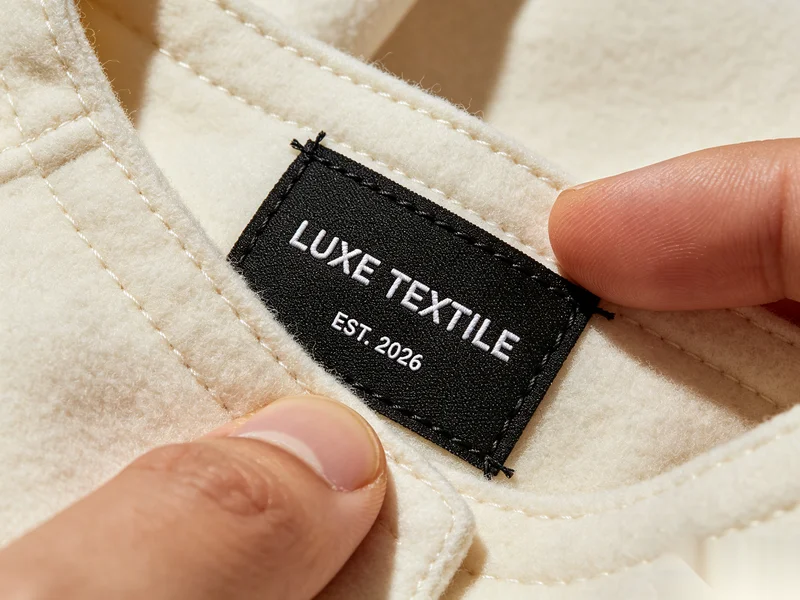
Step 4: Cutting and finishing
After embroidery is completed, labels are processed according to customer requirements.
Common finishing options include:
- Sew-on backing
- Iron-on backing
- Adhesive backing
- Velcro backing
- Heat transfer application
Different attachment methods allow brands to use embroidered labels on different products.
What Types of Embroidery Labels Designs Are Popular for Brands?
Different industries use different embroidery styles based on product positioning and customer expectations.
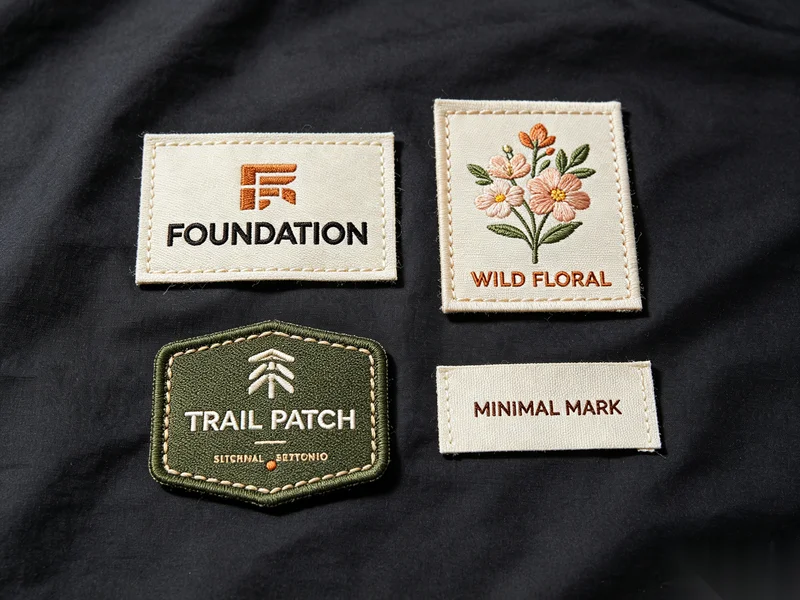
1. Logo embroidery labels
Logo-based designs are the most common type. They allow brands to display their identity directly on products.
Common applications:
- Fashion brands
- Sportswear companies
- Corporate uniforms
- Promotional products
2. Decorative embroidered labels
Some brands use embroidery mainly for visual enhancement.
Popular design elements include:
- Floral patterns
- Animal graphics
- Vintage symbols
- Artistic illustrations
- Special typography
These designs are widely used in fashion and lifestyle products.
3. Embroidered patch-style labels
Many companies combine embroidery techniques with patch formats.
These embroidered patches designs are popular in:
- Streetwear
- Outdoor clothing
- Motorcycle apparel
- Military-style products
- Sports clothing
They provide both branding and decorative functions.
4. Minimalist embroidery designs
Modern brands often prefer clean and simple designs.
Minimal embroidery focuses on:
- Small logos
- Simple icons
- Single-color stitching
- Elegant placement
This style is especially popular among premium fashion companies.
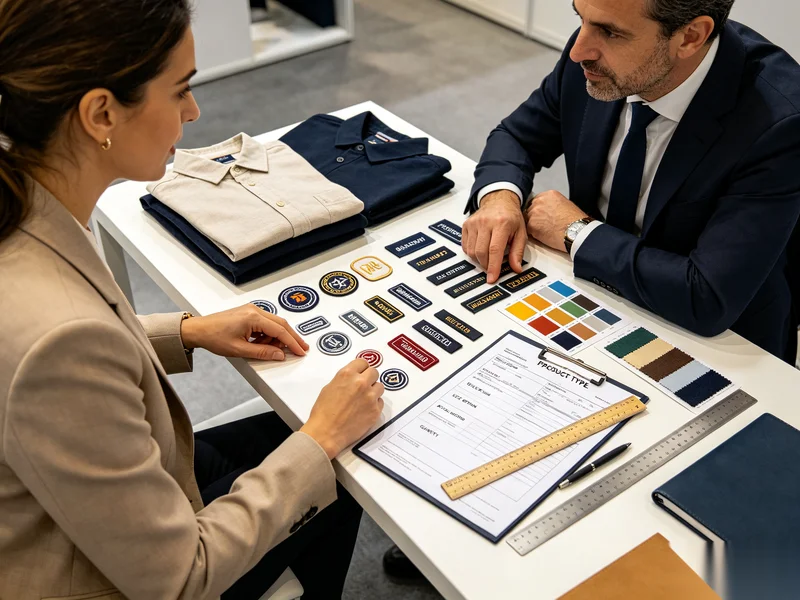
How Should B2B Buyers Choose the Right Embroidery Labels Designs?
Choosing the right embroidery design requires balancing appearance, production requirements, and product application.
Consider the product type
Different products require different label approaches.
For example:
- Soft clothing may need lightweight embroidery labels
- Outdoor products may require stronger backing
- Accessories may use larger visible designs
Consider the design complexity
Highly detailed artwork may require:
- Larger label sizes
- More embroidery stitches
- Professional design adjustment
Simple designs usually achieve clearer results and more cost-efficient production.
Consider the attachment method
The application method affects usability.
Common options include:
- Sewing
- Ironing
- Heat pressing
- Hook and loop attachment
Brands should select the method based on how the product will be used.
Consider production quantity
For wholesale orders, businesses should consider:
- Minimum order quantity
- Production capacity
- Delivery schedule
- Repeat order capability
A reliable supplier can provide consistent embroidery quality for large-scale production.
Can Embroidery Labels Designs Be Customized for Different Industries?
Yes. Embroidery labels designs can be customized for a wide range of industries.
Common applications include:
| Industry | Common Uses |
|---|---|
| Apparel | Brand logos and garment labels |
| Footwear | Decorative branding elements |
| Bags | Premium logo applications |
| Sportswear | Team and performance branding |
| Workwear | Company identification |
| Outdoor products | Durable decorative patches |
Because embroidery is flexible and durable, it remains a popular choice for businesses seeking customized textile branding solutions.
How Can Brands Improve Their Embroidery Labels Designs for Better Results?
A successful embroidery label requires more than an attractive image. It needs to be optimized for manufacturing.
Businesses can improve results by:
Using clear artwork
High-quality original designs help manufacturers create accurate embroidery patterns.
Choosing suitable label sizes
The label size should provide enough space for design details while matching the product.
Selecting appropriate thread colors
Strong contrast between threads and background improves readability.
Working with experienced manufacturers
Professional suppliers understand embroidery limitations and can recommend practical solutions.
Good communication between designers and manufacturers helps transform creative ideas into high-quality finished labels.
Frequently Asked Questions About Embroidery Labels Designs
What are embroidery labels designs used for?
Embroidery labels designs are used for branding, decoration, product identification, and creating a premium appearance on clothing, bags, shoes, and accessories.
Can I customize embroidery labels with my own logo?
Yes. Manufacturers can create custom embroidery labels based on your logo, artwork, colors, and product requirements.
Are embroidered clothing labels durable?
Yes. High-quality embroidered clothing labels are designed to withstand regular use, washing, and handling.
What is the difference between embroidery labels and woven labels?
Embroidery labels are created by stitching threads onto fabric surfaces, creating a raised effect. Woven labels are produced by weaving threads together and usually provide finer details for small logos and text.
Can embroidery labels include multiple colors?
Yes. Professional embroidery production supports multiple thread colors to create detailed brand designs.
What products can use embroidered labels?
Embroidered labels can be applied to clothing, jackets, hats, bags, shoes, uniforms, sports products, and various textile accessories.
Conclusion: Why Are Embroidery Labels Designs Valuable for Modern Brands?
Embroidery labels designs provide businesses with a powerful combination of durability, creativity, and brand recognition. For apparel manufacturers and textile companies, customized embroidered labels can improve product appearance while creating a stronger connection between brands and customers.
Whether a company needs custom embroidery labels for a new fashion collection or large-scale embroidered branding solutions, choosing the right design approach and experienced manufacturing partner helps ensure consistent quality and professional results. A well-crafted embroidered label is not just a decoration—it is a valuable branding investment for long-term product success.
About Author
——————————————————————————————————————————————

Alexander
Online Sales Manager
Alexander specialize in digital marketing and understanding customer psychology, providing clients with the right solutions through data insights and creative strategies.
——————————————————————————————————————————————