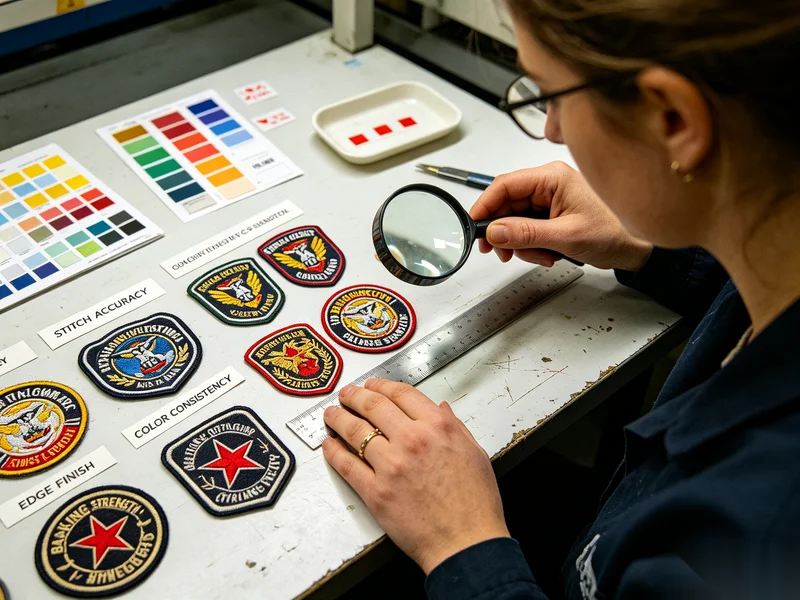
In the global apparel industry, wash care labels are a small component that carries critical information—yet they directly impact product compliance, customer experience, and brand reputation. For clothing brands, sportswear companies, and garment factories, choosing a reliable wash care labels manufacturer is essential for ensuring durability, readability, and international compliance.
Unlike decorative labels, wash care labels must remain clear after repeated washing, friction, and long-term wear. This makes material selection, printing technology, and manufacturing precision extremely important.
What Are Wash Care Labels?
Wash care labels (also called care labels or garment care tags) are sewn or heat-applied labels that provide instructions on how to maintain clothing.
They typically include:
- Washing temperature
- Ironing instructions
- Drying method
- Bleaching guidance
- Fabric composition
- Country of origin
- Brand information
These labels are required in many markets, especially for exported garments sold in the US, EU, and other regulated regions.
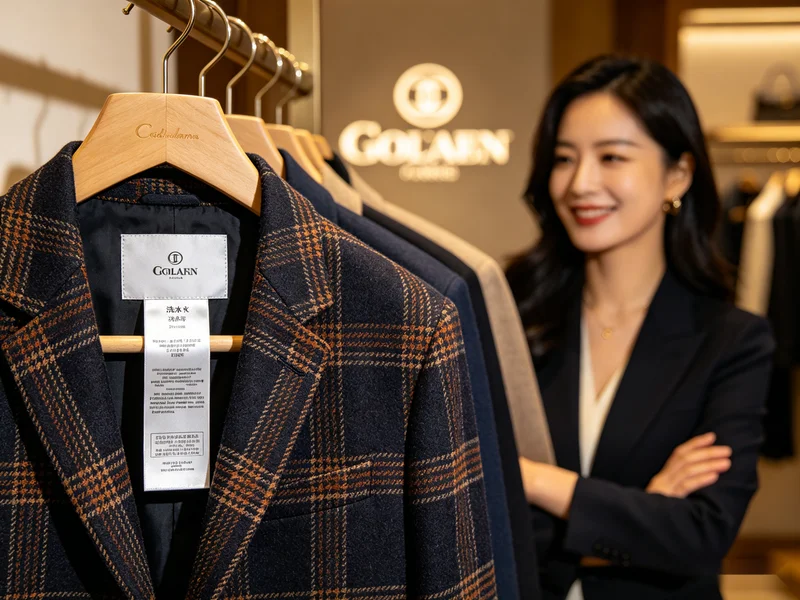
Why Wash Care Labels Matter for Apparel Brands
1. Legal Compliance
Many countries require garment care information to follow standardized formats.
Incorrect or missing care labels can lead to:
- Customs issues
- Product rejection
- Retail compliance failure
2. Brand Trust and Customer Experience
Clear wash instructions help customers:
- Extend garment lifespan
- Avoid fabric damage
- Trust the brand quality
Poor labels that fade or peel quickly can damage brand perception.
3. Product Durability Information
Care labels communicate:
- Fabric sensitivity
- Proper washing conditions
- Long-term maintenance guidelines
This is especially important for premium apparel, uniforms, and sportswear.
Types of Wash Care Labels
Woven Wash Care Labels
The most durable and commonly used type.
Features:
- Thread-based weaving
- High wash resistance
- Soft texture
- Long-lasting clarity
Best for:
- Premium clothing
- Sportswear
- Children’s apparel
- Workwear
Printed Wash Care Labels
Printed on materials like satin or nylon.
Advantages:
- Cost-effective
- High-speed production
- Suitable for large orders
Best for:
- Fast fashion
- Mass production garments
- Lightweight clothing
Heat Transfer Care Labels
Printed directly onto fabric using heat.
Advantages:
- Tagless comfort
- No skin irritation
- Smooth finish
Best for:
- Sportswear
- Activewear
- Underwear
- Children’s clothing
Satin Wash Care Labels
Soft and smooth texture.
Advantages:
- Comfortable against skin
- Suitable for delicate garments
- Good print clarity
Best for:
- Lingerie
- Lightweight fashion clothing

What Does a Wash Care Labels Manufacturer Do?
A professional manufacturer handles the full production process:
1. Design & Compliance Setup
Manufacturers help convert brand requirements into:
- Standard care symbols
- Multilingual instructions
- Size and placement formats
2. Material Selection
Common materials include:
- Polyester woven tape
- Nylon satin
- Cotton blends
- Heat-transfer films
Material choice affects comfort, durability, and wash resistance.
3. Printing or Weaving Production
Depending on label type:
- Woven labels use Jacquard looms
- Printed labels use heat transfer or screen printing
- Heat labels use specialized transfer film technology
4. Cutting & Folding
Labels are processed into:
- Straight cut
- Center fold
- End fold
- Loop fold
Each style suits different garment applications.
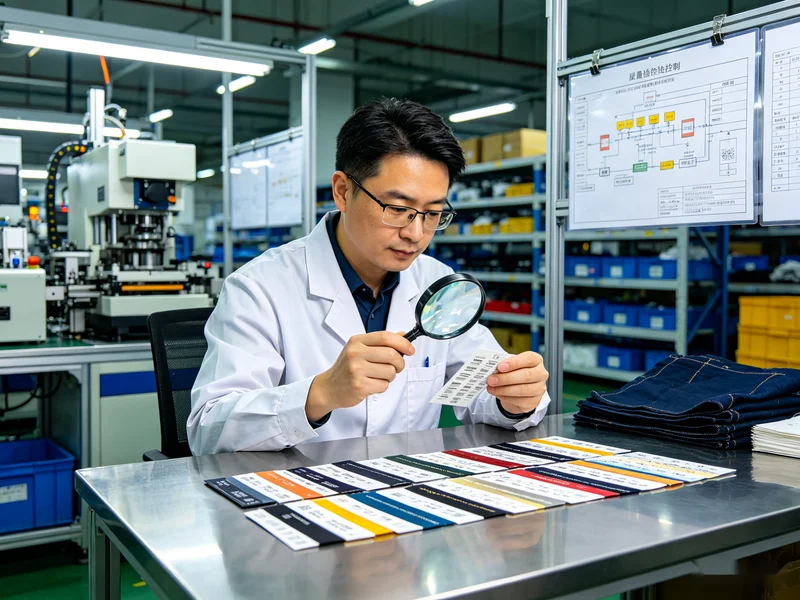
5. Quality Control
Manufacturers inspect:
- Color accuracy
- Print clarity
- Wash resistance
- Stitch compatibility
- Size consistency
Key Factors When Choosing a Wash Care Labels Manufacturer
1. Durability After Washing
Care labels must survive:
- Repeated machine washing
- High-temperature drying
- Friction during wear
High-quality labels should remain readable even after long-term use.
2. Printing or Weaving Precision
A reliable manufacturer ensures:
- Sharp text clarity
- Correct symbol alignment
- Consistent batch production
Poor precision can lead to unreadable care instructions.
3. Material Options
A strong supplier should offer:
- Woven labels
- Satin labels
- Printed labels
- Heat transfer labels
This allows brands to match labels to different product lines.
4. Compliance Knowledge
International markets require:
- Standardized care symbols (ISO / GINETEX)
- Country-specific labeling rules
- Fiber content disclosure requirements
Manufacturers experienced in export production can help reduce compliance risks.
5. Production Capacity
For garment factories and brands, scalability is important:
- Small batch sampling
- Mid-volume production
- Large wholesale orders
A capable manufacturer ensures stable supply during peak production periods.
Common Mistakes Brands Make
❌ Choosing Based Only on Price
Low-cost labels often suffer from:
- Fading after washing
- Poor stitching durability
- Misaligned printing
❌ Ignoring Fabric Compatibility
Different garments require different label types:
- Sportswear → heat transfer labels
- Luxury wear → woven labels
- Fast fashion → printed labels
❌ Not Testing Wash Resistance
Failure to test labels can result in:
- Information fading
- Compliance issues
- Customer complaints
❌ Overcrowding Information
Too much text reduces readability.
Effective care labels should be:
- Clear
- Simple
- Standardized
Trends in Wash Care Labels Manufacturing
Tagless Labels Becoming Popular
Heat transfer labels are widely used in:
- Sportswear
- Kidswear
- Premium basics
They eliminate skin irritation caused by traditional tags.
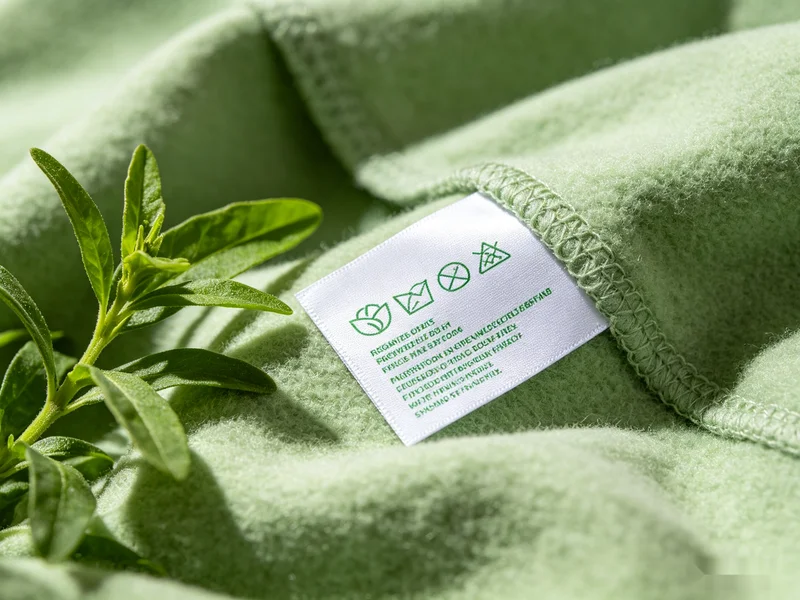
Sustainable Materials
Brands are shifting toward:
- Recycled polyester labels
- Eco-friendly inks
- Reduced chemical processing
Digital Integration
Some modern care labels include:
- QR codes linking to care instructions
- Brand authenticity verification
- Product traceability systems
Why Work with an Experienced Manufacturer Like BSJ?
With 28 years of manufacturing experience, BSJ supports global apparel brands with integrated garment labeling solutions, including:
- Woven labels
- Printed care labels
- Satin labels
- Heat transfer wash care labels
- Custom garment labeling systems
BSJ Advantages:
✅ In-house production capability
✅ Stable bulk manufacturing
✅ Export-standard compliance knowledge
✅ Multiple label technologies
✅ Fast sampling and customization
✅ Strict quality control system
From high-end fashion brands to large-scale apparel factories, BSJ provides reliable wash care labeling solutions designed for durability, clarity, and global compliance.
Final Thoughts
A wash care labels manufacturer plays a critical role in garment production, even though the label itself is small. The right supplier ensures your brand meets compliance standards, improves customer experience, and maintains product quality after repeated washing.
By selecting a manufacturer with strong material expertise, production capability, and international compliance knowledge, apparel brands can avoid costly mistakes and build stronger product credibility.
With BSJ’s 28 years of manufacturing experience, brands can confidently produce durable, compliant, and professional wash care labels that support long-term apparel success in global markets.
About Author
——————————————————————————————————————————————

Alexander
Online Sales Manager
Alexander specialize in digital marketing and understanding customer psychology, providing clients with the right solutions through data insights and creative strategies.
——————————————————————————————————————————————