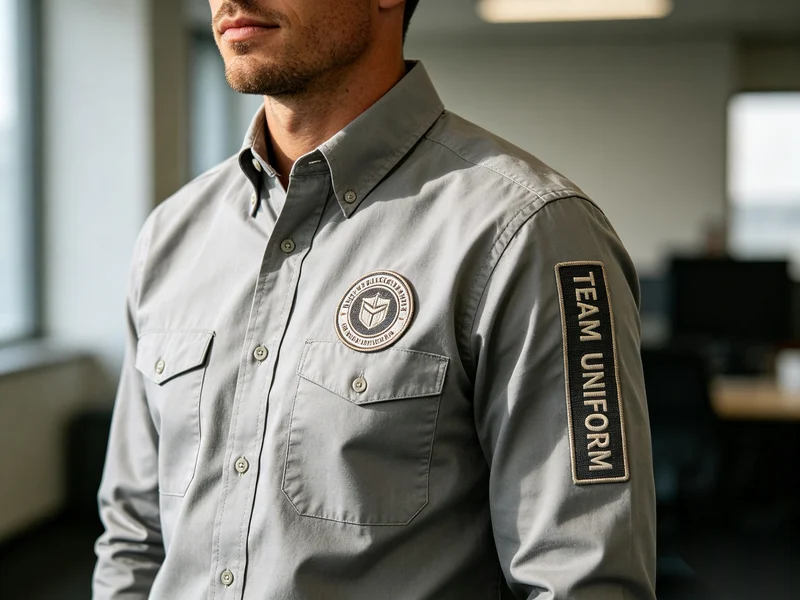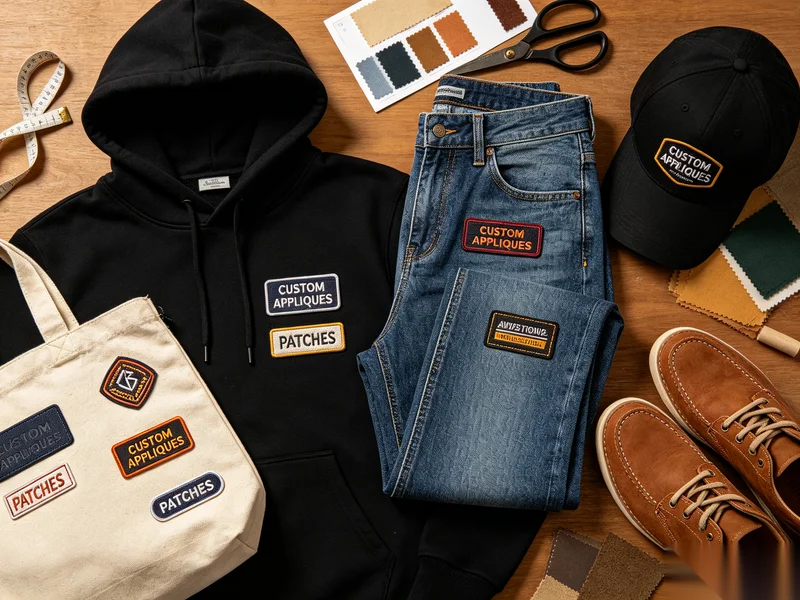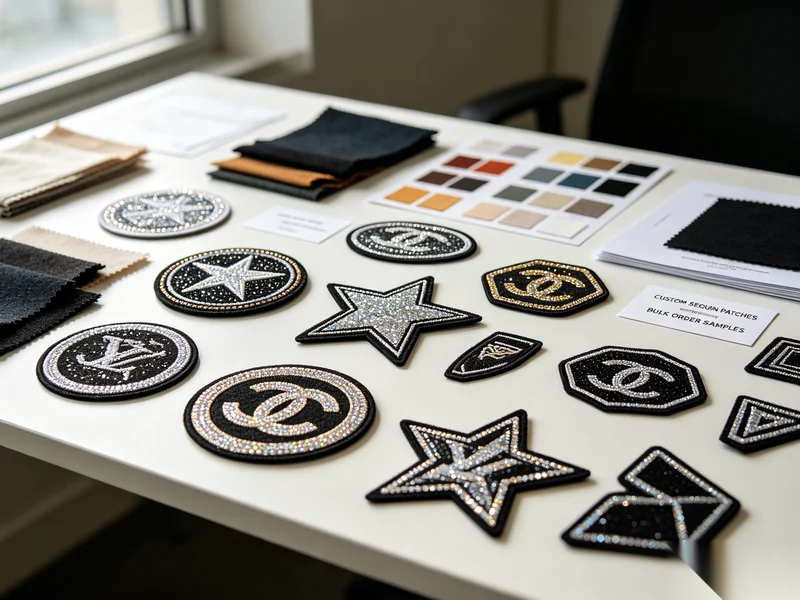
An iron on patch manufacturer designs and produces patches with heat-activated backing that allows attachment to garments using heat and pressure. For B2B buyers, these manufacturers offer scalable production, consistent bonding performance, and customization for apparel, uniforms, and promotional programs.
What does “iron on patch manufacturer” mean in B2B sourcing?
Short Answer:
It refers to a professional patch supplier that produces heat seal patches suitable for bulk apparel production.
In-Depth Explanation:
From a B2B perspective, an iron on patch manufacturer does more than create decorative patches. They provide:
- Standardized heat-seal backing systems
- Compatibility with industrial heat presses
- Stable adhesion across fabric types
- Batch consistency for large orders
This makes them essential partners for brands and factories that need efficient, repeatable garment decoration solutions.
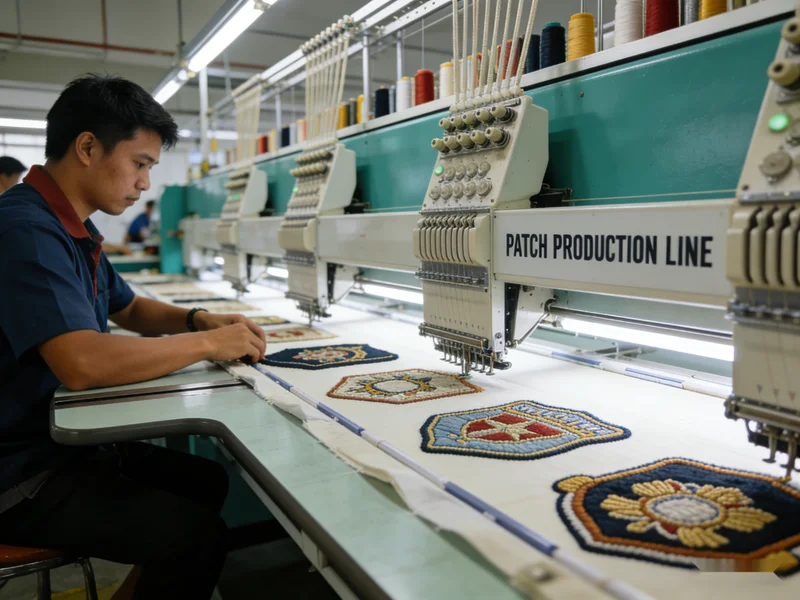
Why Do Brands Choose Iron On Patches for Large-Scale Apparel Programs?
Short Answer:
Because iron on patches reduce labor time and simplify application during mass production.
Key Business Advantages:
Faster Application
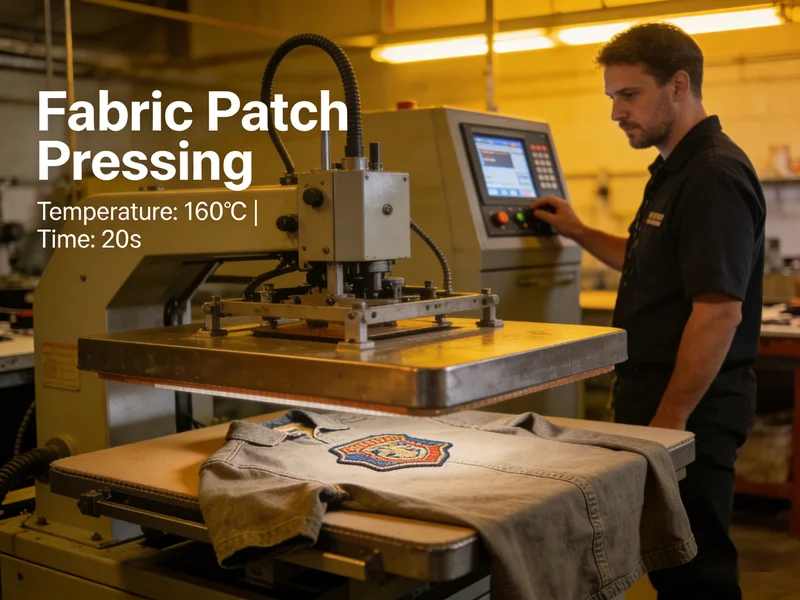
Heat seal patches can be applied in seconds using a heat press, significantly reducing sewing time.
Cost Efficiency
Lower labor costs compared to sew-on patches, especially for high-volume orders.
Clean Appearance
No visible stitching on the garment interior, which is ideal for fashion and promotional apparel.
Scalability
Perfect for uniform programs, retail collections, and promotional campaigns with tight timelines.
What Types of Iron On Patches Can a Manufacturer Produce?
Short Answer:
Most manufacturers offer embroidered, woven, chenille, PVC, and printed iron on patches.
Common Patch Types Explained:
Embroidered Iron On Patches
Classic look, durable, suitable for logos and text.
Woven Heat Seal Patches
Best for small details and fine lettering.
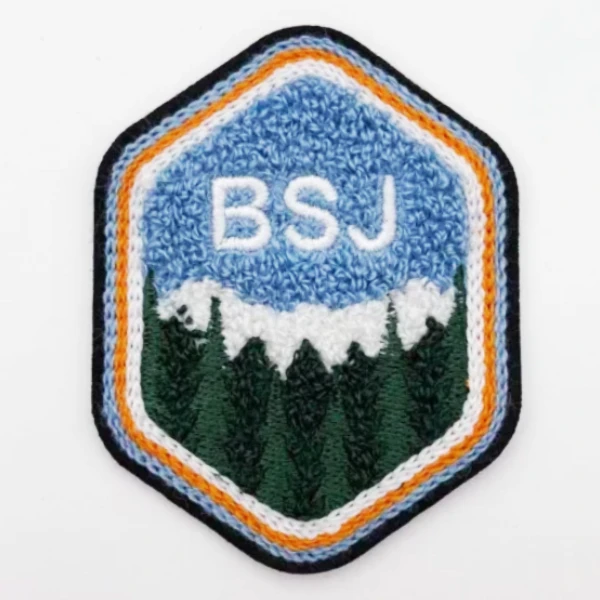
Chenille Iron On Patches
Thick, textured patches used in varsity and fashion apparel.
PVC Heat Seal Patches
Waterproof and flexible, often used in outdoor or tactical products.
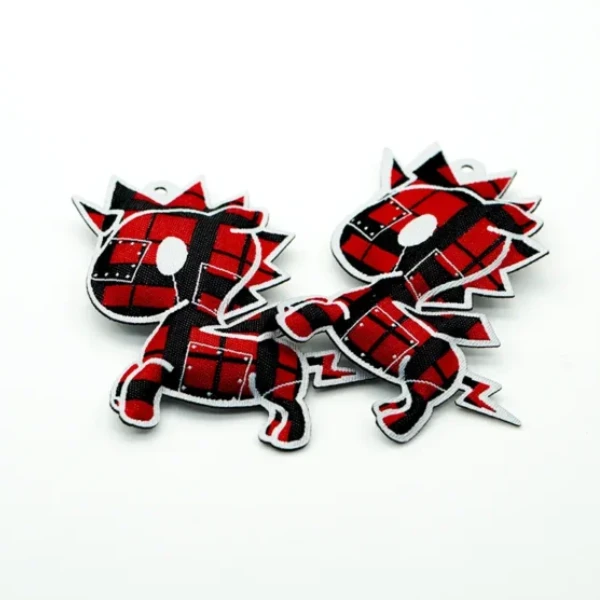
Printed Heat Transfer Patches
Lightweight and cost-effective for complex graphics.
How Does Heat Seal Backing Work?
Short Answer:
Heat seal backing activates adhesive when exposed to heat and pressure, bonding the patch to fabric.
Heat Seal Process (Featured Snippet Friendly List):
- Patch placed on garment
- Heat press applied (typically 150–170°C)
- Adhesive melts and penetrates fabric fibers
- Cooling period locks the bond
- Patch becomes wash-resistant and durable
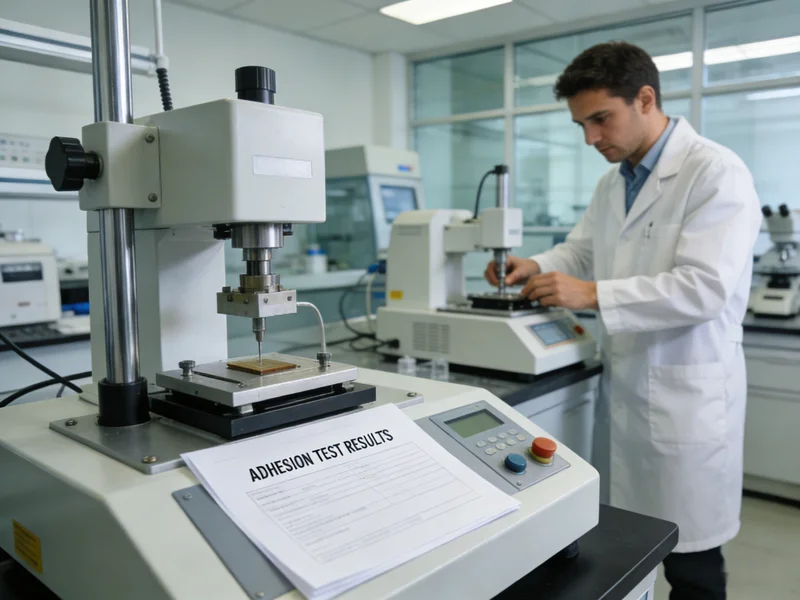
A professional heat seal patch manufacturer tests bonding strength across fabrics.
What Fabrics Are Compatible with Iron On Patches?
Short Answer:
Cotton, polyester, blends, denim, and fleece are generally compatible.
Fabric Compatibility Considerations:
- Cotton: Excellent adhesion
- Polyester: Requires precise temperature control
- Blends: Tested case by case
- Nylon: May need special adhesive formulation
Experienced manufacturers adjust adhesive formulas to meet fabric requirements.
Iron On Patches vs Sew-On Patches: Which Is Better for B2B Buyers?
Short Answer:
Iron on patches are better for speed and efficiency; sew-on patches are better for extreme durability.
Comparison Table:
| Factor | Iron On Patches | Sew-On Patches |
|---|---|---|
| Application Speed | Very fast | Slow |
| Labor Cost | Low | Higher |
| Flexibility | High | Moderate |
| Wash Resistance | High (with quality adhesive) | Very high |
Many B2B buyers choose custom iron on patches for most applications and reserve sew-on for heavy-duty use.
Can Iron On Patch Manufacturers Handle Bulk and Wholesale Orders?
Short Answer:
Yes, bulk production is a core capability.
Wholesale Advantages:
- Consistent adhesive performance
- Stable color matching
- Lower unit pricing
- Streamlined reorders
For global brands, wholesale iron on patches support long-term supply programs and seasonal demand spikes.
What Quality Standards Should You Expect from an Iron On Patch Manufacturer?
Short Answer:
Manufacturers should meet durability, wash resistance, and adhesion consistency standards.
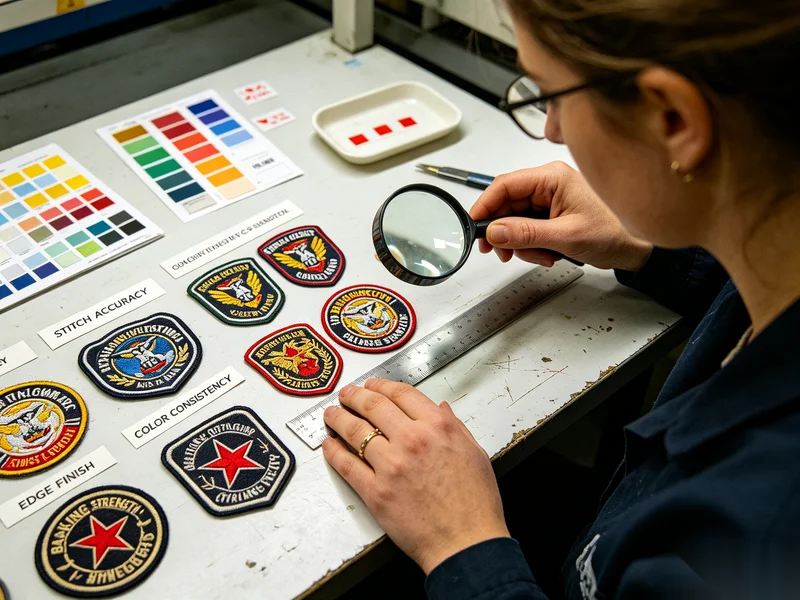
Key Quality Checks:
- Adhesive peel strength testing
- Wash cycle resistance testing
- Heat press compatibility verification
- Edge integrity after application
- Batch-to-batch consistency
Reliable suppliers document these tests before mass production.

Are Iron On Patches Suitable for OEM & ODM Projects?
Short Answer:
Yes, they are widely used in OEM and ODM apparel manufacturing.
OEM/ODM Benefits:
Heat seal patches can be applied during final assembly or post-production, giving brands flexibility in design finalization and inventory management.
How Do Iron On Patch Manufacturers Support Uniform Programs?
Short Answer:
They provide standardized designs that can be applied quickly across large teams.
Uniform Program Advantages:
- Faster onboarding
- Simplified garment inventory
- Easy patch replacement
- Consistent branding
This makes iron on patches ideal for corporate, industrial, and service uniforms.
What Information Should B2B Buyers Provide When Requesting a Quote?
Short Answer:
Clear specifications ensure accurate pricing and smooth production.
Quotation Checklist:
- Patch size and shape
- Patch type (embroidered, woven, etc.)
- Backing type (heat seal)
- Quantity and order frequency
- Fabric application details
Providing this information helps the iron on patch manufacturer optimize cost and lead time.
Final Thoughts: Choosing the Right Iron On Patch Manufacturer
Selecting the right iron on patch manufacturer is a strategic decision for B2B buyers. A capable supplier delivers more than patches—they provide reliable adhesion, scalable production, and technical support across different apparel programs.
By working with experienced manufacturers of custom iron on patches, heat seal patches, and wholesale iron on patches, brands and apparel producers can improve efficiency, control costs, and maintain consistent product quality across global markets.
About Author
——————————————————————————————————————————————

Alexander
Online Sales Manager
Alexander specialize in digital marketing and understanding customer psychology, providing clients with the right solutions through data insights and creative strategies.
——————————————————————————————————————————————