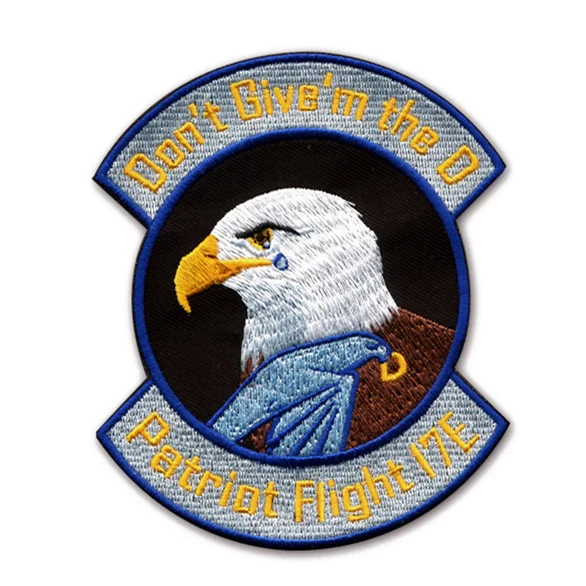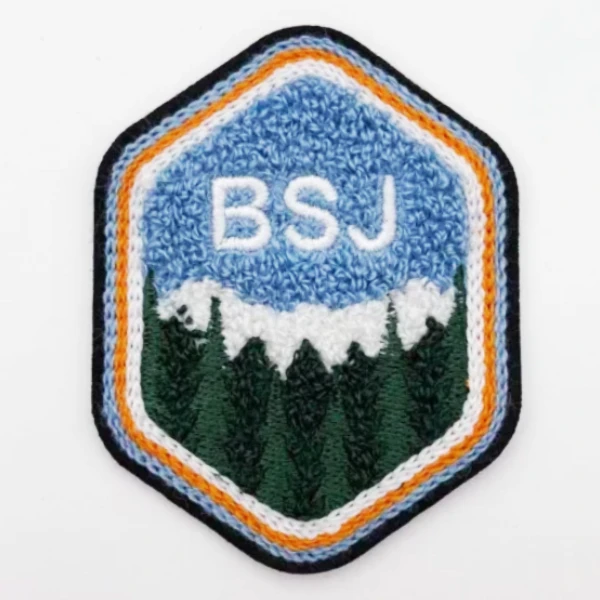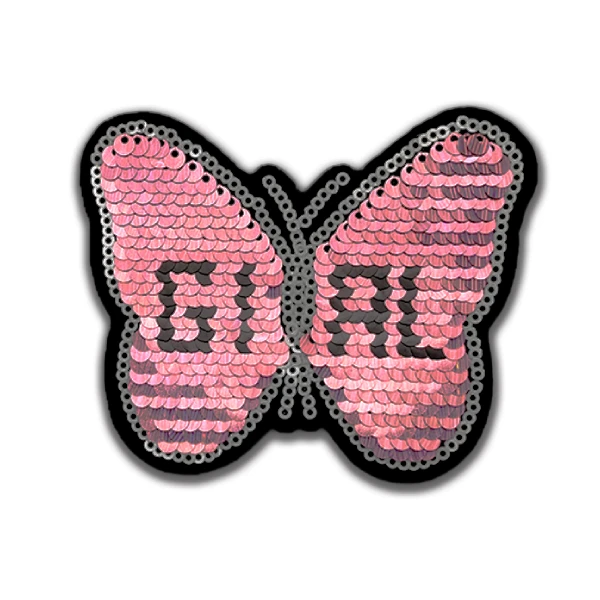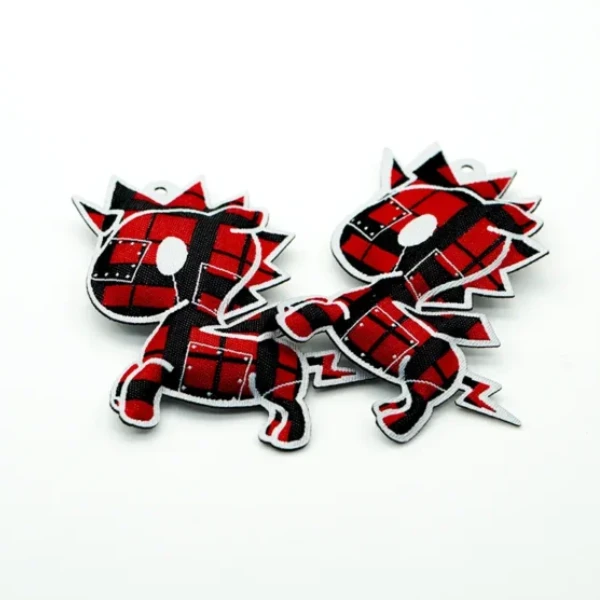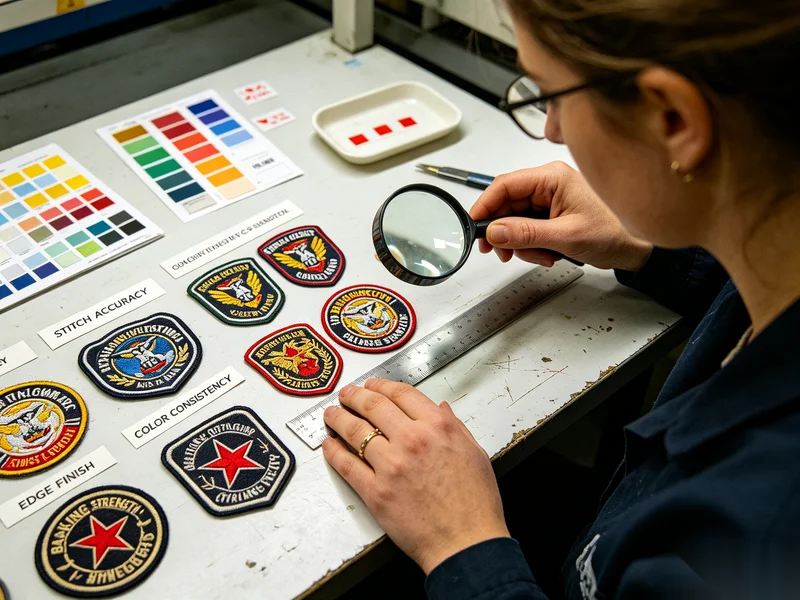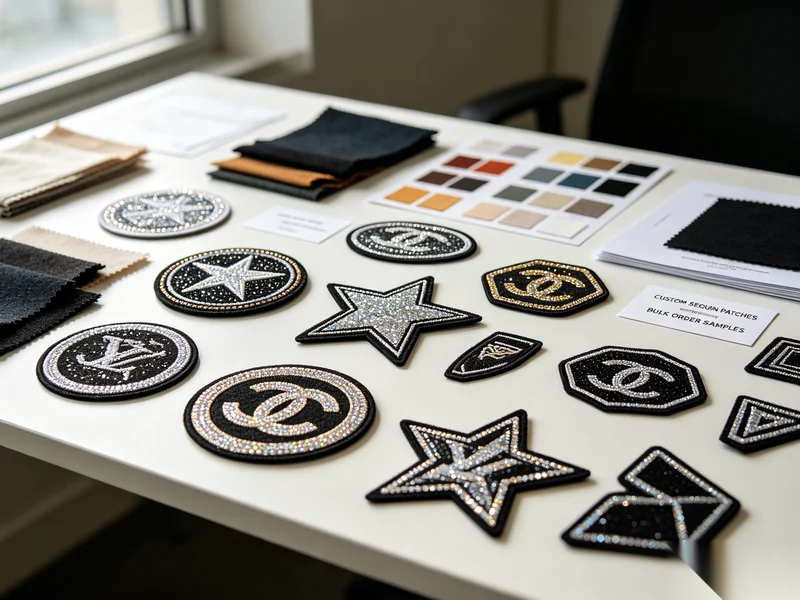
Sew on embroidered patches are traditional patches attached to garments by stitching rather than heat. They are valued for durability, flexibility in placement, and design versatility, making them ideal for apparel brands, uniforms, clubs, and garments where long-term wear and authenticity matter.
What Are Sew On Embroidered Patches?
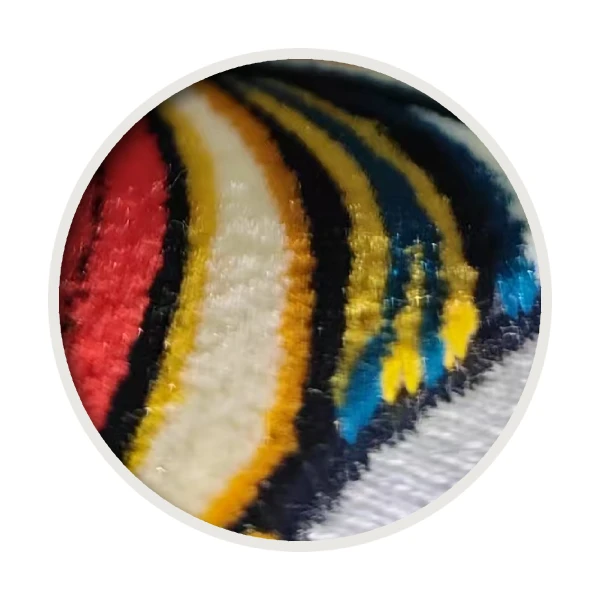
Sew on embroidered patches are embroidered designs finished with stitched edges and intended to be permanently attached to garments through sewing. Unlike heat-applied options, sew-on patches rely on thread and craftsmanship, making them suitable for a wide range of fabrics and garment constructions.
For B2B buyers, they are often chosen for reliability, heritage appeal, and garment compatibility.
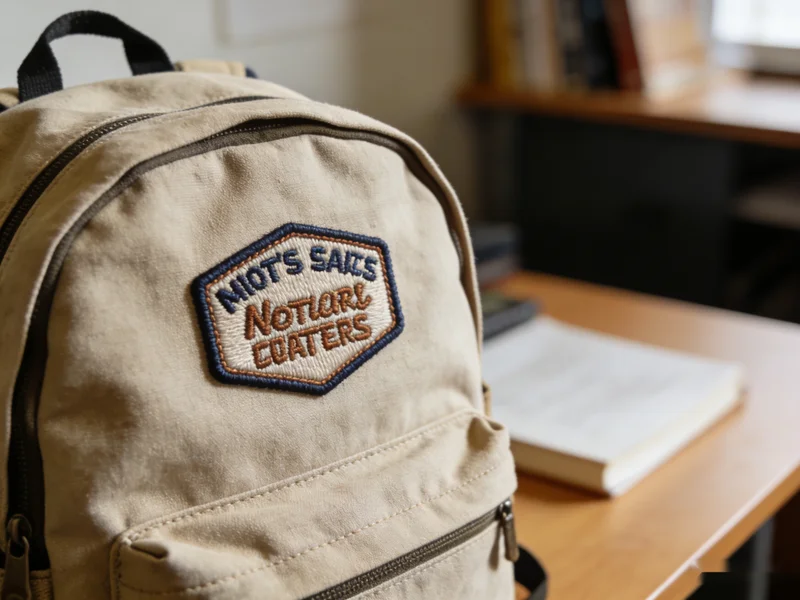
Why Choose Sew On Embroidered Patches for Clothing
Sew-on patches remain a staple in apparel and uniform design because they perform consistently across different use scenarios.
Key reasons brands prefer them:
- strong, long-lasting attachment
- no heat damage risk to garments
- compatibility with thick or textured fabrics
- classic, authentic appearance
- easy repair or replacement
They are especially popular in workwear and heritage-inspired collections.
Common Apparel Applications for Sew On Embroidered Patches
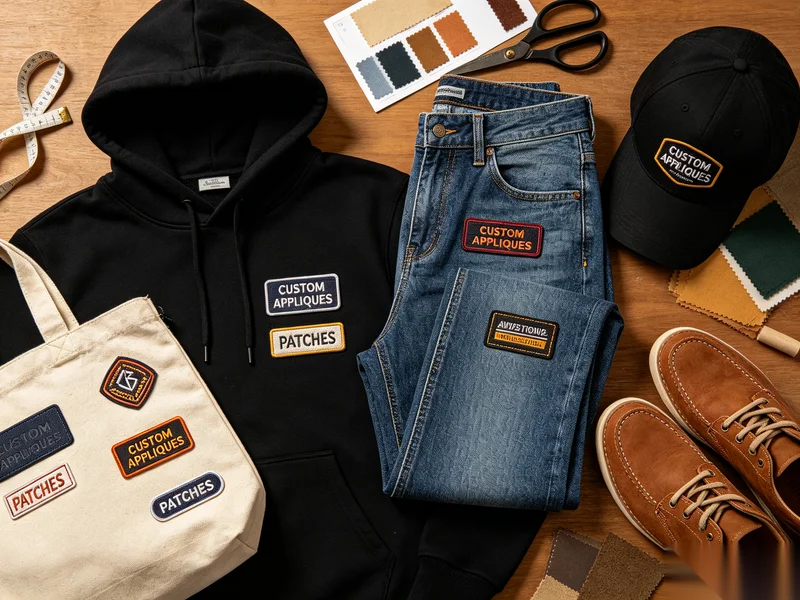
Jackets & Outerwear
Denim jackets, varsity jackets, bomber jackets, and military-style outerwear often use sew-on patches for:
- chest logos
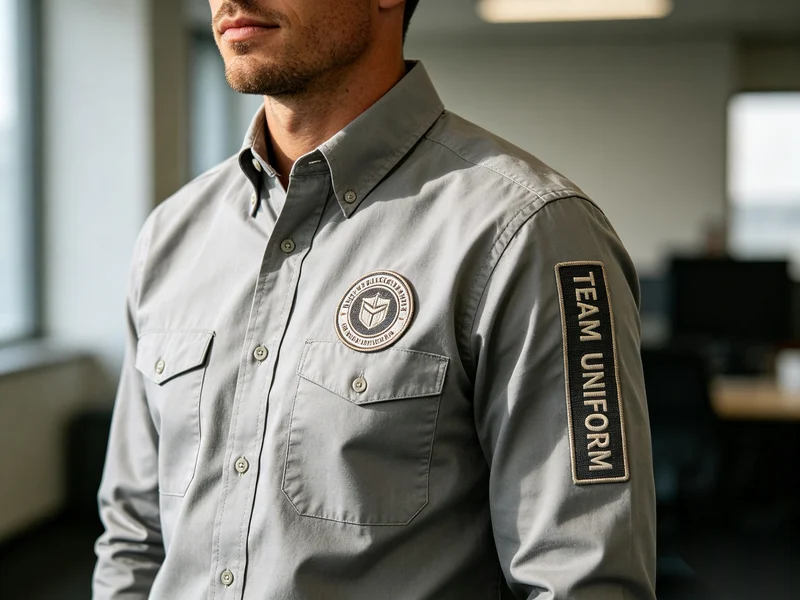
- sleeve insignia
- large back designs
Stitching supports heavier patch sizes without lifting.

Vests & Club Apparel
Motorcycle vests, scout uniforms, and club garments rely heavily on sew-on patches.
They allow:
- layered patch systems
- long-term wear
- easy customization over time
This makes them ideal for evolving identities.

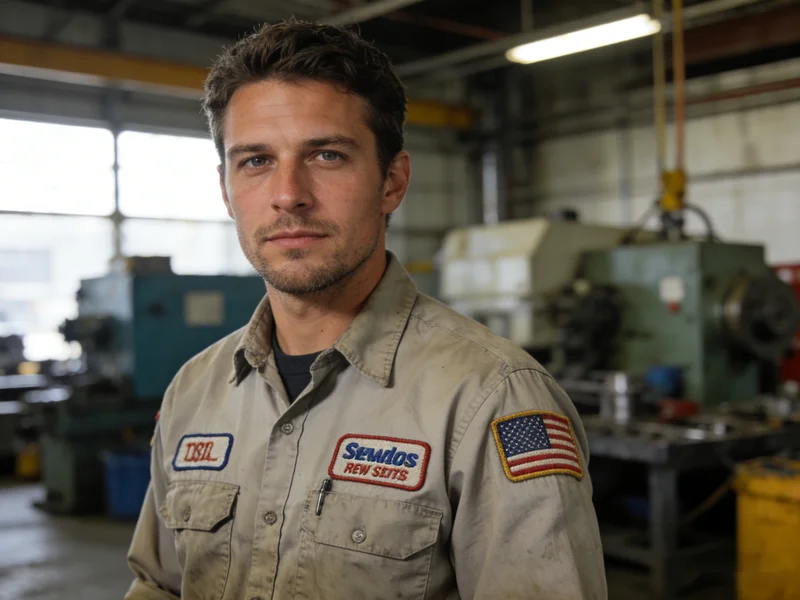
Workwear & Uniforms
Sew-on patches are widely used on:
- mechanic shirts
- security uniforms
- industrial workwear
They withstand frequent washing and daily use.
Bags & Accessories
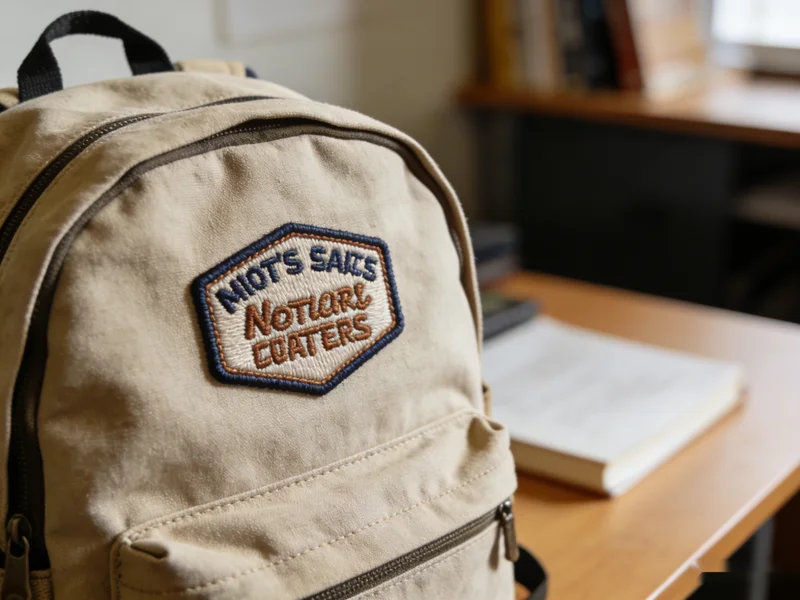
Backpacks, canvas bags, and tactical gear benefit from stitched attachment for strength and stability.
Design Styles That Work Best for Sew On Patches
Classic Logo Patches
Text-based or emblem logos designed for everyday wear.
Badge & Insignia Designs
Structured shapes like shields, circles, and crests.
Vintage & Heritage Graphics
Retro typography and traditional motifs pair naturally with sew-on construction.
Large Statement Patches
Back patches or oversized designs are better supported by stitching.
Designers can explore more complexity without worrying about heat limitations.
Design Considerations for Sew On Embroidered Patches
Edge & Border Design
Clean borders help guide stitching and improve durability.
Size & Proportion
Sew-on patches allow larger sizes, but scale should match the garment.
Visual Balance
Designs should consider stitch density and negative space for clarity.
Placement Awareness
Design must anticipate seams, panels, and garment structure.
Good planning ensures a clean final appearance.
Placement Ideas for Sew On Embroidered Patches
Chest Placement
Ideal for logos, names, or identification patches.
Sleeve Placement
Popular for symbols, flags, or secondary branding.
Back Placement
Used for bold graphics or storytelling visuals.
Pocket & Panel Areas
Adds subtle detail without dominating the garment.
Placement choices directly influence perceived quality.
Sew On Embroidered Patches vs Iron On Patches
| Aspect | Sew On Embroidered Patches | Iron On Patches |
|---|---|---|
| Attachment method | Stitching | Heat transfer |
| Durability | Very high | Medium–high |
| Fabric limitations | Minimal | Heat-sensitive fabrics |
| Visual style | Classic, textured | Flat, modern |
| Repairability | Possible | Limited |
Sew-on patches excel in long-term programs.
Why Sew On Patches Are Preferred in B2B Programs
For organizations and brands, consistency and durability matter more than speed.
Sew-on embroidered patches are ideal for:
- uniform programs
- clubs and associations
- heritage and lifestyle brands
- products with long life cycles
They support structured, repeatable production.
Common Mistakes to Avoid
Overcrowded Designs
Too much detail can reduce embroidery clarity.
Ignoring Garment Thickness
Patch size should match fabric weight.
Poor Placement Planning
Designs should align with garment panels.
Inconsistent Patch Sets
Visual inconsistency weakens brand identity.
Avoiding these mistakes improves product longevity.
Design Inspiration Trends for Sew On Embroidered Patches
Current trends include:
- simplified vintage logos
- bold outlines with limited colors
- heritage typography
- emblem-based branding
These styles highlight craftsmanship and authenticity.
FAQ: Sew On Embroidered Patches
Q: Are sew on embroidered patches washable?
Yes, they perform well under frequent washing.
Q: Can sew-on patches be applied to thick fabrics?
Yes, they are ideal for denim, canvas, and outerwear.
Q: Are sew-on patches suitable for large designs?
Yes, stitching supports larger and heavier patches.
Q: Can they be removed later?
They can be removed, though stitching marks may remain.
Conclusion
Sew on embroidered patches remain a trusted choice for apparel brands, uniform designers, and organizations that value durability and classic aesthetics. By offering flexibility in design, reliable attachment, and compatibility with a wide range of garments, they continue to play a vital role in modern clothing design.
For B2B buyers and designers, focusing on thoughtful design, proper sizing, and strategic placement ensures sew-on embroidered patches enhance both garment quality and brand identity—season after season.
About Author
——————————————————————————————————————————————

Alexander
Online Sales Manager
Alexander specialize in digital marketing and understanding customer psychology, providing clients with the right solutions through data insights and creative strategies.
——————————————————————————————————————————————