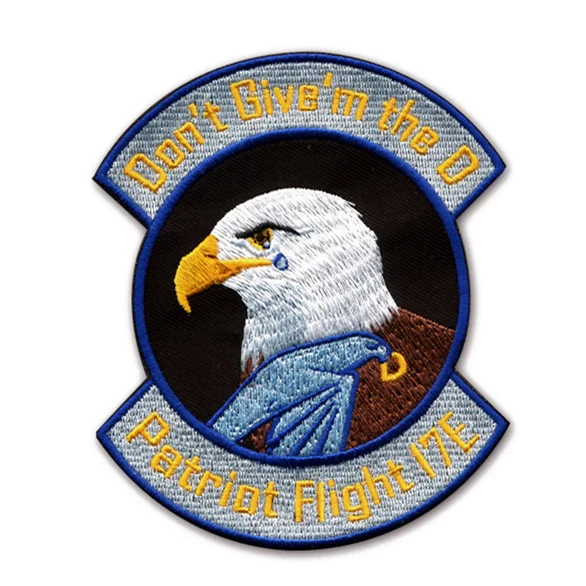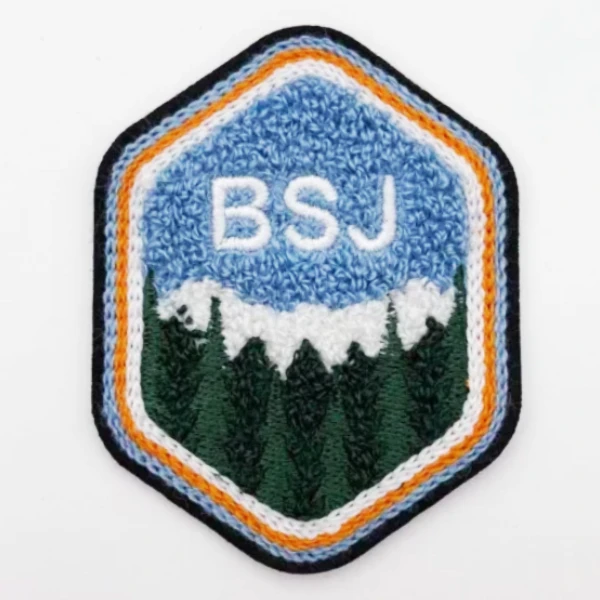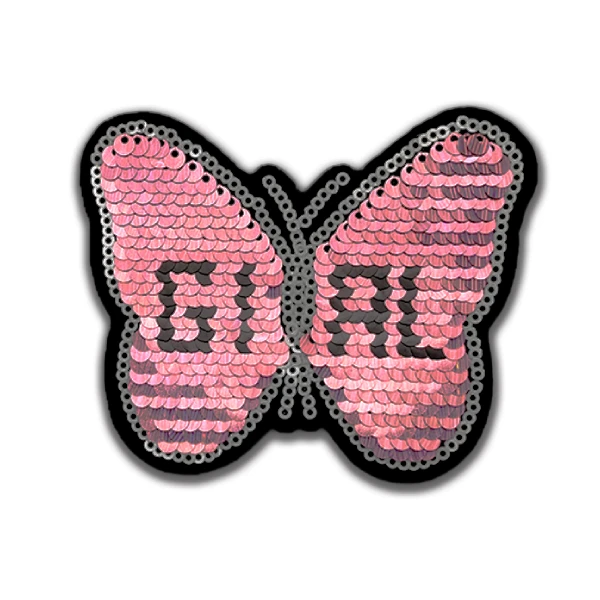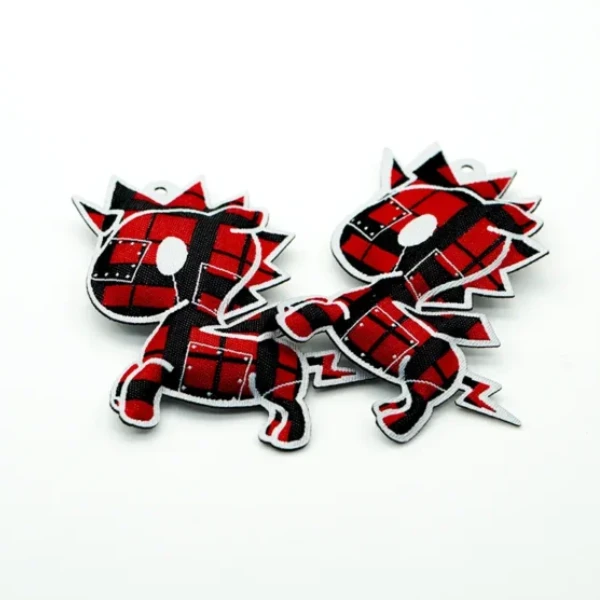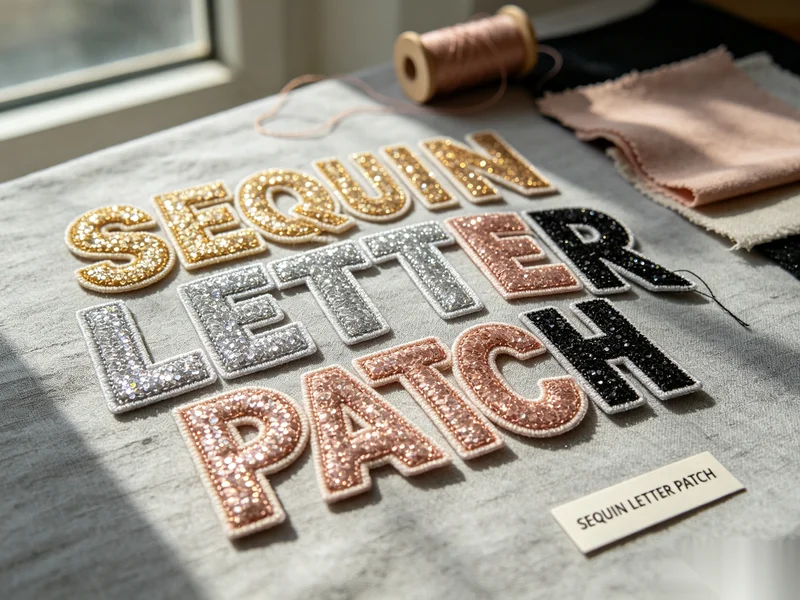
Iron on patches for shirts are fabric patches with heat-activated adhesive backing that allows them to bond to shirts using heat and pressure. They are widely used by apparel brands, manufacturers, and promotional companies to create customized clothing with logos, designs, and decorative elements efficiently.
What Are Iron On Patches for Shirts?
Answer:
Iron on patches for shirts are decorative or branded patches designed to be attached to shirts using heat instead of sewing. The back of the patch contains a special adhesive layer that melts when heated and bonds with the fabric.
These patches are commonly applied to:
- T-shirts
- Polo shirts
- Work shirts
- Uniform shirts
- Casual wear
- Promotional apparel
Compared with traditional sew-on patches, iron on patches provide a faster and more convenient solution for garment customization.
For B2B buyers, they are an efficient way to produce customized clothing at scale while maintaining consistent quality and appearance.
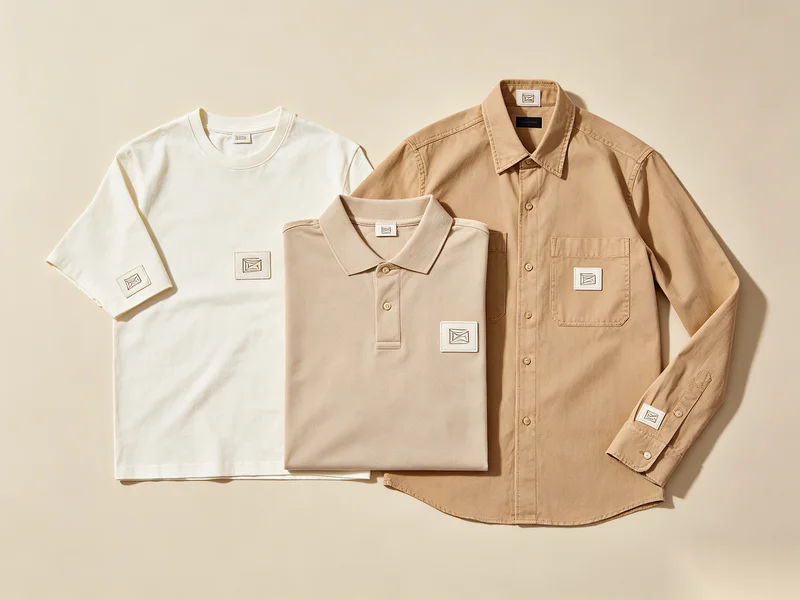
Why Are Iron On Patches Popular for Shirts?
Answer:
Iron on patches are widely used because they simplify production, reduce labor costs, and provide flexible design options for apparel businesses.
1. Fast and Efficient Application
Iron on patches can be applied quickly using:
- Heat press machines
- Industrial equipment
- Household irons (for small-scale use)
This reduces production time compared with sewing.
2. Strong Visual Branding
Custom patches allow businesses to display:
- Company logos
- Brand names
- Decorative graphics
- Event designs
This helps improve brand recognition and product appeal.
3. Cost-Effective for Bulk Orders
For large-scale production, iron on patches reduce:
- Labor costs
- Production complexity
- Processing time
This makes them ideal for manufacturers and distributors.
How Are Custom Iron On Shirt Patches Made?
Answer:
Custom iron on patches are produced through a process that includes design preparation, patch manufacturing, adhesive application, and finishing.
Step 1: Artwork and Design Setup
Manufacturers begin with customer-provided artwork.
They evaluate:
- Logo clarity
- Size and placement
- Color matching
- Fabric compatibility
Design optimization ensures better final results.
Step 2: Selecting Patch Type
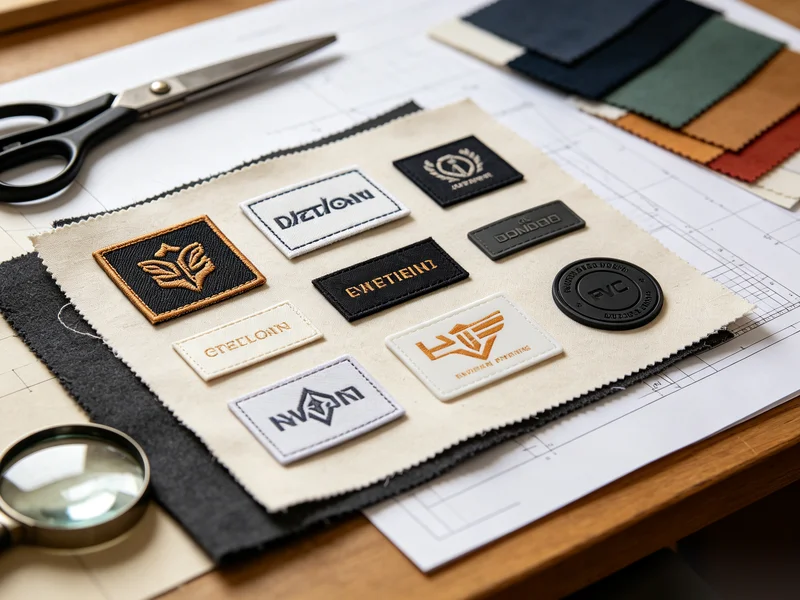
Different patch types are available depending on design requirements.
Embroidered Shirt Patches
These are the most common option.
Advantages:
- Classic appearance
- Raised texture
- Strong durability
They are suitable for:
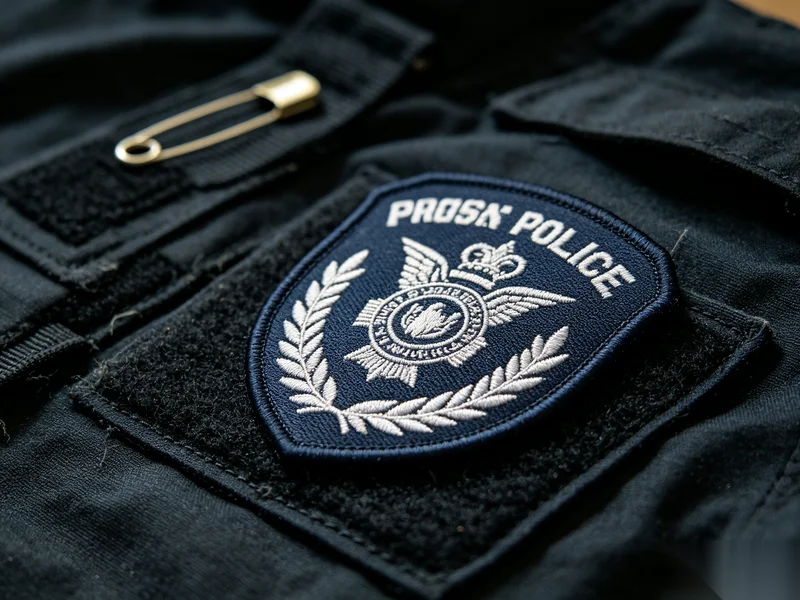
- Uniforms
- Workwear
- Casual apparel
Woven Shirt Patches
Woven patches are ideal for:
- Small text
- Detailed designs
- Fine graphics
They provide a smooth surface and high clarity.
Printed or Heat Transfer Patches
Printed patches offer:
- Full-color designs
- Gradient effects
- Photo-quality graphics
They are commonly used for promotional shirts.
PVC Shirt Patches
PVC patches provide:
- Waterproof performance
- 3D texture
- Modern appearance
They are suitable for outdoor or industrial apparel.
Step 3: Applying Heat Adhesive
A heat-activated adhesive layer is applied to the back of the patch.
Manufacturers control:
- Adhesive strength
- Thickness
- Bonding performance
High-quality adhesive ensures long-lasting attachment.
Step 4: Cutting and Finishing
After production, patches are cut and finished.
Common options include:
- Merrowed edges
- Laser-cut edges
- Heat-cut edges
These processes improve durability and appearance.
What Types of Shirts Can Use Iron On Patches?
Answer:
Iron on patches can be applied to many types of shirts, depending on fabric composition and heat resistance.
Common applications include:
T-Shirts
Suitable for:
- Promotional apparel
- Brand merchandise
- Casual fashion
Polo Shirts
Used for:
- Corporate uniforms
- Team apparel
- Event clothing
Work Shirts
Common in industries such as:
- Manufacturing
- Logistics
- Construction
Uniform Shirts
Used by:
- Security companies
- Service industries
- Staff uniforms

What Is the Difference Between Iron On and Sew On Shirt Patches?
Answer:
Iron on patches use heat for attachment, while sew-on patches require stitching. Each method has different advantages depending on the application.
| Feature | Iron On Patches | Sew On Patches |
|---|---|---|
| Application Method | Heat press | Sewing |
| Speed | Fast | Slower |
| Labor Cost | Lower | Higher |
| Durability | Good (fabric dependent) | Very strong |
| Flexibility | Easy to apply | Permanent |
For many apparel businesses, iron on patches are preferred for speed and efficiency.
How Can Businesses Use Custom Iron On Patches for Shirts?
Answer:
Businesses can use iron on patches to create customized apparel, enhance branding, and develop new product lines.
Corporate Branding
Companies can add patches to shirts for:
- Employee uniforms
- Brand visibility
- Professional appearance
Promotional Apparel
Custom patches are widely used for:
- Marketing campaigns
- Events
- Giveaways
Fashion Collections
Brands can create:
- Streetwear designs
- Limited editions
- Seasonal collections
Team and Club Apparel
Organizations use patches for:
- Team identification
- Club branding
- Group uniforms
What Should Businesses Consider Before Ordering Iron On Patches for Shirts?
Answer:
Businesses should evaluate fabric compatibility, patch design, adhesive quality, and production requirements before placing an order.
Fabric Compatibility
Not all fabrics respond well to heat.
Suitable fabrics typically include:
- Cotton
- Polyester blends
- Denim
Patch Size and Placement
Common placement areas include:
- Chest logos
- Sleeves
- Back panels
Adhesive Quality
High-quality adhesive ensures:
- Better bonding
- Longer lifespan
- Reduced peeling risk
Design Simplicity
Clear and simple designs usually produce better patch results, especially for small sizes.
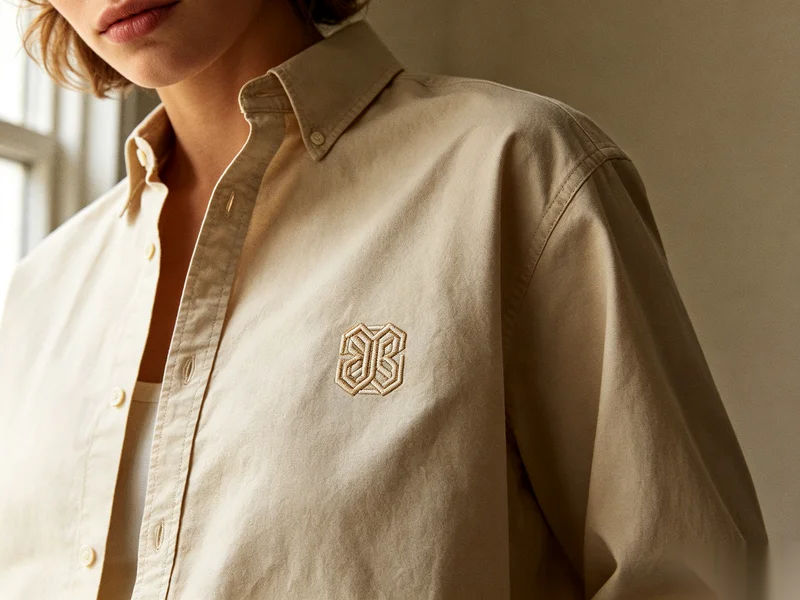
How Do Businesses Choose a Reliable Patch Manufacturer?
Answer:
Businesses should choose a patch manufacturer based on experience, customization capability, quality control, and production capacity.
Manufacturing Experience
Experienced suppliers understand:
- Fabric behavior
- Patch application methods
- Production efficiency
Custom Design Support
A reliable manufacturer should provide:
- Artwork review
- Technical recommendations
- Sample development
Quality Control
Manufacturers should inspect:
- Stitch quality
- Adhesive performance
- Edge finishing
- Color accuracy
Production Capability
For B2B buyers, suppliers should support:
- Bulk production
- Consistent quality
- Repeat orders
Can Small Businesses Use Iron On Shirt Patches?
Answer:
Yes, small businesses can use iron on patches to create customized shirts without complex manufacturing processes.
They are suitable for:
- Startups
- Designers
- Local brands
- Event organizers
Custom patches allow small businesses to produce professional-looking apparel with flexible quantities.
Why Are Iron On Patches Valuable for Apparel Businesses?
Answer:
Iron on patches provide apparel businesses with a practical and scalable way to customize shirts while maintaining production efficiency.
They offer:
- Fast application
- Cost savings
- Strong branding opportunities
- Flexible design options
As customization continues to grow in the apparel industry, iron on patches remain a key solution for developing modern clothing products.
Frequently Asked Questions About Iron On Patches for Shirts
1. Can iron on patches be used on all shirts?
No. They work best on heat-resistant fabrics such as cotton and polyester blends.
2. Are iron on patches durable after washing?
Yes, if properly applied and cared for, they can maintain good durability.
3. Can businesses customize patches with logos?
Yes. Manufacturers can produce patches based on custom artwork and branding requirements.
4. What is the best size for shirt patches?
Common sizes range from small chest logos to larger back patches, depending on the design.
5. Can patches be removed after application?
Removal depends on adhesive strength and fabric type; some may leave residue.
6. Are iron on patches suitable for bulk production?
Yes. They are widely used in large-scale apparel manufacturing.
Conclusion
Iron on patches for shirts provide businesses with an efficient and flexible solution for customizing apparel. With easy application, diverse material options, and strong visual impact, they are widely used across fashion, corporate, and promotional industries.
For brands and manufacturers, working with an experienced patch supplier ensures better quality, reliable production, and consistent results. Custom shirt patches continue to be an essential tool for building brand identity and enhancing product value in the modern apparel market.
About Author
——————————————————————————————————————————————

Alexander
Online Sales Manager
Alexander specialize in digital marketing and understanding customer psychology, providing clients with the right solutions through data insights and creative strategies.
——————————————————————————————————————————————