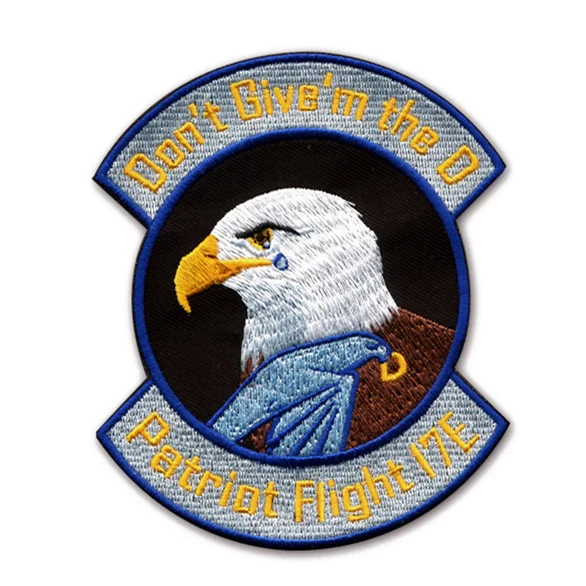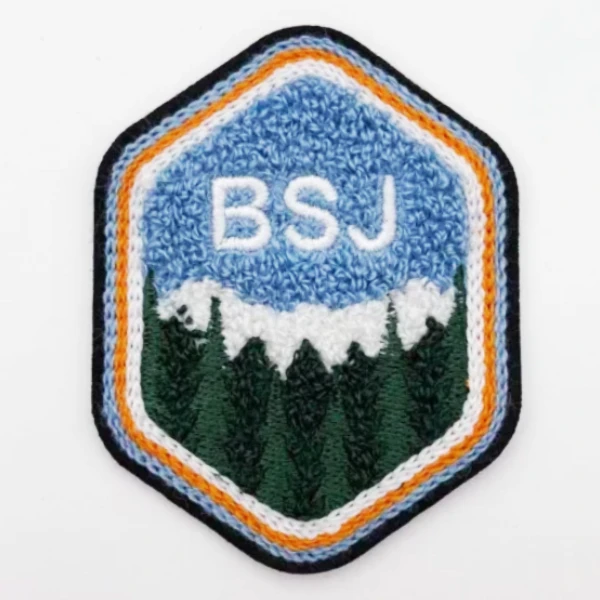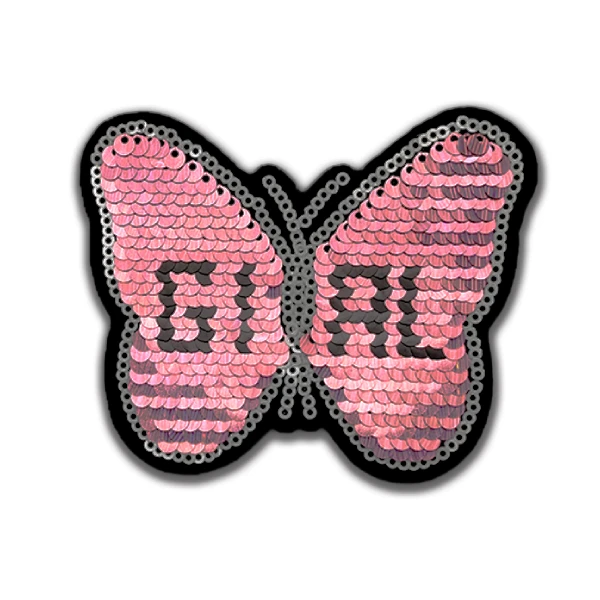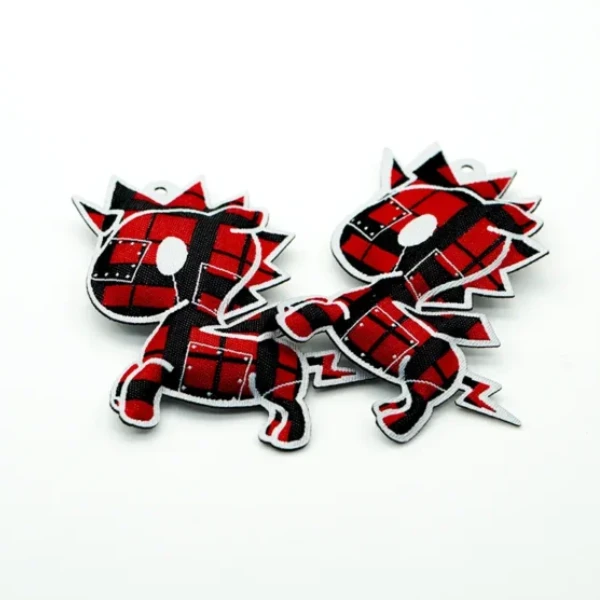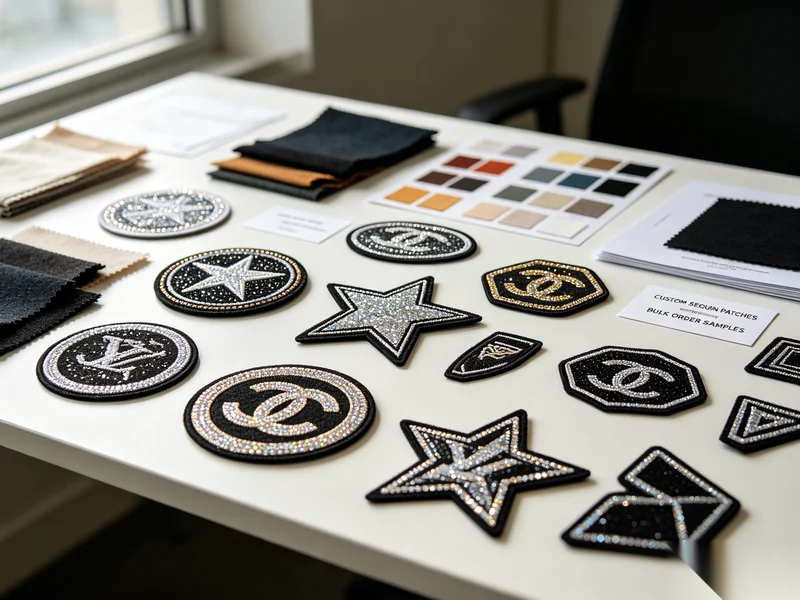
Woven patches vs embroidered patches differ mainly in texture, detail, and production method. Woven patches use thin threads to create flat, high-detail designs, while embroidered patches use thicker threads for a raised, textured look. The best choice depends on design complexity, branding style, and product application.
Quick Comparison: Woven vs Embroidered Patches
| Característica | Parches tejidos | Parches bordados |
|---|---|---|
| Textura | Liso y uniforme | En relieve y con textura |
| Nivel de detalle | High detail, fine lines | Moderate detail |
| Tipo de hilo | Thin threads | Thick threads |
| Mejor para | Small text, complex designs | Bold logos, simple designs |
| Apariencia | Clean and precise | Classic and premium |
| Costo | Similar or slightly higher for detail | Cost-effective for simple designs |
For B2B buyers, choosing the right patch type directly impacts product quality, branding effectiveness, and production efficiency.

¿Qué son los parches tejidos?
Woven patches are made by weaving threads together to create a design directly into the fabric. Unlike embroidery, which stitches on top of a base, woven patches integrate the design into the material itself.
Características principales de los parches tejidos
- Superficie lisa y plana
- High-resolution detail
- Ability to display small text clearly
- No raised stitching
Los parches tejidos se utilizan habitualmente para:
- Etiquetas de ropa
- Fashion branding
- Logotipos detallados
- Prendas ligeras
They are especially suitable when precision and clarity are more important than texture.
¿Qué son los parches bordados?
Contesta:
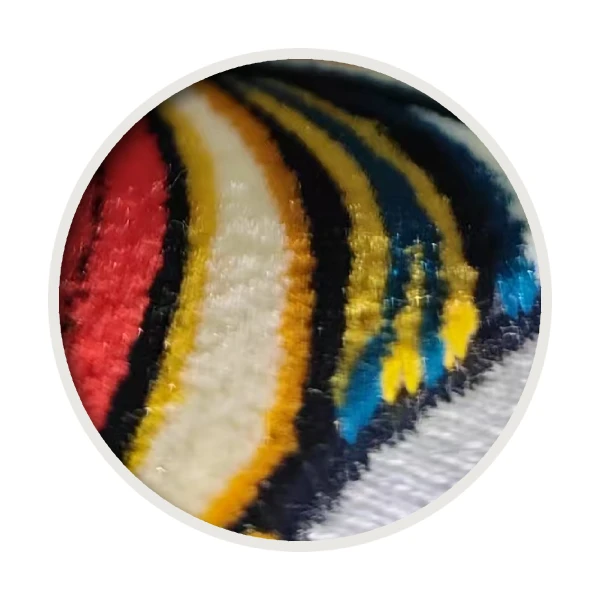
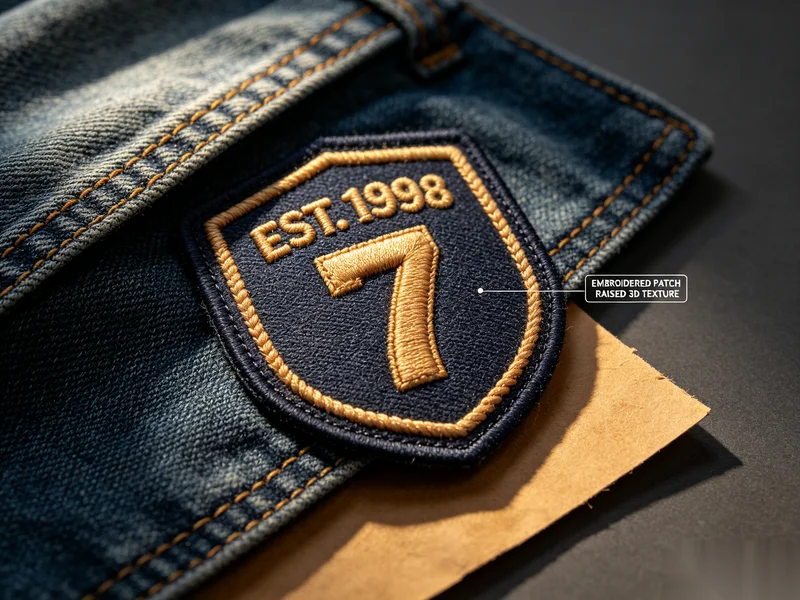
Embroidered patches are created by stitching thread onto a fabric base to form a raised design. This traditional technique produces a textured, dimensional look.
Características principales de los parches bordados
- Thick thread stitching
- Raised, 3D texture
- Fuerte impacto visual
- Construcción duradera
Los parches bordados se utilizan ampliamente para:
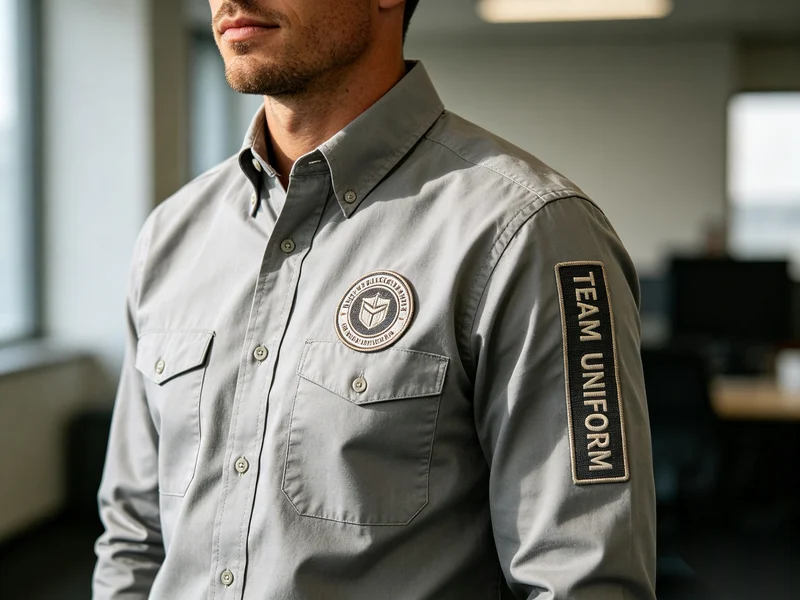
- Uniformes
- Equipos deportivos
- Vestuario laboral
- Marca de ropa de calle
They are ideal for bold logos and designs that benefit from a premium, textured appearance.
What Is the Main Difference Between Woven and Embroidered Patches?
Contesta:
The main difference lies in how the design is created and how it looks visually.
- Woven patches: design is woven into the fabric → flat and detailed
- Embroidered patches: design is stitched on top → raised and textured
This affects:
- Claridad en el diseño
- Estilo visual
- Application suitability
¿Cuándo conviene optar por los parches tejidos?
Contesta:
Woven patches are the best choice when your design requires precision, fine details, or small lettering.
Ideal Use Cases
- Logotipos complejos
- Thin lines and gradients
- Small text labels
- Fashion branding tags
Business Advantages
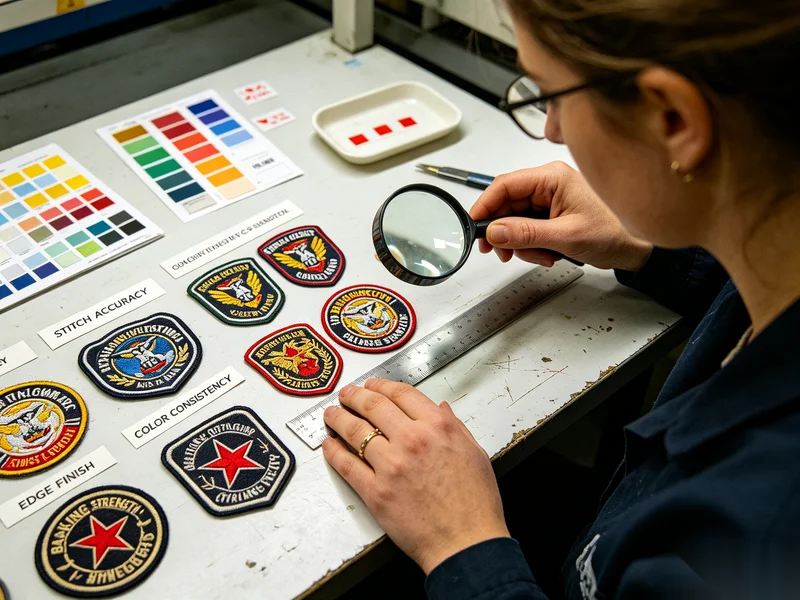
- Cleaner and sharper design
- Professional label-like appearance
- Suitable for modern, minimalist brands
For apparel brands focused on detail and subtle branding, woven patches provide a refined solution.
¿Cuándo conviene optar por parches bordados?
Contesta:
Embroidered patches are ideal when you want a bold, textured, and highly visible design.
Ideal Use Cases
- Large logos
- Parches de equipo
- Marca del uniforme
- Artículos promocionales
Business Advantages
- Fuerte impacto visual
- Premium perception
- Alta durabilidad
For brands looking to stand out visually, embroidered patches are often the preferred choice.
How Do Production Processes Differ?
Contesta:
The manufacturing process for woven and embroidered patches is different, which affects design capabilities.
Woven Patch Production
- Threads are woven together during fabric creation
- Design is built into the structure
- Allows finer detail and smoother finish
Embroidered Patch Production
- Threads are stitched onto a base fabric
- Design sits on top of material
- Creates raised texture
Understanding this difference helps businesses choose the right method based on design requirements.
Which Is More Durable: Woven or Embroidered Patches?
Contesta:
Both woven and embroidered patches are durable, but their performance depends on usage.
- Embroidered patches: generally more robust due to thicker threads
- Woven patches: durable but better suited for lighter applications
For heavy-use items like uniforms or workwear, embroidered patches are usually preferred.
For lightweight garments or labels, woven patches perform very well.
Which Option Is More Cost-Effective?
Contesta:
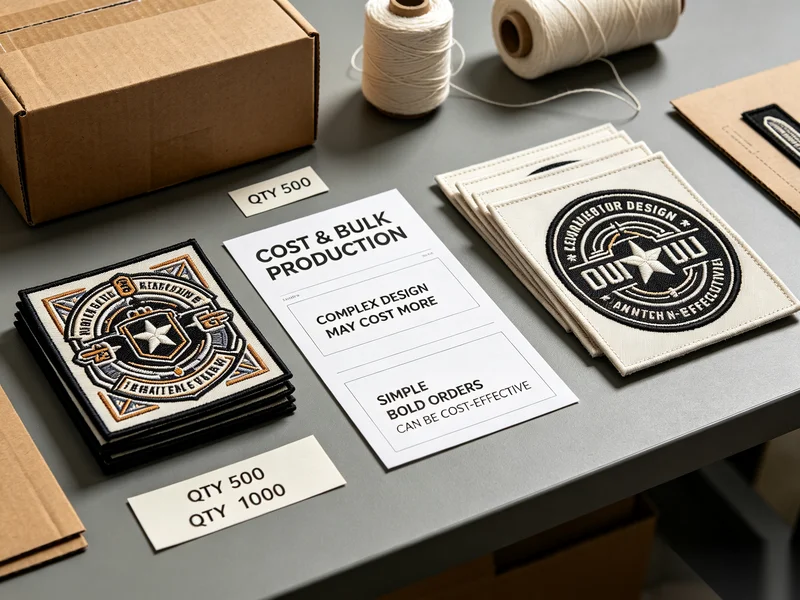
Cost depends on design complexity, size, and order quantity.
- Woven patches may cost more for highly detailed designs
- Embroidered patches are cost-effective for simple, bold designs
For bulk production, both options can be optimized for cost efficiency with the right manufacturer.
Can You Combine Woven and Embroidered Elements?
Contesta:
Yes, some manufacturers offer hybrid patches that combine woven backgrounds with embroidered highlights.
Los beneficios incluyen:
- Detailed base design
- Enhanced texture in key areas
- Efectos visuales únicos
This approach is useful for brands seeking both precision and dimension.
How Should Businesses Choose Between Woven and Embroidered Patches?
Contesta:
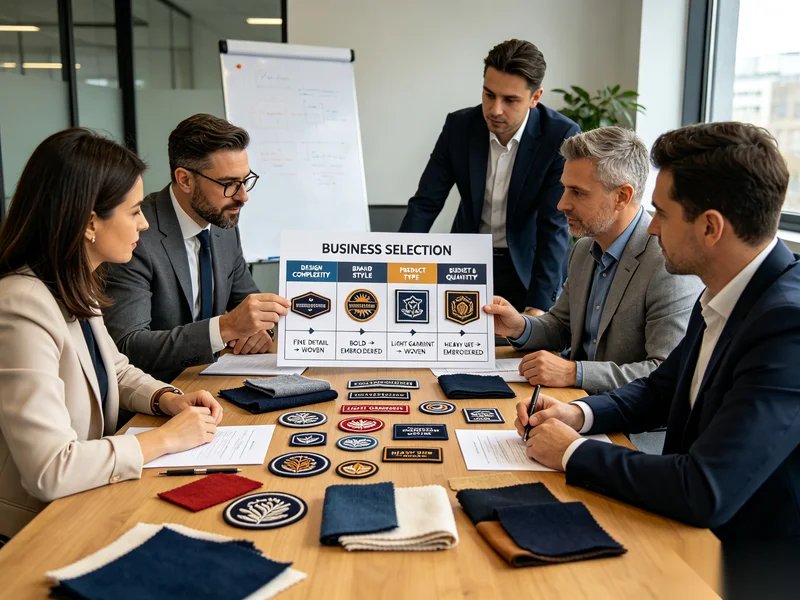
Businesses should evaluate several factors before making a decision.
Complejidad del diseño
- Fine detail → woven patches
- Bold/simple → embroidered patches
Estilo de la marca
- Minimalist → woven
- Classic/premium → embroidered
Tipo de producto
- Labels and lightweight garments → woven
- Outerwear and uniforms → embroidered
Budget and Quantity
- Large simple orders → embroidered
- Detailed branding → woven
Why Is This Choice Important for B2B Buyers?
Contesta:
Selecting the right patch type affects product positioning, manufacturing efficiency, and customer perception.
Impact on Branding
The patch style influences how customers perceive quality and design.
Impact on Production
Different patch types may require different production workflows.
Impact on Cost
Choosing the wrong method can increase costs without improving results.
For wholesalers and manufacturers, making the right choice ensures better product consistency and market competitiveness.
Frequently Asked Questions About Woven Patches vs Embroidered Patches
1. Are woven patches better than embroidered patches?
Neither is universally better. Woven patches are better for detail, while embroidered patches are better for texture and durability.
2. Can woven patches include small text?
Yes, woven patches are ideal for small text and intricate designs.
3. Are embroidered patches more durable?
Yes, they are generally more durable for heavy-use applications.
4. Which is better for fashion brands?
Both are used. Woven patches suit minimalist styles, while embroidered patches suit bold designs.
5. Can both patch types be used on the same product?
Yes, combining both can create unique design effects.
6. What is the best option for bulk production?
It depends on design and application, but both can be produced efficiently at scale.
Conclusión
Understanding woven patches vs embroidered patches helps businesses make informed decisions about product design and branding. Woven patches offer precision and detail, while embroidered patches provide texture and visual impact.
For apparel brands, manufacturers, and wholesalers, selecting the right patch type ensures better product quality, stronger brand identity, and efficient production. Working with an experienced supplier can help you choose the most suitable solution based on your design, application, and business goals.
Acerca del autor
——————————————————————————————————————————————

Alejandro
Gerente de ventas en línea
Alexander se especializa en marketing digital y comprende la psicología del cliente, brindando a los clientes las soluciones adecuadas a través de información sobre datos y estrategias creativas.
——————————————————————————————————————————————