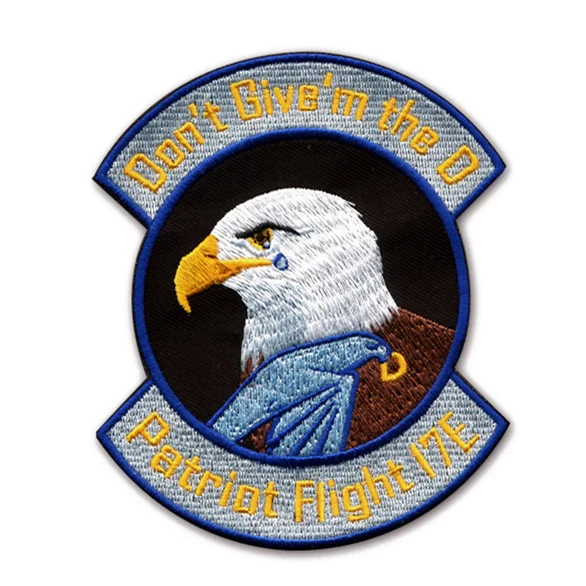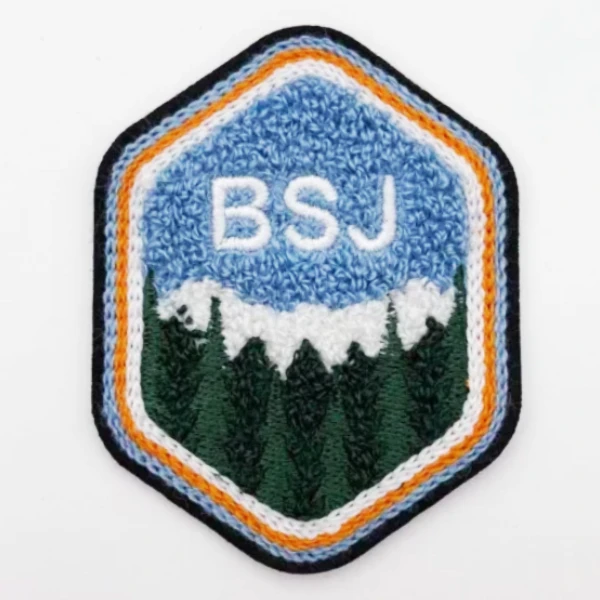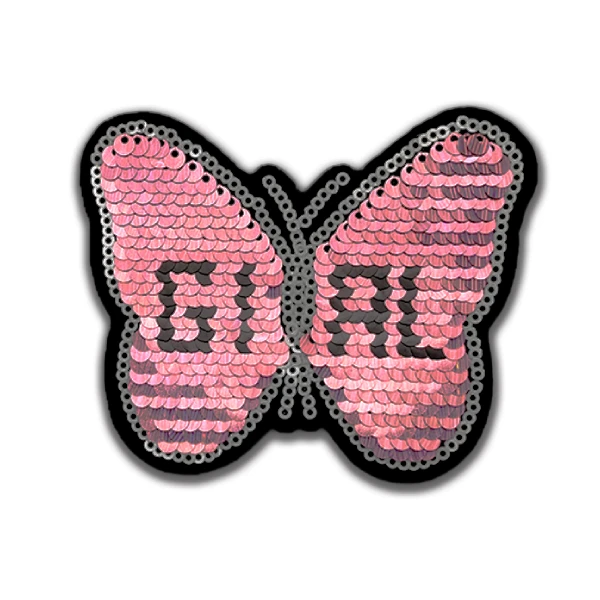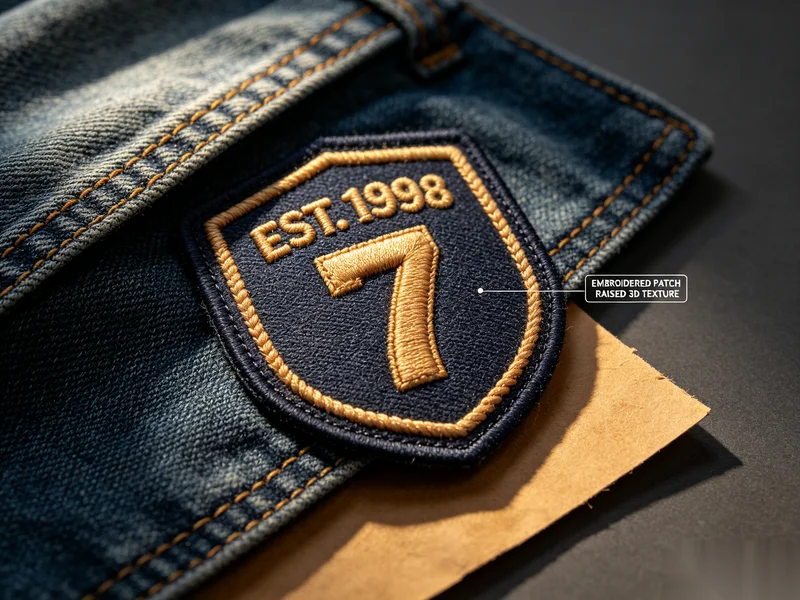
Custom embroidery patches iron on are fabric patches with heat-activated adhesive backing that allows them to be applied to garments using an iron or heat press. They combine embroidered design quality with easy application, making them ideal for brands, manufacturers, and wholesalers seeking efficient customization.
Quick Overview of Custom Iron On Embroidered Patches
| Feature | Details |
|---|---|
| Patch Type | Embroidered with heat-activated backing |
| Application Method | Heat press or household iron |
| Main Benefit | Easy and fast attachment |
| Durability | Moderate to high (best with extra stitching) |
| Common Uses | Apparel, uniforms, bags, hats |
| Target Buyers | Brands, wholesalers, promotional suppliers |
For B2B buyers, iron on patches offer a balance between production efficiency and product customization.
What Are Custom Embroidery Patches Iron On?
Answer:
Custom embroidery patches iron on are embroidered fabric patches that include a special adhesive backing. When heat and pressure are applied, the adhesive melts and bonds the patch to the fabric surface.
These patches are widely used for:
- Clothing brands
- Uniform production
- Promotional merchandise
- Retail-ready fashion products
They provide the visual quality of embroidery with simplified application compared to traditional sew-on patches.
How Do Iron On Embroidered Patches Work?
Answer:
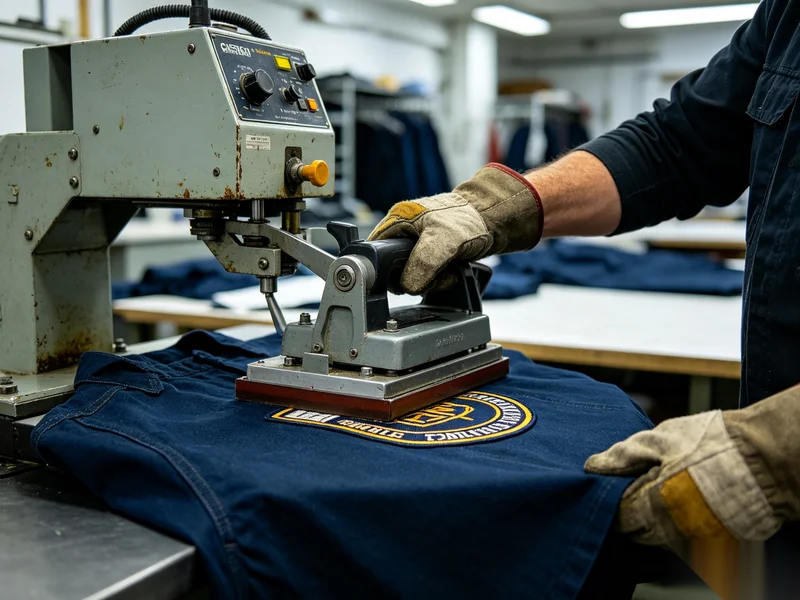
Iron on patches use a heat-activated glue layer that bonds to fabric when exposed to high temperature and pressure.
Application Process
- Place the patch on the garment
- Cover with a protective cloth
- Apply heat (iron or heat press) for 15–30 seconds
- Allow cooling to set the adhesive
For industrial use, heat presses provide more consistent results than household irons.
What Are the Advantages of Iron On Embroidered Patches?
Answer:
Iron on patches are popular because they simplify production and application processes.
Fast Application
No sewing is required, reducing labor time in production lines.
Clean Appearance
No visible stitches are needed, creating a neat finish.
Cost Efficiency
Lower labor costs compared to sew-on patches, especially for large batches.
Flexible Use
Suitable for:
- Apparel manufacturing
- Retail products
- Promotional campaigns
Are Iron On Patches Durable?
Answer:
Iron on patches offer good durability, but performance depends on usage and application quality.
Durability Factors
- Fabric type
- Heat application accuracy
- Washing conditions
- Patch size
Best Practice
For long-term durability, especially in:
- Workwear
- Uniforms
- Heavy-use garments
it is recommended to combine iron-on application with additional stitching.
What Fabrics Are Suitable for Iron On Patches?
Answer:
Iron on patches work best on fabrics that can withstand heat.
Recommended Fabrics
- Cotton
- Polyester
- Cotton blends
- Denim
Fabrics to Avoid
- Nylon
- Leather
- Waterproof materials
- Heat-sensitive fabrics
Always test before full application to avoid damage.
How Are Custom Iron On Embroidered Patches Manufactured?
Answer:
The manufacturing process is similar to standard embroidered patches, with an added adhesive backing step.
Step 1: Design Digitization
Artwork is converted into an embroidery file for machine stitching.
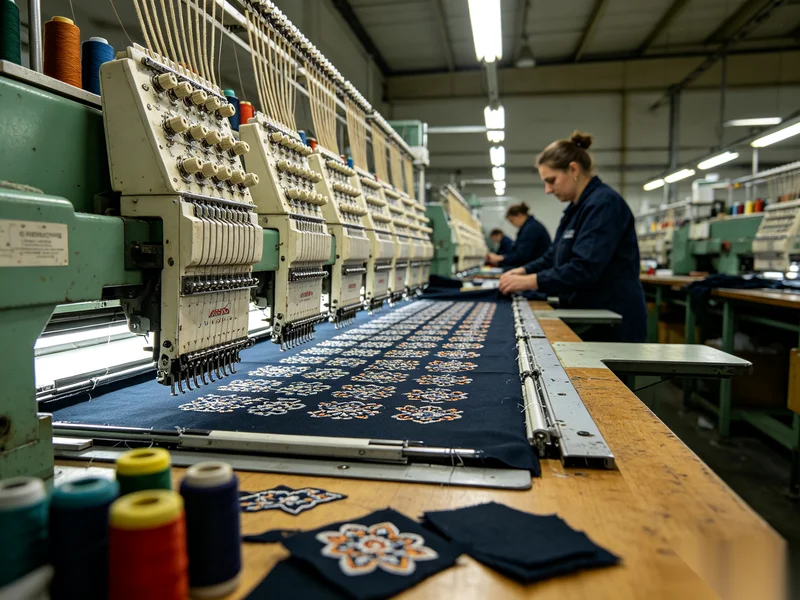
Step 2: Embroidery Production
Machines stitch the design onto a fabric base such as twill or felt.
Step 3: Cutting and Finishing
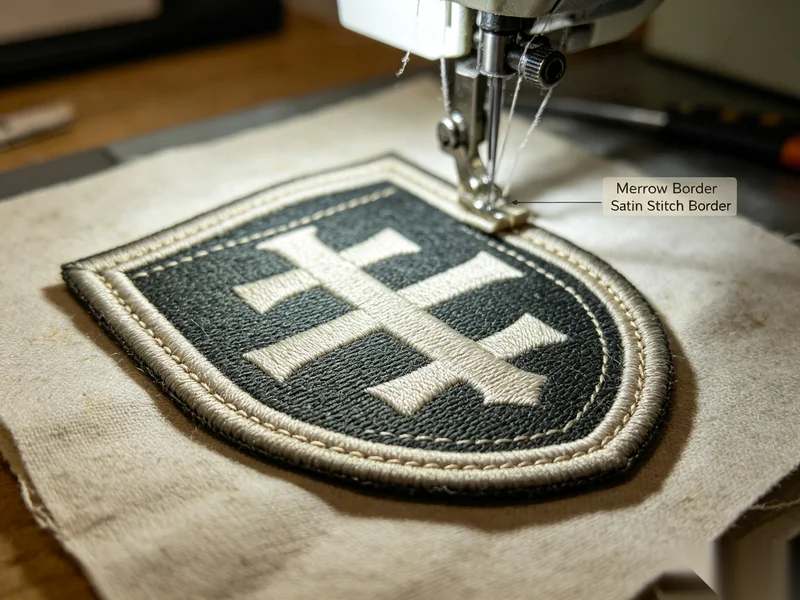
Patches are cut into custom shapes and edges are finished.
Step 4: Apply Heat-Activated Backing
A special adhesive layer is added to the back of the patch, enabling heat bonding.
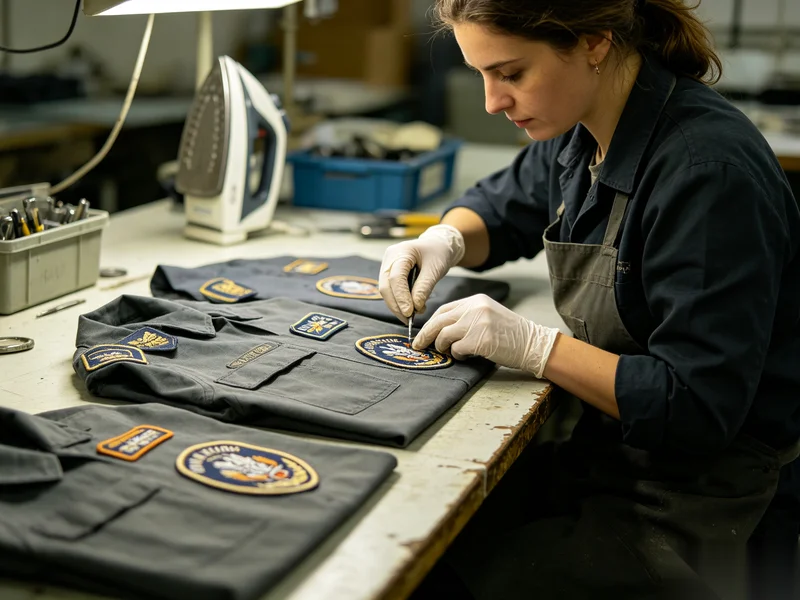
Step 5: Quality Inspection
Manufacturers check:
- Stitch quality
- Adhesive performance
- Edge finishing
What Is the Difference Between Iron On and Sew On Patches?
Answer:
| Feature | Iron On Patches | Sew On Patches |
|---|---|---|
| Application | Heat bonding | Stitching |
| Speed | Fast | Slower |
| Durability | Moderate | High |
| Labor Cost | Lower | Higher |
| Best Use | Fashion & retail | Workwear & heavy use |
Many businesses use iron-on patches for convenience and add stitching when extra durability is needed.
How Can Businesses Use Custom Iron On Patches?
Answer:
Custom iron on patches are widely used across industries.
Apparel Manufacturing
Quickly apply logos and branding during final production stages.
Retail Products
Sell ready-to-apply patches for DIY customization.
Promotional Campaigns
Create branded patches for events and marketing.
Uniform Branding
Apply patches efficiently across large batches.
How to Choose a Reliable Iron On Patch Supplier?
Answer:
Selecting the right supplier ensures product quality and consistency.
Key Factors
Adhesive Quality
Strong, heat-activated glue is essential for durability.
Embroidery Precision
Clean stitching improves brand image.
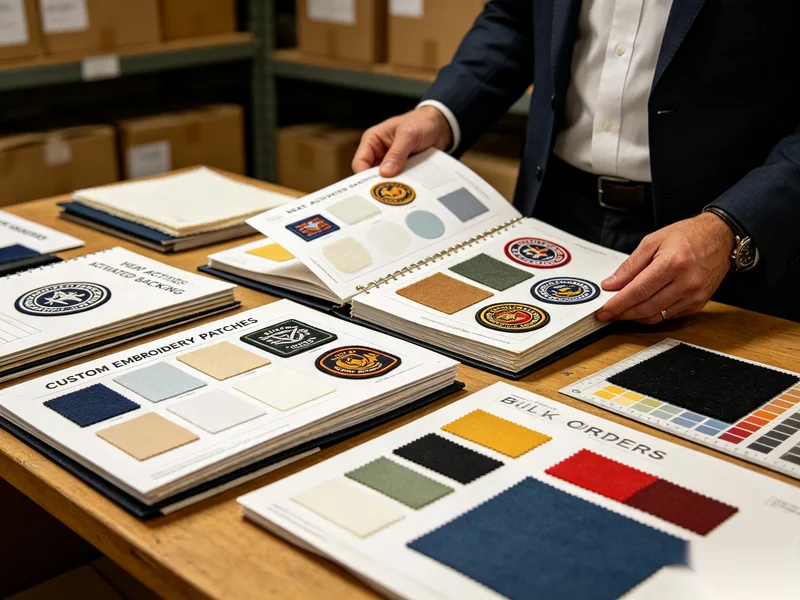
Customization Options
Look for flexibility in:
- Size and shape
- Thread colors
- Backing types
Production Capacity
Important for bulk and repeat orders.
Can Small Businesses Use Iron On Embroidered Patches?
Answer:
Yes, iron on patches are ideal for small businesses because they are easy to apply and do not require specialized equipment.
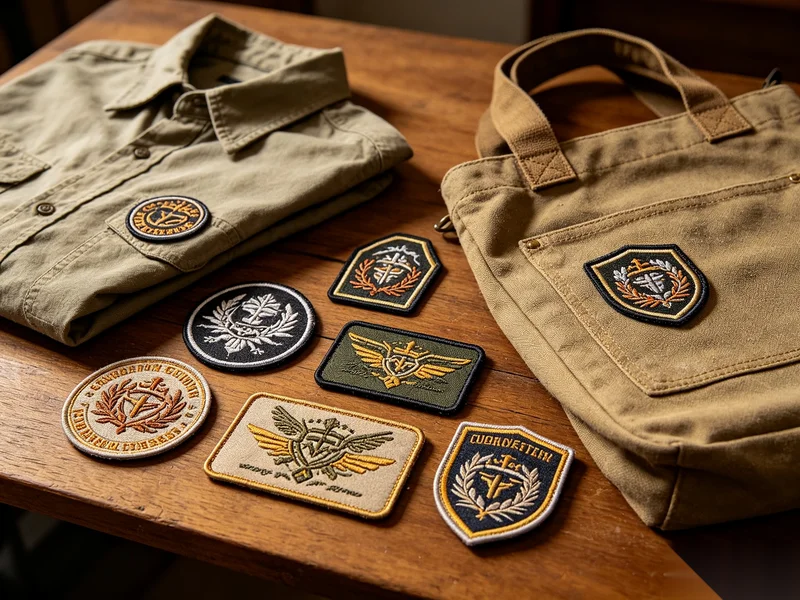
They are commonly used by:
- Startup clothing brands
- Boutique designers
- Promotional product sellers
Iron-on patches allow small brands to create professional-looking products with minimal investment.
Frequently Asked Questions About Custom Embroidery Patches Iron On
1. Do iron on patches stay on after washing?
Yes, if applied correctly, they can withstand washing, but stitching improves durability.
2. Can I apply iron on patches without a heat press?
Yes, a household iron can be used, but results may vary.
3. What temperature is needed for application?
Typically medium to high heat (around 150–180°C), depending on fabric.
4. Can iron on patches be removed?
Yes, heat can soften the adhesive for removal, but residue may remain.
5. Are iron on patches suitable for bulk production?
Yes, especially when using industrial heat press equipment.
6. Can all fabrics use iron on patches?
No, heat-sensitive fabrics are not suitable.
Conclusion
Custom embroidery patches iron on provide a practical and efficient solution for businesses looking to combine high-quality embroidery with fast application. They are ideal for apparel brands, wholesalers, and manufacturers who need scalable customization without complex sewing processes.
By choosing high-quality materials and reliable suppliers, businesses can ensure consistent results and enhance product value while maintaining efficient production workflows.
About Author
——————————————————————————————————————————————

Alexander
Online Sales Manager
Alexander specialize in digital marketing and understanding customer psychology, providing clients with the right solutions through data insights and creative strategies.
——————————————————————————————————————————————