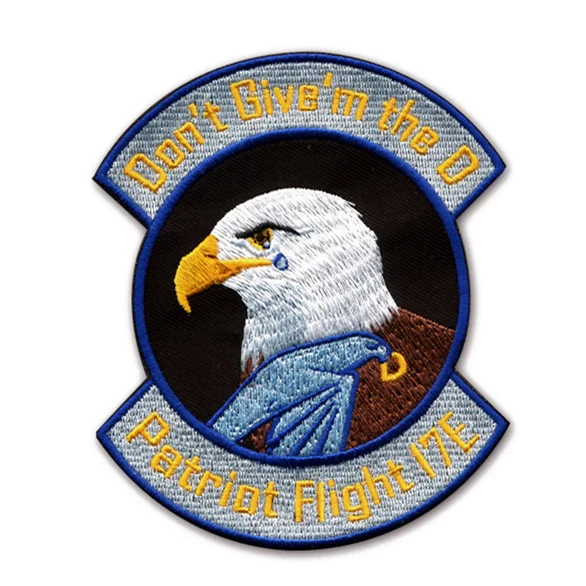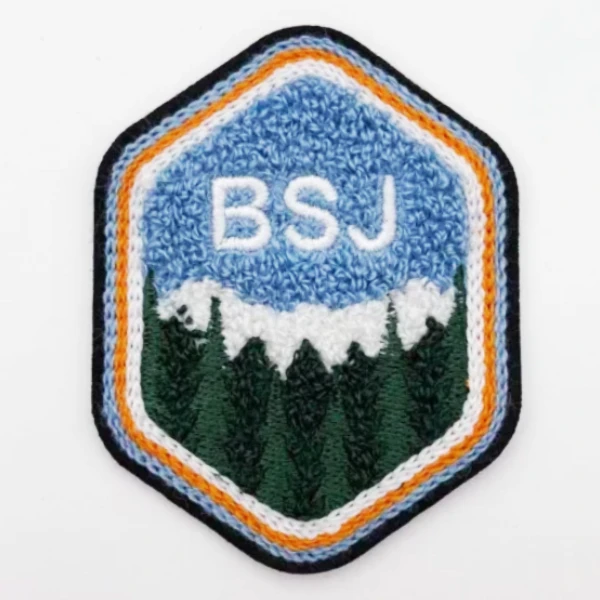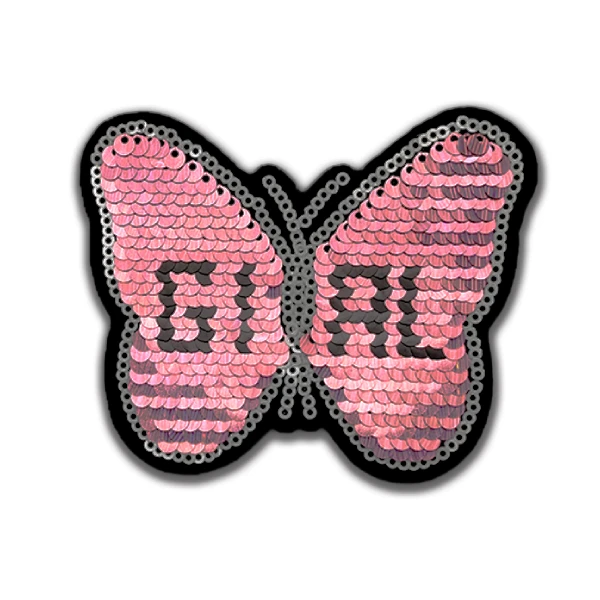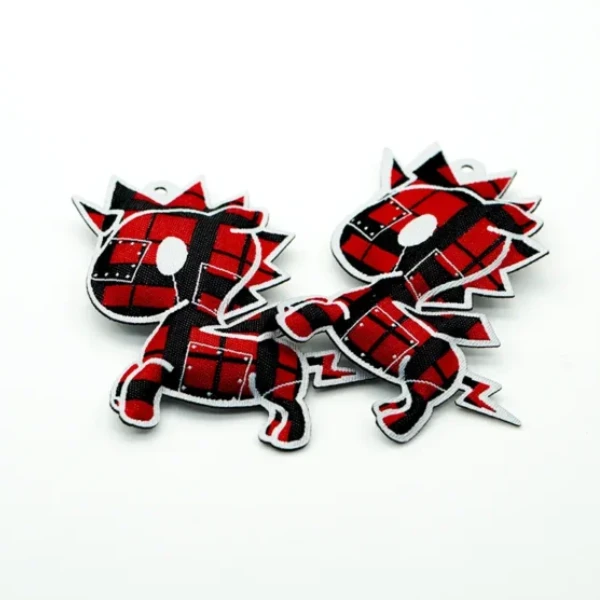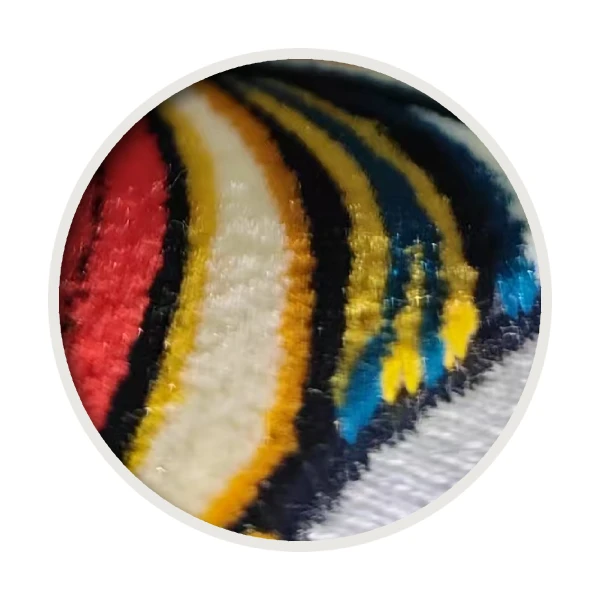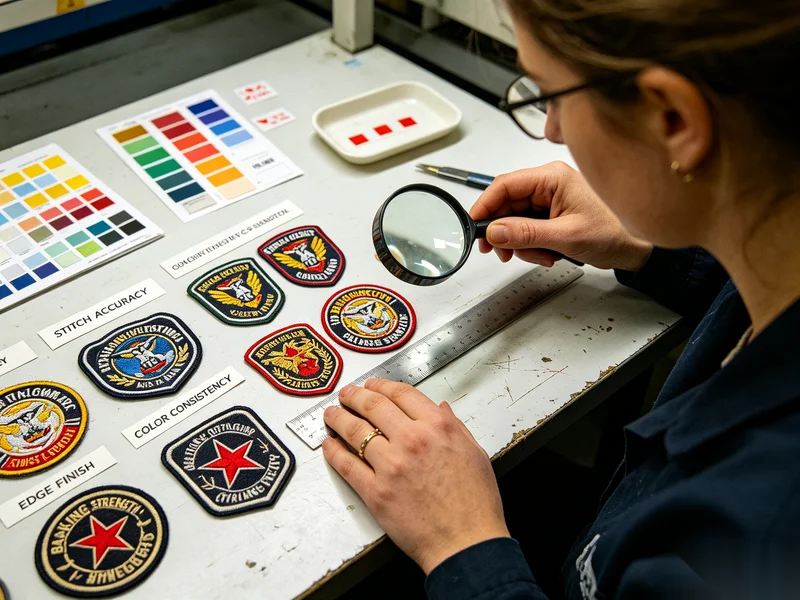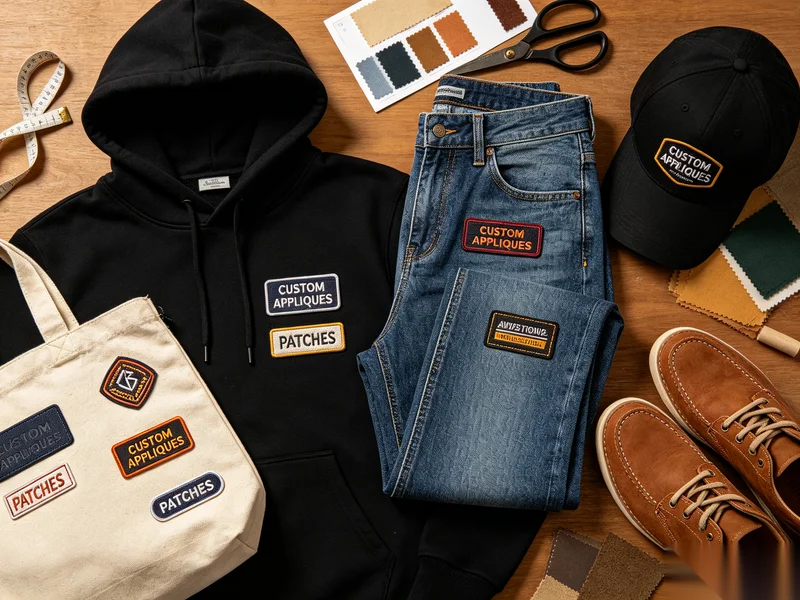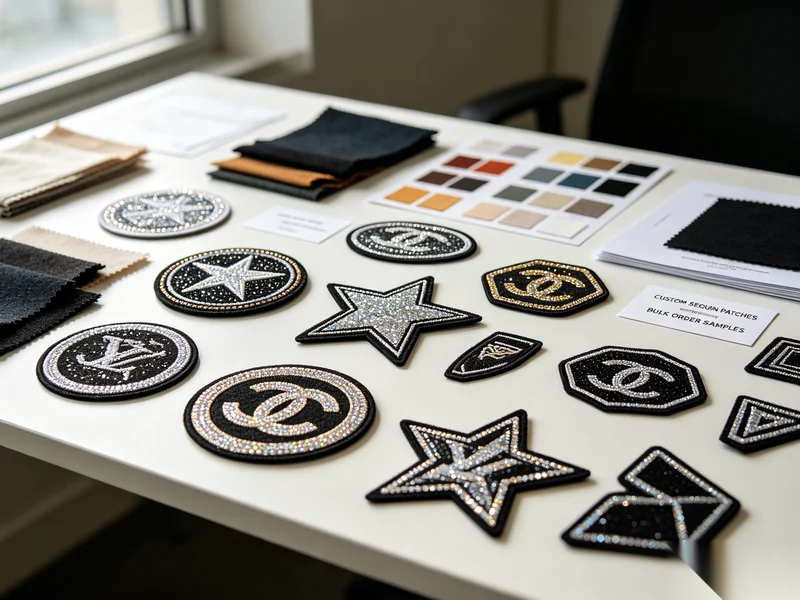
Embroidery clothing patches are decorative fabric patches stitched with logos, designs, or text and applied to garments for branding and style. They offer durability, a premium textured look, and flexible customization, making them ideal for clothing brands, manufacturers, and wholesalers seeking scalable product differentiation.
Quick Overview of Embroidered Clothing Patches
| Feature | Details |
|---|---|
| Product Type | Fabric patches with embroidered designs |
| Main Purpose | Branding, decoration, identification |
| Materials | Twill, felt, polyester, leather |
| Attachment Methods | Sew-on, iron-on, Velcro |
| Common Uses | Apparel, uniforms, accessories |
| Target Buyers | Brands, wholesalers, manufacturers |
For B2B buyers, embroidered patches provide an efficient way to enhance product value without redesigning the entire garment.
What Are Embroidered Clothing Patches?
Answer:
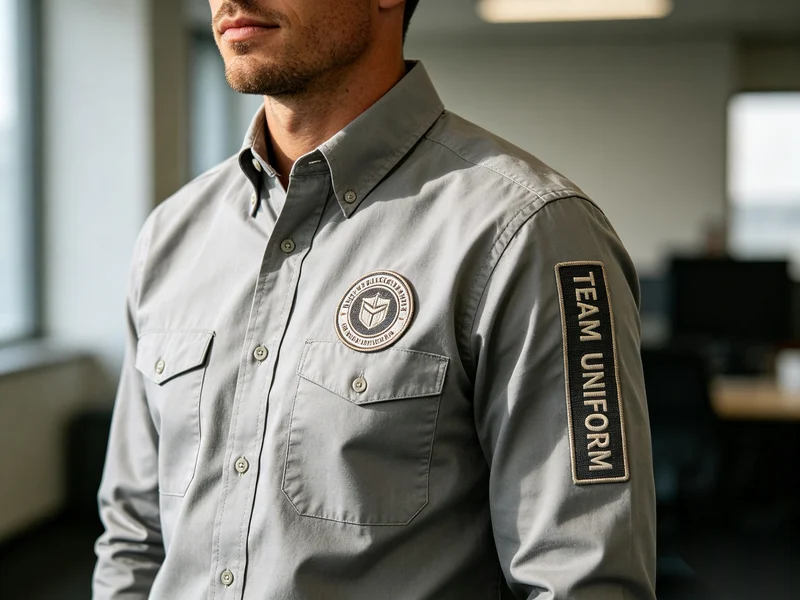
Embroidered clothing patches are textile labels or decorative pieces created by stitching thread onto a fabric base to form logos, symbols, or artwork. These patches are then attached to garments such as jackets, hoodies, shirts, and uniforms.
They are widely used in:
- Fashion and streetwear
- Corporate uniforms
- Sports teams
- Workwear
- Promotional merchandise
Compared with printing, embroidery creates a raised texture that enhances visual appeal and gives products a more premium look.
Why Do Brands Use Custom Embroidered Patches for Clothing?
Answer:
Brands use custom embroidered patches because they combine durability, flexibility, and strong branding impact.
Durable and Long-Lasting
Embroidered patches can withstand repeated washing and daily wear, especially when sewn onto garments.
Premium Appearance
The textured stitching creates depth and a high-quality feel, helping products stand out in competitive markets.
Flexible Customization
Brands can customize:
- Logo design
- Size and shape
- Thread colors
- Border styles
- Backing options
Easy Integration Into Production
Patches can be produced separately and applied during final garment assembly, simplifying manufacturing workflows.
How Are Embroidered Clothing Patches Made?
Answer:
The production of embroidered patches follows a structured process to ensure quality and consistency.
Step 1: Design Digitization
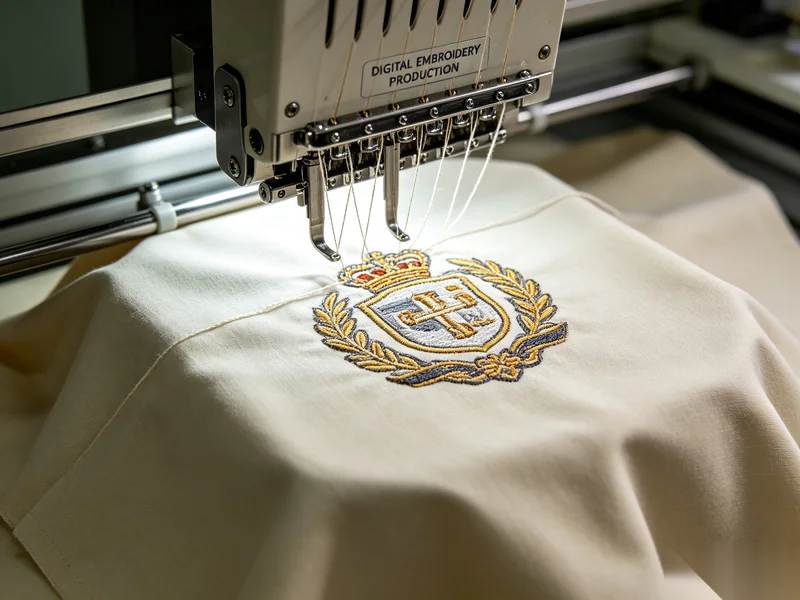
Artwork is converted into a digital embroidery file that controls stitching patterns, thread direction, and color sequences.
Step 2: Material Selection
Answer:
Common base materials include:
- Twill for smooth embroidery
- Felt for soft texture
- Polyester for durability
- Leather for premium applications
Thread selection also affects appearance and longevity.
Step 3: Embroidery Production
Computerized embroidery machines stitch the design onto the fabric based on the digitized file.
This step ensures:
- Accurate logo reproduction
- Consistent quality
- Efficient bulk production
Step 4: Cutting and Finishing
Patches are cut into custom shapes and finished with borders such as:
- Merrow edges
- Laser-cut edges
- Heat-sealed edges
Step 5: Backing Application
Answer:
Different backing options are added depending on usage:
- Sew-on backing for maximum durability
- Iron-on backing for quick application
- Velcro backing for removable patches
- Adhesive backing for temporary use
What Types of Embroidered Clothing Patches Are Available?
Answer:
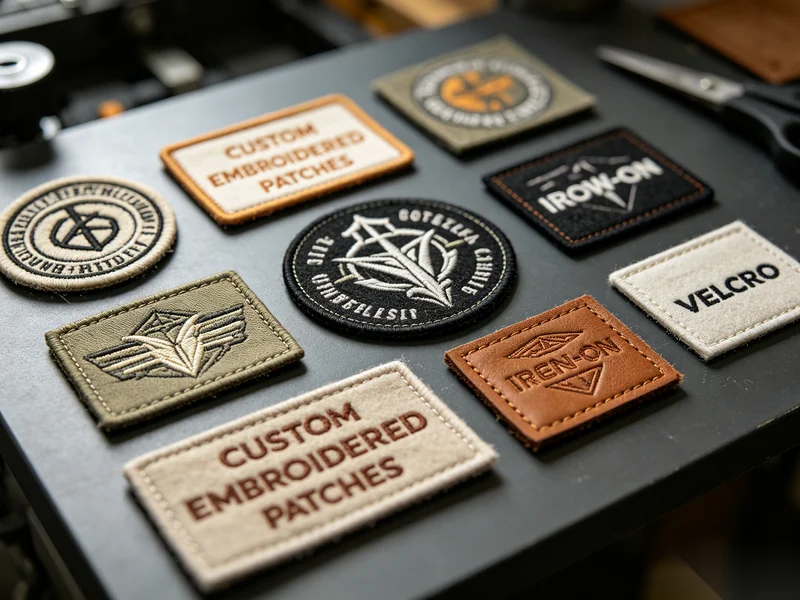
Businesses can choose from multiple patch types depending on their branding needs.
Standard Embroidered Patches
- Classic stitched design
- Suitable for logos and uniforms
Iron-On Embroidered Patches
- Heat-activated backing
- Faster application for retail products
Sew-On Embroidered Patches
- Strong and permanent attachment
- Ideal for heavy-use garments
3D Puff Embroidery Patches
- Raised foam effect
- Popular for caps and bold designs
Chenille Patches
- Soft, textured surface
- Common in varsity and streetwear styles
How Do Embroidered Patches Improve Clothing Brand Value?
Answer:
Embroidered patches enhance brand value by improving product appearance and strengthening identity.
Strong Brand Recognition
Custom patches make logos more visible and memorable.
Product Differentiation
Unique designs help brands stand out in crowded markets.
Increased Perceived Quality
Consumers associate embroidery with durability and craftsmanship.
Versatile Design Options
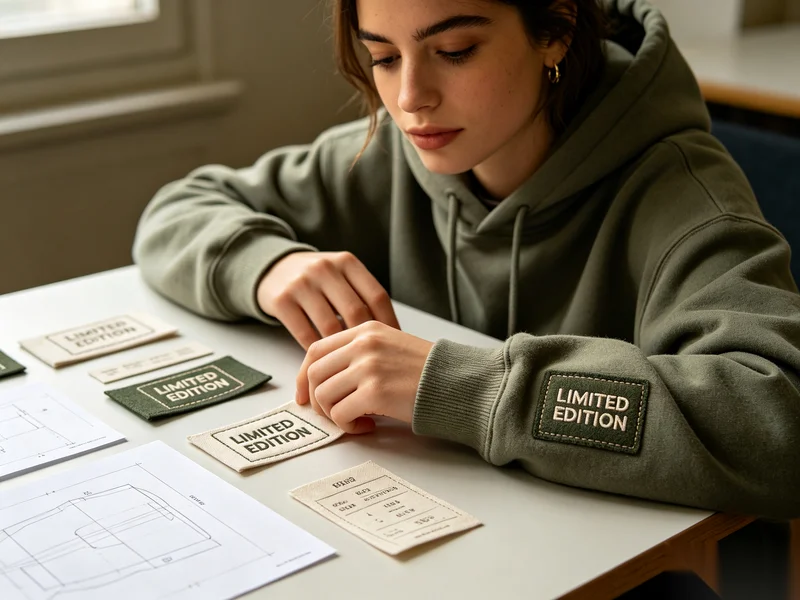
Brands can easily create seasonal or limited-edition variations.
How to Choose the Right Embroidered Patch for Clothing?
Answer:
Selecting the right patch depends on product type, usage, and brand positioning.
Consider Fabric Compatibility
Different garments require different patch materials and backing methods.
Choose the Right Size and Placement
Patch size should match the garment design and intended visibility.
Select Suitable Backing
- Sew-on for durability
- Iron-on for convenience
- Velcro for flexibility
Evaluate Design Complexity
Simpler designs often produce cleaner embroidery results.
How to Work with Embroidered Patch Manufacturers?
Answer:
Businesses should collaborate closely with manufacturers to ensure quality and efficiency.
Provide Clear Artwork
High-quality design files improve production accuracy.
Confirm Specifications
Include:
- Size
- Colors
- Materials
- Backing type
- Quantity
Request Samples
Sampling helps verify design and quality before bulk production.
Plan Bulk Orders
Wholesale production reduces costs and ensures consistent supply.
Can Small Brands Use Embroidered Clothing Patches?
Answer:
Yes, embroidered patches are suitable for small brands and startups. They offer a cost-effective way to create professional-looking products and establish brand identity.
Small businesses can use patches to:
- Customize basic garments
- Launch limited collections
- Build brand recognition
Why Are Embroidered Clothing Patches Important in Modern Apparel?
Answer:
Embroidered patches remain essential because they combine functionality, durability, and visual appeal. They allow brands to add unique design elements without complex manufacturing changes.
For modern apparel businesses, patches are a strategic tool for:
- Branding
- Product differentiation
- Cost control
- Flexible design updates
Frequently Asked Questions About Embroidered Clothing Patches
1. What is the best backing for clothing patches?
Sew-on backing provides the strongest durability, while iron-on is faster for application.
2. Are embroidered patches washable?
Yes, high-quality patches are designed to withstand regular washing.
3. Can patches be customized with logos?
Yes, manufacturers can create patches based on custom logos and designs.
4. What materials are commonly used?
Twill, felt, polyester, and leather are widely used.
5. Are embroidered patches suitable for bulk orders?
Yes, they are commonly produced in large quantities for brands and manufacturers.
6. How long does production take?
Production time depends on design complexity and order size.
Conclusion
Embroidered clothing patches are a powerful solution for businesses looking to enhance apparel branding and product value. With durable construction, premium appearance, and flexible customization, they are widely used across fashion, uniforms, and promotional industries.
By working with experienced manufacturers, brands can produce high-quality custom embroidered patches that support scalable production and strong market differentiation.
About Author
——————————————————————————————————————————————

Alexander
Online Sales Manager
Alexander specialize in digital marketing and understanding customer psychology, providing clients with the right solutions through data insights and creative strategies.
——————————————————————————————————————————————