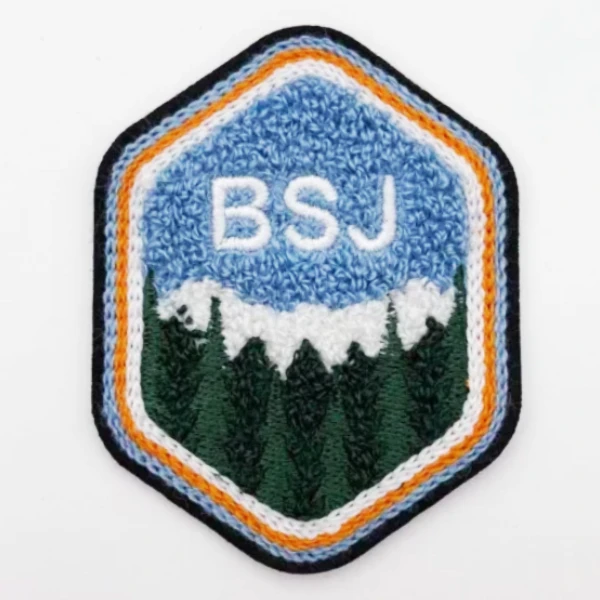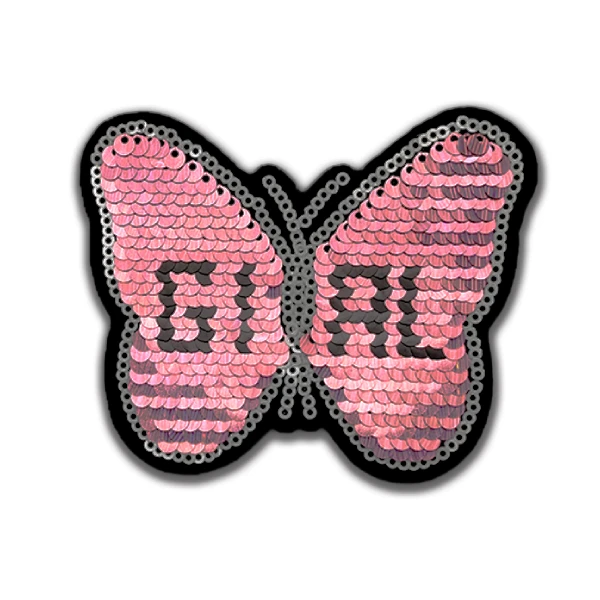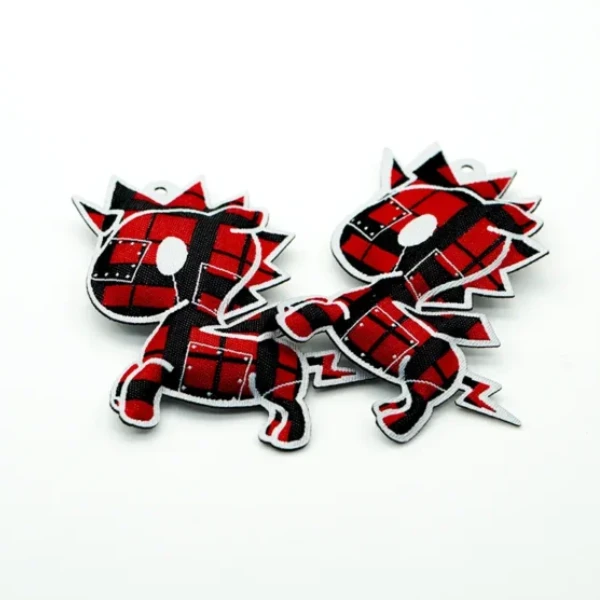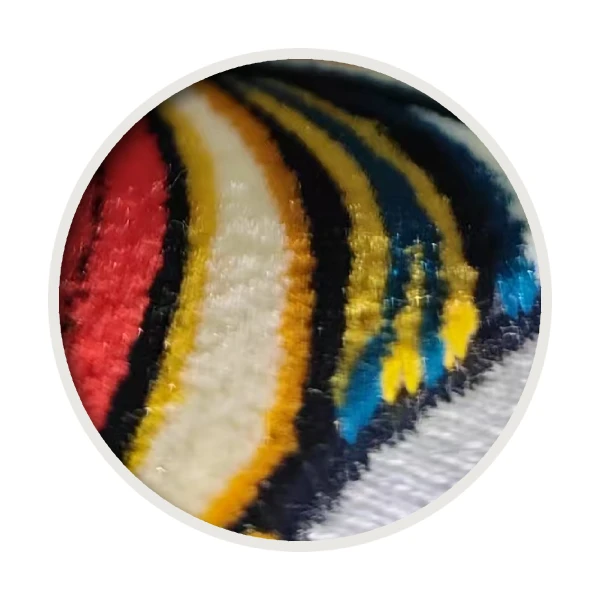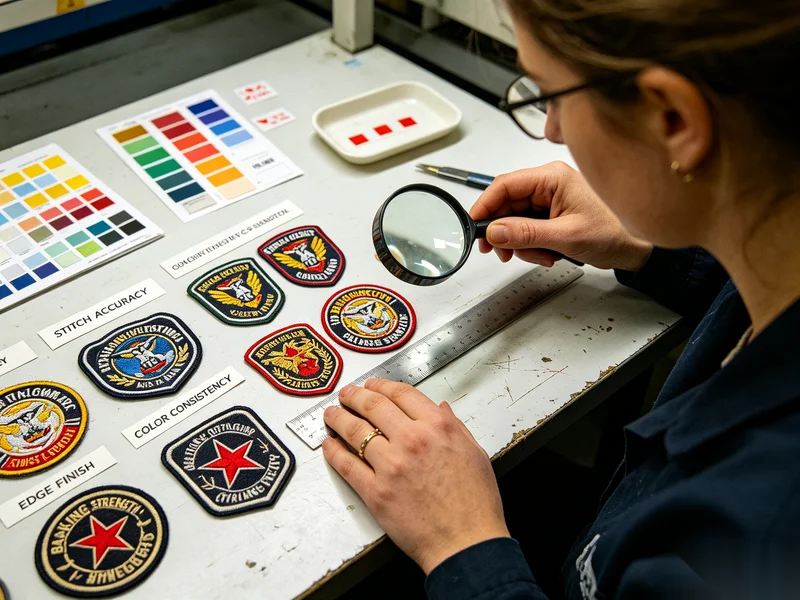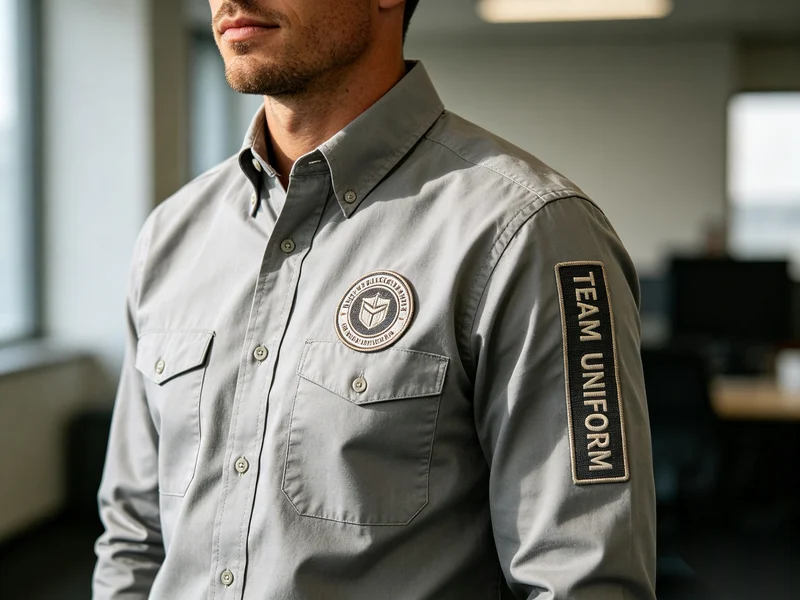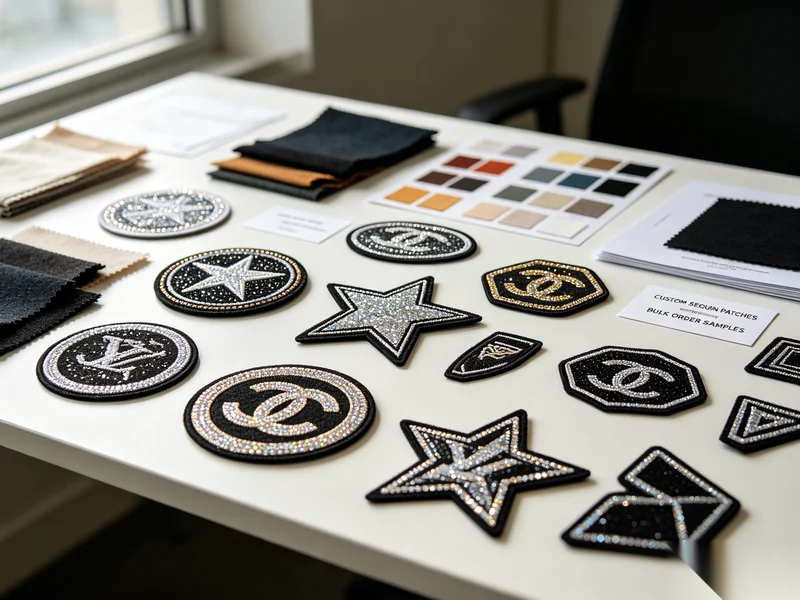
Appliques and patches are decorative textile elements used to enhance apparel, accessories, and branded products. They allow businesses to add logos, designs, and textures through fabric layering or embroidery, offering a durable, customizable, and cost-effective solution for large-scale branding and product differentiation.
Quick Overview of Appliques and Patches
| Feature | Details |
|---|---|
| Product Type | Decorative textile elements |
| Main Function | Branding, decoration, customization |
| Techniques | Embroidery, fabric layering, printing, PVC |
| Materials | Twill, felt, leather, chenille, silicone |
| Attachment Methods | Sew-on, iron-on, Velcro, adhesive |
| Target Users | Apparel brands, wholesalers, manufacturers |
For B2B buyers, appliques and patches provide a scalable way to upgrade product value without redesigning the entire garment.
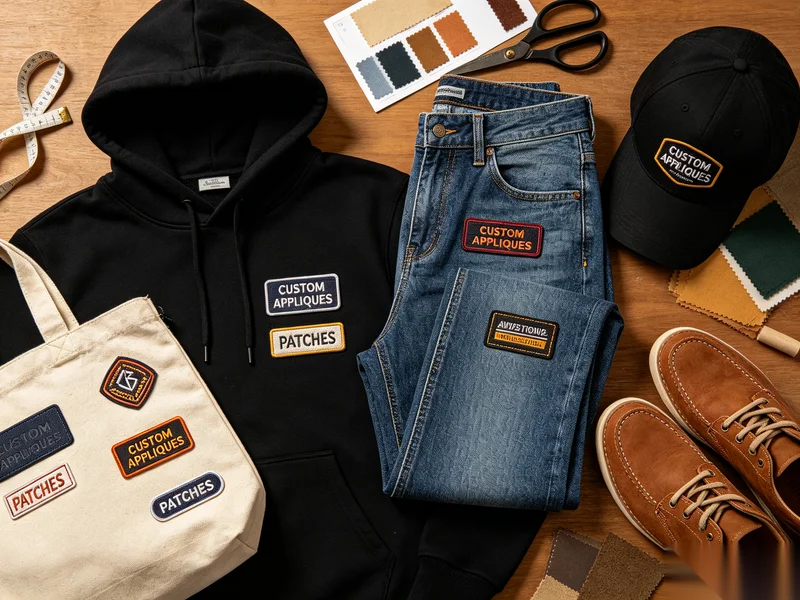
What Are Appliques and Patches?
Answer:
Appliques and patches are fabric-based decorative elements applied to garments or accessories to display logos, patterns, or branding details.
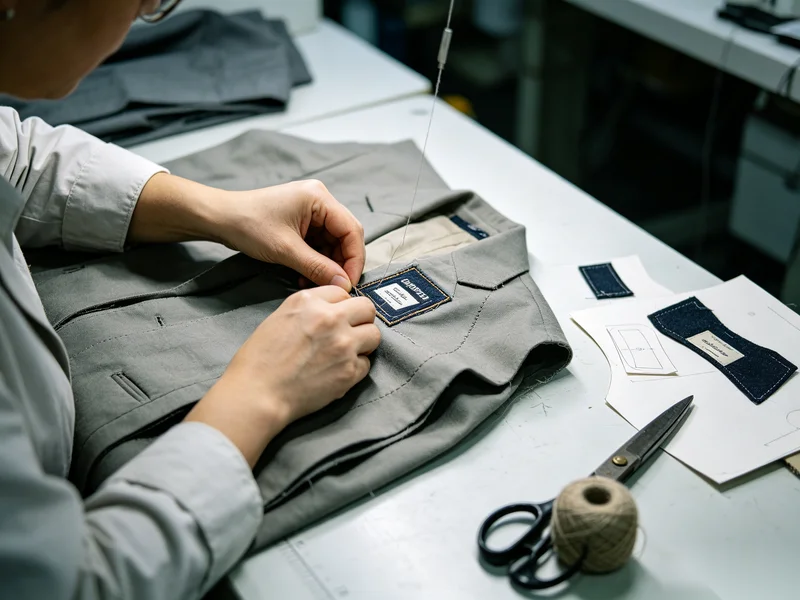
- Appliques are typically fabric pieces sewn directly onto a base material to create layered designs.
- Patches are standalone decorative pieces that can be attached using sewing, heat, or other methods.
Both are widely used across industries such as fashion, uniforms, sportswear, and promotional products.
Why Do Businesses Use Custom Appliques and Patches?
Answer:
Businesses use custom appliques and patches because they offer flexibility, durability, and strong visual branding without increasing production complexity.
Key Business Benefits
Cost-Effective Customization
Instead of altering garment production, brands can add patches to standard products.
Strong Brand Identity
Custom logos and designs improve recognition and consistency.
Premium Visual Appeal
Layered fabrics and embroidery create texture and depth.
Scalable Production
Suitable for both small runs and bulk manufacturing.
How Are Appliques and Patches Manufactured?
Answer:
The manufacturing process combines design, material selection, production techniques, and finishing.
Step 1: Design and Digitization
Designs are prepared based on customer artwork. For embroidery, files are digitized to guide stitching machines.
Manufacturers evaluate:
- Design complexity
- Color usage
- Material compatibility
- Production feasibility
Step 2: Material Selection
Answer:
Material choice affects durability and appearance.
Common options include:
- Twill: Smooth surface, ideal for embroidery
- Felt: Soft texture, popular for fashion
- Leather: Premium appearance for high-end products
- Chenille: Fuzzy texture for varsity styles
- PVC/Silicone: Waterproof and durable
Step 3: Production Techniques
Answer:
Different production methods are used depending on design goals.
Embroidered Appliques
Use stitching to create detailed and durable designs.
Fabric Layering Appliques
Combine multiple fabrics for color contrast and dimensional effects.
Embroidered Patches
Standalone patches with stitched designs.
Specialty Patches
Include:
- Sequin patches
- Chenille patches
- PVC patches
- Leather patches
Step 4: Cutting and Finishing
Patches are cut into custom shapes and finished with:
- Merrow borders
- Laser-cut edges
- Heat-sealed backing
Step 5: Backing Application
Answer:
Different backing options determine how patches are applied:
- Sew-on (most durable)
- Iron-on (fast application)
- Velcro (removable)
- Adhesive (temporary use)
What Is the Difference Between Appliques and Patches?
Answer:
| Feature | Appliques | Patches |
|---|---|---|
| Structure | Integrated fabric layer | Separate piece |
| Application | Sewn directly onto product | Attached after production |
| Design Style | Layered and decorative | Logo-focused |
| Flexibility | Less removable | More flexible |
Many brands combine both techniques for creative product design.
How Can Brands Use Appliques and Patches in Product Development?
Answer:
Appliques and patches can be integrated into product strategies to improve branding and visual appeal.
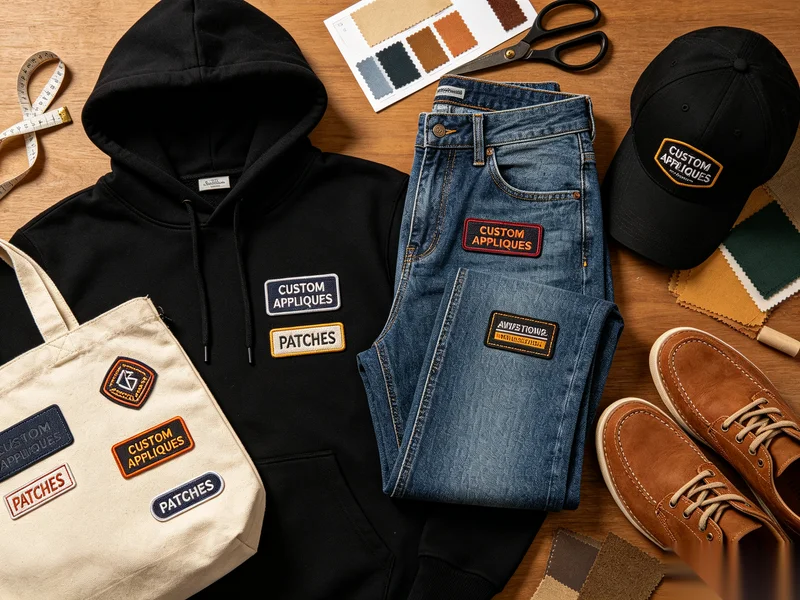
Apparel Branding
Used on:
- Jackets
- Hoodies
- Jeans
- T-shirts
Accessories and Gear
Applied to:
- Bags
- Hats
- Shoes
Uniforms and Workwear
Used for:
- Identification
- Company branding
- Team logos
Promotional Products
Ideal for:
- Events
- Corporate merchandise
- Marketing campaigns
Why Are Appliques and Patches Important for B2B Buyers?
Answer:
For manufacturers and wholesalers, appliques and patches offer a flexible and efficient solution for product customization.
Advantages for Bulk Production
- Consistent quality across large orders
- Reduced manufacturing complexity
- Easy design updates
- Cost control for large-scale production
Supply Chain Efficiency
Bulk patch production can be managed separately and applied during final assembly, improving workflow flexibility.
How to Choose the Right Applique and Patch Manufacturer?
Answer:
Selecting the right supplier is critical for quality and reliability.
Key Considerations
Experience
Look for manufacturers with expertise in multiple patch techniques.
Customization Options
Ensure support for:
- Materials
- Shapes
- Sizes
- Backing types
Quality Control
Check for strict inspection standards.
Production Capacity
Important for wholesale and repeat orders.
Communication
Clear communication reduces errors and improves efficiency.
Can Small Brands Use Appliques and Patches?
Answer:
Yes, small brands can use appliques and patches to create unique products and establish brand identity.
They are especially useful for:
- Startup fashion brands
- Boutique clothing lines
- Limited edition collections
Even with smaller budgets, patches provide a professional upgrade to basic products.
Frequently Asked Questions About Appliques and Patches
1. What products can use appliques and patches?
They are used on clothing, accessories, uniforms, bags, hats, and more.
2. Are embroidered patches durable?
Yes, especially with sew-on backing, they can last through repeated use and washing.
3. Can patches be customized with logos?
Yes, manufacturers can create fully customized designs based on brand requirements.
4. What is the best backing option?
Sew-on is most durable, while iron-on is faster and more convenient.
5. Are appliques suitable for bulk production?
Yes, they are widely used in large-scale manufacturing.
6. How long does production take?
Production time depends on design complexity and order size.
Conclusion
Appliques and patches are essential tools for modern textile branding, offering flexibility, durability, and strong visual impact. From embroidered appliques to custom patches, these solutions allow businesses to enhance product design and build recognizable brand identity.
For apparel manufacturers, wholesalers, and fashion brands, investing in high-quality custom appliques and patches is an effective way to create differentiated products while maintaining efficient production processes.
About Author
——————————————————————————————————————————————

Alexander
Online Sales Manager
Alexander specialize in digital marketing and understanding customer psychology, providing clients with the right solutions through data insights and creative strategies.
——————————————————————————————————————————————