For apparel brands, garment labels are more than just fabric tags sewn into clothing. They are a permanent representation of your brand, a source of essential product information, and often the first detail customers notice when evaluating garment quality. Choosing the right garment label supplier can directly impact your brand image, production efficiency, compliance, and customer experience.
Whether you’re launching a startup clothing brand, managing a private-label apparel business, or sourcing labels for large-scale garment production, working with a reliable supplier is critical to long-term success.
What Is a Garment Label Supplier?
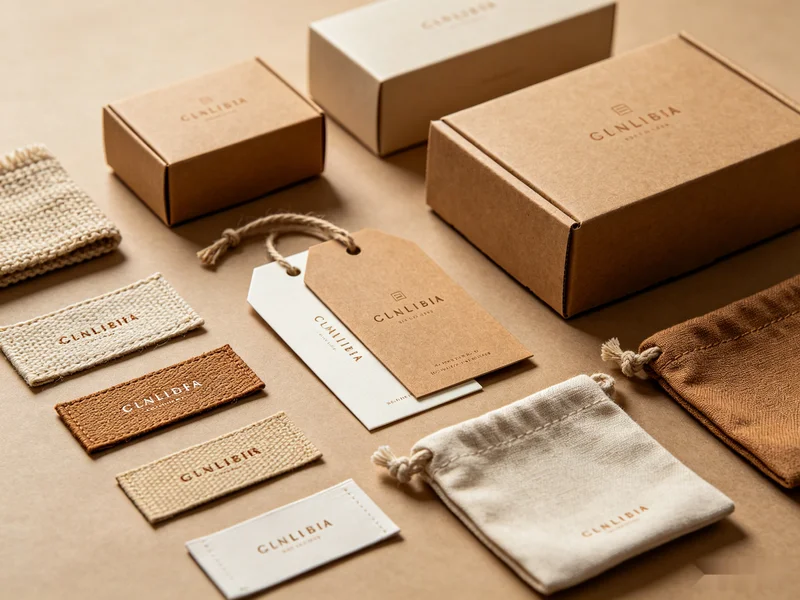
A garment label supplier specializes in designing and manufacturing labels, tags, and branding accessories used in apparel production.
Typical products include:
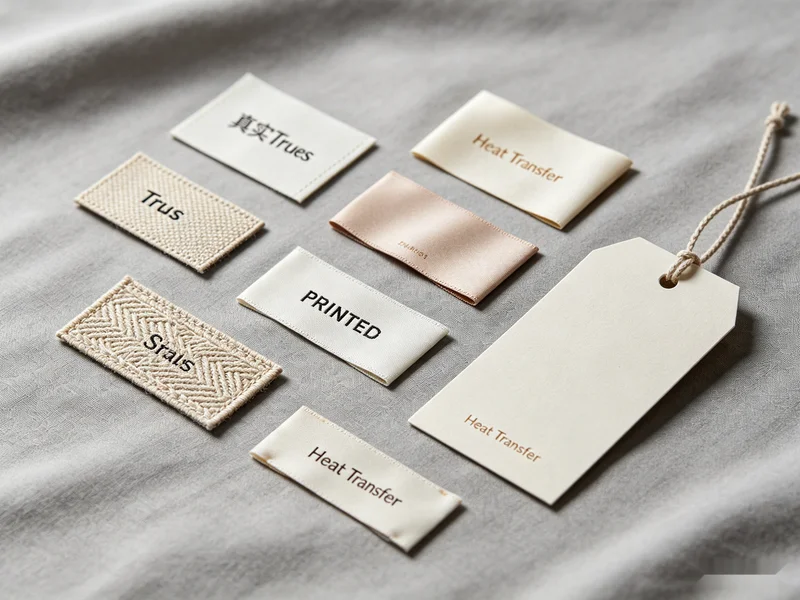
- Woven labels
- Printed labels
- Satin labels
- Wash care labels
- Size labels
- Heat transfer labels
- Hang tags
- Silicone labels
- PVC labels
- Packaging accessories
The best suppliers provide more than manufacturing—they help brands select the right materials, improve label designs, and ensure compliance with market requirements.
Why Garment Labels Matter More Than Most Brands Realize
Many clothing brands spend months developing fabrics, fits, and marketing campaigns while treating labels as an afterthought.
However, garment labels influence:
Brand Identity
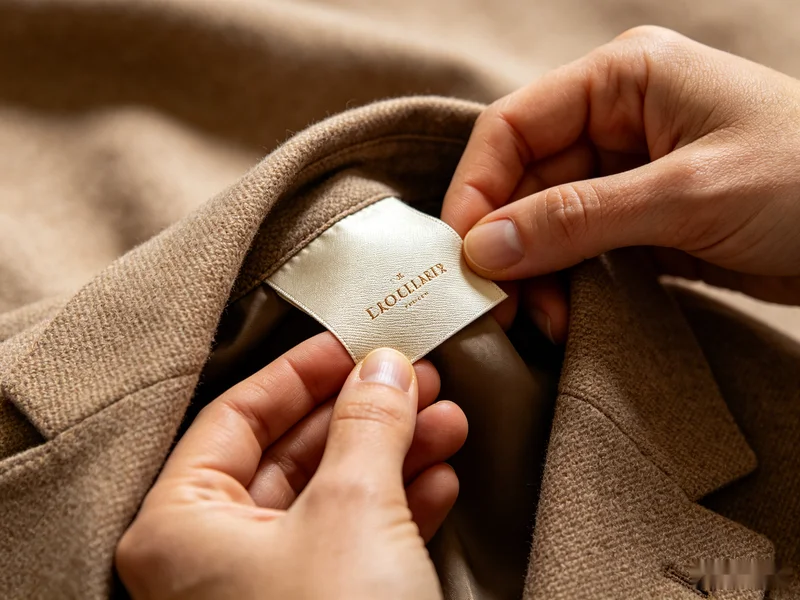
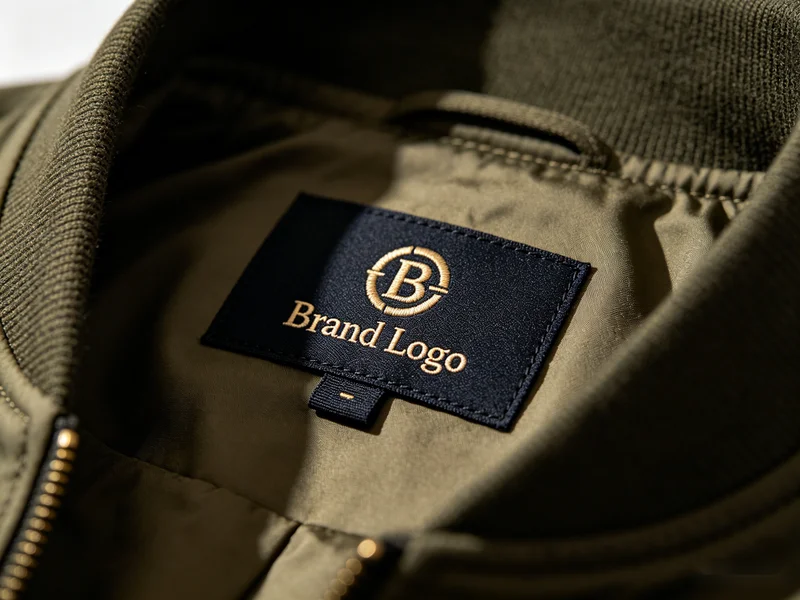
The label is often the only permanent branding element attached to the garment.
A well-designed label helps:
- Build brand recognition
- Increase customer recall
- Create a premium appearance
- Differentiate products from competitors
Industry experts consistently describe garment labels as one of the most important physical brand touchpoints in apparel products.
Customer Perception
Customers often associate label quality with garment quality.
Premium labels communicate:
- Professionalism
- Attention to detail
- Higher product value
Even a simple T-shirt can appear significantly more premium when paired with high-quality labels and tags.
Compliance Requirements
Many apparel markets require permanent labels containing:
- Fiber composition
- Care instructions
- Country of origin
- Manufacturer information
For brands selling in the U.S., care instructions, fiber content, country of origin, and company identification are often essential labeling elements.
Types of Labels a Professional Garment Label Supplier Should Offer
Woven Labels
Woven labels are created by weaving threads directly into the design.
Advantages
- Premium appearance
- Long-term durability
- Resistant to fading
- Professional branding
Best For
- Fashion brands
- Streetwear
- Denim brands
- Luxury apparel
Woven labels are commonly chosen for main brand identification because they offer excellent durability and strong visual appeal.
Printed Labels
Printed labels use ink or thermal printing technology to display information.
Advantages
- Lower production cost
- Fast manufacturing
- Excellent for detailed information
Best For
- Care labels
- Fiber content labels
- Size labels
Printed labels remain one of the most cost-effective solutions for high-volume apparel production.
Satin Labels
Satin labels feature a soft and smooth surface.
Advantages
- Comfortable against skin
- High print clarity
- Lightweight construction
Best For
- Baby clothing
- Lingerie
- Sportswear
- Premium apparel
Many brands use satin material for care labels because it combines softness with excellent print quality.
Heat Transfer Labels
Also known as tagless labels.
Applied directly onto garments using heat and pressure.
Advantages
- No sewn-in label
- Improved comfort
- Modern appearance
Best For
- Activewear
- Performance apparel
- Children’s clothing
Heat-transfer labels are increasingly popular in sportswear because they eliminate label irritation.
What Makes a Great Garment Label Supplier?
Many suppliers can produce labels.
Few can become long-term branding partners.
When evaluating suppliers, consider the following factors.
1. Manufacturing Experience
Experienced suppliers understand:
- Apparel production workflows
- Label material performance
- International compliance requirements
- Large-scale manufacturing challenges
A supplier with years of industry experience is typically better equipped to prevent costly production mistakes.
2. Product Variety
Working with multiple suppliers often creates:
- Inconsistent branding
- Longer lead times
- Higher management costs
A strong supplier should provide:
- Labels
- Tags
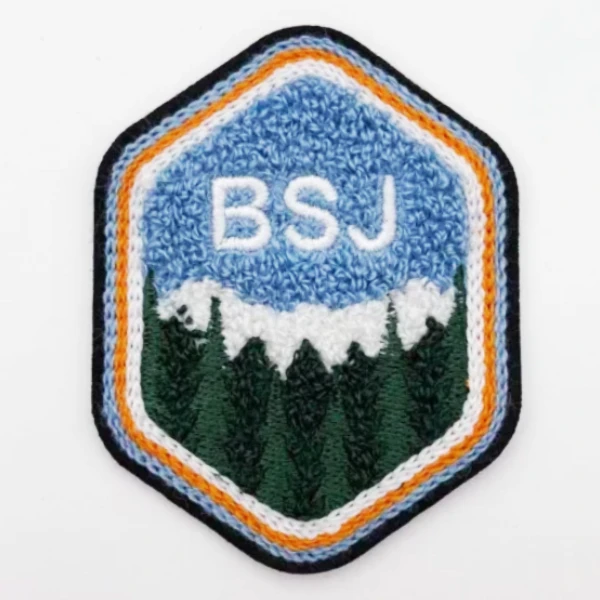
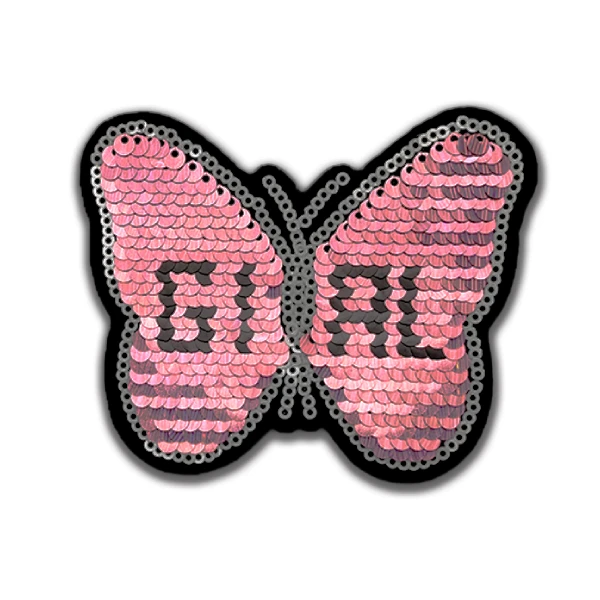
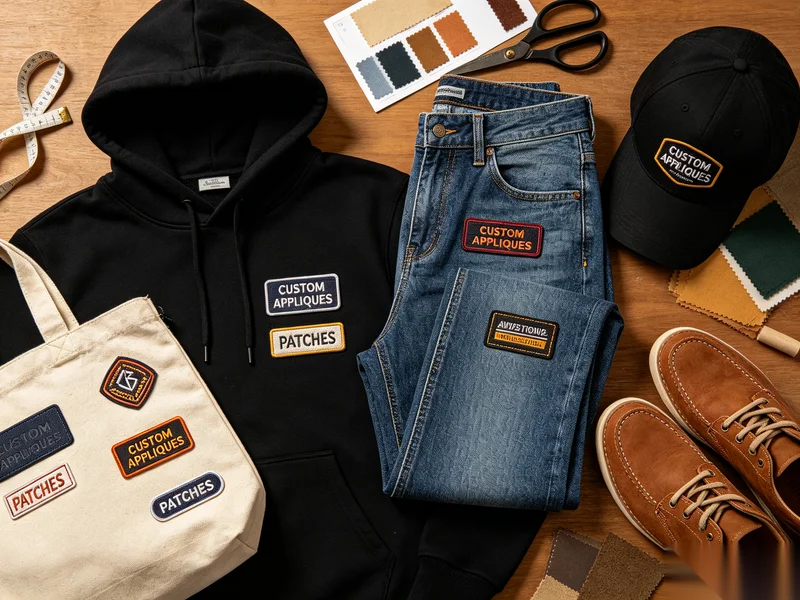
- Patches
- Packaging accessories
Under one roof.
3. Quality Control Systems
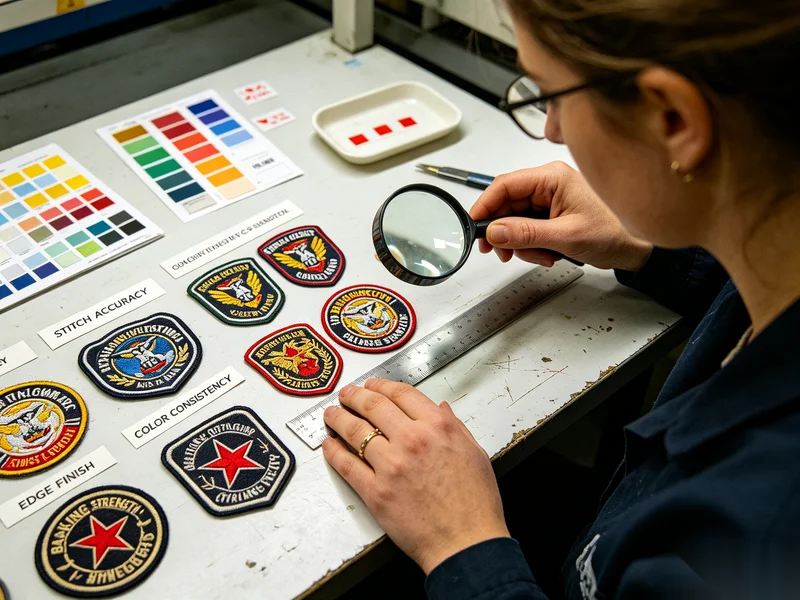
One common sourcing issue discussed by apparel brands is that production samples look excellent while bulk orders fail to maintain the same quality. Reliable suppliers should have clear quality control procedures and inspection standards.
Before choosing a supplier, ask about:
- Inspection processes
- Color consistency controls
- Wash testing
- Material certifications
4. Low MOQ and Scalability
Startup brands often require:
- Small production runs
- Flexible MOQs
- Fast sampling
As the brand grows, the same supplier should be capable of handling large-volume orders.
Many apparel startups specifically seek suppliers that can accommodate low MOQs while still supporting future growth.
5. Design and Technical Support
A good supplier should help optimize:
- Label dimensions
- Material selection
- Folding methods
- Artwork preparation
This support can significantly reduce development time and production errors.
Common Mistakes When Choosing a Garment Label Supplier
❌ Selecting Based Only on Price
The cheapest supplier often results in:
- Inconsistent quality
- Poor materials
- Delayed delivery
- Rework costs
❌ Ignoring Lead Times
Labels are often one of the final components added during garment production.
A delay in label delivery can delay the entire shipment.
❌ Ordering Without Sampling
Always test:
- Wash durability
- Color consistency
- Comfort
- Sewing performance
Before committing to bulk production.
❌ Using Different Suppliers for Different Components
Managing separate suppliers for labels, hang tags, and patches often creates branding inconsistencies and operational complexity.
Trends in Garment Label Manufacturing
Sustainable Label Materials
More brands are requesting:
- Recycled polyester labels
- Eco-friendly inks
- FSC-certified paper tags
Sustainability has become an important purchasing consideration across the apparel industry.
Digital Product Information
Modern labels increasingly include:
- QR codes
- Product authentication systems
- Digital care instructions
The fashion industry is gradually moving toward digital product information and traceability solutions.
Minimalist Branding
Many apparel brands now prefer:
- Smaller woven labels
- Simple logo applications
- Clean typography
Minimalist branding often creates a more premium and timeless appearance.

Why Choose BSJ as Your Garment Label Supplier?
With 28 years of manufacturing experience, BSJ provides complete apparel branding solutions for clothing brands, garment factories, sportswear companies, and private-label manufacturers worldwide.
BSJ Product Portfolio
✅ Woven labels
✅ Printed labels
✅ Satin labels
✅ Wash care labels
✅ Heat transfer labels
✅ Hang tags
✅ Silicone labels
✅ PVC labels
✅ Embroidered patches
✅ Custom packaging accessories
BSJ Manufacturing Advantages
✅ In-house production facility
✅ One-stop branding solutions
✅ OEM & ODM support
✅ Fast sampling services
✅ Low MOQ and bulk production capability
✅ Strict quality control system
✅ Global export experience
From startup clothing brands to large-scale apparel manufacturers, BSJ helps businesses create professional branding systems that enhance product value and strengthen brand identity.
Final Thoughts
Finding the right garment label supplier is not simply about purchasing labels—it’s about building a long-term partnership that supports your brand growth. The best suppliers offer consistent quality, technical expertise, flexible production capabilities, and comprehensive branding solutions.
By selecting a supplier that can provide woven labels, care labels, heat transfer labels, hang tags, and custom branding accessories under one roof, apparel brands can improve efficiency, maintain consistency, and create a stronger customer experience.
With BSJ’s 28 years of garment trim manufacturing expertise, brands can confidently develop high-quality labeling solutions that support compliance, enhance brand recognition, and drive long-term success in the global apparel market.
About Author
——————————————————————————————————————————————

Alexander
Online Sales Manager
Alexander specialize in digital marketing and understanding customer psychology, providing clients with the right solutions through data insights and creative strategies.
——————————————————————————————————————————————