Every garment tells a story through its design, fabric, and branding—but without proper care instructions, even the highest-quality clothing can quickly lose its appearance and performance. That’s why care labels for clothing are one of the most important yet often overlooked components in apparel manufacturing.
For fashion brands, sportswear companies, uniform suppliers, and private-label clothing businesses, care labels help protect both the garment and the brand. They provide essential washing, drying, ironing, and fabric care information that ensures customers can maintain their clothing correctly throughout its lifespan.
In many countries, care labels are not only a customer service tool but also a compliance requirement for apparel products sold through retail channels.
What Are Care Labels for Clothing?
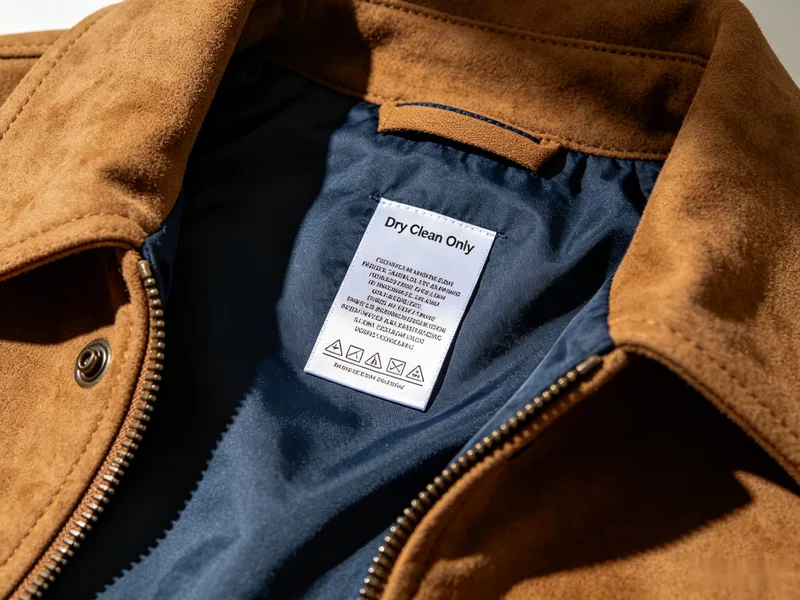
Care labels are informational tags attached to garments that provide instructions on how to clean, dry, iron, and maintain clothing.
A typical care label may include:
- Washing instructions
- Drying recommendations
- Ironing temperatures
- Bleaching restrictions
- Dry cleaning guidance
- Fabric composition
- Country of origin
- Manufacturer information
These labels are usually sewn into side seams, necklines, waistbands, or other discreet locations within the garment.
Why Are Care Labels Important?
Many clothing brands focus heavily on design and branding but underestimate the value of accurate care instructions.
A well-designed care label helps:
Protect Garment Quality
Different fabrics require different maintenance methods.
For example:
- Cotton can often tolerate higher washing temperatures.
- Wool may require gentle washing or hand washing.
- Performance fabrics may be damaged by excessive heat.
Without clear instructions, customers may accidentally shorten the life of the garment.
Reduce Customer Complaints
One of the most common reasons for product complaints is fabric damage caused by improper care.
Clear care instructions help customers avoid:
- Shrinkage
- Fading
- Fabric distortion
- Print cracking
- Logo damage
This reduces returns and improves customer satisfaction.
Support Legal Compliance
Many countries require apparel products to include specific labeling information.
Depending on the market, labels may need to display:
- Fiber content
- Country of origin
- Care symbols
- Manufacturer information
Failure to comply can result in retail issues, customs delays, or product recalls.
Strengthen Brand Professionalism
Customers often associate detailed and well-designed labels with premium-quality products.
A professionally manufactured care label demonstrates attention to detail and commitment to product quality.
What Information Should Be Included on Care Labels?
Washing Instructions
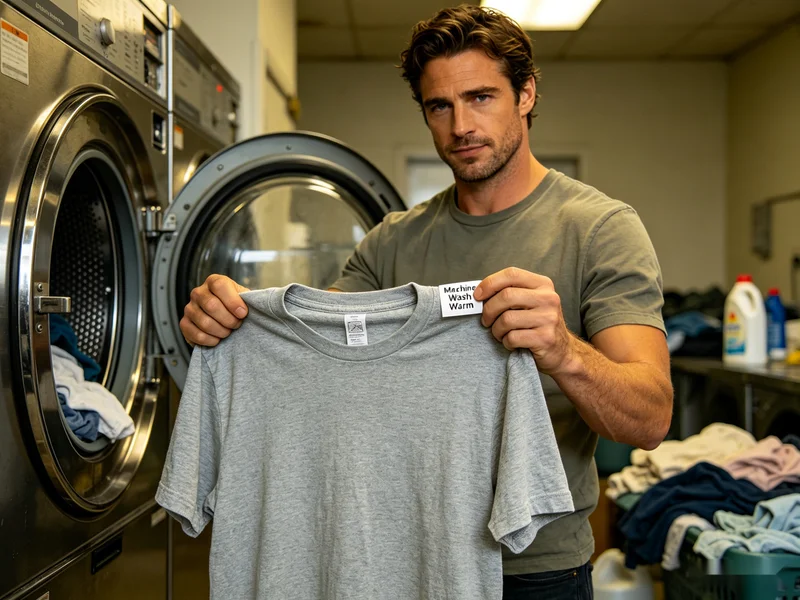
The most important section of a care label is usually the washing guide.
Examples include:
- Machine wash cold
- Machine wash warm
- Hand wash only
- Gentle cycle
Incorrect washing temperatures are one of the leading causes of fabric damage.
Drying Instructions
Drying guidance helps prevent:
- Shrinkage
- Fabric deformation
- Heat damage
Common instructions include:
- Tumble dry low
- Hang dry
- Line dry
- Do not tumble dry
Ironing Instructions
Some fabrics tolerate high heat, while others can melt or become damaged.
Care labels often indicate:
- Low temperature ironing
- Medium temperature ironing
- High temperature ironing
- Do not iron
Bleaching Information
Many fabrics and dyes are sensitive to bleach.
Care labels typically specify:
- Bleach allowed
- Non-chlorine bleach only
- Do not bleach
Fabric Composition
Customers increasingly want to know what materials are used in their garments.
Common examples include:
- 100% Cotton
- 95% Cotton / 5% Spandex
- 100% Polyester
- Cotton-Polyester blends
Fabric composition information is often required for international compliance.
Types of Care Labels for Clothing
Different garments require different labeling solutions.
Printed Care Labels
Printed labels are one of the most common options.
Advantages
- Cost-effective
- Suitable for detailed information
- Fast production
Best For
- Fast fashion
- Casual apparel
- Large-volume production
Satin Care Labels
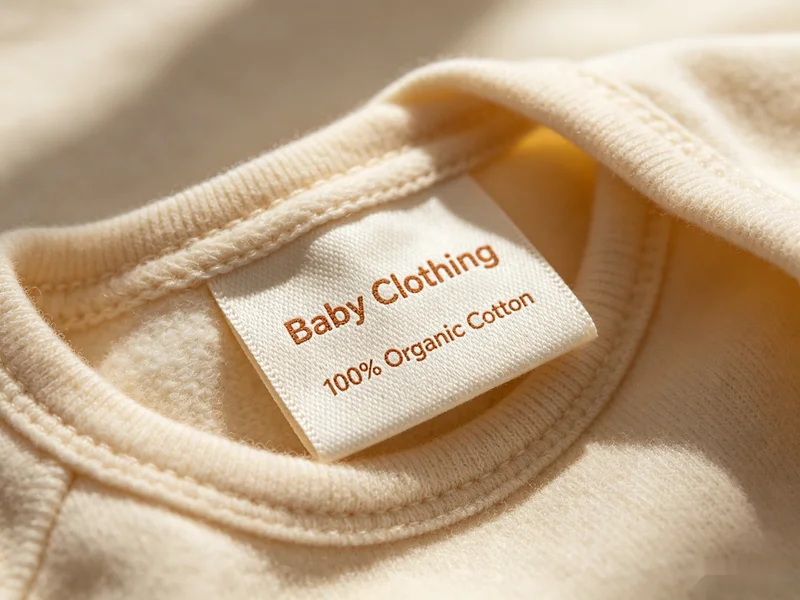
Satin labels feature a smooth and soft surface.
Advantages
- Comfortable against skin
- High print clarity
- Premium feel
Best For
- Lingerie
- Baby clothing
- Sportswear
- Premium fashion
Because satin labels are soft and lightweight, they are widely used in garments worn close to the skin.
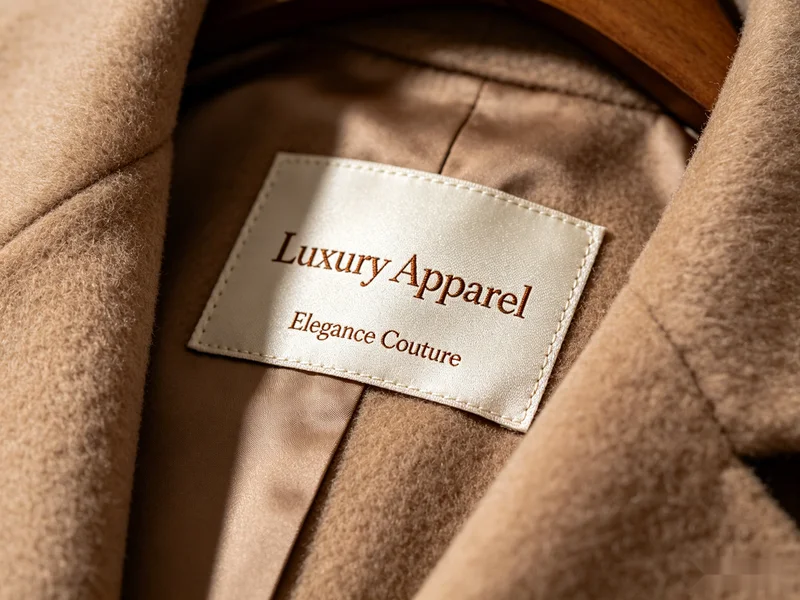
Woven Care Labels
Woven labels use threads to create information rather than printed ink.
Advantages
- Exceptional durability
- Resistant to fading
- Premium appearance
Best For
- Luxury apparel
- Workwear
- Outdoor garments
Although more expensive, woven care labels can withstand years of washing and wear.
Heat Transfer Care Labels
Also known as tagless labels.
These labels are applied directly onto fabric using heat.
Advantages
- Maximum comfort
- No sewn-in label
- Clean garment appearance
Best For
- Activewear
- Performance apparel
- Children’s clothing
Many modern sportswear brands prefer heat transfer care labels because they eliminate neck irritation.
How to Choose the Right Care Label Material
The ideal label depends on the garment’s purpose and target customer.
| Garment Type | Recommended Care Label |
|---|---|
| Sportswear | Heat Transfer Labels |
| Luxury Fashion | Woven Labels |
| Baby Clothing | Satin Labels |
| Fast Fashion | Printed Labels |
| Outdoor Apparel | Woven Labels |
| Underwear | Satin or Heat Transfer Labels |
Choosing the wrong label can negatively affect both comfort and product perception.
Common Mistakes Brands Make
❌ Using Low-Quality Printing
Poor-quality labels may fade after only a few washes.
Customers may become frustrated when care instructions disappear.
❌ Overloading Labels with Information
Too much text can make labels difficult to read.
Care instructions should be concise and easy to understand.
❌ Ignoring Customer Comfort
Scratchy labels are one of the most common complaints in apparel.
Soft satin labels and heat-transfer solutions often provide a better user experience.
❌ Not Considering International Markets
Different countries may have different labeling requirements.
Brands selling globally should ensure compliance with destination market regulations.
Trends in Clothing Care Labels
Tagless Labeling
Heat transfer labels continue to grow in popularity due to comfort and clean garment aesthetics.
Sustainable Label Materials
Brands are increasingly adopting:
- Recycled polyester labels
- Eco-friendly inks
- Sustainable manufacturing processes
Sustainability has become a key factor in apparel purchasing decisions.
Digital Care Instructions
Some brands now include QR codes on care labels that link to:
- Washing videos
- Product information
- Sustainability details
- Extended care guides
This approach reduces label clutter while providing more information.
Why Work with a Professional Care Label Manufacturer?
An experienced care label manufacturer can help brands:
- Select the right materials
- Meet compliance requirements
- Improve label durability
- Maintain consistent production quality
This becomes especially important for brands producing garments across multiple product categories.
Why Choose BSJ for Care Labels for Clothing?
With 28 years of manufacturing experience, BSJ provides complete garment labeling solutions for apparel brands, sportswear companies, fashion manufacturers, and private-label businesses worldwide.
BSJ Label Solutions
✅ Printed care labels
✅ Satin care labels
✅ Woven care labels
✅ Heat transfer care labels
✅ Size labels
✅ Brand labels
✅ Custom apparel labeling systems
BSJ Manufacturing Advantages
✅ In-house production facility
✅ OEM & ODM support
✅ Fast sample development
✅ Low MOQ and bulk production capability
✅ Strict quality control systems
✅ Global export experience
Whether you need care labels for fashion garments, sportswear, uniforms, or children’s clothing, BSJ delivers customized solutions that combine durability, compliance, and comfort.
Final Thoughts
Care labels for clothing play a critical role in garment performance, customer satisfaction, and brand reputation. They help consumers properly maintain clothing, reduce product complaints, support legal compliance, and enhance the overall professionalism of apparel products.
By selecting the right label material, providing clear instructions, and working with an experienced manufacturer, clothing brands can create care labels that add real value to both the garment and the customer experience.
With BSJ’s 28 years of apparel labeling expertise, brands can confidently develop custom care label solutions that support product quality, regulatory compliance, and long-term brand success.
About Author
——————————————————————————————————————————————

Alexander
Online Sales Manager
Alexander specialize in digital marketing and understanding customer psychology, providing clients with the right solutions through data insights and creative strategies.
——————————————————————————————————————————————