For apparel brands, clothing labels are much more than simple garment accessories. They communicate brand identity, provide essential product information, support legal compliance, and influence how customers perceive product quality. Whether you’re launching a startup fashion label or managing a large-scale garment production business, selecting the right clothing label manufacturer can directly impact your brand image and operational efficiency.
Many successful apparel brands invest heavily in custom labels because they understand that small branding details often create the biggest impression on customers.
What Does a Clothing Label Manufacturer Do?
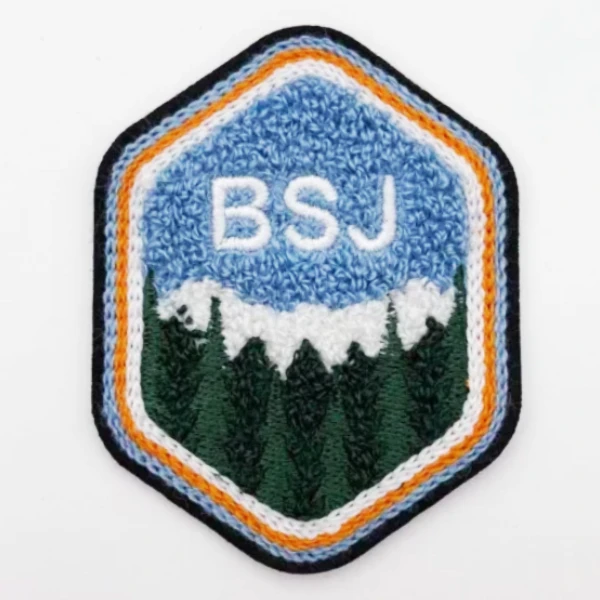
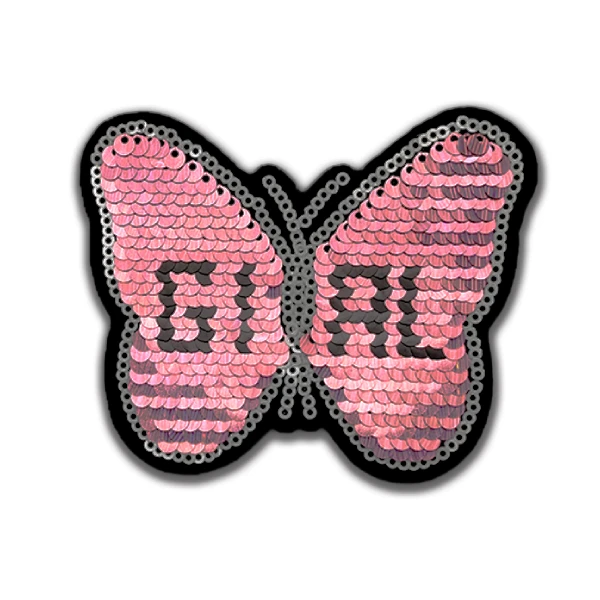
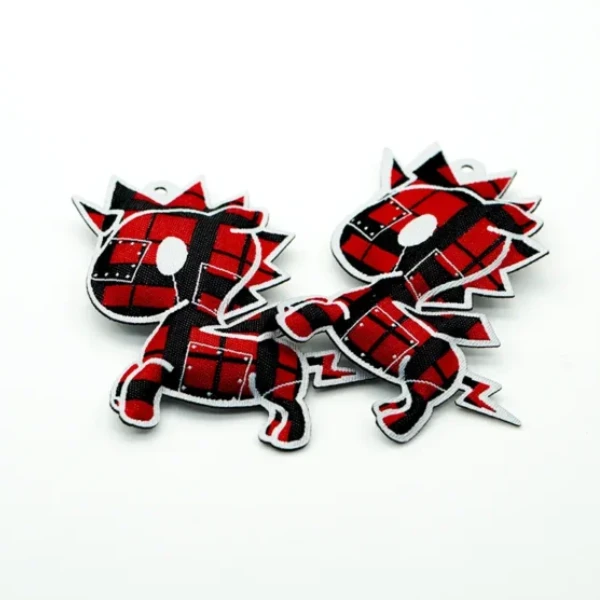
A clothing label manufacturer specializes in producing custom garment labels used in apparel, footwear, bags, hats, home textiles, and accessories.
Depending on the brand’s requirements, a manufacturer may provide:
- Woven labels
- Printed labels
- Wash care labels
- Heat transfer labels
- Satin labels
- Size labels
- Hang tags
- Silicone labels
- PVC labels
- Custom packaging accessories
A professional manufacturer helps brands create a consistent identity across their entire product line.
Why Clothing Labels Are Important for Apparel Brands
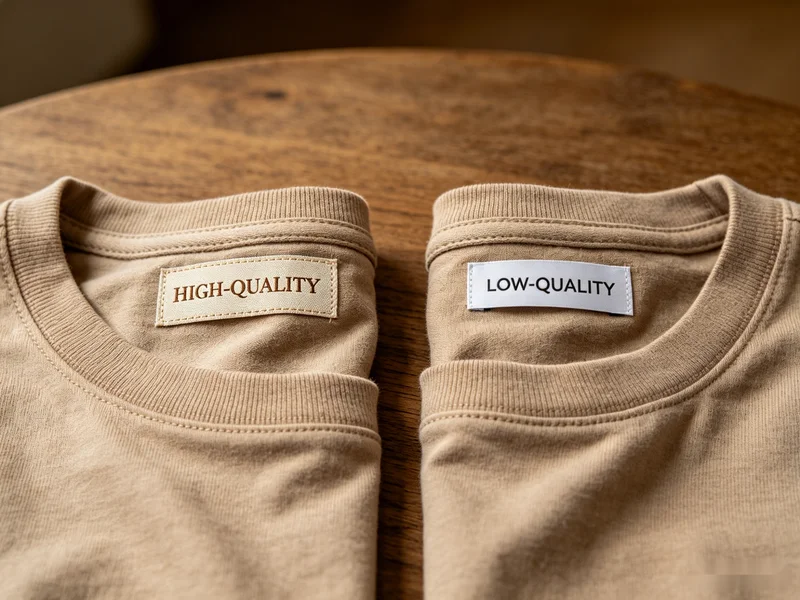
Many consumers don’t consciously notice clothing labels—until they’re missing or poorly made.
High-quality labels help brands:
Build Brand Recognition
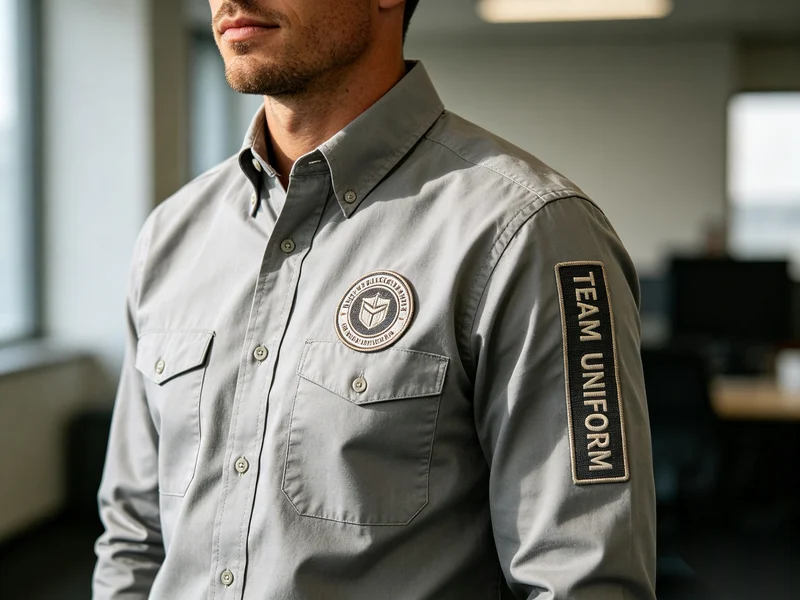
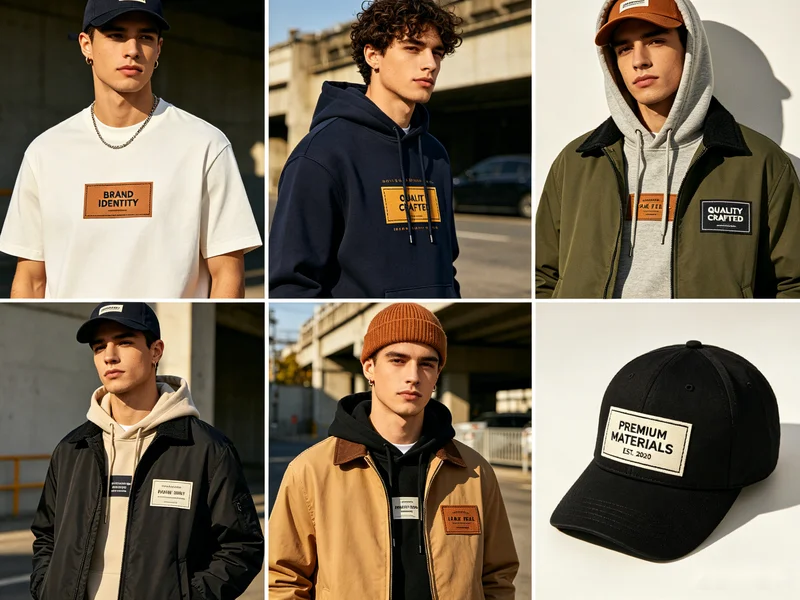
Your logo label is often the only permanent branding element attached to a garment.
Every time a customer wears or washes the product, they see your brand.
Strong label branding improves:
- Brand awareness
- Customer recall
- Product recognition
Improve Product Perception
Two garments made from identical fabrics can be perceived very differently based on their branding presentation.
Premium labels often make products feel:
- More professional
- Higher quality
- More trustworthy
This is especially important for fashion, streetwear, and premium apparel brands.
Meet Compliance Requirements
Many countries require garments to include information such as:
- Fiber composition
- Country of origin
- Care instructions
- Manufacturer details
A knowledgeable clothing label manufacturer can help brands comply with international labeling regulations.
Types of Clothing Labels
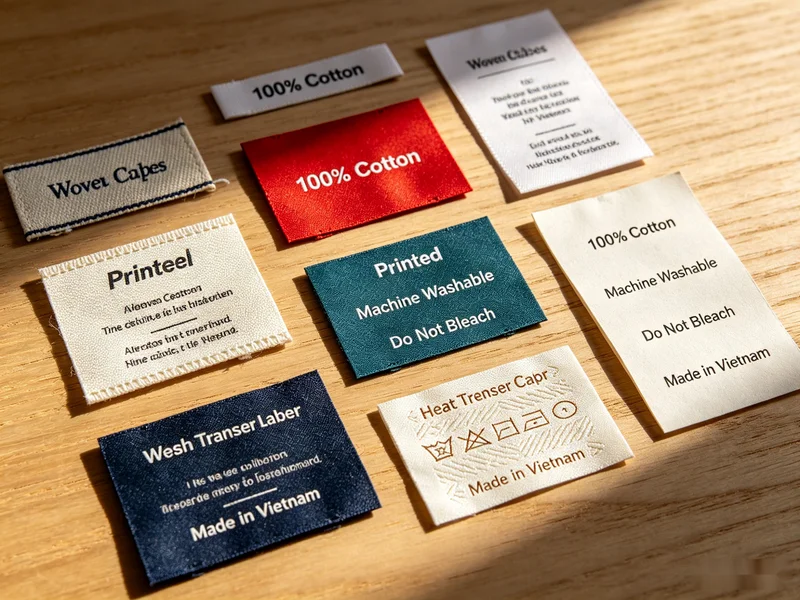
Not all labels serve the same purpose.
Understanding the differences helps brands choose the right solution.
Woven Labels
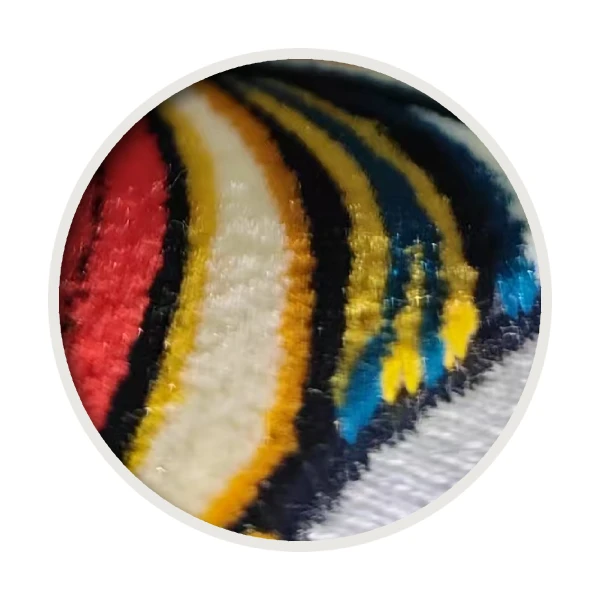
Woven labels are produced by weaving threads directly into the design.
Advantages
- Premium appearance
- Excellent durability
- Long-lasting branding
- Resistant to fading
Best For
- Fashion brands
- Luxury apparel
- Streetwear
- Denim brands
Woven labels are widely regarded as the most premium clothing label option because the design becomes part of the fabric itself.
Printed Labels
Printed labels use ink or thermal printing technology to apply information onto fabric.
Advantages
- Lower cost
- Fast production
- Suitable for detailed information
Best For
- Care labels
- Size labels
- Fabric composition labels
Printed labels are particularly useful when garments require extensive information in a small space.
Satin Labels
Satin labels feature a smooth, soft surface.
Advantages
- Comfortable against skin
- High print clarity
- Lightweight
Best For
- Baby clothing
- Lingerie
- Sportswear
- Lightweight garments
Comfort is one of the primary reasons brands choose satin labels.
Heat Transfer Labels
Also known as tagless labels.
These labels are transferred directly onto fabric using heat and pressure.
Advantages
- No sewn-in tag
- Maximum comfort
- Modern appearance
Best For
- Activewear
- Performance apparel
- Children’s clothing
Many sportswear brands now prefer heat transfer labels because they eliminate irritation around the neckline.
Key Factors When Choosing a Clothing Label Manufacturer
Many apparel brands focus only on price when sourcing labels.
However, experienced brands evaluate suppliers based on several critical factors.
1. Manufacturing Experience
An experienced manufacturer understands:
- Different garment applications
- Material compatibility
- Production challenges
- International compliance requirements
Manufacturing expertise often translates into better product consistency and fewer production issues.
2. Product Range
A reliable supplier should offer multiple solutions under one roof.
Examples include:
- Woven labels
- Printed labels
- Hang tags
- Wash care labels
- Heat transfer labels
Working with one supplier simplifies sourcing and improves brand consistency.
3. Material Quality
Label materials directly affect:
- Comfort
- Durability
- Appearance
Low-quality materials may cause:
- Fraying
- Fading
- Skin irritation
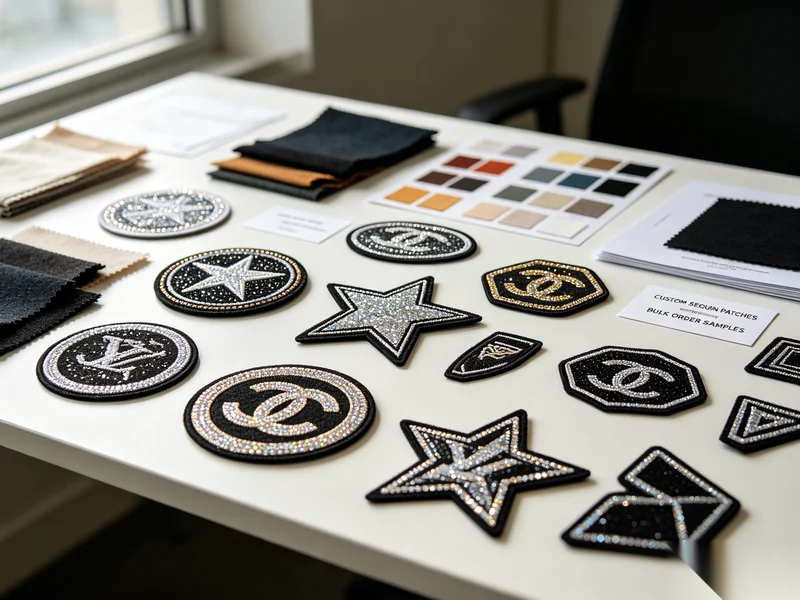
Brands should always request samples before placing bulk orders.
4. Customization Capability
Every clothing brand has unique requirements.
A strong manufacturer should support:
- Custom sizes
- Custom colors
- Special folding methods
- Brand-specific designs
The ability to customize helps create stronger brand differentiation.
5. Production Capacity
As a brand grows, label demand increases.
Manufacturers should be capable of handling:
- Small startup orders
- Seasonal production peaks
- Large-volume wholesale orders
Scalability is important for long-term partnerships.
Common Mistakes When Sourcing Clothing Labels
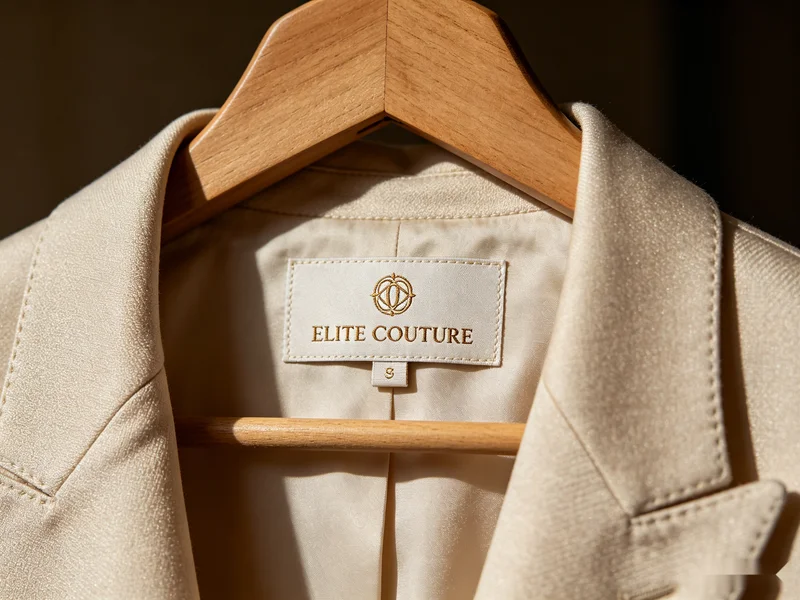
❌ Choosing the Lowest Price Supplier
Cheap labels often result in:
- Inconsistent quality
- Faded printing
- Weak materials
- Delayed production
The lowest unit price does not always mean the lowest total cost.
❌ Ignoring Customer Comfort
Some labels may look good but feel uncomfortable.
This is especially important for:
- Activewear
- Children’s clothing
- Underwear
Soft materials should be prioritized when garments are worn directly against the skin.
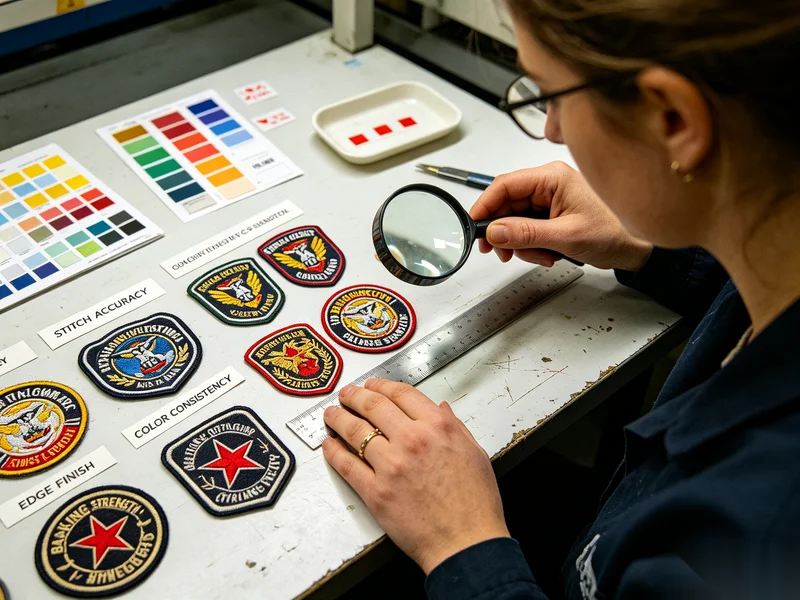
❌ Ordering Without Testing
Always evaluate:
- Wash resistance
- Color consistency
- Material softness
- Sewing performance
Sampling helps avoid costly production errors.
❌ Using Different Suppliers for Every Component
Managing multiple vendors can create:
- Quality inconsistencies
- Longer lead times
- Branding mismatches
A one-stop supplier often delivers better efficiency.
How Clothing Labels Support Brand Growth
As apparel brands scale, labels become increasingly valuable.
They help create:
Stronger Brand Identity
Consistent labeling reinforces brand recognition across all products.
Premium Product Positioning
Professional labels support higher retail pricing and improve customer perception.
Better Customer Experience
Comfortable, durable labels contribute to overall product satisfaction.
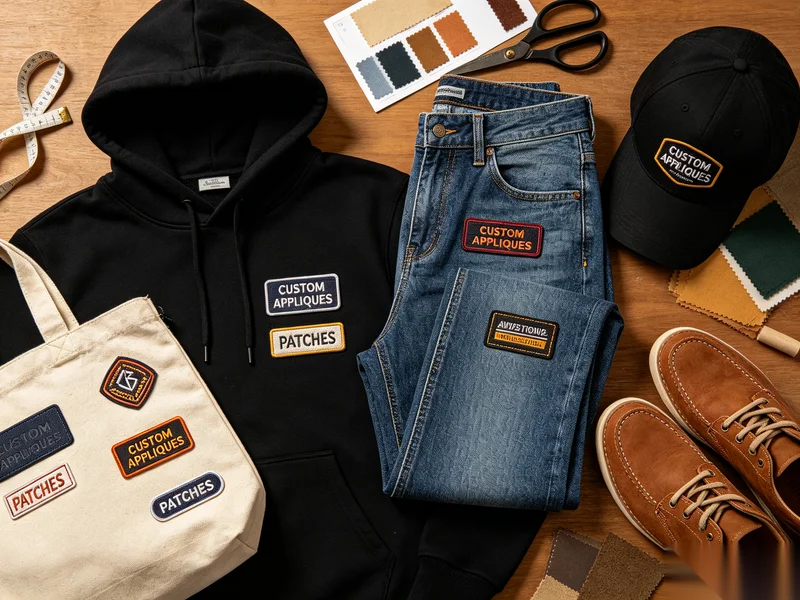
Easier Product Expansion
When launching:
- T-shirts
- Hoodies
- Jackets
- Hats
- Accessories
A consistent labeling system keeps branding unified.
Trends in Clothing Label Manufacturing
Sustainable Labels
Growing demand for:
- Recycled polyester labels
- Organic cotton labels
- Eco-friendly inks
Sustainability is becoming a key purchasing factor for both brands and consumers.
Tagless Branding
Heat transfer labels continue to gain popularity because they improve comfort and create a cleaner garment appearance.
Smart Labels
Modern brands are adding:
- QR codes
- Product authentication systems
- Digital care instructions
These technologies improve customer engagement and traceability.
Minimalist Branding
Many fashion brands are moving toward:
- Smaller labels
- Neutral colors
- Simple typography
Minimalism often creates a more premium and timeless appearance.
Why Choose BSJ as Your Clothing Label Manufacturer?
With 28 years of manufacturing experience, BSJ provides comprehensive garment branding solutions for apparel brands, sportswear companies, private-label manufacturers, and garment factories worldwide.
BSJ Product Solutions
✅ Custom woven labels
✅ Printed labels
✅ Satin labels
✅ Wash care labels
✅ Heat transfer labels
✅ Hang tags
✅ Silicone labels
✅ PVC labels
✅ Custom apparel branding accessories
BSJ Manufacturing Advantages
✅ In-house production facility
✅ OEM & ODM services
✅ Fast sample development
✅ Low MOQ and large-scale production support
✅ Strict quality control systems
✅ Global export experience
Whether you’re launching a startup clothing brand or managing high-volume apparel production, BSJ provides reliable labeling solutions designed to strengthen your brand and support long-term growth.
How to Select the Best Clothing Label Type for Your Brand
| Brand Type | Recommended Label Solution |
|---|---|
| Luxury Fashion | High-density woven labels |
| Streetwear | Woven labels + custom hang tags |
| Sportswear | Heat transfer labels |
| Kidswear | Satin labels |
| Fast Fashion | Printed labels |
| Sustainable Apparel | Recycled woven labels |
Choosing the right label type ensures that your branding aligns with your product positioning and customer expectations.
Final Thoughts
Finding the right clothing label manufacturer is about more than sourcing garment trims. The right partner helps improve brand recognition, maintain product consistency, enhance customer experience, and support future business growth.
By focusing on material quality, manufacturing capability, customization options, and long-term scalability, apparel brands can build stronger identities and create more professional products.
With BSJ’s 28 years of apparel labeling expertise, brands can confidently develop custom clothing labels that combine durability, comfort, compliance, and premium brand presentation for global markets.
About Author
——————————————————————————————————————————————

Alexander
Online Sales Manager
Alexander specialize in digital marketing and understanding customer psychology, providing clients with the right solutions through data insights and creative strategies.
——————————————————————————————————————————————