In modern garment manufacturing, efficiency and appearance matter just as much as durability. One solution that has become increasingly popular is the heat seal label—a clean, stitch-free branding method widely used in sportswear, fashion apparel, uniforms, and promotional clothing.
Unlike traditional sewn labels, heat seal labels are applied using heat and pressure, creating a smooth, integrated look directly on the fabric.
But while they look simple, choosing the right heat seal label involves several important technical and design considerations.
What Is a Heat Seal Label?
A heat seal label is a type of garment label that uses a thermally activated adhesive layer to bond directly to fabric.
Instead of sewing, the label is applied using:
- Heat press machine
- Controlled temperature
- Specific pressure
- Set pressing time
Once applied, the label becomes part of the garment surface.

Why Heat Seal Labels Are So Popular in Apparel Manufacturing
Many brands are switching to heat seal labels because they solve several production and comfort problems at the same time.
✔ 1. Clean, Tagless Appearance
Traditional woven or printed labels often require stitching inside garments, which can:
- Cause irritation
- Add bulk
- Reduce comfort
Heat seal labels eliminate this completely.
👉 Result: a smooth, tagless garment interior.
✔ 2. Faster Production Efficiency
For factories and apparel brands, sewing labels adds labor time.
Heat seal labels:
- Reduce manual stitching steps
- Speed up production lines
- Improve consistency in large batches
This makes them ideal for high-volume garment manufacturing.
✔ 3. Modern Sportswear Aesthetic
Heat seal labels are widely used in:
- Gym wear
- Running apparel
- Football jerseys
- Outdoor performance clothing
Because they create a sleek, integrated branding look without visible stitching.
✔ 4. Lightweight and Flexible
Unlike thick stitched labels, heat seal labels:
- Move with the fabric
- Add no extra bulk
- Maintain garment flexibility
This is especially important for performance clothing.
Types of Heat Seal Labels Used in Apparel
1. Heat Seal Printed Labels
- Flat surface printing
- Lightweight
- Cost-effective
- Common in mass production
Best for basic branding and care labels.
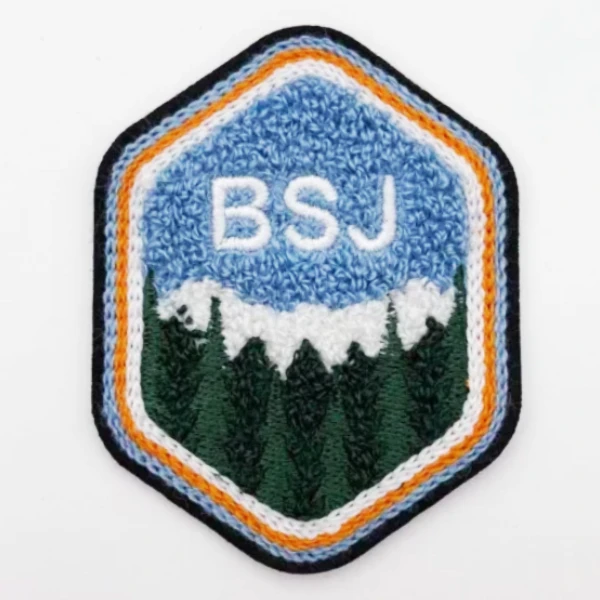
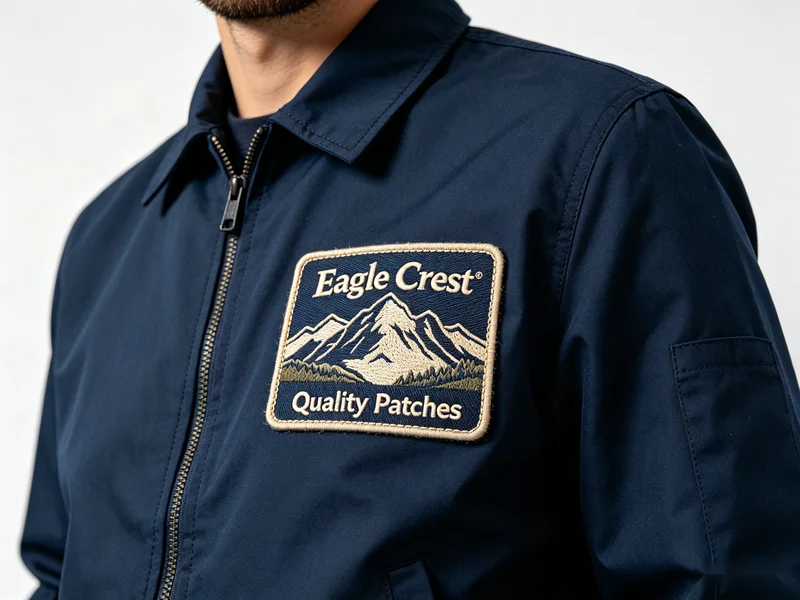
2. Heat Seal Embroidery Labels
- Embroidered design + heat adhesive backing
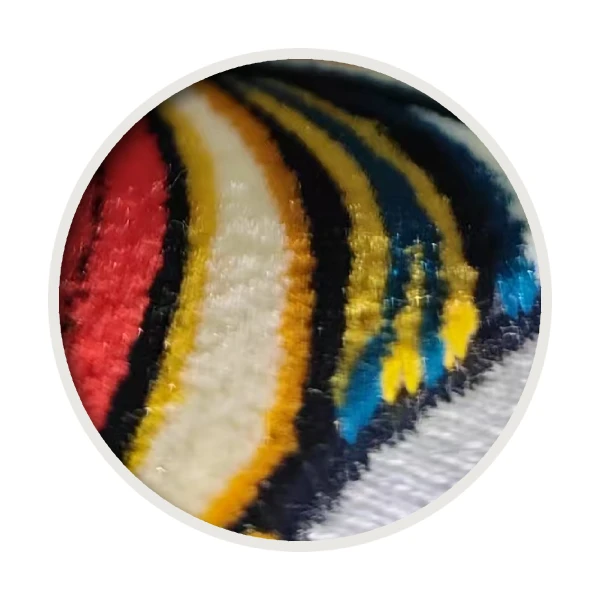
- Premium texture
- Strong visual branding
Used by fashion and sportswear brands seeking a higher-end look.
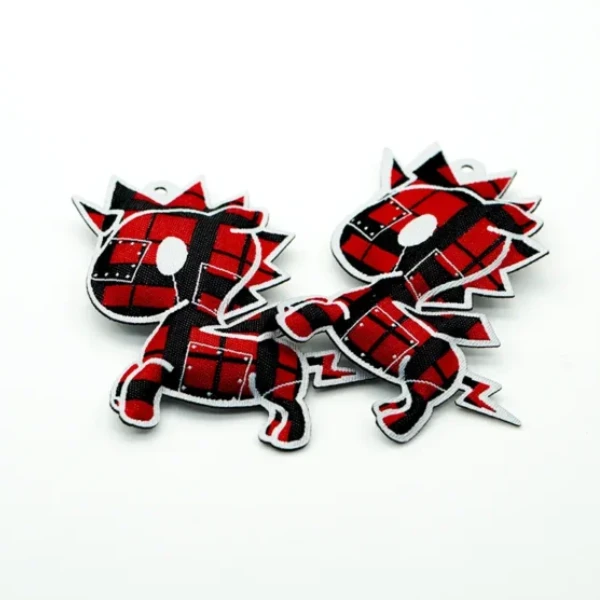
3. TPU Heat Transfer Labels
- Smooth, modern appearance
- Flexible and waterproof
- Excellent durability
Often used in technical sportswear and outdoor gear.
4. Silicone Heat Seal Labels
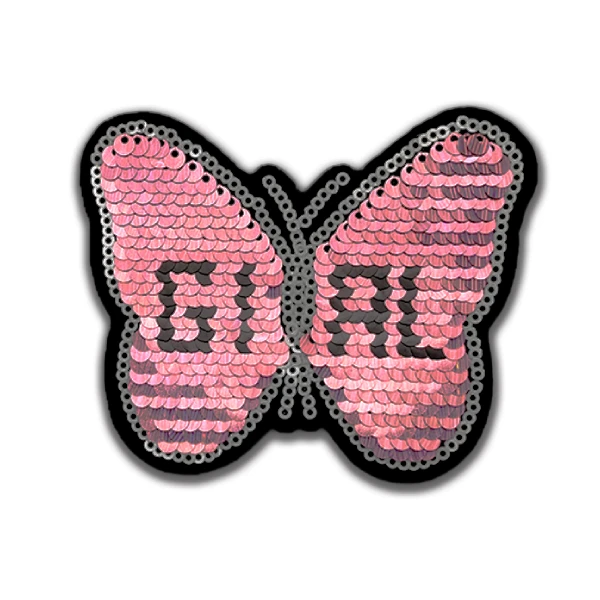
- Soft-touch 3D effect
- Extremely durable
- High-end branding option
Common in premium athletic and fashion brands.
How Heat Seal Labels Work (Production Process)
Understanding the production process helps buyers avoid quality issues.
Step 1: Design Digitizing or Artwork Preparation
The logo or label is converted into a production-ready format.
Step 2: Material Production
Depending on type:
- Embroidery stitching
- TPU molding
- Silicone forming
- Printing process
Step 3: Adhesive Layer Application
A heat-activated glue film is added to the back.
Step 4: Heat Press Application
The label is applied using:
- 140–170°C heat (varies by material)
- Controlled pressure
- 10–20 seconds pressing time
Step 5: Cooling and Bonding
The adhesive fully bonds to the fabric after cooling.
Key Advantages of Heat Seal Labels
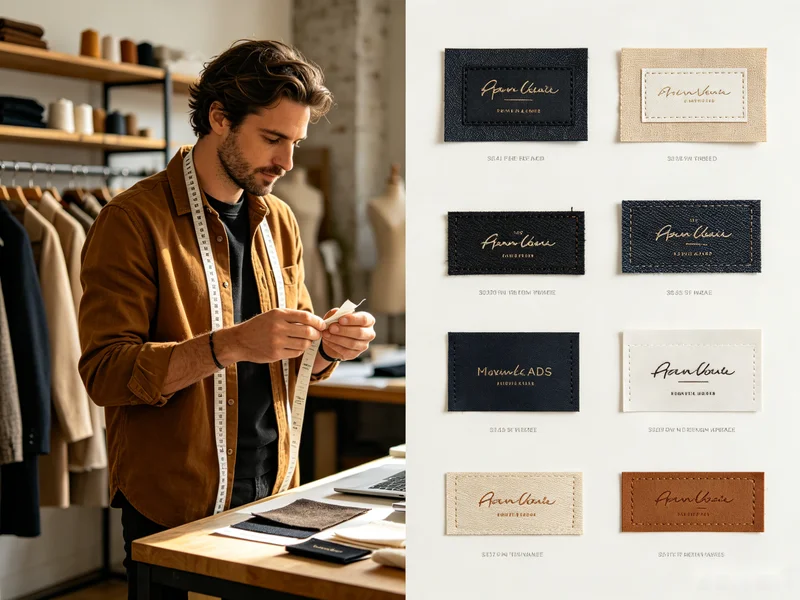
✔ Strong Brand Presentation
Heat seal labels create a clean, modern branding effect without visible stitches.
✔ Cost Efficiency in Bulk Production
Once applied at scale:
- No sewing labor required
- Faster assembly line output
- Lower per-unit installation cost
✔ Wide Fabric Compatibility
Can be applied to:
- Cotton
- Polyester
- Blended fabrics
- Sports textiles
- Technical fabrics
✔ Consistent Appearance
Because application is machine-controlled:
- Every label is identical
- No stitching variation
- Stable production quality
Common Problems and How to Avoid Them
❌ 1. Label Peeling After Washing
Causes:
- Incorrect temperature
- Insufficient pressure
- Low-quality adhesive
👉 Solution: proper heat press calibration.
❌ 2. Poor Fabric Compatibility
Some fabrics (especially waterproof or heavily treated materials) require special adhesives.
❌ 3. Overheating Damage
Too much heat can:
- Distort fabric
- Damage adhesive layer
- Reduce label lifespan
❌ 4. Cheap Material Failure
Low-cost labels often fail due to weak adhesive bonding.
Heat Seal Label vs Sew-On Label
| Feature | Heat Seal Label | Sew-On Label |
|---|---|---|
| Application Speed | Fast | Slower |
| Appearance | Clean & tagless | Visible stitching |
| Comfort | Excellent | Good |
| Durability | Very good | Excellent |
| Production Efficiency | High | Medium |
👉 Heat seal labels are best when speed and comfort matter most, while sew-on is preferred for extreme durability.
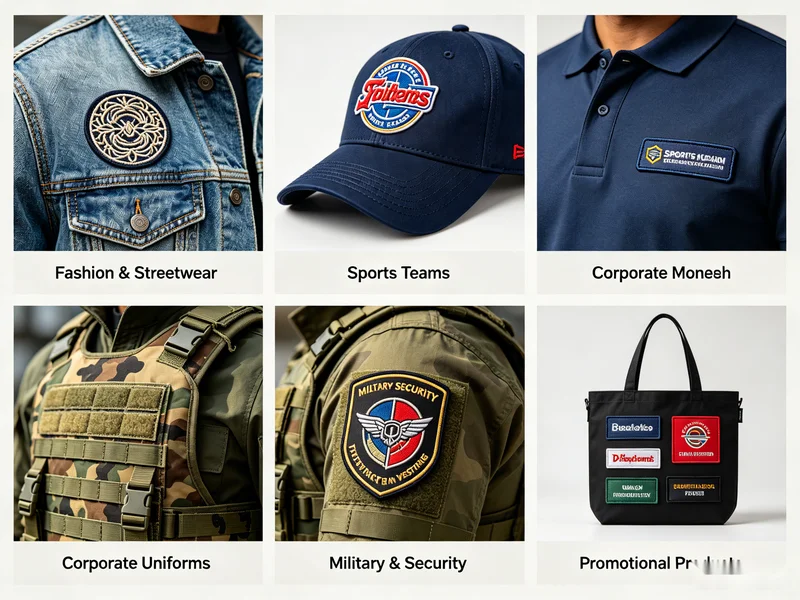
Where Heat Seal Labels Are Commonly Used
- Sportswear jerseys
- Gym and fitness clothing
- Fashion streetwear
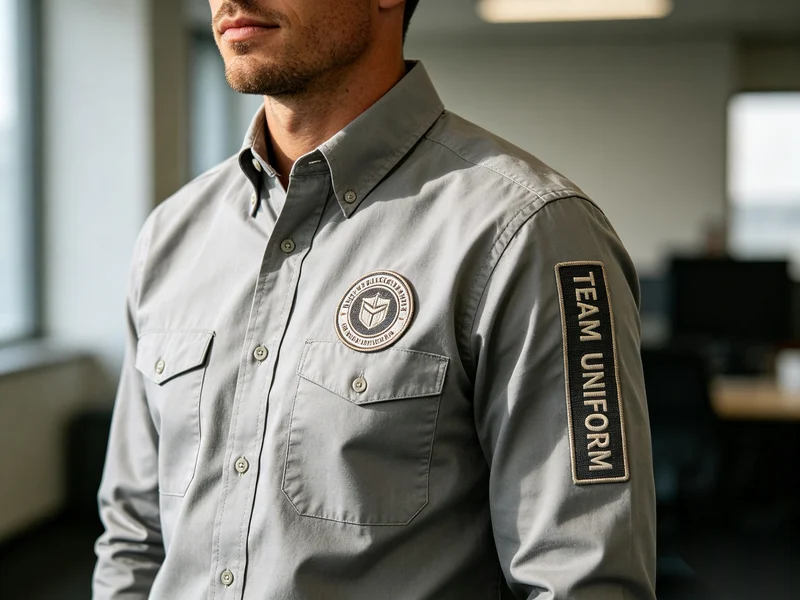
- Corporate uniforms
- Children’s apparel
- Outdoor performance gear
Why Manufacturing Quality Matters
The performance of a heat seal label depends heavily on:
- Adhesive quality
- Heat resistance
- Fabric compatibility
- Production precision
- Application guidelines
Even a good design can fail if manufacturing is poor.
BSJ Heat Seal Label Manufacturing Capability
With 28 years of professional label and patch manufacturing experience, BSJ produces a full range of custom heat seal label solutions for global apparel brands.
Our capabilities include:
- Heat seal embroidered labels
- TPU heat transfer labels
- Silicone heat seal logos
- Printed heat transfer labels
- OEM & ODM customization
- Bulk production support
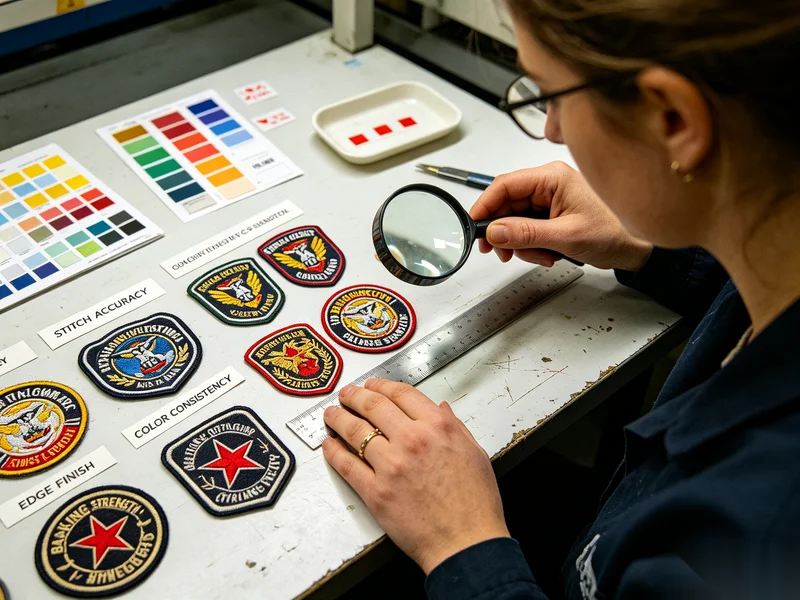
- Strict quality control testing
We help brands balance:
- Appearance
- Durability
- Production efficiency
- Cost control
Final Thoughts
A heat seal label is one of the most efficient and modern ways to apply branding in apparel manufacturing. It eliminates stitching, improves production speed, and delivers a clean, professional garment appearance.
For fashion brands, sportswear companies, and uniform suppliers, heat seal labels offer a powerful combination of aesthetics, efficiency, and scalability—making them a key solution in today’s garment industry.
About Author
——————————————————————————————————————————————

Alexander
Online Sales Manager
Alexander specialize in digital marketing and understanding customer psychology, providing clients with the right solutions through data insights and creative strategies.
——————————————————————————————————————————————