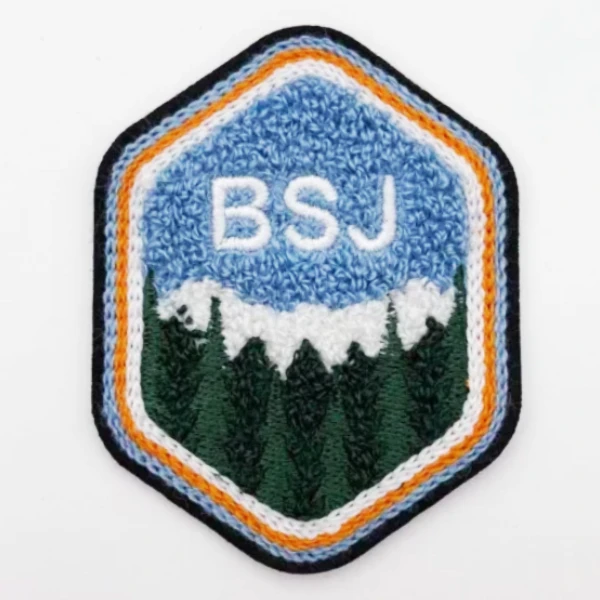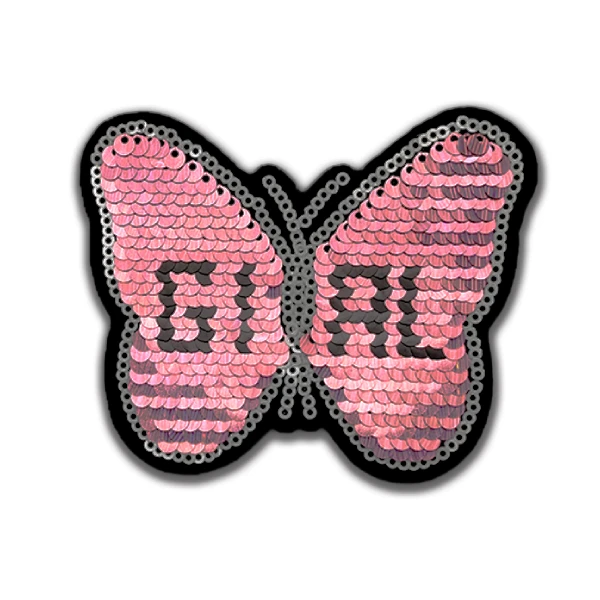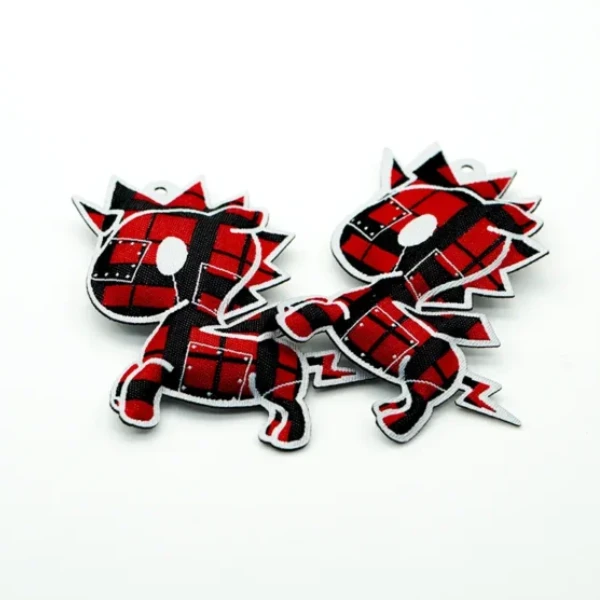
Embroidered patches can be removed by carefully cutting stitches, applying heat (for iron-on types), or loosening adhesive backing. However, removal may damage the garment. For production and long-term use, sewing (machine stitching) is the most secure method to prevent patches from detaching.
Why Would You Need to Remove Embroidered Patches?
In real production and testing environments, patch removal is quite common. For example:
- Sample approval corrections
- Logo design updates
- Position adjustment on garments
- Quality control rework
- Product prototyping
- Branding changes before mass production
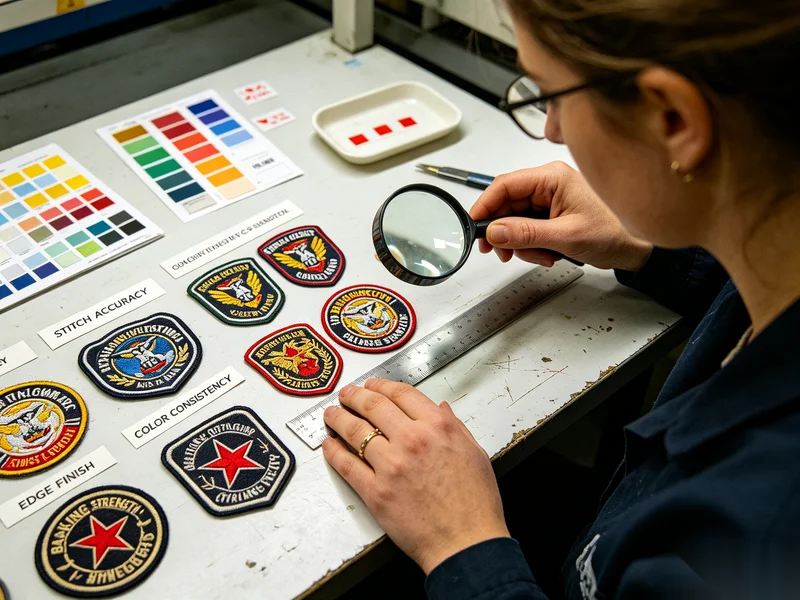
Understanding how to remove embroidered patches helps manufacturers and buyers avoid unnecessary fabric damage during development stages.
How to Remove Embroidered Patches (Different Methods)
The removal method depends on how the patch was attached.
1. Removing Sew-On Embroidered Patches
This is the most common and safest attachment method.
Steps:
- Turn the garment inside out
- Locate stitching threads around the patch edge
- Use a seam ripper or small scissors
- Carefully cut stitches one by one
- Gently pull the patch off
- Remove leftover threads
Important Notes:
- Work slowly to avoid fabric damage
- Do not pull the patch forcefully
- Best method for controlled sample correction
✔ Safe for garment integrity when done carefully
2. Removing Iron-On Embroidered Patches
Iron-on patches use heat-activated adhesive.
Steps:
- Heat the patch area using an iron or heat gun
- Apply medium heat for 10–20 seconds
- Gently lift patch edge with tweezers
- Continue heating while peeling slowly
- Remove remaining glue with fabric cleaner (if needed)
Important Notes:
- Excess heat may damage fabric
- Adhesive residue may remain
- Works better on cotton than synthetic fabrics
✔ Effective but may affect garment surface quality
3. Removing Adhesive-Backed Patches
These patches use pressure-sensitive glue.
Steps:
- Peel from one corner slowly
- Apply mild heat if needed
- Use adhesive remover for residue
✔ Easiest to remove
✖ Not suitable for long-term use
4. Removing Hook-and-Loop (Velcro) Patches
This is the simplest type.
Steps:
- Simply detach the hook-and-loop sides
- No tools required
✔ Fully reusable and damage-free
Risks of Removing Embroidered Patches
While removal is possible, there are some risks:
- Fabric holes after stitching removal
- Color fading from heat exposure
- Glue residue stains
- Distortion of garment surface
- Weakening of fabric structure
That’s why removal is usually recommended only during sampling or testing stages, not final production.
How to Avoid Patch Detachment in Production
Instead of focusing on removal, most manufacturers prioritize preventing patch failure in the first place.
Here are the most important methods:
1. Machine Sewing (Most Secure Method)
The most reliable way to attach embroidered patches is sewing them onto garments.
Advantages:
- Extremely strong fixation
- Resistant to washing and abrasion
- No risk of peeling or lifting
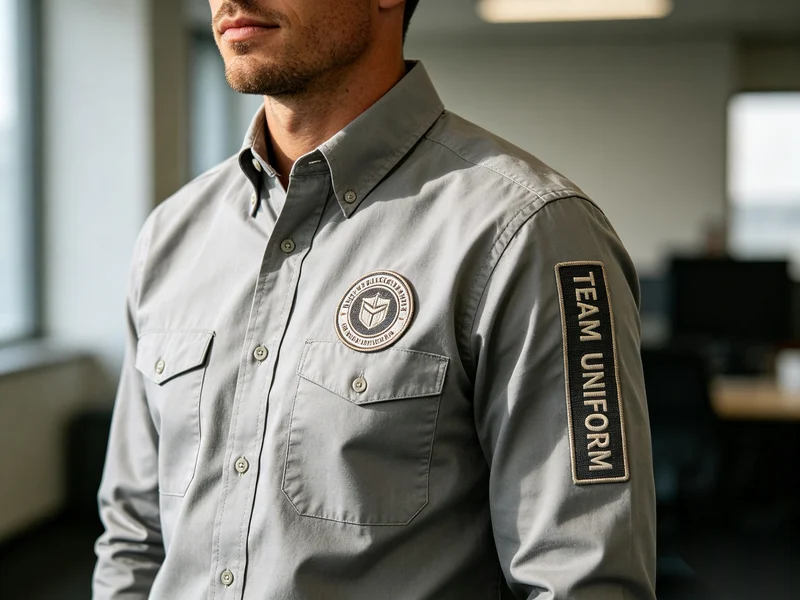
- Suitable for uniforms and workwear
- Long-term durability
👉 This is the industry standard for high-quality production
2. Heat-Seal + Sewing Combination
Some manufacturers use dual reinforcement:
- Iron-on backing for positioning
- Sewing for permanent fixation
✔ Ideal for sportswear and retail apparel
3. Strong Backing Selection
Choosing the right backing improves adhesion:
- Sew-on: best durability
- Heat-seal: fast production
- Hook-and-loop: removable use
4. Proper Stitch Density
For embroidery patches:
- Higher stitch density = stronger structure
- Reinforced edge stitching prevents fraying
- Merrowed edge improves durability
Why Sewing Is Always the Most Stable Option
Even though iron-on and adhesive patches are convenient, machine sewing remains the strongest attachment method.
Reasons:
- No reliance on glue
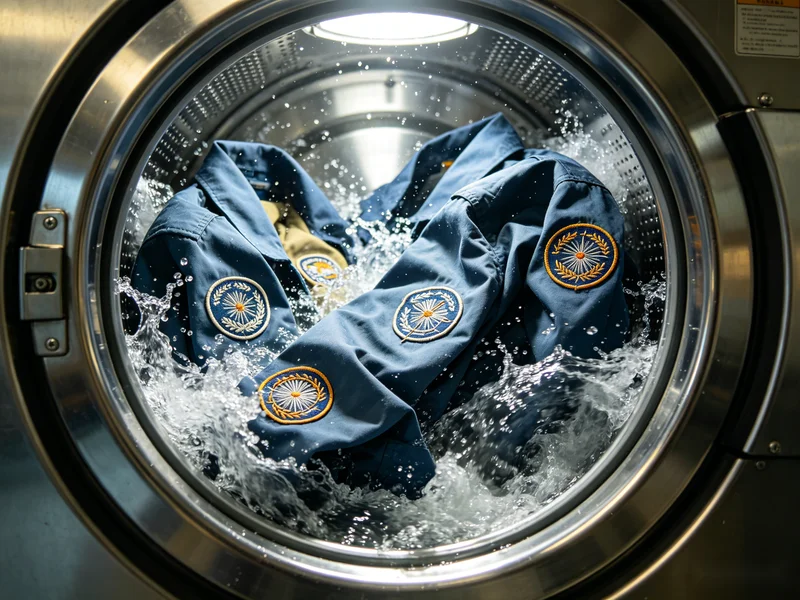
- Withstands repeated washing
- Handles stretching and movement
- Suitable for industrial laundering
- Long-term structural stability
For this reason, BSJ always recommends sewing for:
- Workwear
- Uniforms
- Sports teams
- Outdoor garments
- High-frequency washing products
Production Insight: Why Testing Often Requires Removal
In real factory workflows like BSJ’s production system, patch removal is often part of:
- Pre-production sampling
- Position adjustment tests
- Adhesion strength testing
- Wash durability evaluation
- Customer approval stages
This ensures the final product meets strict quality requirements before mass production.
BSJ Manufacturing Note
With 28 years of embroidery patch manufacturing experience, BSJ not only produces high-quality embroidered patches but also helps customers:
- Choose correct backing methods
- Avoid detachment risks in production
- Optimize sewing vs heat-seal solutions
- Improve wash durability performance
- Support large-scale stable production
Our factory-based production system ensures every patch is tested for real-world durability before shipment.
FAQ
Can embroidered patches be removed without damage?
Yes, but sew-on patches may leave small holes depending on fabric type and stitch density.
What is the easiest patch to remove?
Hook-and-loop patches are the easiest and completely reusable.
Do iron-on patches come off easily?
They can be removed with heat, but adhesive residue may remain.
What is the strongest way to attach embroidered patches?
Machine sewing is the most secure and durable method.
Can patches fall off after washing?
Yes, especially iron-on or low-quality adhesive patches. Sewing prevents this issue.
Does BSJ recommend sewing patches?
Yes. For long-term durability and industrial applications, sewing is strongly recommended.
Final Thoughts
Understanding how to remove embroidered patches is useful during sampling, testing, and product development. However, in real production environments, the priority is not removal—but ensuring patches stay firmly attached during long-term use.
That’s why machine sewing remains the most reliable and industry-preferred method, especially for uniforms, sportswear, and workwear.
With 28 years of manufacturing experience, BSJ helps customers not only produce high-quality embroidered patches but also choose the right attachment method to ensure durability, stability, and long-term performance.
About Author
——————————————————————————————————————————————

Alexander
Online Sales Manager
Alexander specialize in digital marketing and understanding customer psychology, providing clients with the right solutions through data insights and creative strategies.
——————————————————————————————————————————————