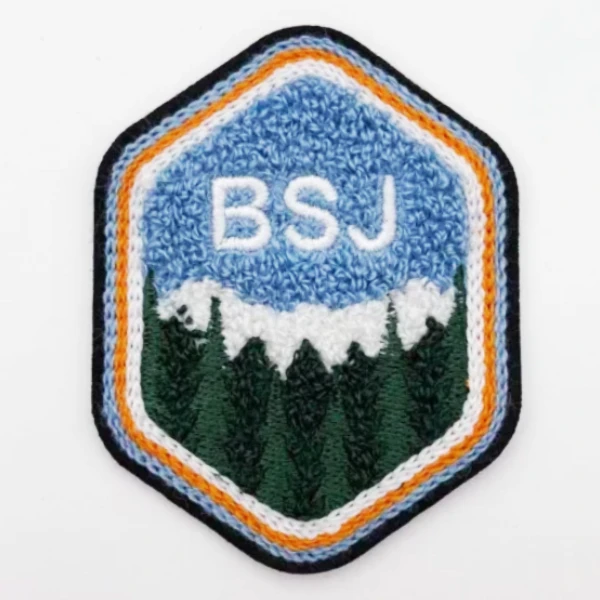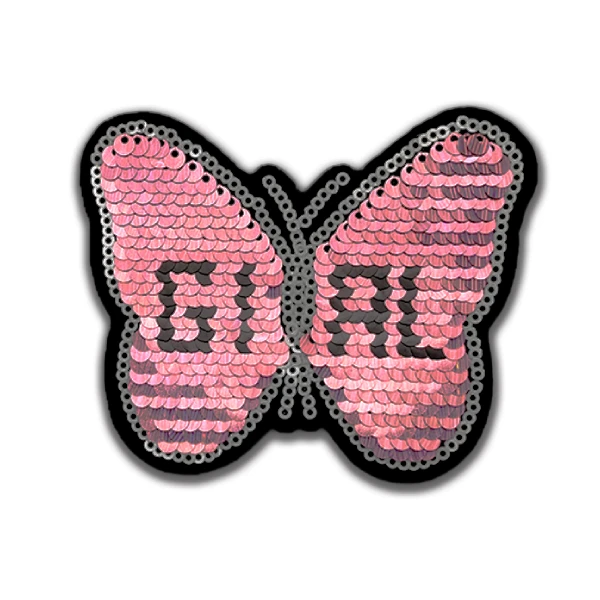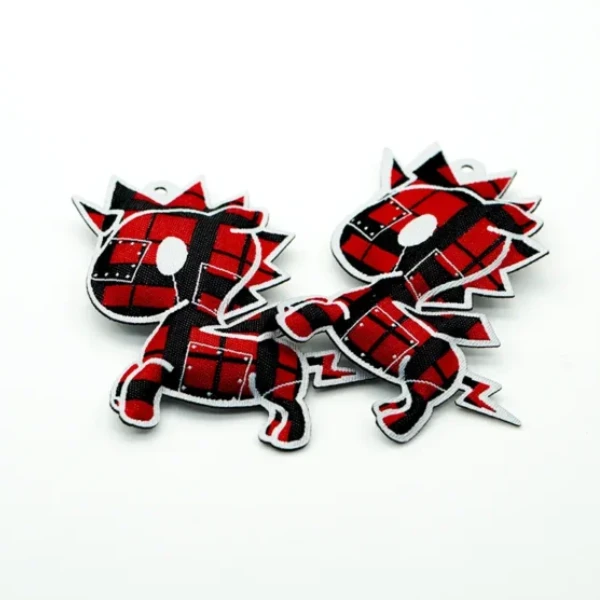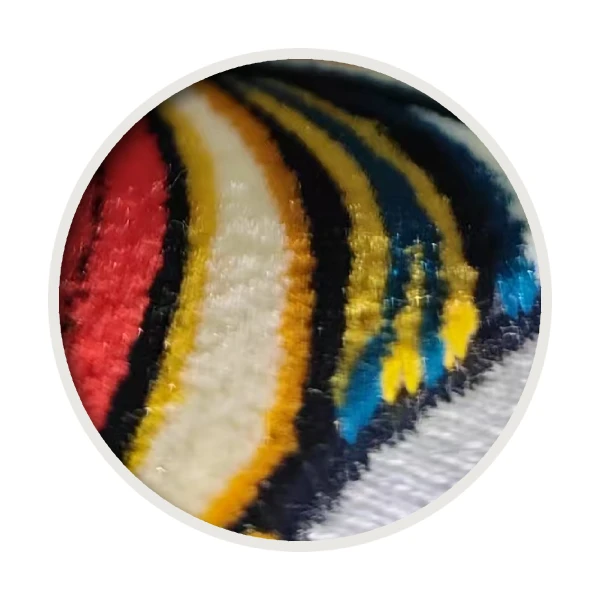
Denim has always been a symbol of individuality. From workwear roots to global fashion icon status, jeans evolve with every generation. Today, embroidered patches for jeans are not just decorative additions — they are tools for transformation.
Whether used for repair, personalization, branding, or limited-edition fashion drops, embroidered patches give denim new life with texture, durability, and identity.
Why Denim and Embroidery Are a Perfect Match
Jeans are structured, durable, and textured — which makes them ideal for embroidered patches.
Embroidery complements denim because:
- Thick stitching contrasts beautifully against rugged fabric
- Raised thread adds dimension to flat denim surfaces
- Patches reinforce high-stress or worn areas
- The vintage aesthetic aligns with denim culture
Unlike thin fabrics, denim can support heavier stitch density without distortion.
From Repair Culture to Fashion Statement
Historically, patches were used to repair worn knees or torn pockets.
Now, that repair aesthetic has evolved into:
- Intentional distress styling
- Visible mending trends
- Upcycled denim collections
- Statement back-panel artwork
An embroidered patch on jeans doesn’t hide damage — it highlights character.
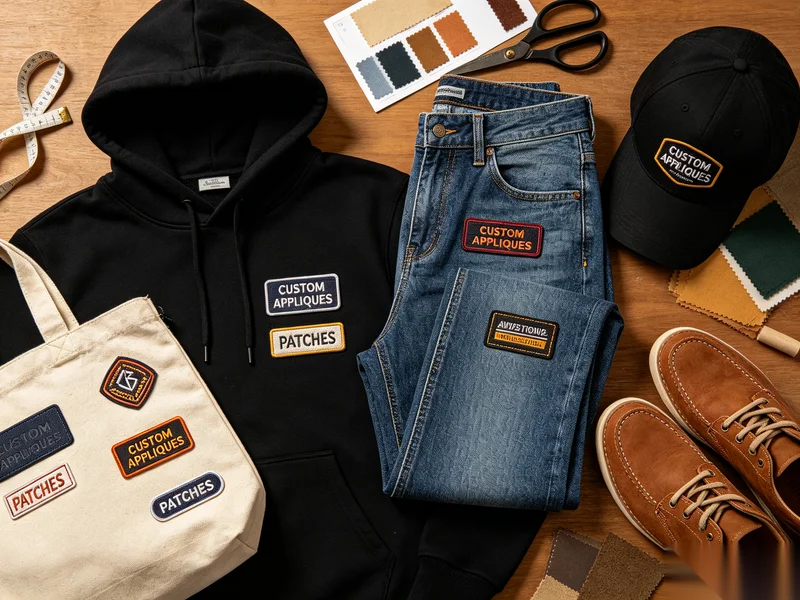
Popular Patch Placements on Jeans
Back Pocket Accent
Small logo or artistic detail adds subtle branding.
Thigh or Knee Panel
Larger statement patches create bold visual impact.
Side Leg Strip
Vertical patch placement elongates the silhouette.
Back Panel (Above Pockets)
Used for oversized graphics or brand storytelling.
Hem or Ankle Area
Micro-patches add unique finishing detail.
Creative placement turns denim into a wearable canvas.

Design Styles That Work Well on Jeans
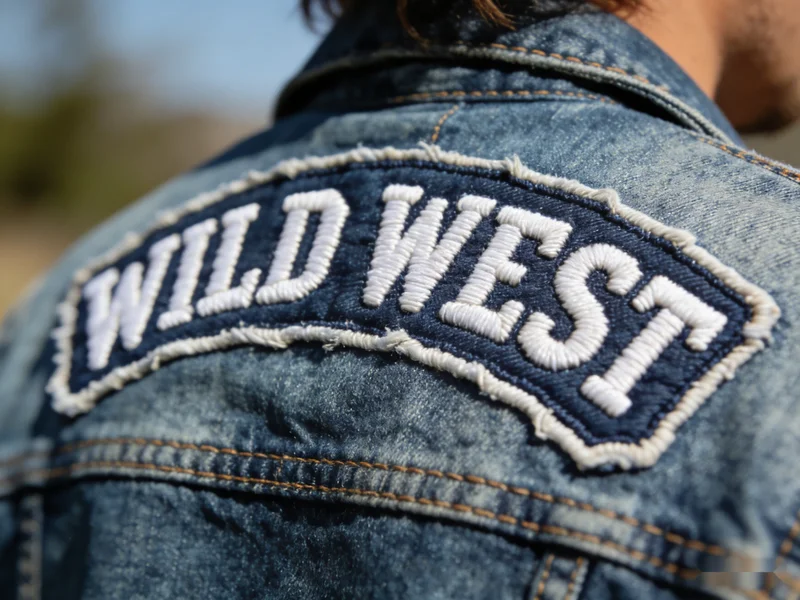
Vintage Americana
Muted colors, classic typography, retro badges.
Floral & Nature Motifs
Contrast soft embroidery with rugged denim texture.
Minimal Logo Patches
Clean brand marks for subtle identity placement.
Bold Street Graphics
High-contrast colors and oversized shapes.
Layered Mixed Materials
Combining embroidery with appliqué or distressed edges for depth.
Denim allows both refined and raw design expressions.
Durability Matters: Choosing the Right Construction
For jeans, durability is critical because denim is often:
- Frequently washed
- Worn under stress
- Exposed to friction
Recommended features:
- High thread density
- Strong twill base
- Reinforced edge stitching
- Sew-on application for long-term hold
Iron-on can work for casual use, but stitching is ideal for heavy-wear jeans.
Embroidered Patches for Denim Brands
For fashion brands, patches offer strategic advantages:
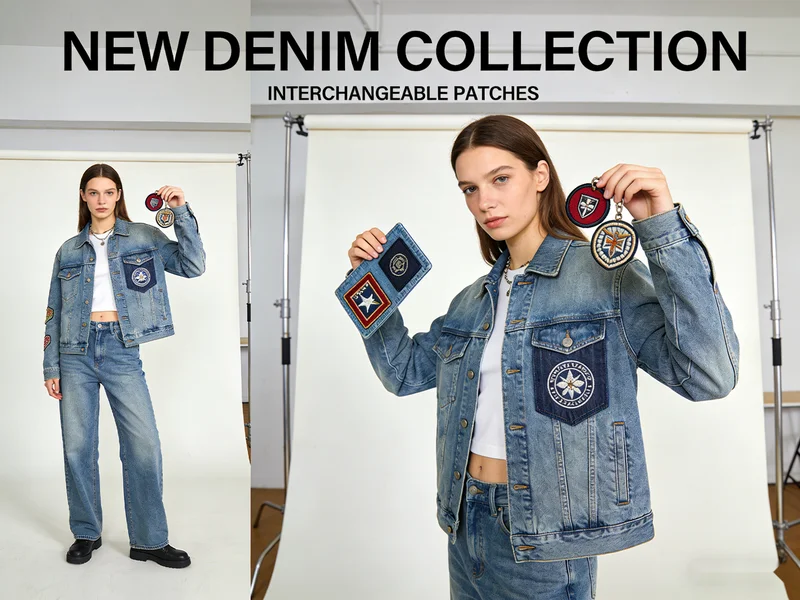
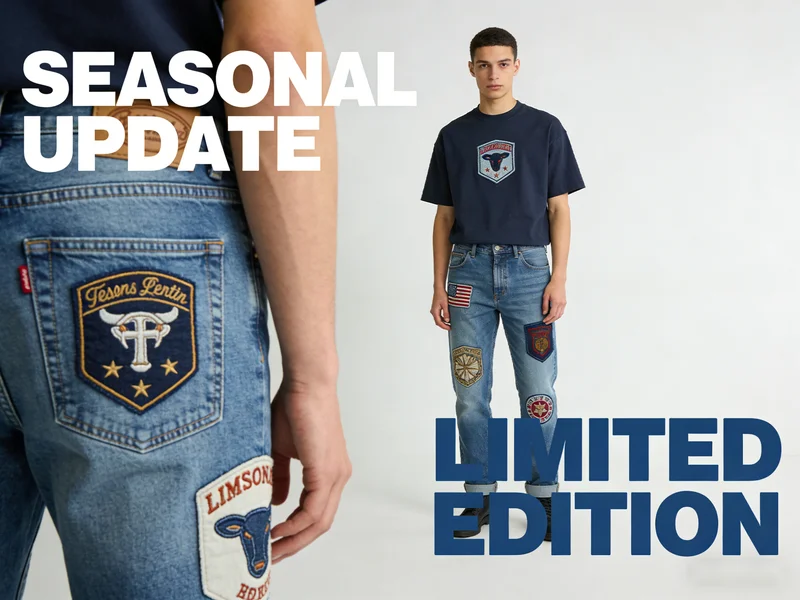
- Easier seasonal updates without redesigning entire jeans
- Limited edition collaborations
- Lower sampling costs
- Faster product variation testing
Instead of producing multiple denim washes, brands can release one base style with interchangeable patch collections.
Sustainable & Upcycling Opportunities
With sustainability becoming central to fashion, embroidered patches allow:
- Reviving unsold inventory
- Covering production flaws
- Extending garment life
- Creating “reworked” capsule collections
Patches turn excess stock into renewed value.
Customization at Scale
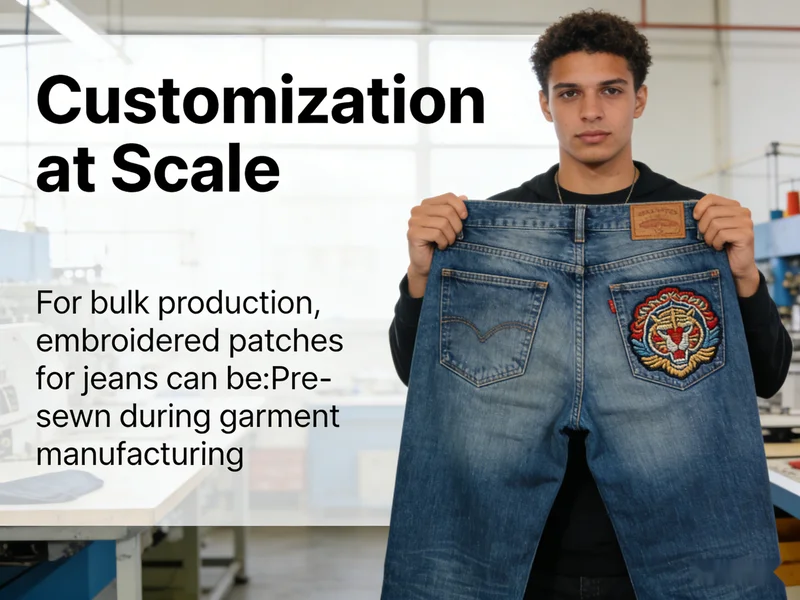
For bulk production, embroidered patches for jeans can be:
- Pre-sewn during garment manufacturing
- Applied post-production
- Sold separately as add-on kits
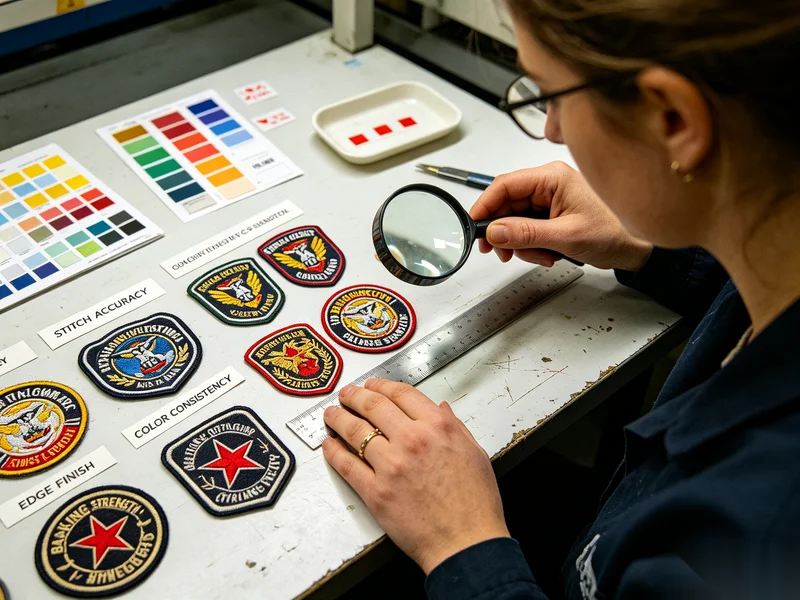
Professional manufacturing ensures:
- Consistent sizing
- Color accuracy
- Stable stitching density
- Wash resistance
When produced correctly, patches age beautifully with denim, developing character over time.
Final Thoughts
Embroidered patches for jeans bridge heritage craftsmanship and modern creativity. They reinforce, decorate, and redefine denim while offering brands and consumers a powerful tool for personalization.
Denim tells a story through wear.
Embroidery adds another chapter.
About Author
——————————————————————————————————————————————

Alexander
Online Sales Manager
Alexander specialize in digital marketing and understanding customer psychology, providing clients with the right solutions through data insights and creative strategies.
——————————————————————————————————————————————