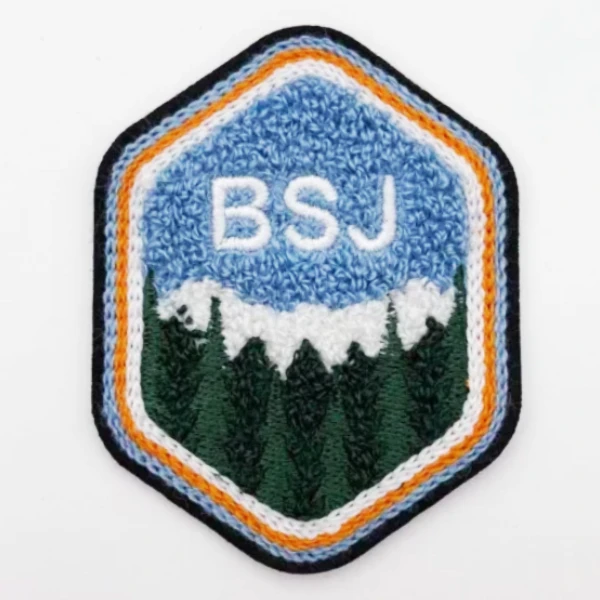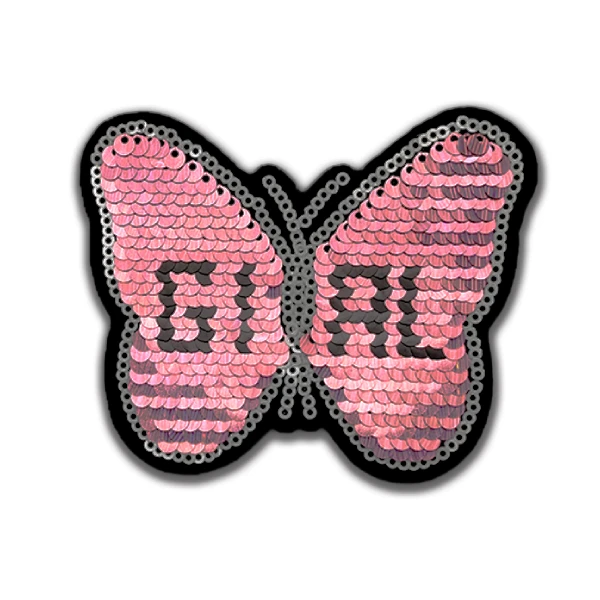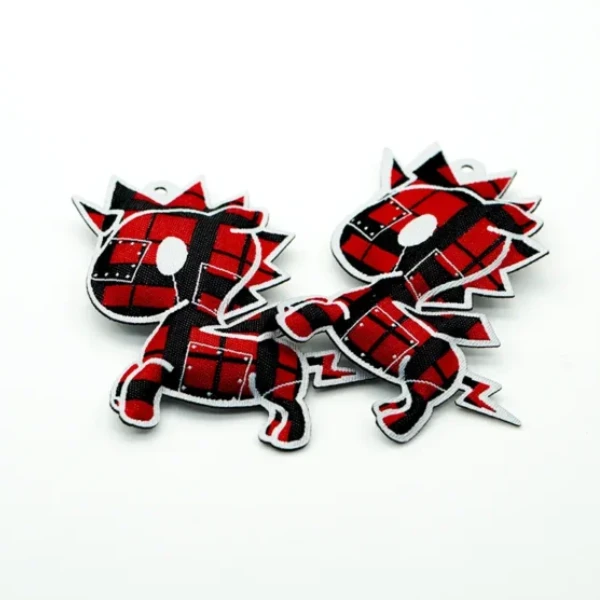
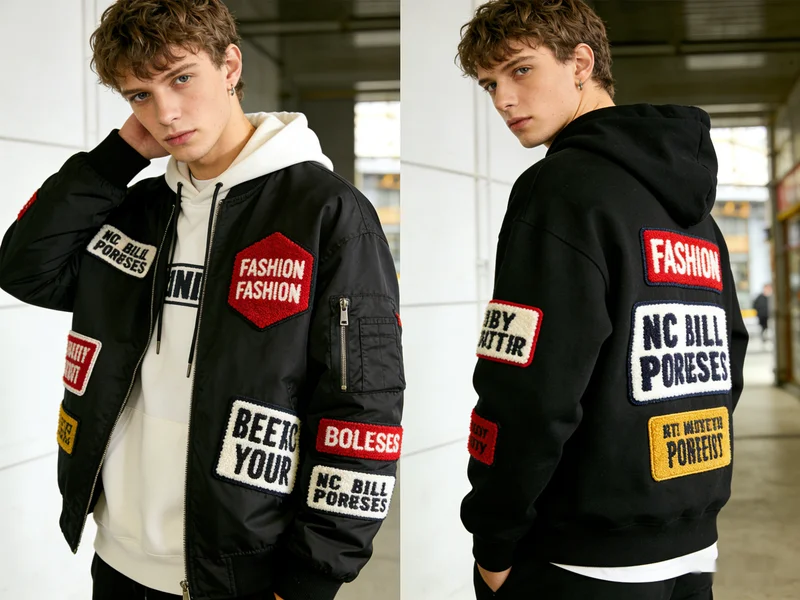
DIY chenille patches are textured fabric patches made with looped yarn, allowing designers and brands to create bold, customizable graphics. They are popular for varsity-style apparel, fashion collections, and creative branding, offering strong visual impact when designed with proper structure, color planning, and application methods.
What Are DIY Chenille Patches?
Direct Answer:
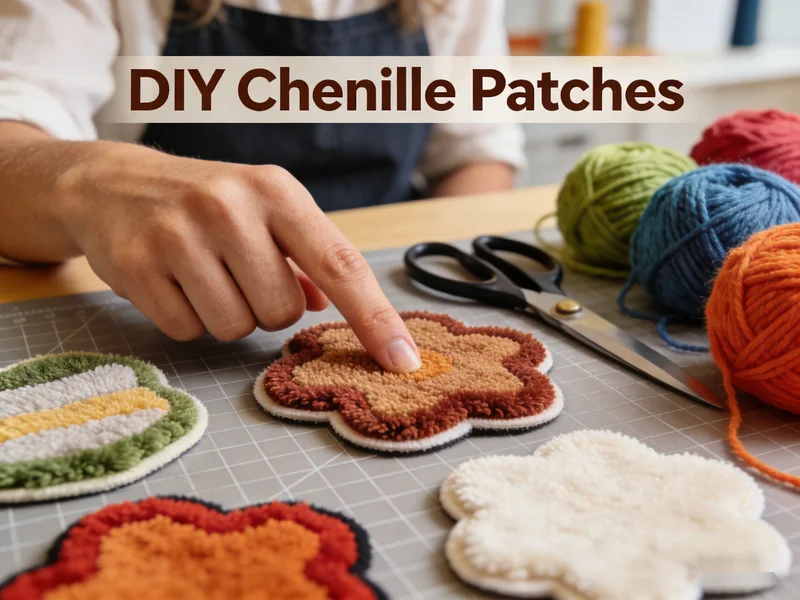
DIY chenille patches are chenille-style patches designed for manual or semi-custom application, often used by designers, studios, and private-label brands to create personalized or limited-edition products.
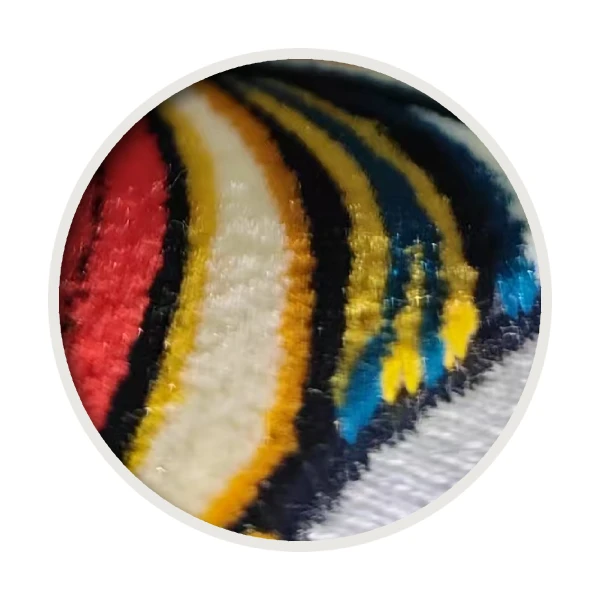
Chenille embroidery uses thick yarn loops stitched into felt or twill backing, producing a soft, raised, towel-like texture. Unlike flat embroidery, chenille emphasizes volume, contrast, and simplicity, making it ideal for bold lettering and graphic symbols.
For B2B users, DIY chenille patches are commonly used in:
- Fashion and streetwear collections
- Varsity and collegiate apparel
- Brand collaborations and capsule drops
- OEM garment decoration
- Designer prototypes and sampling
Why Are DIY Chenille Patches Popular Among Designers?
Short Answer:
They offer strong visual impact, tactile appeal, and creative flexibility.
Key Design Advantages
- High Visual Recognition
Chenille patches stand out immediately due to their thickness and texture, making them ideal for statement pieces. - Handcrafted Aesthetic
DIY chenille patches align with handmade and artisanal design trends, appealing to premium and niche markets. - Flexible Application
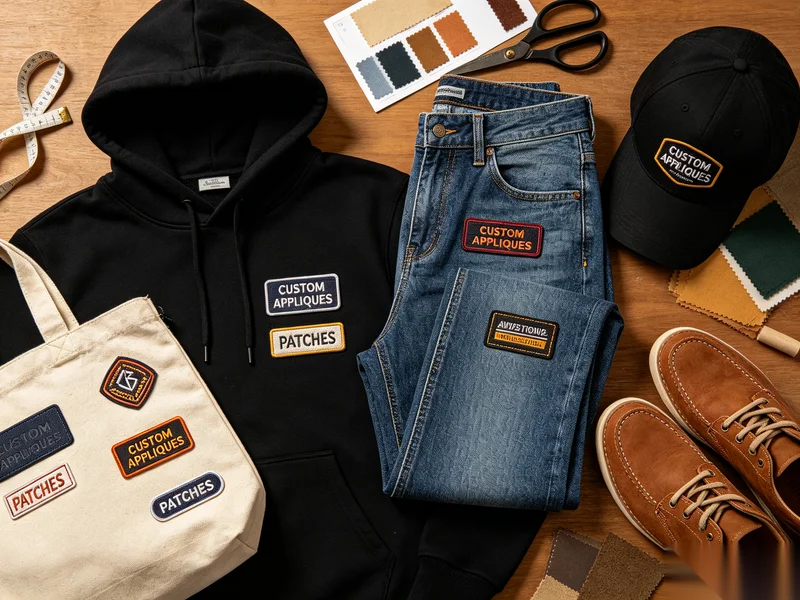
Designers can apply chenille patches to jackets, hoodies, bags, and hats without fully reworking garment construction. - Efficient Customization
Perfect for small-batch designs, samples, or personalized product lines.

How Should Designers Approach Chenille Patch Design?
Direct Answer:
Focus on simplicity, contrast, and structure.
Recommended Chenille Patch Design Styles
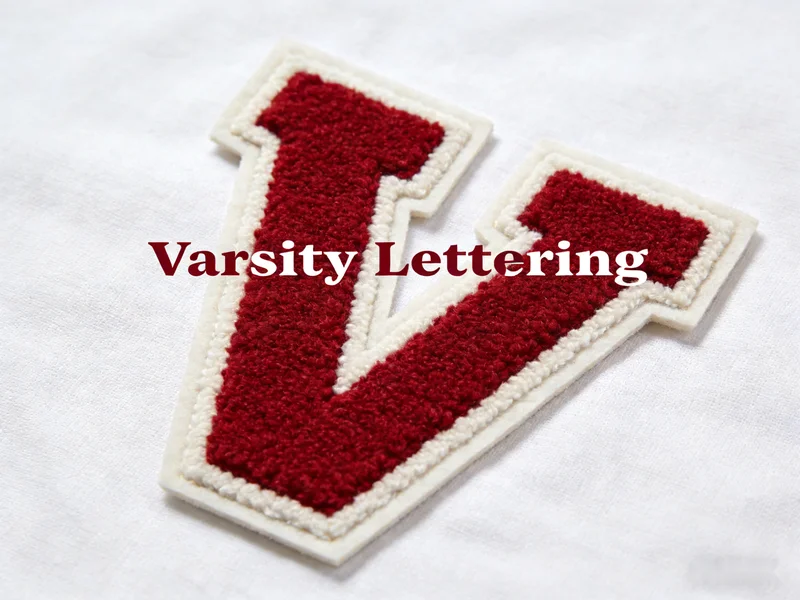
- Varsity Lettering
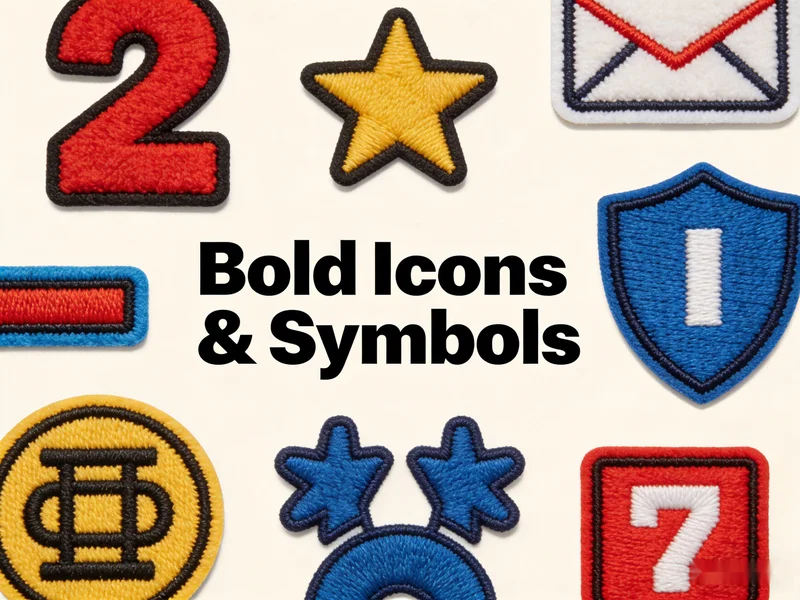
Large block letters with felt borders are the most classic and reliable chenille design. - Bold Icons & Symbols
Simple shapes such as numbers, stars, shields, or mascots translate well into chenille texture. - Minimal Color Palettes
2–4 colors are ideal. Too many colors reduce clarity and increase production complexity. - Layered Borders
Felt outlines or embroidered edges help define the shape and prevent visual blur.
Designers should remember: chenille is about impact, not detail.
What Design Elements Should Be Avoided in DIY Chenille Patches?
Short Answer:
Fine details and small text do not perform well.
Common Design Mistakes
- Thin lines or intricate artwork
- Small fonts or script typography
- Gradients or photo-like designs
- Overcrowded compositions
Chenille yarn loops require space. Overloading detail reduces readability and weakens the patch’s aesthetic.
How Are DIY Chenille Patches Manufactured?
Direct Answer:
They combine chenille embroidery with optional hand-finishing steps.
Production Overview
- Artwork Simplification & Digitization
Designs are converted into chenille-specific embroidery files. - Base Material Selection
Felt is commonly used due to its stability and thickness. - Chenille Embroidery Execution
Specialized chenille machines stitch looped yarn into the backing. - Edge Finishing
Options include embroidery borders, laser cutting, or felt trimming. - Backing Application
Heat seal or sew-on backings are common for DIY use.
Understanding this process helps designers create production-friendly designs.
What Backing Options Are Best for DIY Chenille Patches?
Short Answer:
Heat seal and sew-on are the most practical options.
Backing Recommendations
- Heat Seal Backing
Ideal for DIY applications and small batches. Easy to apply with a heat press. - Sew-On Backing
More durable for heavy garments like jackets and coats. - Velcro Backing
Useful for removable designs, but less common in fashion-focused chenille patches.
Designers should select backing types based on garment fabric and end-use conditions.
What Are the Key Design Considerations for DIY Chenille Patches?
Direct Answer:
Material compatibility, scale, and durability must be planned early.
Essential Design Tips
- Size Matters
Chenille patches work best at medium to large sizes (typically 6–15 cm). - Color Contrast
High contrast between yarn and backing improves visibility. - Edge Reinforcement
Borders prevent yarn loops from loosening during wear and washing. - Garment Fabric Compatibility
Thicker fabrics support chenille weight better than lightweight knits. - Washing & Care Requirements
Designs should account for garment laundering frequency.
Can DIY Chenille Patches Be Used in Bulk or Commercial Production?
Short Answer:
Yes, with proper design standardization.
Many B2B buyers use DIY chenille patches in controlled production environments, such as:
- OEM garment manufacturing
- Private-label apparel lines
- School or team merchandise
- Limited-edition fashion drops
By standardizing sizes, colors, and backings, brands can scale DIY chenille patches efficiently while preserving creative control.
How Should Designers Test DIY Chenille Patch Designs Before Mass Production?
Direct Answer:
Sampling and application testing are critical.
Recommended Testing Steps
- Apply patches to final garment fabric
- Test heat seal temperature and pressure
- Perform wash and wear tests
- Inspect yarn loop integrity after use
These steps reduce production risk and ensure consistent product quality.
Why Is “DIY Chenille Patches” a High-Intent Keyword for Designers and Brands?
Direct Answer:
It reflects active design and sourcing intent.
Search queries such as “DIY chenille patches design ideas” or “How to design chenille patches” often come from designers, fashion brands, and product developers. Structuring content around design recommendations and precautions increases relevance and Featured Snippet visibility.
Final Thoughts: When Are DIY Chenille Patches the Right Choice?
DIY chenille patches are ideal when designers want bold texture, strong visual identity, and flexible customization. By following proven design principles and avoiding common mistakes, brands can successfully integrate chenille patches into both creative concepts and scalable B2B production.
Good chenille design is not about complexity—it’s about confidence and clarity.
About Author
——————————————————————————————————————————————

Alexander
Online Sales Manager
Alexander specialize in digital marketing and understanding customer psychology, providing clients with the right solutions through data insights and creative strategies.
——————————————————————————————————————————————