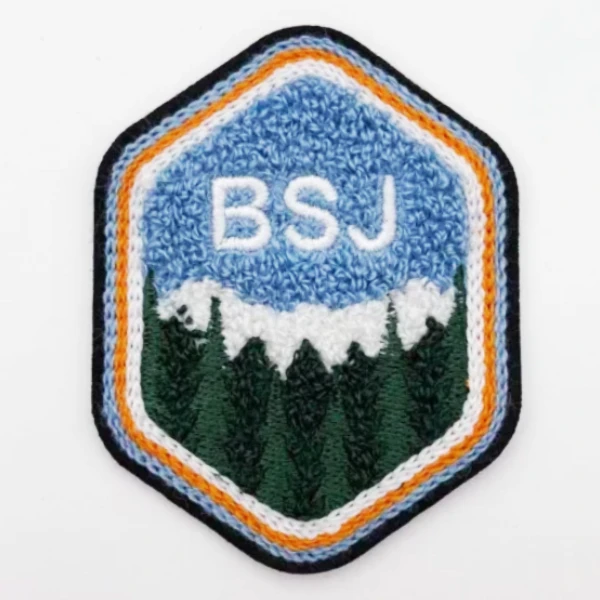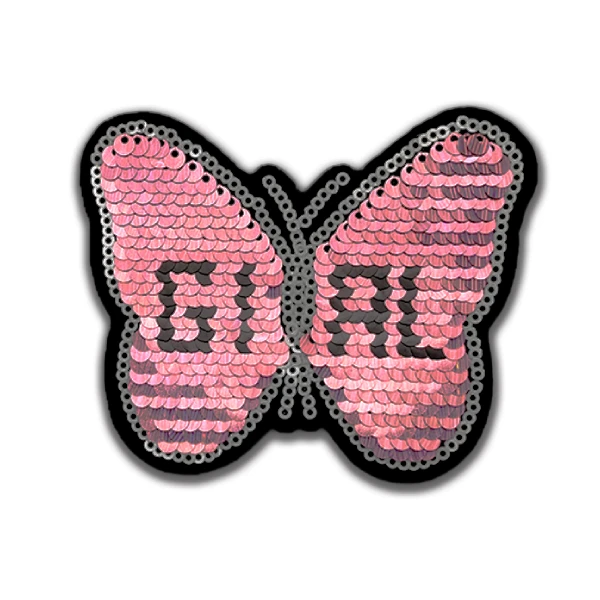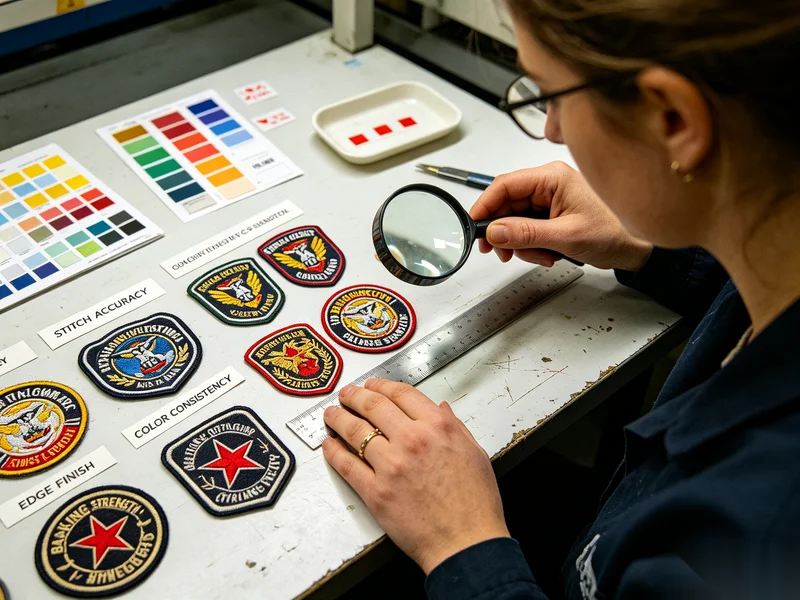
An embroidered patch sizes chart helps designers and buyers quickly determine the most suitable patch dimensions based on garment type and placement. Choosing the right size improves visibility, balance, and overall design impact, especially for uniforms, workwear, team apparel, and branded clothing.
What Is an Embroidered Patch Sizes Chart?
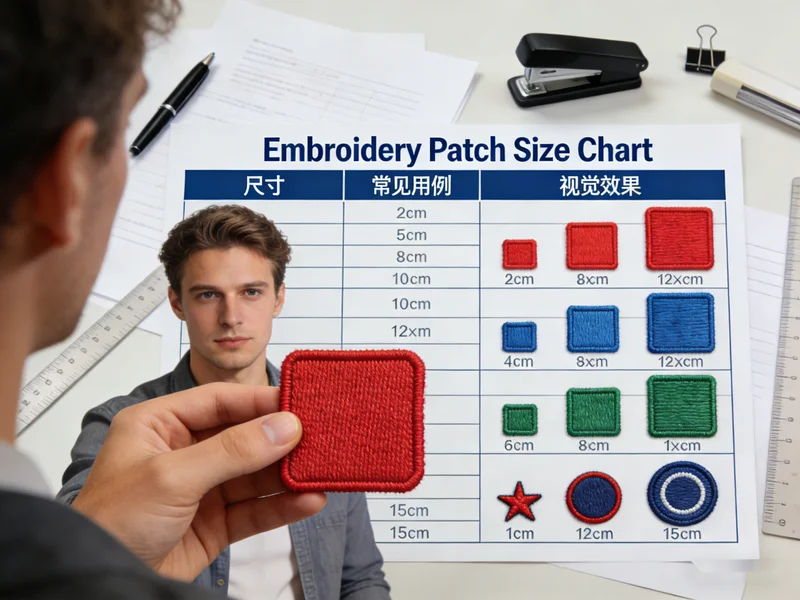
An embroidered patch sizes chart is a reference guide that links common patch dimensions with typical use cases, such as chest logos, sleeve patches, back patches, or hats.
For B2B users, this chart simplifies decision-making by reducing sampling errors and ensuring consistent sizing across bulk orders.
Why Patch Size Matters More Than You Think
Patch size directly affects:
- visual clarity of logos or text
- garment proportion and balance
- perceived quality of the final product
- brand recognition from a distance
Even a well-designed patch can lose impact if the size is wrong.
Standard Embroidered Patch Sizes Chart (Quick Reference)
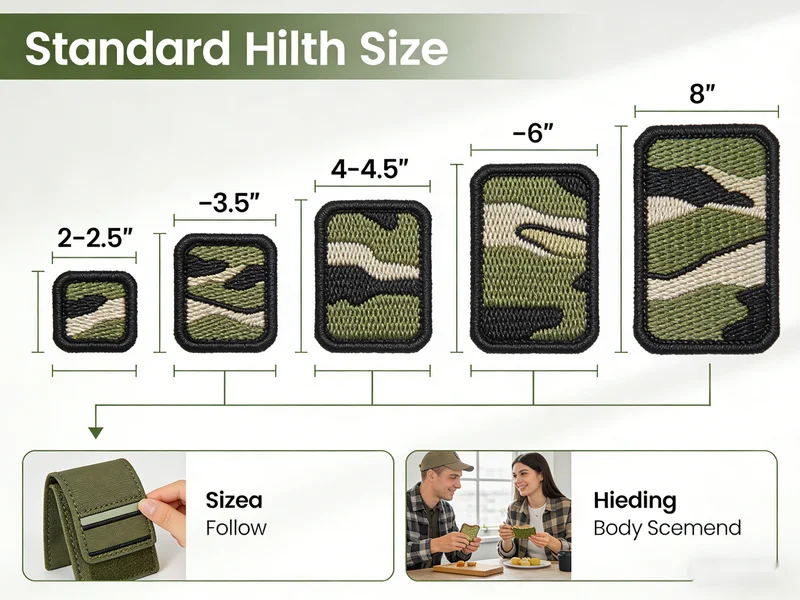
| Patch Size | Common Use Case | Visual Impact |
|---|---|---|
| 2″–2.5″ | Hats, small chest logos | Subtle |
| 3″–3.5″ | Sleeves, small uniforms | Balanced |
| 4″–4.5″ | Left chest, bags | Strong |
| 5″–6″ | Jackets, statement patches | Bold |
| 8″+ | Back patches | Maximum impact |
This embroidered patch sizes chart covers the most widely used dimensions in commercial apparel production.
How to Choose the Right Embroidered Patch Size
Start with Garment Type
Different garments naturally support different patch scales.
Examples:
- caps and beanies → smaller sizes
- shirts and polos → mid-size patches
- jackets and outerwear → larger patches
Consider Viewing Distance
Ask: How far away should the patch be readable?
- close-range branding → smaller sizes
- team or identity recognition → larger sizes
Match Size to Design Complexity
More detail usually requires more space.
Simple icons can stay small.
Text-heavy designs need larger dimensions.
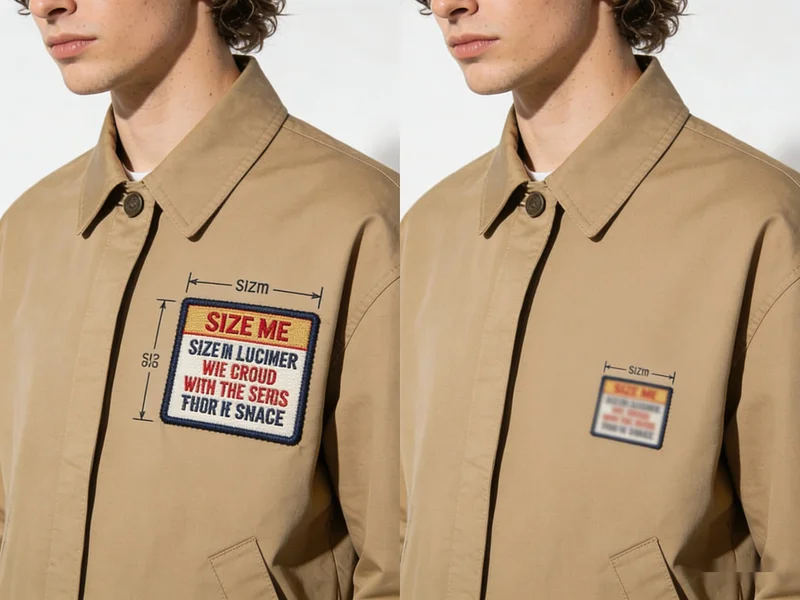
Respect Garment Proportions
A patch should complement the garment, not overpower it.
Oversized patches on lightweight garments can feel unbalanced.
Common Patch Placements and Recommended Sizes
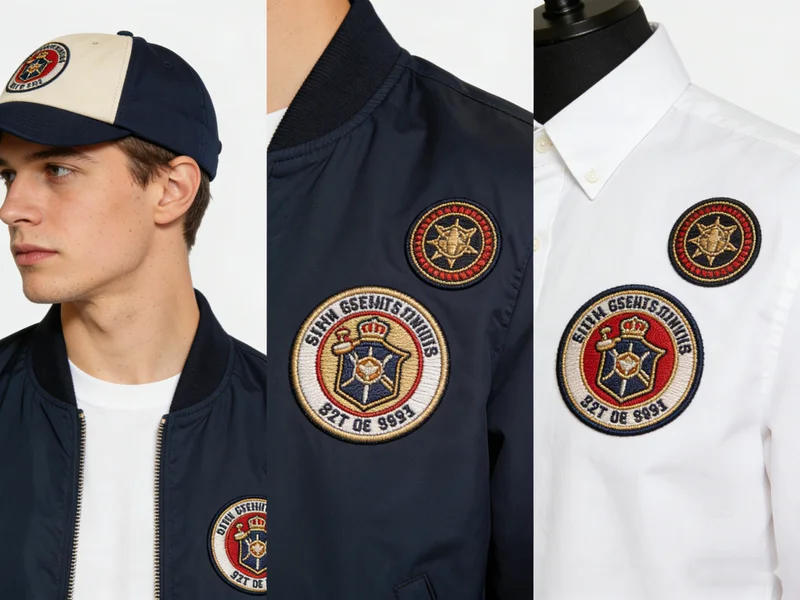
Left Chest Patches
- Typical size: 3.5″–4.5″
- Ideal for logos or names
Sleeve Patches
- Typical size: 3″–4″
- Best for symbols, flags, or badges
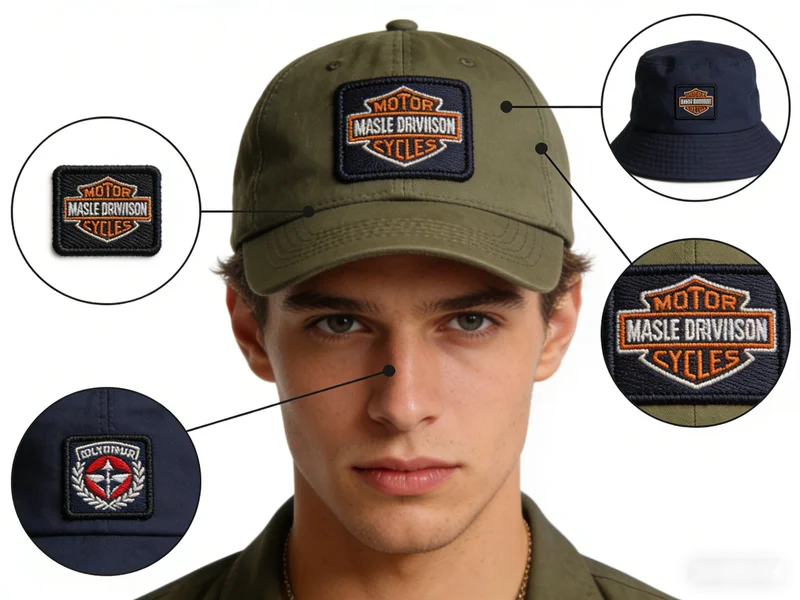
Hat & Cap Patches
- Typical size: 2″–2.5″
- Clean and readable designs work best
Back Patches
- Typical size: 8″–12″+
- Used for clubs, teams, or statement designs
Embroidered Patch Sizes for Uniform Programs
Uniform consistency is critical in B2B environments.
Patch sizes are often standardized to:
- maintain professional appearance
- simplify reorders
- ensure visual alignment across teams
An embroidered patch sizes chart helps enforce these standards across departments or locations.
Design Inspiration: Using Size as a Creative Tool
Patch size isn’t just technical—it’s expressive.
Designers use size to:
- create hierarchy (large main patch, small accents)
- guide viewer attention
- distinguish roles or ranks
- differentiate product lines
Intentional sizing elevates overall design quality.
Common Mistakes When Choosing Patch Sizes
- choosing sizes based only on price
- ignoring garment measurements
- using one size for all placements
- underestimating text readability
Referencing a patch size guide early prevents costly revisions.
FAQ: Embroidered Patch Sizes Chart
Q: Is there one standard patch size for all uses?
No. Patch size should always match placement and garment type.
Q: Can the same design use multiple sizes?
Yes. Many brands scale designs for different placements.
Q: Are larger patches always better?
Not necessarily. Balance and clarity matter more than size.
Q: Should patch size be decided before final artwork?
Ideally, yes. Size influences design detail and layout.
How B2B Buyers Use Patch Size Charts in Production
Professional buyers often:
- approve patch sizes during tech pack stage
- standardize sizes for repeat orders
- create internal sizing guidelines
- align patches across multiple garment styles
This approach improves efficiency and consistency.
Conclusion
An embroidered patch sizes chart is an essential planning tool for apparel designers, brands, and uniform programs. By matching patch dimensions to garment type, placement, and design complexity, you ensure better visual impact, fewer revisions, and more successful production outcomes.
For B2B applications, the right patch size isn’t just a detail—it’s a foundation for scalable, professional design.
About Author
——————————————————————————————————————————————

Alexander
Online Sales Manager
Alexander specialize in digital marketing and understanding customer psychology, providing clients with the right solutions through data insights and creative strategies.
——————————————————————————————————————————————