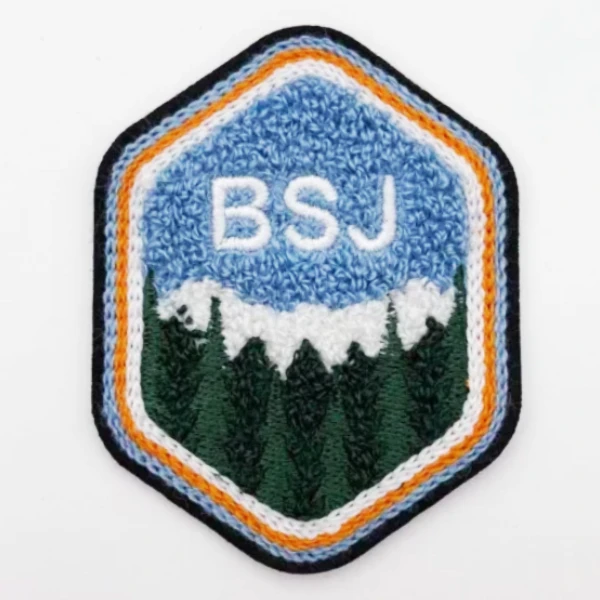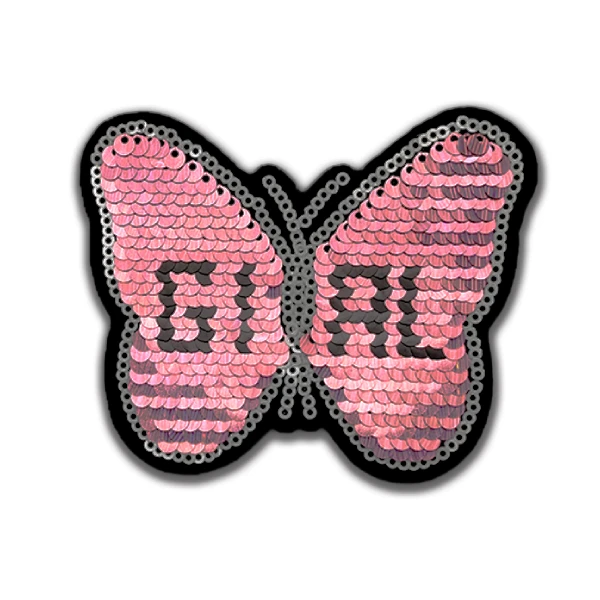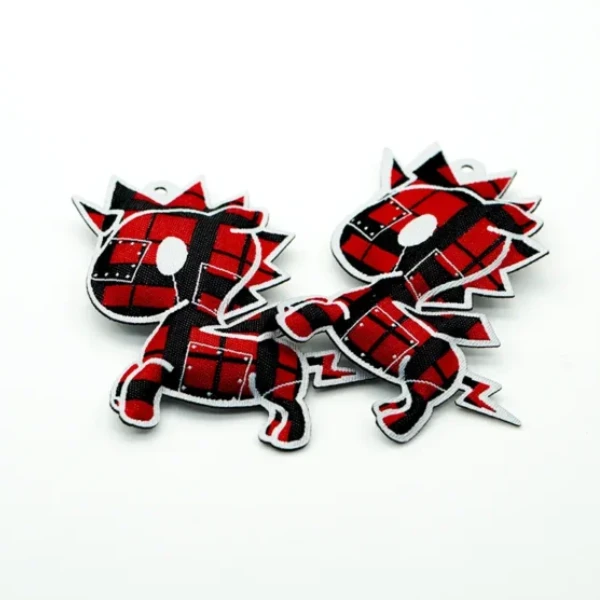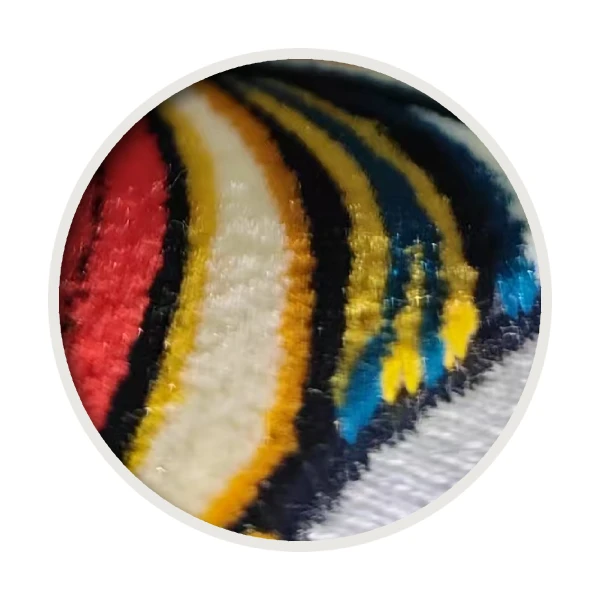
Embroidery patch material refers to the base fabric that supports stitched artwork and defines a patch’s structure, appearance, and performance. For brands and organizations, choosing the right embroidery patch material ensures visual clarity, durability, and consistency across uniforms, apparel collections, and large-scale programs.
What Is Embroidery Patch Material?
Embroidery patch material is the foundation layer onto which embroidery is applied. While thread creates the visible design, the base material determines how the patch holds its shape, responds to wear, and integrates with garments.
For B2B buyers—such as apparel brands, uniform suppliers, and clubs—the right material choice affects:
- design readability
- long-term durability
- production consistency
- overall perceived value
Patch material is not just a technical detail; it is a design decision.
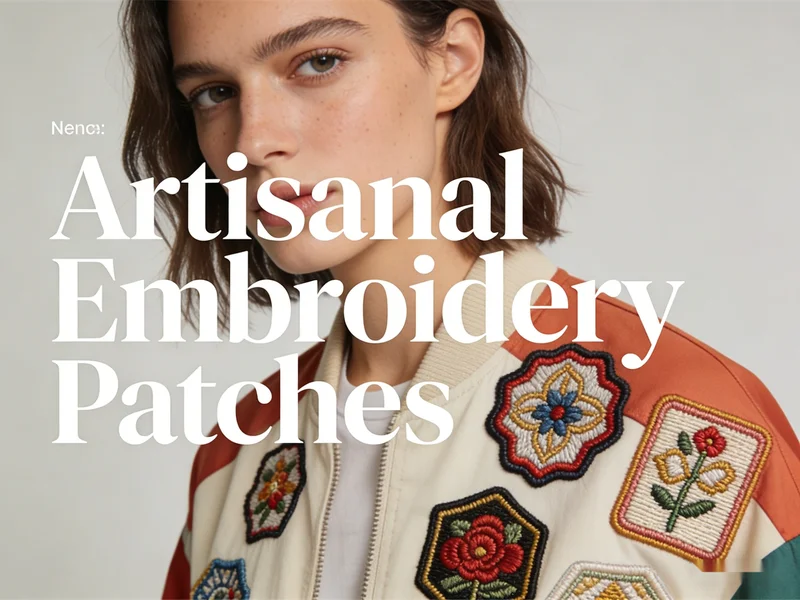
Why Embroidery Patch Material Matters in Professional Design
Two patches with the same artwork can look completely different depending on the material beneath the stitches.
The right embroidery patch material helps:
- maintain clean edges
- support stitch density
- prevent distortion
- match the garment’s style and function
In professional programs, material consistency is essential for brand credibility.
Common Embroidery Patch Material Options (Design-Focused Overview)
Instead of listing materials only by type, it’s more useful to understand how each material behaves in design contexts.
Structured Fabric Bases
These materials hold shape well and provide a clean canvas.
Best for:
- sharp logos
- text-heavy designs
- uniforms and workwear
Design advantage:
Crisp edges and strong readability.
Soft Fabric Bases
More flexible materials that move naturally with garments.
Best for:
- casual apparel
- fashion-forward collections
- lightweight garments
Design advantage:
A more organic, integrated look.
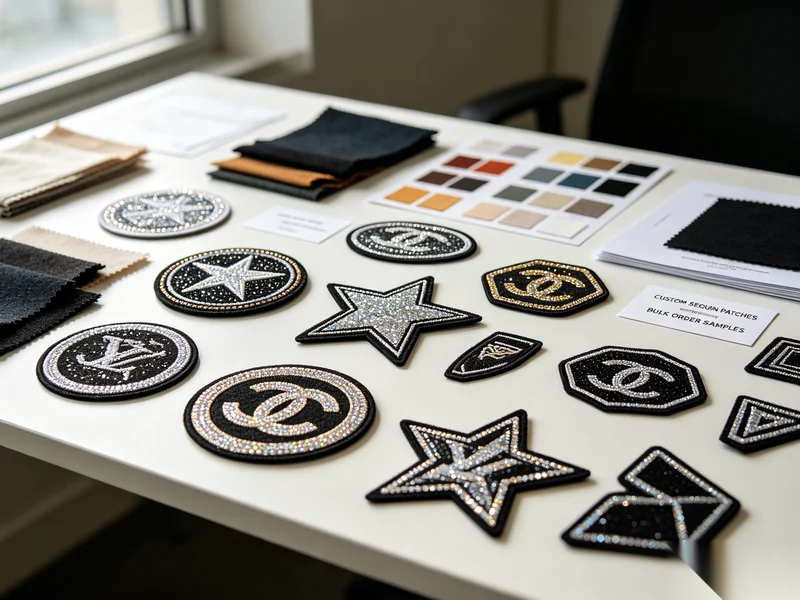
Textured Fabric Bases
Materials with visible weave or surface character.
Best for:
- heritage-inspired designs
- vintage aesthetics
- lifestyle brands
Design advantage:
Adds depth and personality without extra artwork.
Heavy-Duty Fabric Bases
Thicker materials designed for demanding environments.
Best for:
- tactical gear
- outerwear
- utility uniforms
Design advantage:
Stability and longevity under frequent use.

How Embroidery Patch Material Influences Design Outcomes
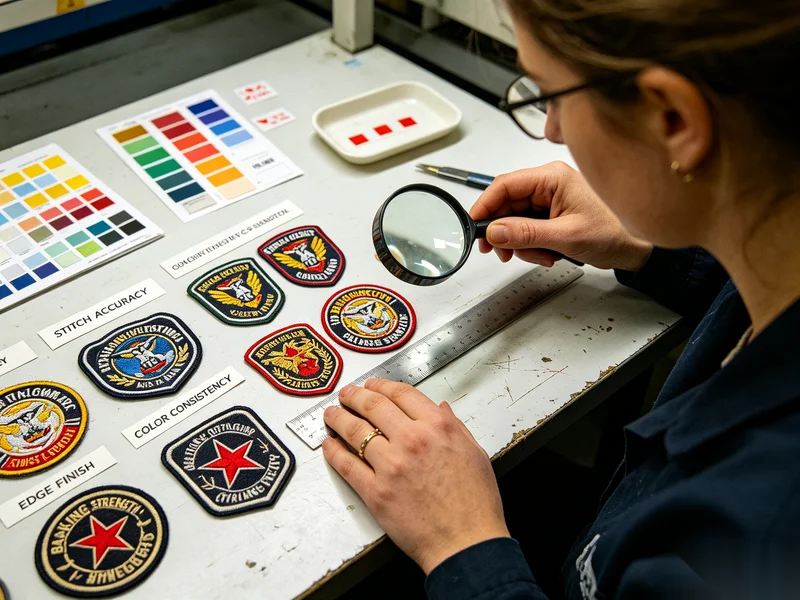
Stitch Definition
Firm materials allow tighter, more precise stitching.
Edge Cleanliness
Some materials cut cleaner and maintain shape better.
Color Presentation
Base fabric color and texture influence how thread colors appear.
Patch Thickness
Material thickness affects the patch’s visual weight on garments.
Wear Performance
Material choice impacts fraying, fading, and long-term appearance.
Choosing Embroidery Patch Material Based on Application
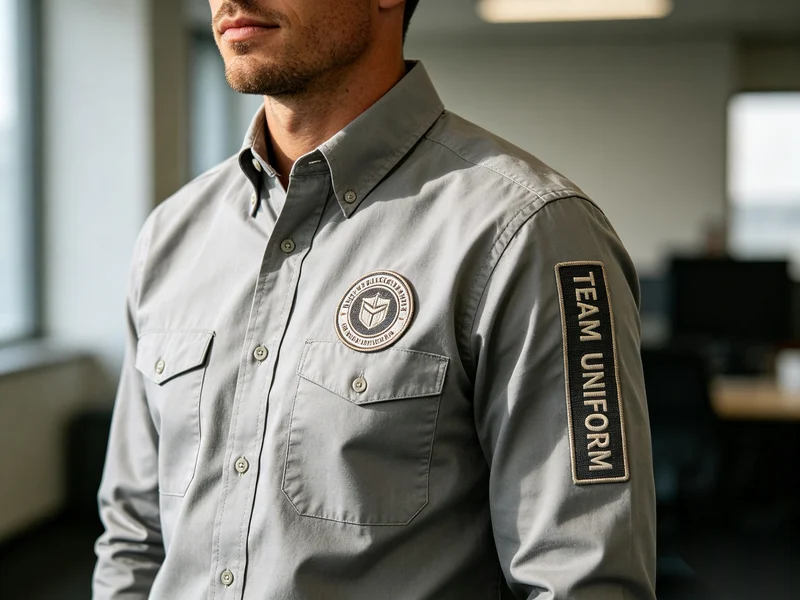
Uniform & Workwear Programs
Material should prioritize:
- structure
- consistency
- durability
Designs tend to be simple, bold, and highly legible.
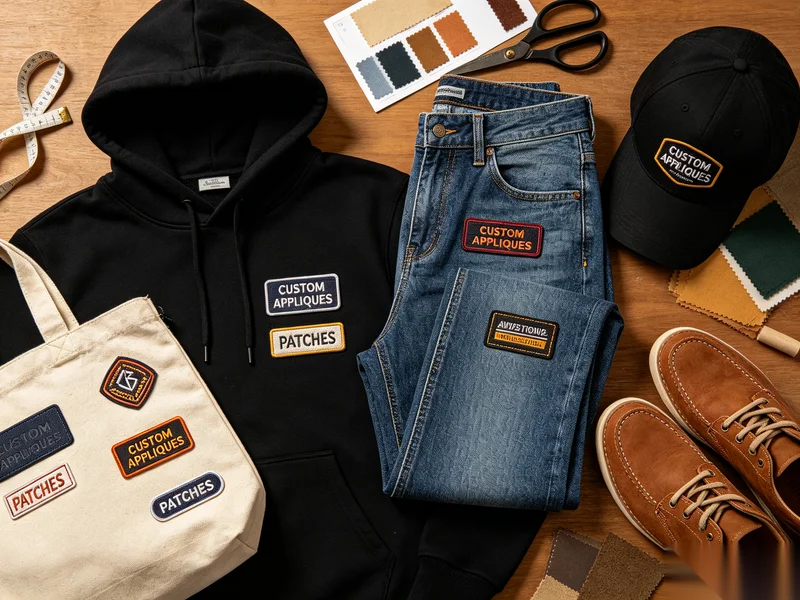
Apparel Brand Collections
Material choice often aligns with:
- brand personality
- garment fabric
- seasonal styling
Fashion brands may favor softer or textured bases.
Sports Teams & Clubs
Material must balance:
- durability
- visual impact
- repeated use
Consistency across multiple garments is critical.
Promotional & Event Patches
Short-term use allows more flexibility in material selection.
Designs often focus on visual impact rather than longevity.
Design Tips: Matching Embroidery Patch Material to Artwork
Bold, Graphic Designs
Work best with structured, stable materials.
Fine-Line or Text-Heavy Designs
Require materials that support clean stitch definition.
Organic or Illustrative Artwork
Pairs well with softer or textured bases.
Large Patches
Benefit from materials that prevent sagging or warping.
Small Patches
Need smooth surfaces to avoid visual clutter.
Embroidery Patch Material & Brand Perception
Material choice subtly communicates quality.
Premium-feeling materials:
- elevate brand image
- increase perceived value
- improve user satisfaction
In B2B contexts, these factors influence repeat orders and long-term partnerships.
Common Mistakes When Choosing Embroidery Patch Material
- selecting material without considering garment fabric
- prioritizing cost over performance
- using one material for all patch types
- ignoring edge and shape requirements
- testing designs only digitally
Avoiding these mistakes saves time and redesign costs.
Design Inspiration: Using Material as a Creative Element
While often overlooked, embroidery patch material can enhance design storytelling.
Examples:
- heritage brands using textured bases for authenticity
- modern brands choosing clean, smooth materials for minimalism
- outdoor brands selecting rugged materials to signal durability
Material reinforces the message of the patch—even before the design is read.
Embroidery Patch Material vs Patch Artwork: Which Matters More?
Both are essential, but they serve different roles.
| Aspect | Patch Material | Patch Artwork |
|---|---|---|
| Structure | Defines | Relies on |
| Durability | Supports | Dependent |
| Visual clarity | Enables | Expresses |
| Brand alignment | Reinforces | Communicates |
Strong patches result from artwork and material working together.
How Design Teams Standardize Patch Materials
Professional organizations often:
- define approved material options
- match materials to patch categories
- document usage guidelines
- test materials across garments
Standardization improves efficiency and consistency.
FAQ: Embroidery Patch Material
Q: Does embroidery patch material affect stitch quality?
Yes. Material stability directly influences stitch clarity and density.
Q: Can the same material be used for all patches?
It’s possible, but not ideal for varied applications.
Q: Should material match garment fabric?
They should complement each other in weight and style.
Q: Is material choice important for bulk programs?
Absolutely. Consistency is critical in bulk production.
Trends Influencing Embroidery Patch Material Selection
- preference for structured, clean-looking bases
- interest in textured, heritage-inspired fabrics
- alignment between garment fabric and patch base
- emphasis on durability for long-term programs
These trends reflect a move toward intentional, system-based design.
Conclusion
Embroidery patch material is the unseen foundation that determines how a patch looks, performs, and ages. For brands, teams, and organizations, choosing the right material is not a technical afterthought—it’s a strategic design decision.
When material, artwork, and application are aligned, embroidered patches achieve clarity, durability, and professional impact—supporting identity and recognition across every garment they appear on.
About Author
——————————————————————————————————————————————

Alexander
Online Sales Manager
Alexander specialize in digital marketing and understanding customer psychology, providing clients with the right solutions through data insights and creative strategies.
——————————————————————————————————————————————