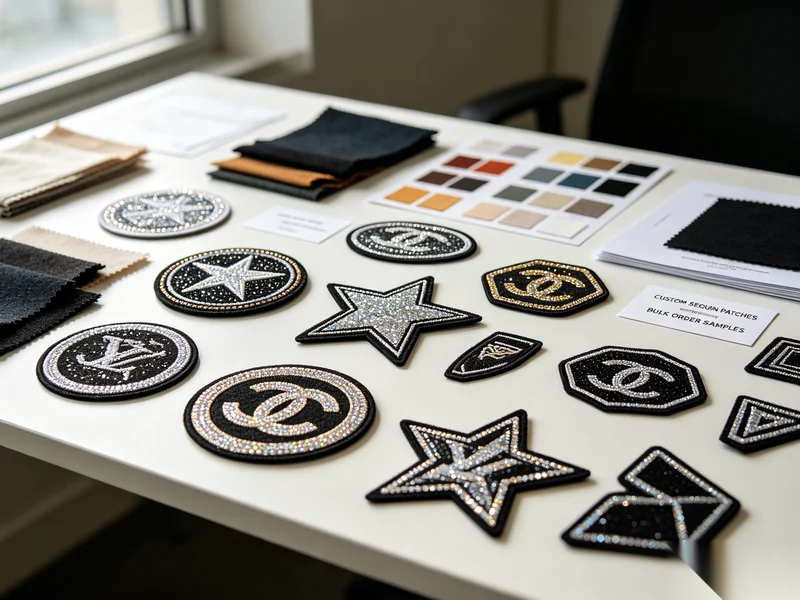
When creating custom patches for apparel, accessories, or branding, businesses often get stuck on a key decision:
Should I choose embroidered patches or woven patches?
Both are popular choices, but they deliver different textures, levels of detail, durability, and visual impressions. Choosing the right one determines how your brand is perceived and how your product performs in real-world use.
This guide breaks down everything you need to know—style, material differences, detail performance, suitable use cases, and how to decide the best option for your logo or design.
What Are Embroidered Patches?
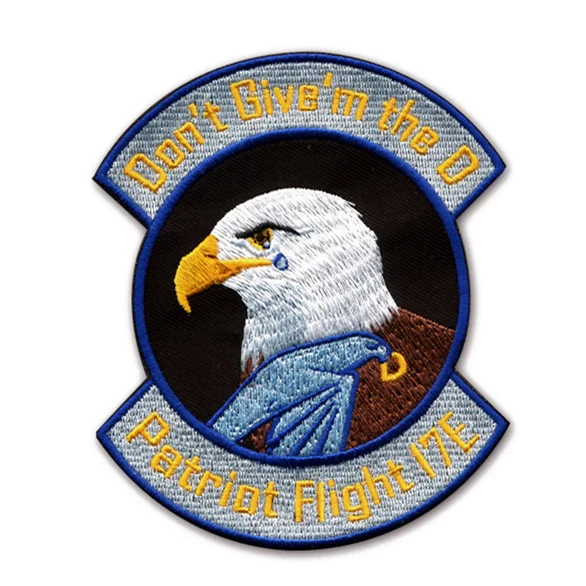
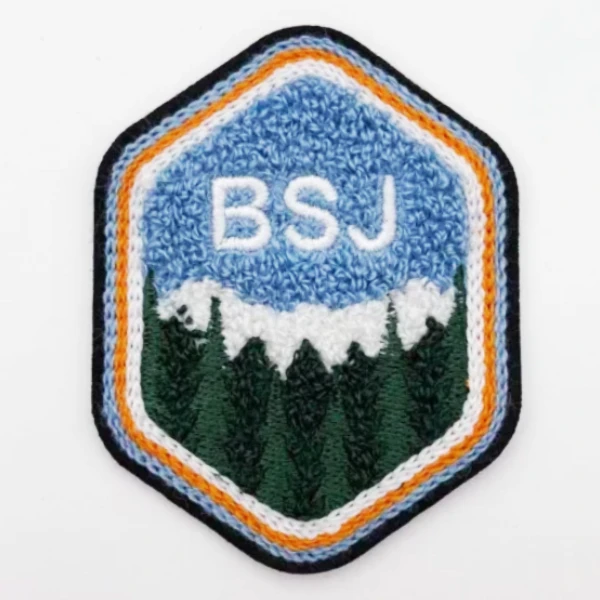
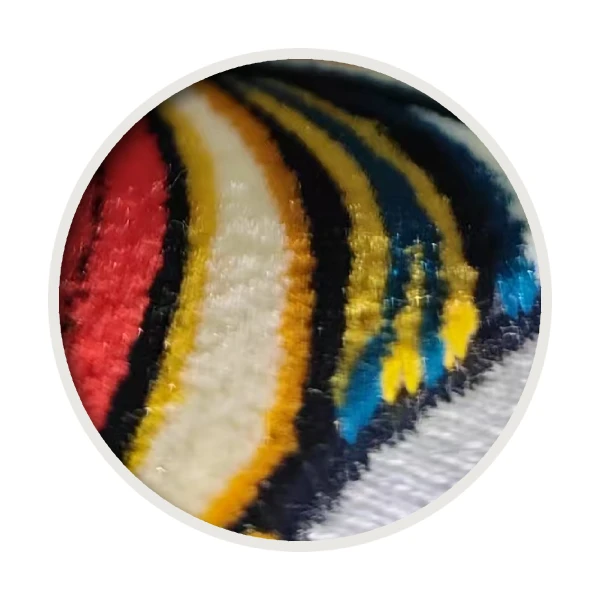
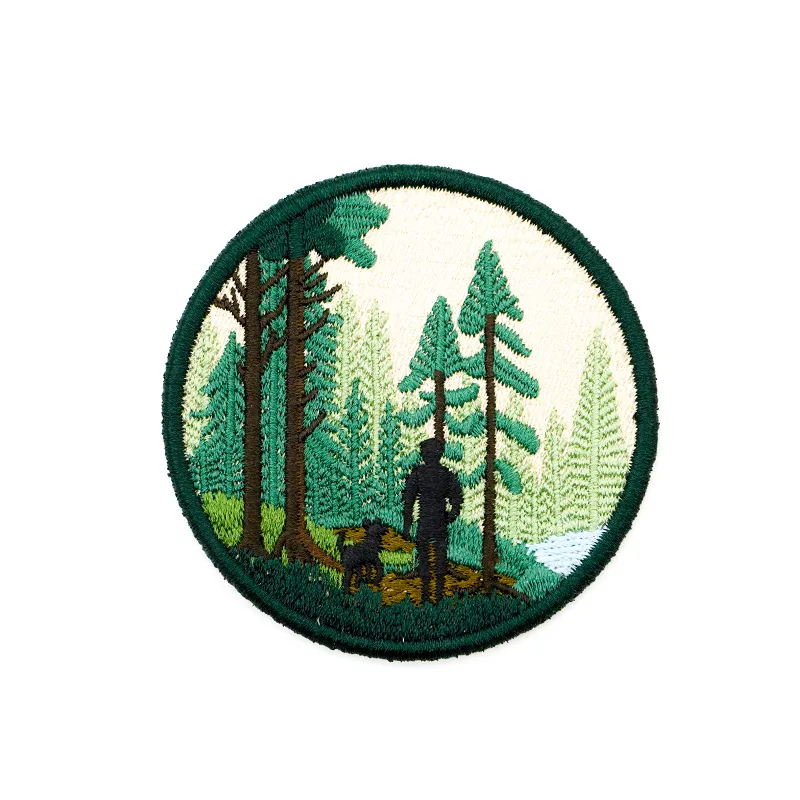
Embroidered patches are created by stitching threads onto a fabric base, forming raised patterns and classic thread textures. Because of their 3D surface effect, they’re widely used in retail fashion, sports apparel, varsity jackets, hats, bags, military gear, and promotional uniforms.
Key Characteristics of Embroidered Patches
- Classic and traditional aesthetic
- Raised, textured surface with visible thread patterns
- Thicker and slightly stiffer feel
- Great for bold logos, simple graphics, letters, and numbers
Embroidered patches bring a sense of heritage and personality—perfect when you want something eye-catching and tactile.
What Are Woven Patches?
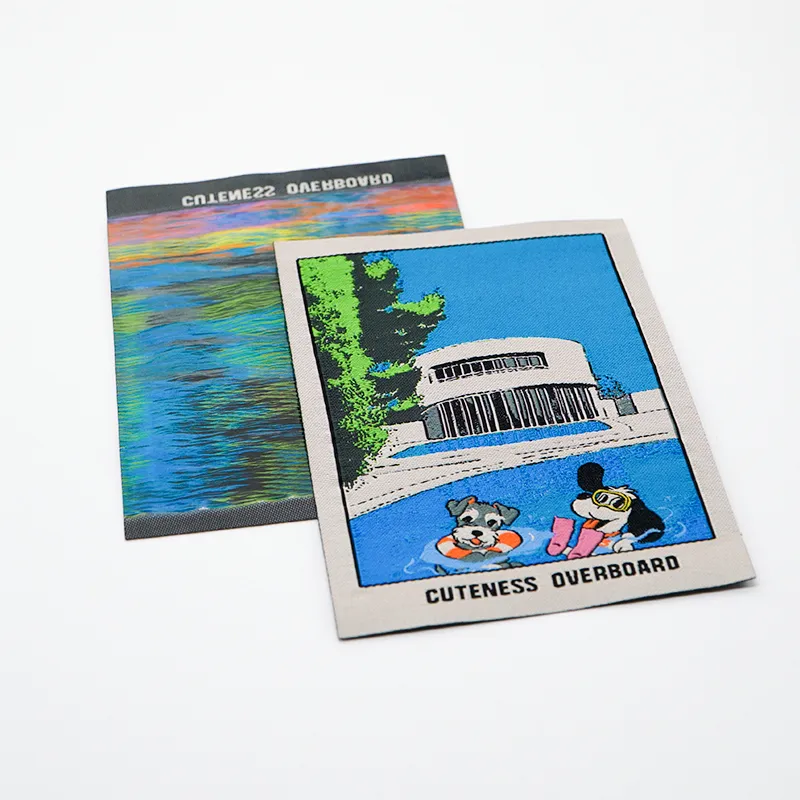
Woven patches are made by weaving fine threads together to form the design, rather than stitching over a base cloth. This method creates a smooth, flat surface with excellent detail capability.
Key Characteristics of Woven Patches
- Refined, premium, and elegant appearance
- Thin, lightweight, and flexible
- Higher precision, ideal for detailed artwork
- Smooth edges without visible stitching
They’re the preferred choice for brands seeking a clean, high-end look.
Embroidered vs Woven Patches: Direct Comparison
1. Style & Visual Effect
Embroidered Patches: Bold & Classic
The iconic stitch texture gives a handcrafted, athletic, or vintage vibe.
Woven Patches: Modern & High-End
Fine threads create a polished look suitable for luxury or fashion-forward branding.
2. Thickness & Stiffness
Embroidered
✔ Thicker and stiffer
✔ Thickness customizable by adjusting thread density
✔ Full-coverage embroidery = the highest rigidity
Woven
✔ Thin and soft
✔ More comfortable for close-to-skin applications
✔ Great for lightweight fabrics
If the patch must curve or flex (like on a beanie or soft bag), woven is easier to wear.
3. Detail & Precision
Embroidered Patches
- Visible needle texture
- May show slight pixelation on small text
- Best for simple shapes or solid logos
Woven Patches
- Exceptional clarity
- Perfect for tiny lettering, gradients, and detailed artwork
- No visible stitch serrations
If your design contains intricate elements, woven patches are the superior choice.
4. Durability & Long-Term Wear
Both have excellent durability, but differences exist:
Embroidered
- Stronger raised surface
- More resistant to abrasion
- Long-lasting for hats, jackets, military gear
Woven
- Softer but still durable
- Better color retention for fine patterns
- Excellent for everyday apparel or brand labels
5. Cost Considerations
Embroidered Patches
Cost increases with:
- Thread coverage
- Patch size
- Complexity
But generally, they are affordable and ideal for high-volume orders.
Woven Patches
Cost depends on:
- Color count
- Detail level
They’re slightly more expensive when designs require high complexity, but provide unmatched detail.
6. Best Use Cases
Choose Embroidered Patches When You Need:
- Classic, sporty, or retro style
- Large logos or simple graphics
- Textured, 3D-like appearance
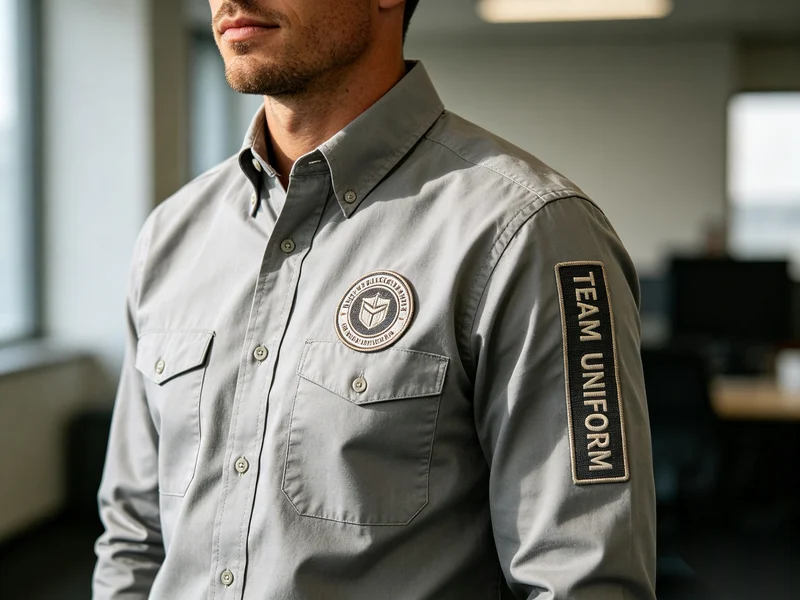
- Patches for hats, jackets, uniforms, backpacks
Ideal for:
- Sports teams
- Clubs and events
- Work uniforms
- Outdoor gear brands
- Fashion jacket back patches
Choose Woven Patches When You Need:
- Detailed artwork or micro text
- Minimalist, clean branding
- A high-end or luxury look
- Thin, flexible patches
- Small size labels or fashion branding tags
Ideal for:
- Premium clothing labels
- Designer brands
- Children’s apparel
- Fine-detail logo work
- Accessories requiring comfort (beanies, scarves)
Quick Comparison Table: Embroidered vs Woven Patches
| Feature | Embroidered Patches | Woven Patches |
|---|---|---|
| Style | Classic, bold | Modern, refined |
| Detail Precision | Medium | Very high |
| Texture | Raised, textured | Flat, smooth |
| Thickness | Thicker | Thinner |
| Flexibility | Stiff | Flexible |
| Best For | Simple logos, sports, uniforms | Detailed designs, premium branding |
How to Choose the Right Type for Your Project
Here are three practical questions to help you decide:
1. Does your design contain small text or fine details?
→ Choose woven patches.
2. Do you want a textured, bold, traditional appearance?
→ Choose embroidered patches.
3. Will the patch be applied to soft or flexible fabrics?
→ Woven patches provide better comfort.
Final Thoughts
Both embroidered and woven patches have their own strengths. The best choice depends on your brand style, design complexity, fabric type, and the visual impact you want to achieve.
If you’re still unsure, you can send your design to us—we can recommend the most suitable solution and provide digital mockups for free.
About Author
——————————————————————————————————————————————

Alexander
Online Sales Manager
Alexander specialize in digital marketing and understanding customer psychology, providing clients with the right solutions through data insights and creative strategies.
——————————————————————————————————————————————