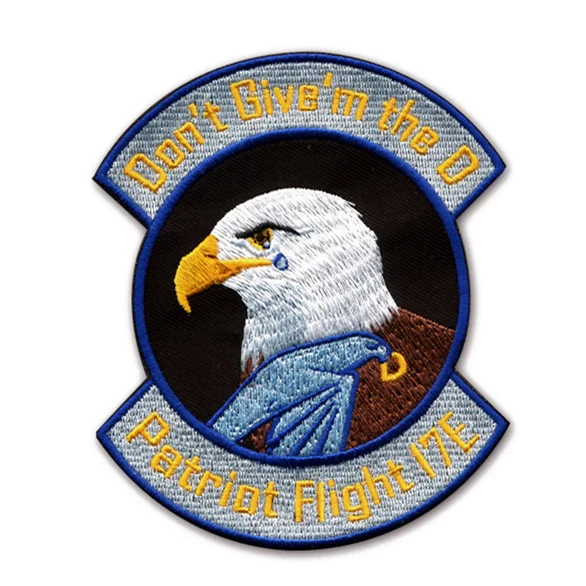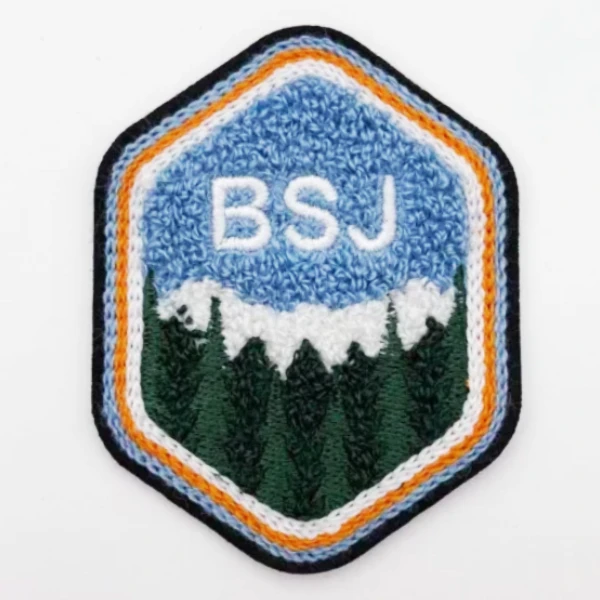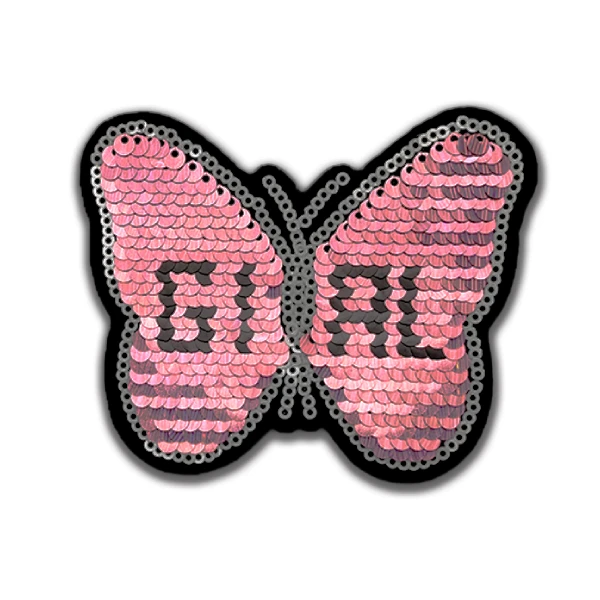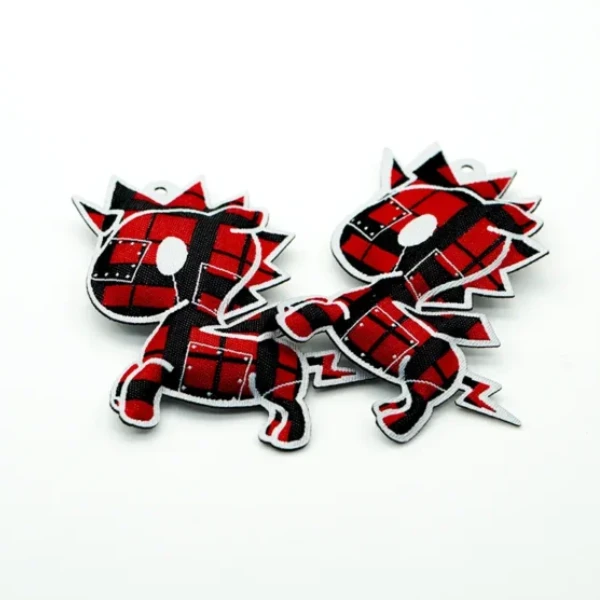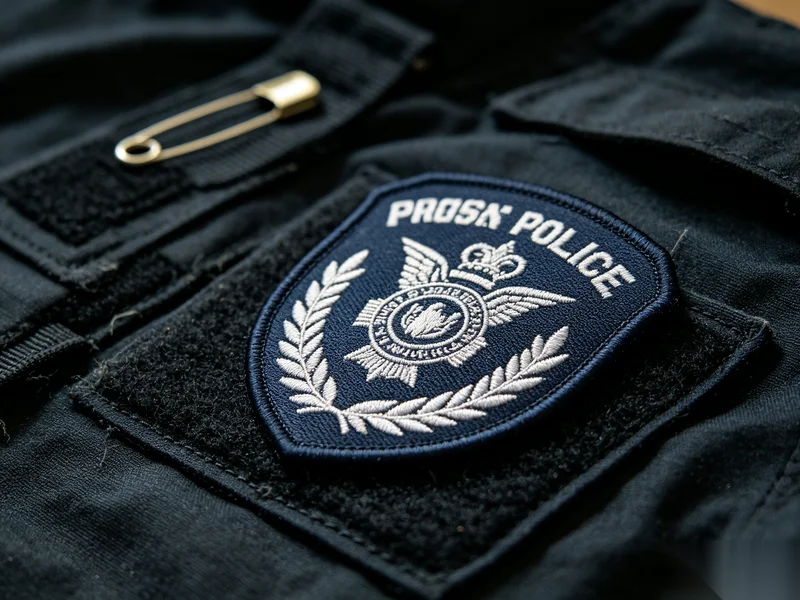
To make iron on embroidered patches, manufacturers create a digital design, embroider the artwork onto fabric, add heat-activated adhesive backing, cut the patch into shape, and complete quality inspection. Custom iron on embroidered patches provide businesses with an easy-to-apply, durable branding solution for apparel, bags, uniforms, and promotional products.
Quick Overview of How to Make Iron On Embroidered Patches
| Manufacturing Step | Mô tả |
|---|---|
| Chuẩn bị thiết kế | Convert logo or artwork into embroidery format |
| Lựa chọn vật liệu | Choose fabric, thread, and adhesive backing |
| Sản xuất thêu | Stitch the design onto patch fabric |
| Adhesive Application | Add heat-activated iron-on backing |
| Cắt và Hoàn thiện | Create the final patch shape |
| Kiểm tra chất lượng | Check stitching, adhesion, and appearance |
Understanding the production process helps clothing brands, wholesalers, and manufacturers select the right patch supplier and improve product quality.
Miếng dán thêu bằng sắt là gì?
Trả lời:
Iron on embroidered patches are decorative fabric patches with a heat-activated adhesive layer on the back. They allow users to attach logos, symbols, or designs to clothing and accessories by applying heat with an iron or heat press.
Compared with traditional sew-on patches, iron on embroidered patches provide a faster application method while maintaining a professional embroidered appearance.
Chúng được sử dụng rộng rãi bởi:
- Thương hiệu thời trang
- Streetwear companies
- Uniform manufacturers
- Đội thể thao
- Nhà cung cấp sản phẩm quảng cáo
- Accessories businesses
For B2B buyers, custom iron on embroidered patches are an efficient way to add branding details to products without requiring additional sewing processes during manufacturing.
How to Make Iron On Embroidered Patches Step by Step?
Trả lời:
Making iron on embroidered patches involves several professional manufacturing steps, including design preparation, embroidery, adhesive application, and finishing. Each step affects the final quality, durability, and appearance of the patch.
Step 1: Prepare the Embroidery Design
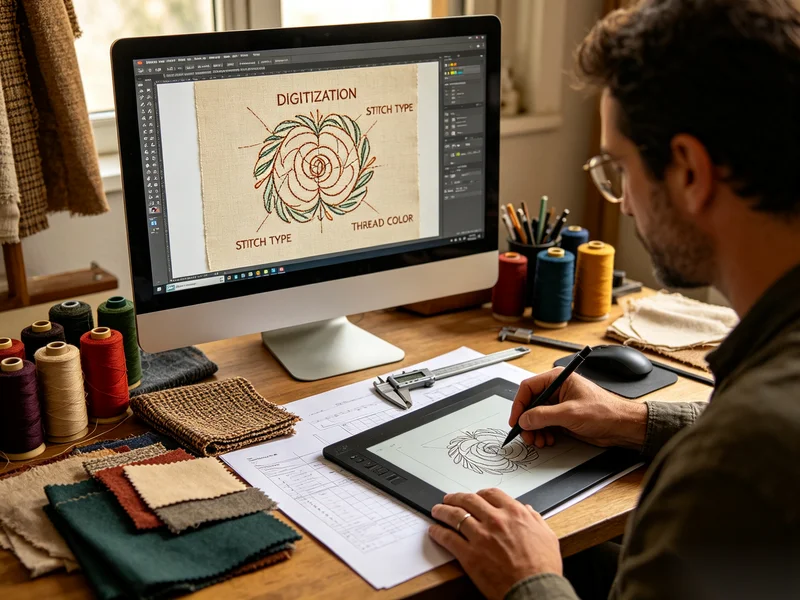
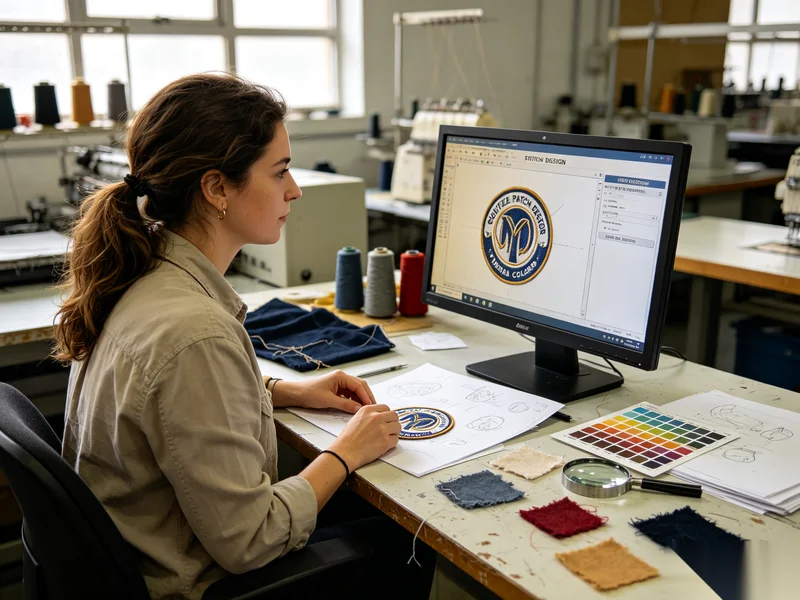
The first step is converting the customer’s logo or artwork into an embroidery-ready digital file.
Professional designers analyze:
- Độ phức tạp của thiết kế
- Hướng mũi khâu
- Màu chỉ
- Các quy định về xuất nhập cảnh
- Size limitations
Unlike printed graphics, embroidery uses threads to recreate the design. Therefore, some small details may need adjustment to ensure clear and attractive results.
A professional embroidered patch supplier usually provides digitization support to optimize artwork before production.
Step 2: Select Suitable Patch Materials
Trả lời:
Material selection determines the durability and appearance of iron on embroidered patches.
Các vật liệu phổ biến bao gồm:
Vải nền
Các lựa chọn phổ biến bao gồm:
- Vải chéo
- Vải nỉ
- Vải polyester
- Vải bông
Twill is commonly used because it provides a smooth surface and strong support for embroidery.
Chỉ thêu
Thread selection affects color, shine, and durability. Common thread options include:
- Polyester thread for strength
- Rayon thread for a glossy appearance
- Metallic thread for decorative effects
Keo kích hoạt bằng nhiệt
The back layer is usually made from a special adhesive film that melts under heat and bonds with fabric surfaces.
Step 3: Embroider the Patch Design
Trả lời:
The embroidery process uses computerized machines to stitch the design onto the patch material according to the digital embroidery file.
During production, machines control:
- Độ dày mũi khâu
- Vị trí chỉ khâu
- Sự thay đổi màu sắc
- Border stitching
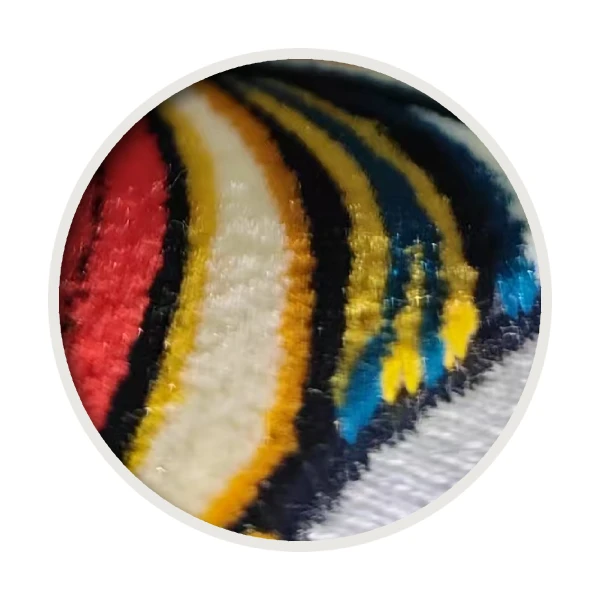
The embroidery process creates the raised texture that makes patches visually attractive.
For bulk orders, professional manufacturers use advanced embroidery equipment to ensure every patch maintains the same quality and appearance.
Step 4: Add the Iron-On Adhesive Backing
Trả lời:
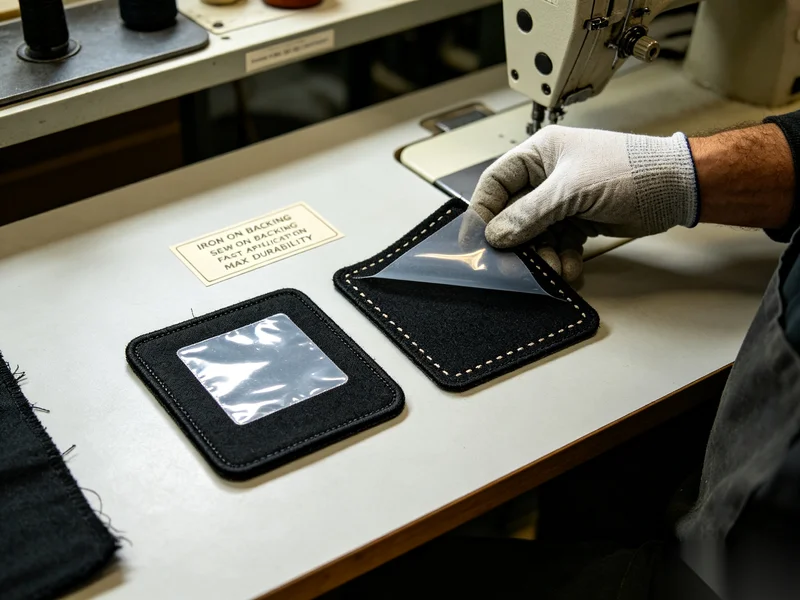
After embroidery is completed, manufacturers apply a heat-activated adhesive layer to the back of the patch.
This backing allows customers to attach the patch using heat.
The adhesive process includes:
- Preparing adhesive material
- Applying it evenly to the patch back
- Using heat and pressure to secure the layer
- Checking bonding quality
A high-quality adhesive backing should provide:
- Sự gắn bó sâu sắc
- Dễ dàng sử dụng
- Long-lasting performance
Step 5: Cut the Patch Into the Final Shape
Trả lời:
After adhesive application, patches are cut into their final shapes according to customer requirements.
Common cutting methods include:
Cắt bằng laser
- Creates precise edges
- Suitable for complex shapes
- Provides clean finishing
Cắt khuôn
- Efficient for large production quantities
- Creates consistent shapes
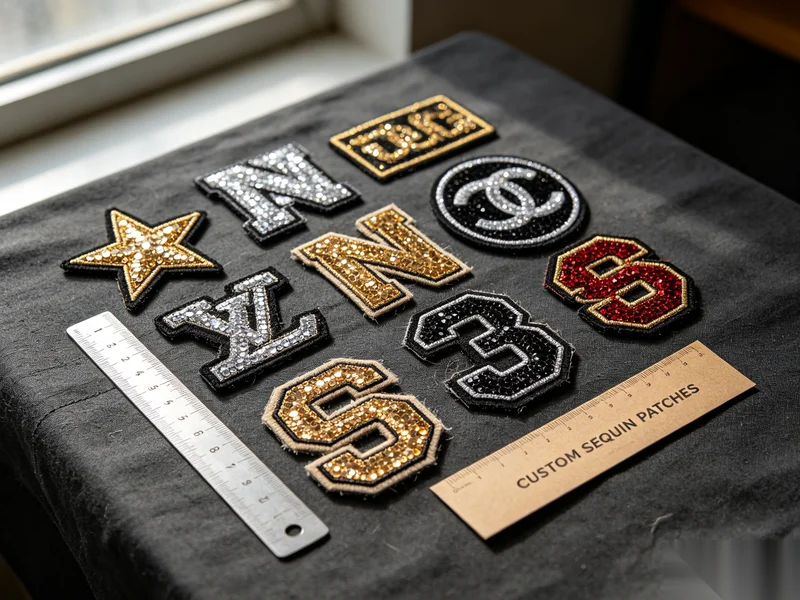
Custom shapes may include:
- Logo thương hiệu
- Thư
- Động vật
- Biểu tượng
- Các họa tiết độc đáo
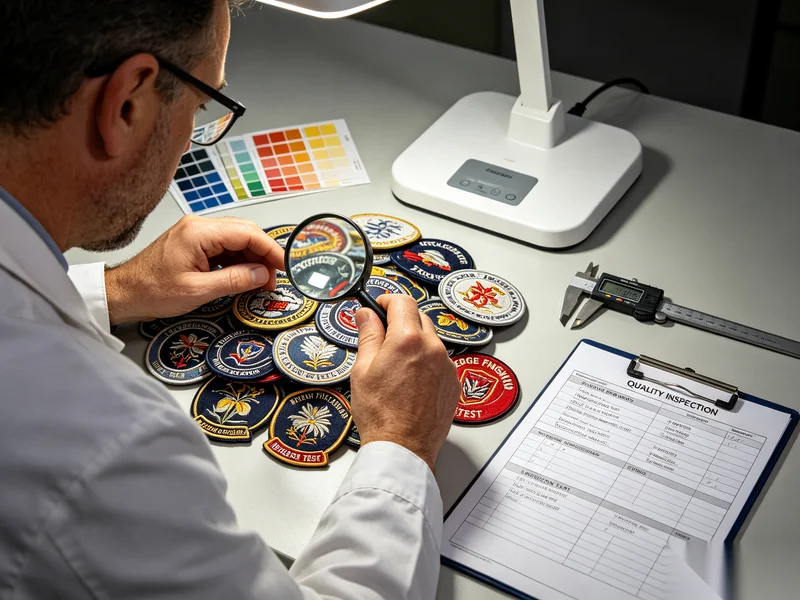
Step 6: Quality Inspection and Packaging
Trả lời:
The final production stage involves checking every patch to ensure it meets quality standards.
Các nhà sản xuất tiến hành kiểm tra:
- Độ chính xác của việc thêu
- Chất lượng sợi
- Hoàn thiện cạnh
- Độ bám dính
- Độ đồng nhất màu sắc
For wholesale buyers, quality control is especially important because large orders require consistent results across thousands of pieces.

Why Do Brands Choose Custom Iron On Embroidered Patches?
Trả lời:
Brands choose custom iron on embroidered patches because they combine professional appearance, easy application, and flexible customization.
Đơn giản và dễ dàng
Iron-on backing allows users to attach patches quickly without sewing equipment.
Strong Branding Effect
Custom patches transform basic products into recognizable branded items.
Sản xuất hiệu quả về chi phí
For manufacturers, patches provide an affordable way to customize apparel compared with complicated garment modifications.
Tương thích rộng rãi với nhiều sản phẩm
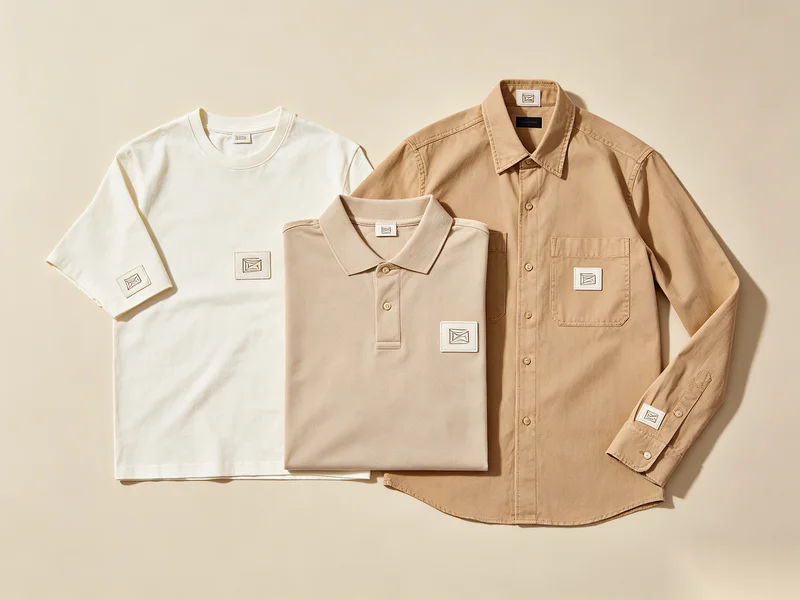
Iron on embroidered patches can be applied to:
- Áo khoác
- Quần jean
- Áo hoodie
- Mũ
- Cặp lưng
- Đồng phục
What Is the Difference Between Iron On and Sew On Embroidered Patches?
Trả lời:
Iron on patches use heat-activated adhesive backing, while sew-on patches require stitching. The best choice depends on product usage, durability requirements, and production methods.
| Tính năng | Iron On Embroidered Patches | May các miếng thêu lên |
|---|---|---|
| Đơn đăng ký | Máy ép nhiệt hoặc bàn ủi | Cần may |
| Tốc độ cài đặt | Nhanh hơn | Chậm hơn |
| Độ bền | Tốt | Tuyệt vời |
| Phù hợp nhất cho | Fashion and casual products | Heavy-duty products |
| Tính tiện lợi trong sản xuất | Cao | Trung bình |
Many brands choose iron-on patches for retail products because they simplify application and reduce production steps.
How Can Businesses Order Custom Iron On Embroidered Patches?
Trả lời:
Businesses can order custom iron on embroidered patches by preparing artwork, selecting specifications, and working with an experienced patch manufacturer.
Important details include:
Design Requirements
Provide:
- Các tệp logo
- Màu sắc ưa thích
- Yêu cầu về kích thước
- Shape preferences
Ứng dụng của sản phẩm
Explain where the patch will be used, such as:
- Clothing
- Túi xách
- Đồng phục
- Phụ kiện
Kế hoạch lượng
Wholesale buyers should estimate production needs to achieve better pricing and maintain inventory.
Can Iron On Embroidered Patches Be Used for Wholesale Production?
Trả lời:
Yes, iron on embroidered patches are highly suitable for wholesale production because they can be manufactured consistently in large quantities.
They are commonly ordered by:
- Thương hiệu thời trang
- Các nhà bán lẻ thời trang
- Các công ty quảng cáo
- Nhà cung cấp đồng phục
- Private label manufacturers
Bulk production helps businesses reduce costs while maintaining consistent branding across product collections.
Why Is Choosing the Right Embroidered Patch Supplier Important?
Trả lời:
Choosing the right embroidered patch supplier ensures better quality, reliable delivery, and professional customization support.
A qualified supplier should provide:
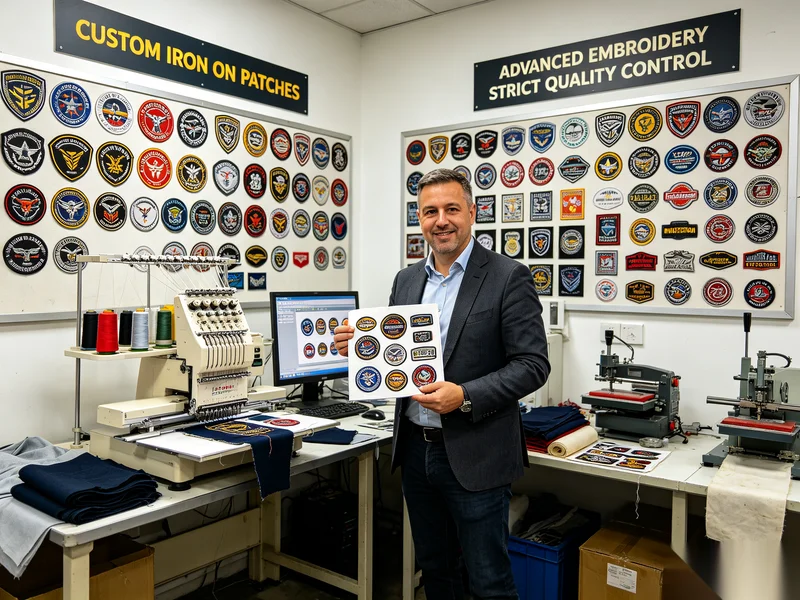
- Công nghệ thêu tiên tiến
- Experienced design support
- Nhiều tùy chọn hỗ trợ
- Kiểm soát chất lượng nghiêm ngặt
- Flexible production capacity
For businesses developing long-term product lines, supplier reliability directly affects customer satisfaction and brand reputation.
Frequently Asked Questions About How to Make Iron On Embroidered Patches
1. What materials are used to make iron on embroidered patches?
Iron on embroidered patches usually include a fabric base, embroidery thread, and heat-activated adhesive backing.
2. Can any logo be made into an iron on embroidered patch?
Most logos can be converted into patches, but complex details may require design adjustments for embroidery production.
3. How long do iron on embroidered patches last?
High-quality patches can last for years when properly attached and maintained.
4. Can iron on patches be washed?
Yes, but following proper washing instructions helps maintain adhesive strength and embroidery quality.
5. What is the best backing for custom embroidered patches?
Heat-activated adhesive backing is ideal for quick application, while sew-on backing provides maximum durability.
6. How long does it take to produce custom iron on embroidered patches?
Production time depends on design complexity, order quantity, and supplier capacity.
Kết luận
Learning how to make iron on embroidered patches helps businesses understand the value behind this popular branding product. From artwork preparation and embroidery production to adhesive application and quality inspection, every manufacturing step influences the final result.
For clothing brands, wholesalers, and textile manufacturers, custom iron on embroidered patches provide a practical solution for creating attractive, durable, and easy-to-apply branding elements. Working with an experienced embroidered patch supplier ensures consistent quality and reliable production for both small projects and large-scale orders.
Về tác giả
——————————————————————————————————————————————

Alexander
Quản lý Bán hàng Trực tuyến
Alexander chuyên về tiếp thị kỹ thuật số và hiểu biết về tâm lý khách hàng, cung cấp cho khách hàng các giải pháp phù hợp thông qua phân tích dữ liệu và chiến lược sáng tạo.
——————————————————————————————————————————————