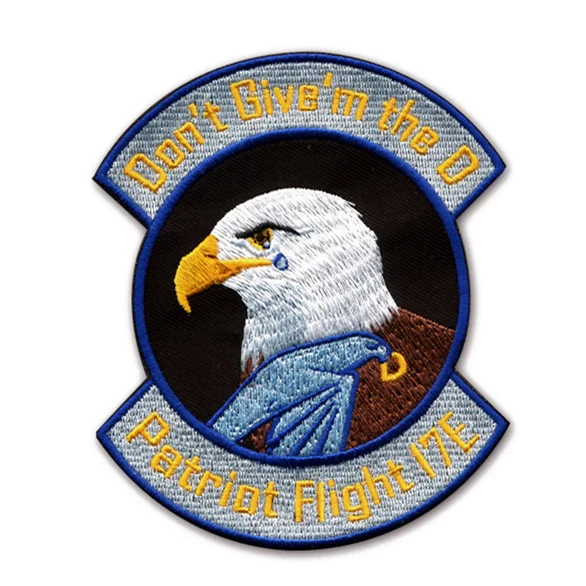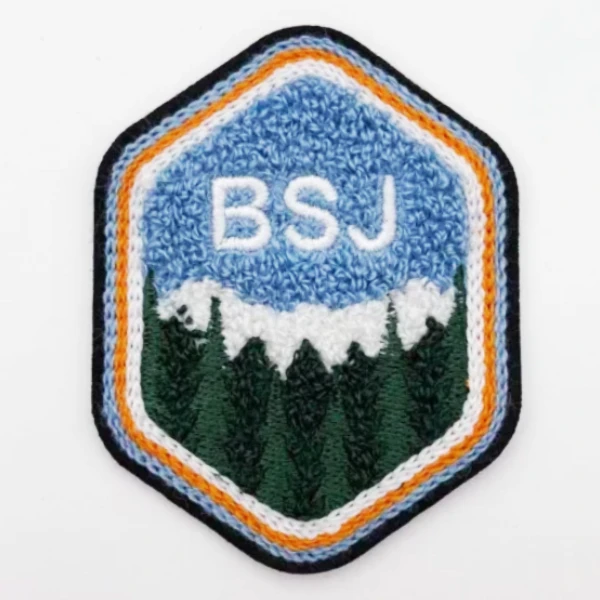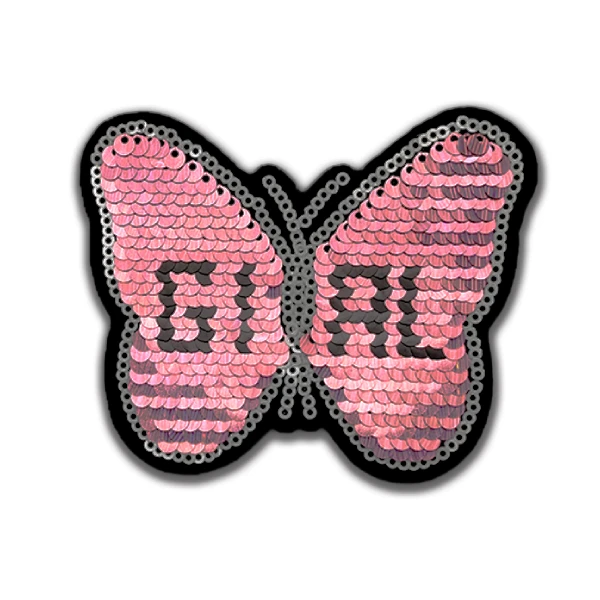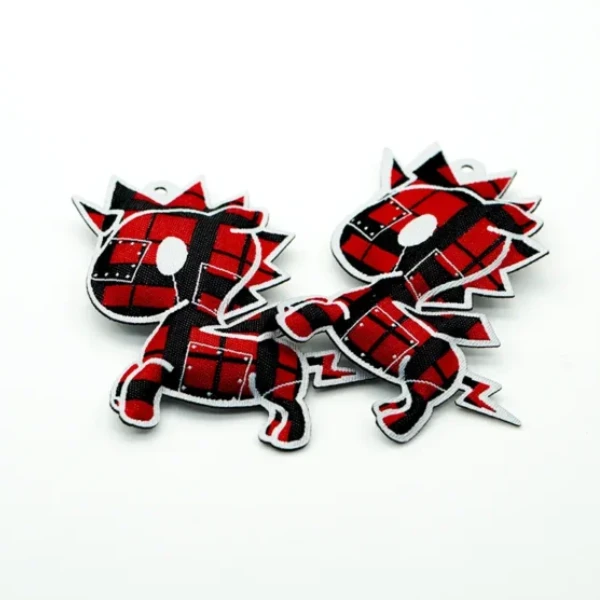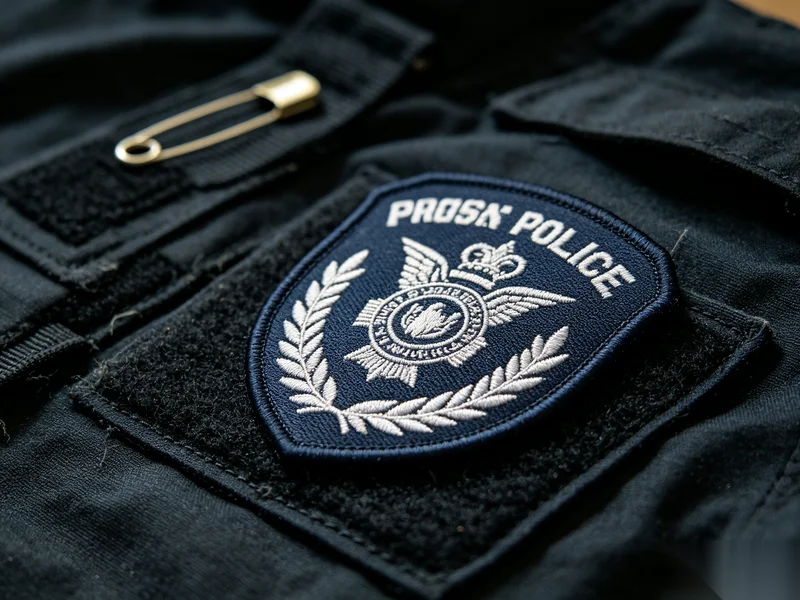
To make iron on embroidered patches, manufacturers create a digital design, embroider the artwork onto fabric, add heat-activated adhesive backing, cut the patch into shape, and complete quality inspection. Custom iron on embroidered patches provide businesses with an easy-to-apply, durable branding solution for apparel, bags, uniforms, and promotional products.
Quick Overview of How to Make Iron On Embroidered Patches
| Manufacturing Step | Описание |
|---|---|
| Подготовка к проектированию | Convert logo or artwork into embroidery format |
| Выбор материала | Choose fabric, thread, and adhesive backing |
| Производство вышивки | Stitch the design onto patch fabric |
| Adhesive Application | Add heat-activated iron-on backing |
| Резка и отделка | Create the final patch shape |
| Контроль качества | Check stitching, adhesion, and appearance |
Understanding the production process helps clothing brands, wholesalers, and manufacturers select the right patch supplier and improve product quality.
Что такое вышитые нашивки, прикрепляемые с помощью термоклея?
Ответ:
Iron on embroidered patches are decorative fabric patches with a heat-activated adhesive layer on the back. They allow users to attach logos, symbols, or designs to clothing and accessories by applying heat with an iron or heat press.
Compared with traditional sew-on patches, iron on embroidered patches provide a faster application method while maintaining a professional embroidered appearance.
Они широко используются:
- Модные бренды
- Streetwear companies
- Uniform manufacturers
- Спортивные команды
- Поставщики рекламной продукции
- Accessories businesses
For B2B buyers, custom iron on embroidered patches are an efficient way to add branding details to products without requiring additional sewing processes during manufacturing.
How to Make Iron On Embroidered Patches Step by Step?
Ответ:
Making iron on embroidered patches involves several professional manufacturing steps, including design preparation, embroidery, adhesive application, and finishing. Each step affects the final quality, durability, and appearance of the patch.
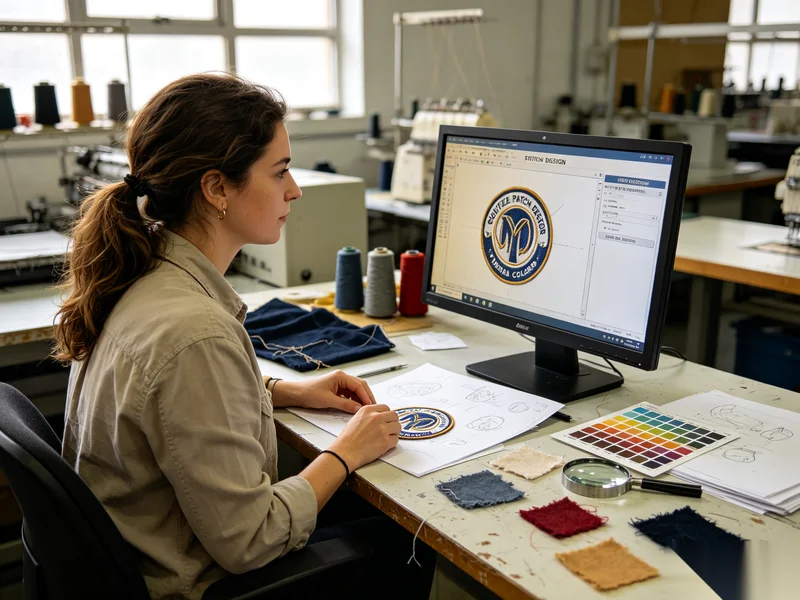
Step 1: Prepare the Embroidery Design
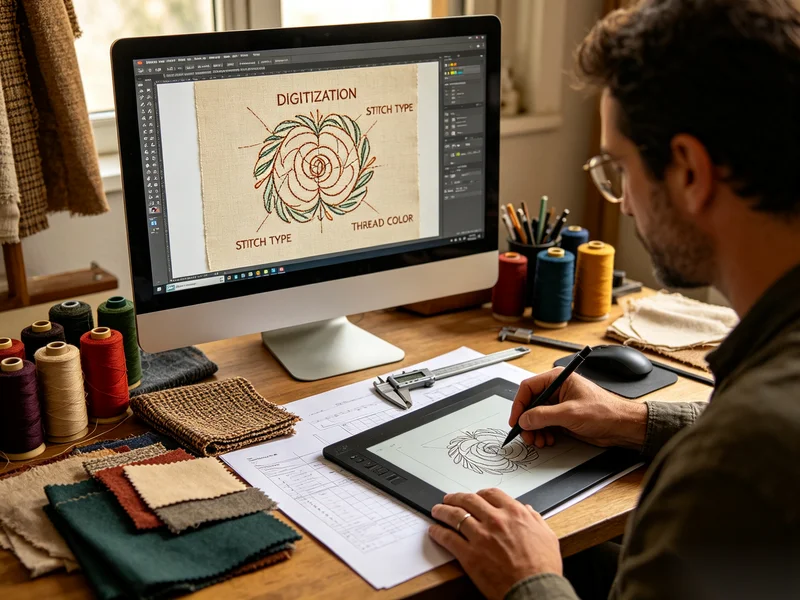
The first step is converting the customer’s logo or artwork into an embroidery-ready digital file.
Professional designers analyze:
- Сложность конструкции
- Направление стежка
- Цвета ниток
- Требования к пересечению границы
- Size limitations
Unlike printed graphics, embroidery uses threads to recreate the design. Therefore, some small details may need adjustment to ensure clear and attractive results.
A professional embroidered patch supplier usually provides digitization support to optimize artwork before production.
Step 2: Select Suitable Patch Materials
Ответ:
Material selection determines the durability and appearance of iron on embroidered patches.
К распространенным материалам относятся:
Базовая ткань
Среди популярных вариантов можно выделить:
- Ткань саржа
- Фетровая ткань
- Полиэфирная ткань
- Хлопчатобумажная ткань
Twill is commonly used because it provides a smooth surface and strong support for embroidery.
Нитки для вышивания
Thread selection affects color, shine, and durability. Common thread options include:
- Polyester thread for strength
- Rayon thread for a glossy appearance
- Metallic thread for decorative effects
Термоактивный клей
The back layer is usually made from a special adhesive film that melts under heat and bonds with fabric surfaces.
Step 3: Embroider the Patch Design
Ответ:
The embroidery process uses computerized machines to stitch the design onto the patch material according to the digital embroidery file.
During production, machines control:
- Плотность стежков
- Расположение нитей
- Изменения цвета
- Border stitching
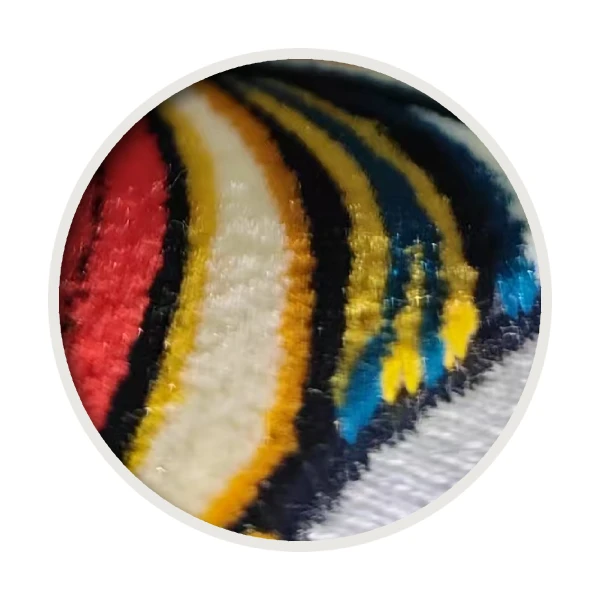
The embroidery process creates the raised texture that makes patches visually attractive.
For bulk orders, professional manufacturers use advanced embroidery equipment to ensure every patch maintains the same quality and appearance.
Step 4: Add the Iron-On Adhesive Backing
Ответ:
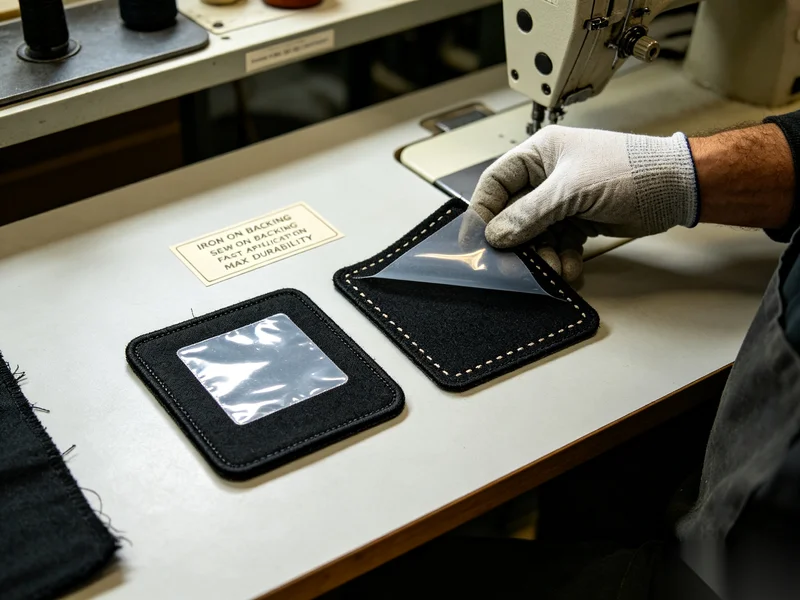
After embroidery is completed, manufacturers apply a heat-activated adhesive layer to the back of the patch.
This backing allows customers to attach the patch using heat.
The adhesive process includes:
- Preparing adhesive material
- Applying it evenly to the patch back
- Using heat and pressure to secure the layer
- Checking bonding quality
A high-quality adhesive backing should provide:
- Сильная привязанность
- Простое применение
- Long-lasting performance
Step 5: Cut the Patch Into the Final Shape
Ответ:
After adhesive application, patches are cut into their final shapes according to customer requirements.
Common cutting methods include:
Лазерная резка
- Creates precise edges
- Suitable for complex shapes
- Provides clean finishing
Высечка
- Efficient for large production quantities
- Creates consistent shapes
Custom shapes may include:
- Фирменные логотипы
- Письма
- Животные
- Символы
- Уникальные узоры
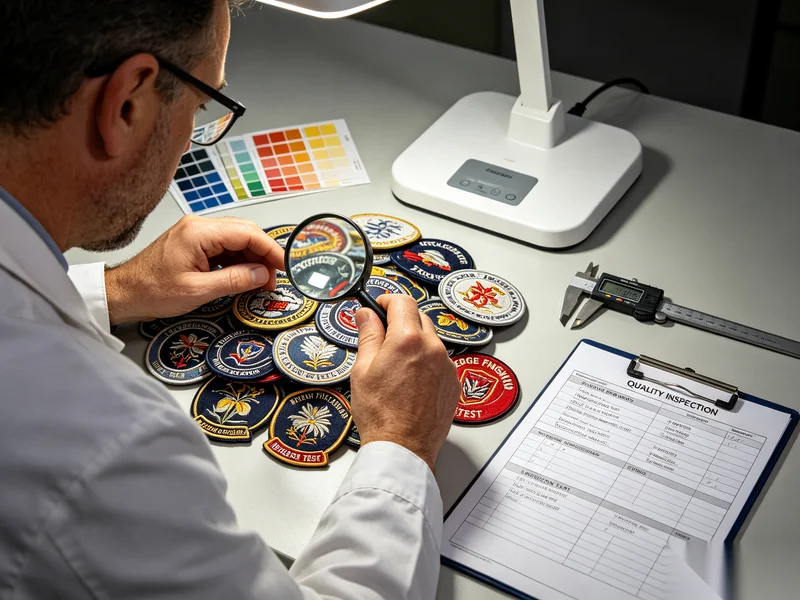
Step 6: Quality Inspection and Packaging
Ответ:
The final production stage involves checking every patch to ensure it meets quality standards.
Производители проверяют:
- Точность вышивания
- Качество ниток
- Обработка краев
- Прочность сцепления
- Однородность цвета
For wholesale buyers, quality control is especially important because large orders require consistent results across thousands of pieces.

Why Do Brands Choose Custom Iron On Embroidered Patches?
Ответ:
Brands choose custom iron on embroidered patches because they combine professional appearance, easy application, and flexible customization.
Простое применение
Iron-on backing allows users to attach patches quickly without sewing equipment.
Strong Branding Effect
Custom patches transform basic products into recognizable branded items.
Экономически эффективное производство
For manufacturers, patches provide an affordable way to customize apparel compared with complicated garment modifications.
Широкая совместимость с продуктами
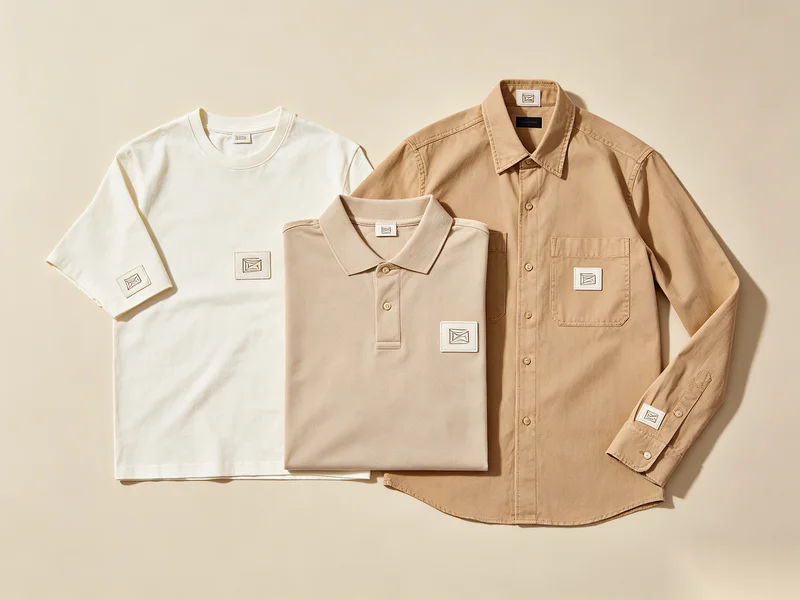
Iron on embroidered patches can be applied to:
- Куртки
- Джинсы
- Толстовки
- Шляпы
- Рюкзаки
- Униформа
What Is the Difference Between Iron On and Sew On Embroidered Patches?
Ответ:
Iron on patches use heat-activated adhesive backing, while sew-on patches require stitching. The best choice depends on product usage, durability requirements, and production methods.
| Характеристика | Iron On Embroidered Patches | Пришить вышитые нашивки |
|---|---|---|
| Приложение | Термопресс или утюг | Требуется шитье |
| Скорость установки | Быстрее | Медленнее |
| Долговечность | Хорошо | Превосходно |
| Лучшее для | Fashion and casual products | Heavy-duty products |
| Удобство производства | Высокий | Средний |
Many brands choose iron-on patches for retail products because they simplify application and reduce production steps.
How Can Businesses Order Custom Iron On Embroidered Patches?
Ответ:
Businesses can order custom iron on embroidered patches by preparing artwork, selecting specifications, and working with an experienced patch manufacturer.
Important details include:
Design Requirements
Provide:
- Файлы с логотипами
- Предпочтительные цвета
- Требования к размерам
- Shape preferences
Области применения продукта
Explain where the patch will be used, such as:
- Clothing
- Сумки
- Униформа
- Аксессуары
Планирование количества
Wholesale buyers should estimate production needs to achieve better pricing and maintain inventory.
Can Iron On Embroidered Patches Be Used for Wholesale Production?
Ответ:
Yes, iron on embroidered patches are highly suitable for wholesale production because they can be manufactured consistently in large quantities.
They are commonly ordered by:
- Бренды одежды
- Розничные магазины модной одежды
- Рекламные компании
- Поставщики униформы
- Private label manufacturers
Bulk production helps businesses reduce costs while maintaining consistent branding across product collections.
Why Is Choosing the Right Embroidered Patch Supplier Important?
Ответ:
Choosing the right embroidered patch supplier ensures better quality, reliable delivery, and professional customization support.
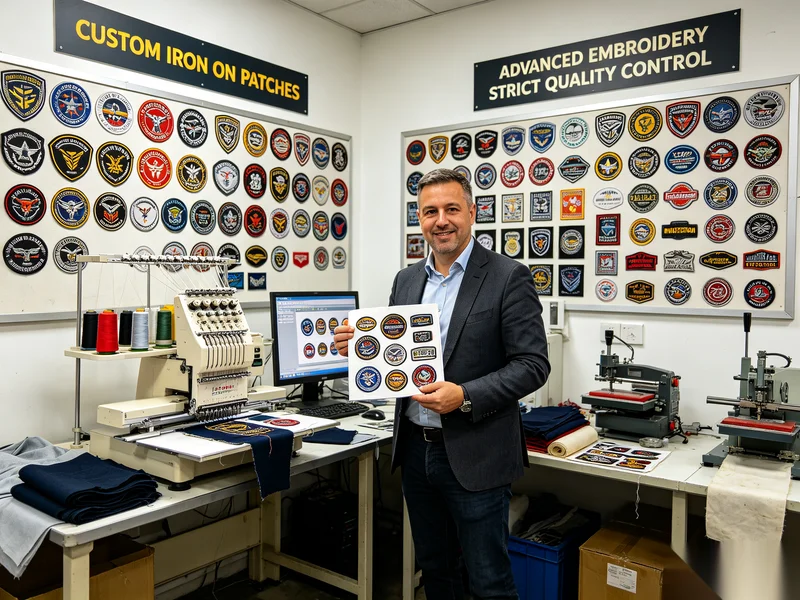
A qualified supplier should provide:
- Передовая технология вышивки
- Experienced design support
- Несколько вариантов подложки
- Строгий контроль качества
- Flexible production capacity
For businesses developing long-term product lines, supplier reliability directly affects customer satisfaction and brand reputation.
Frequently Asked Questions About How to Make Iron On Embroidered Patches
1. What materials are used to make iron on embroidered patches?
Iron on embroidered patches usually include a fabric base, embroidery thread, and heat-activated adhesive backing.
2. Can any logo be made into an iron on embroidered patch?
Most logos can be converted into patches, but complex details may require design adjustments for embroidery production.
3. How long do iron on embroidered patches last?
High-quality patches can last for years when properly attached and maintained.
4. Can iron on patches be washed?
Yes, but following proper washing instructions helps maintain adhesive strength and embroidery quality.
5. What is the best backing for custom embroidered patches?
Heat-activated adhesive backing is ideal for quick application, while sew-on backing provides maximum durability.
6. How long does it take to produce custom iron on embroidered patches?
Production time depends on design complexity, order quantity, and supplier capacity.
Заключение
Learning how to make iron on embroidered patches helps businesses understand the value behind this popular branding product. From artwork preparation and embroidery production to adhesive application and quality inspection, every manufacturing step influences the final result.
For clothing brands, wholesalers, and textile manufacturers, custom iron on embroidered patches provide a practical solution for creating attractive, durable, and easy-to-apply branding elements. Working with an experienced embroidered patch supplier ensures consistent quality and reliable production for both small projects and large-scale orders.
Об авторе
——————————————————————————————————————————————

Александр
Менеджер по онлайн-продажам
Александр специализируется на цифровом маркетинге и понимании психологии клиентов, предоставляя клиентам правильные решения с помощью анализа данных и креативных стратегий.
——————————————————————————————————————————————