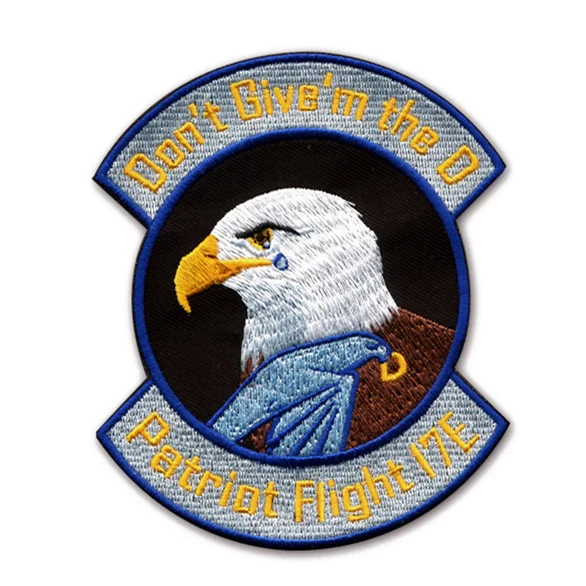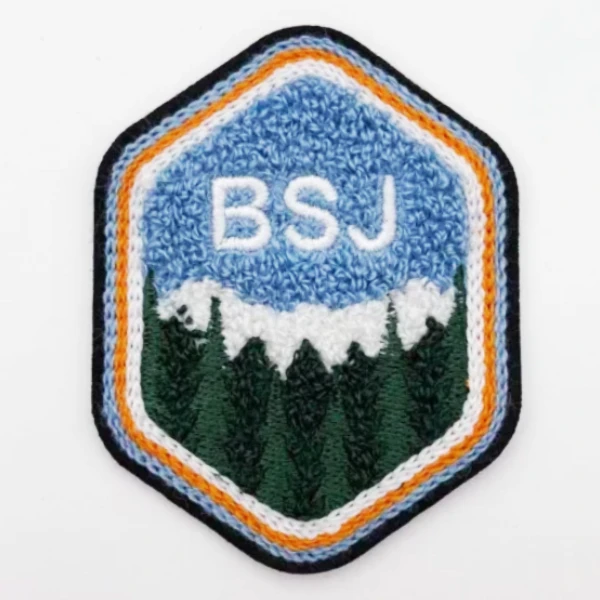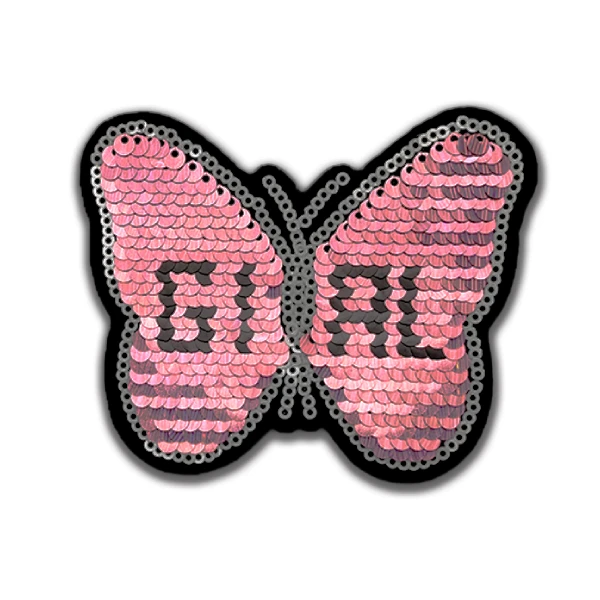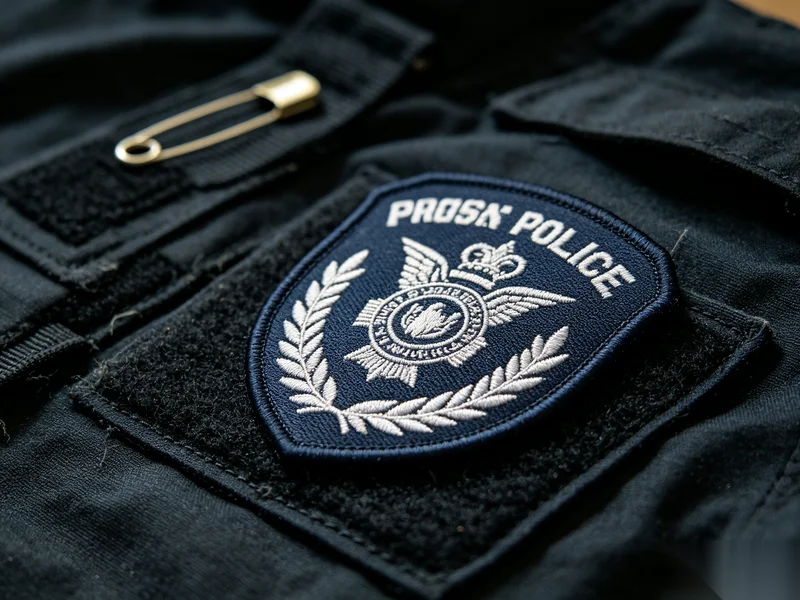
To make iron on embroidered patches, manufacturers create a digital design, embroider the artwork onto fabric, add heat-activated adhesive backing, cut the patch into shape, and complete quality inspection. Custom iron on embroidered patches provide businesses with an easy-to-apply, durable branding solution for apparel, bags, uniforms, and promotional products.
Quick Overview of How to Make Iron On Embroidered Patches
| Manufacturing Step | 説明 |
|---|---|
| デザイン準備 | Convert logo or artwork into embroidery format |
| 素材の選択 | Choose fabric, thread, and adhesive backing |
| 刺繍制作 | Stitch the design onto patch fabric |
| Adhesive Application | Add heat-activated iron-on backing |
| カッティング&フィニッシング | Create the final patch shape |
| 品質検査 | Check stitching, adhesion, and appearance |
Understanding the production process helps clothing brands, wholesalers, and manufacturers select the right patch supplier and improve product quality.
刺繍されたワッペンの鉄は何であるか。
答えてくれ:
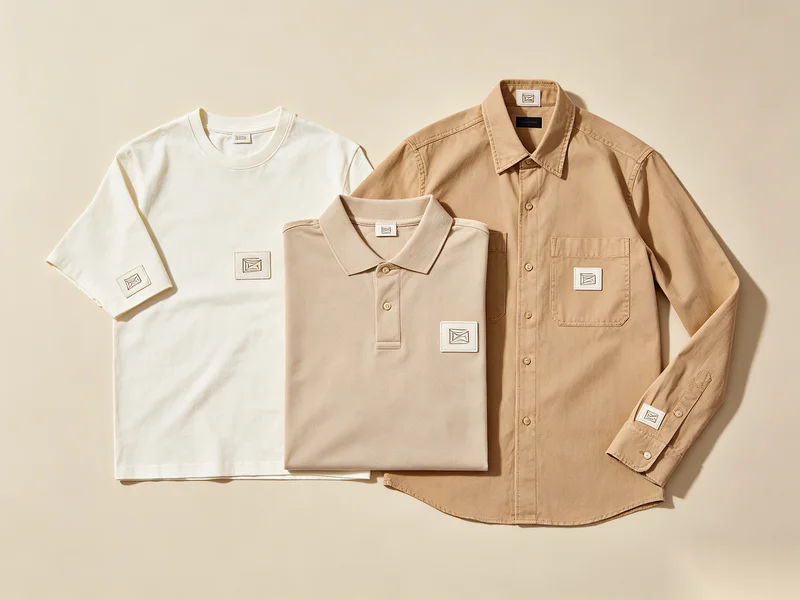
Iron on embroidered patches are decorative fabric patches with a heat-activated adhesive layer on the back. They allow users to attach logos, symbols, or designs to clothing and accessories by applying heat with an iron or heat press.
Compared with traditional sew-on patches, iron on embroidered patches provide a faster application method while maintaining a professional embroidered appearance.
広く使われている:
- ファッションブランド
- Streetwear companies
- Uniform manufacturers
- スポーツチーム
- 販促品サプライヤー
- Accessories businesses
For B2B buyers, custom iron on embroidered patches are an efficient way to add branding details to products without requiring additional sewing processes during manufacturing.
How to Make Iron On Embroidered Patches Step by Step?
答えてくれ:
Making iron on embroidered patches involves several professional manufacturing steps, including design preparation, embroidery, adhesive application, and finishing. Each step affects the final quality, durability, and appearance of the patch.
Step 1: Prepare the Embroidery Design
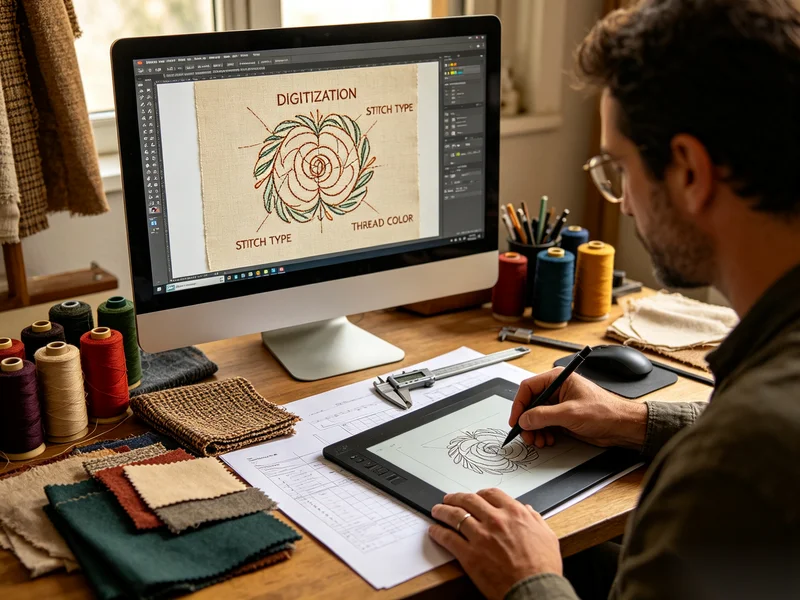
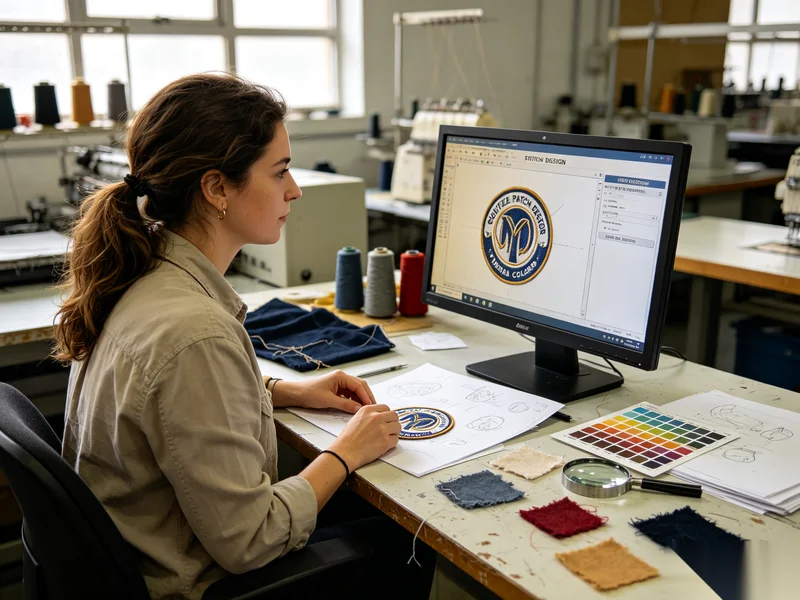
The first step is converting the customer’s logo or artwork into an embroidery-ready digital file.
Professional designers analyze:
- デザインの複雑さ
- ステッチ方向
- 糸の色
- 国境での要件
- Size limitations
Unlike printed graphics, embroidery uses threads to recreate the design. Therefore, some small details may need adjustment to ensure clear and attractive results.
A professional embroidered patch supplier usually provides digitization support to optimize artwork before production.
Step 2: Select Suitable Patch Materials
答えてくれ:
Material selection determines the durability and appearance of iron on embroidered patches.
一般的な材料には、次のようなものがあります:
ベース生地
人気のある選択肢には次のようなものがあります:
- ツイル生地
- フェルト生地
- ポリエステル生地
- 綿生地
Twill is commonly used because it provides a smooth surface and strong support for embroidery.
刺繍糸
Thread selection affects color, shine, and durability. Common thread options include:
- Polyester thread for strength
- Rayon thread for a glossy appearance
- Metallic thread for decorative effects
熱活性化型接着剤
The back layer is usually made from a special adhesive film that melts under heat and bonds with fabric surfaces.
Step 3: Embroider the Patch Design
答えてくれ:
The embroidery process uses computerized machines to stitch the design onto the patch material according to the digital embroidery file.
During production, machines control:
- ステッチ密度
- 糸の配置
- 色の変化
- Border stitching
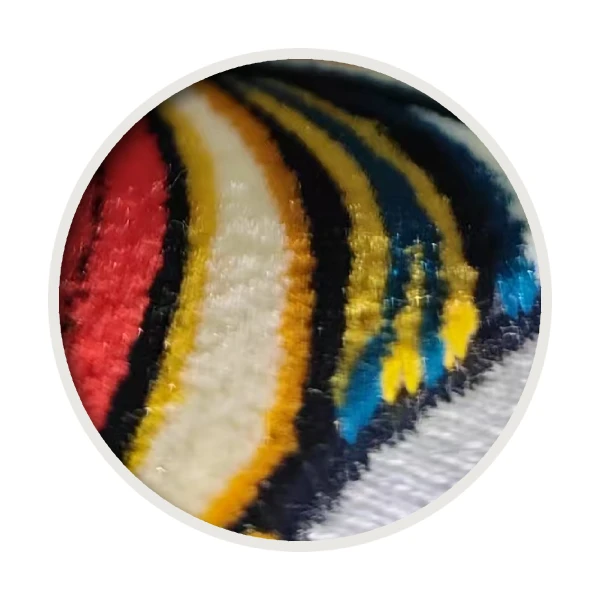
The embroidery process creates the raised texture that makes patches visually attractive.
For bulk orders, professional manufacturers use advanced embroidery equipment to ensure every patch maintains the same quality and appearance.
Step 4: Add the Iron-On Adhesive Backing
答えてくれ:
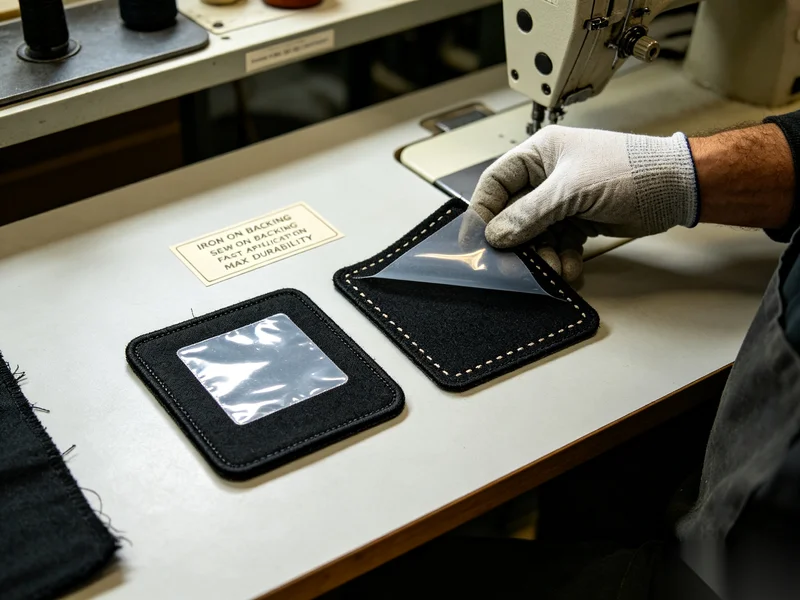
After embroidery is completed, manufacturers apply a heat-activated adhesive layer to the back of the patch.
This backing allows customers to attach the patch using heat.
The adhesive process includes:
- Preparing adhesive material
- Applying it evenly to the patch back
- Using heat and pressure to secure the layer
- Checking bonding quality
A high-quality adhesive backing should provide:
- 強い愛着
- 簡単なアプリケーション
- Long-lasting performance
Step 5: Cut the Patch Into the Final Shape
答えてくれ:
After adhesive application, patches are cut into their final shapes according to customer requirements.
Common cutting methods include:
レーザー切断
- Creates precise edges
- Suitable for complex shapes
- Provides clean finishing
型抜き
- Efficient for large production quantities
- Creates consistent shapes
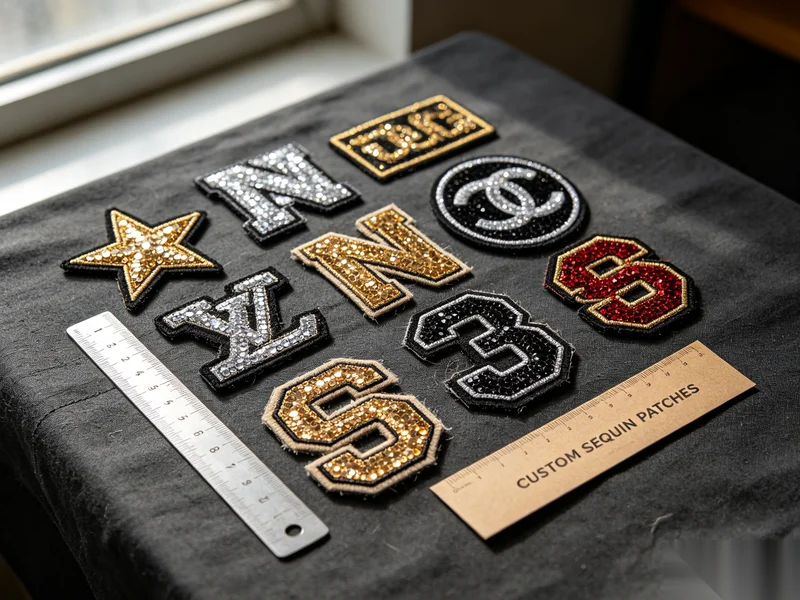
Custom shapes may include:
- ブランドロゴ
- 手紙
- 動物
- 記号
- ユニークなパターン
Step 6: Quality Inspection and Packaging
答えてくれ:
The final production stage involves checking every patch to ensure it meets quality standards.
メーカーが検査する:
- 刺繍の精度
- スレッドの品質
- エッジ仕上げ
- 接着強度
- 色の一貫性
For wholesale buyers, quality control is especially important because large orders require consistent results across thousands of pieces.
Why Do Brands Choose Custom Iron On Embroidered Patches?
答えてくれ:
Brands choose custom iron on embroidered patches because they combine professional appearance, easy application, and flexible customization.
簡単な申し込み
Iron-on backing allows users to attach patches quickly without sewing equipment.
Strong Branding Effect
Custom patches transform basic products into recognizable branded items.
費用対効果の高い生産
For manufacturers, patches provide an affordable way to customize apparel compared with complicated garment modifications.
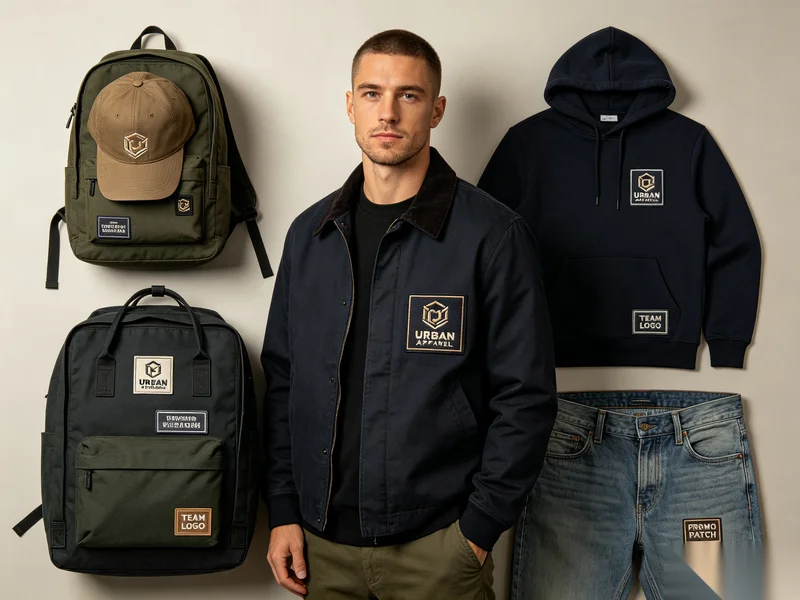
幅広い製品互換性
Iron on embroidered patches can be applied to:
- ジャケット
- ジーンズ
- パーカー
- 帽子
- バックパック
- ユニフォーム
What Is the Difference Between Iron On and Sew On Embroidered Patches?
答えてくれ:
Iron on patches use heat-activated adhesive backing, while sew-on patches require stitching. The best choice depends on product usage, durability requirements, and production methods.
| 特徴 | Iron On Embroidered Patches | 刺繍ワッペンの縫い付け |
|---|---|---|
| 申し込み | ヒートプレスまたはアイロン | 要縫製 |
| 設置速度 | もっと速く | 遅い |
| 耐久性 | グッド | 素晴らしい |
| 最適 | Fashion and casual products | Heavy-duty products |
| 生産上の利便性 | 高い | ミディアム |
Many brands choose iron-on patches for retail products because they simplify application and reduce production steps.
How Can Businesses Order Custom Iron On Embroidered Patches?
答えてくれ:
Businesses can order custom iron on embroidered patches by preparing artwork, selecting specifications, and working with an experienced patch manufacturer.
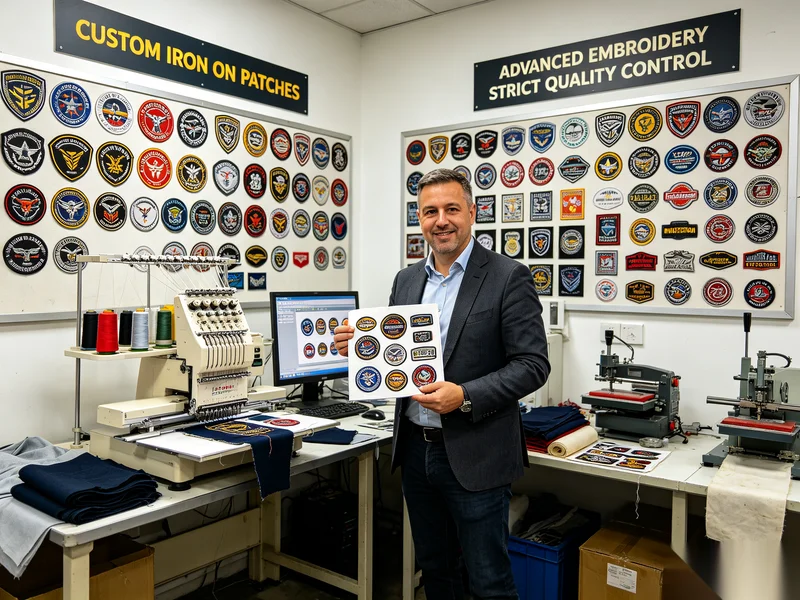
Important details include:
Design Requirements
Provide:
- ロゴファイル
- 希望の色
- サイズの要件
- Shape preferences
製品の用途
Explain where the patch will be used, such as:
- Clothing
- バッグ
- ユニフォーム
- アクセサリー
数量計画
Wholesale buyers should estimate production needs to achieve better pricing and maintain inventory.
Can Iron On Embroidered Patches Be Used for Wholesale Production?
答えてくれ:
Yes, iron on embroidered patches are highly suitable for wholesale production because they can be manufactured consistently in large quantities.
They are commonly ordered by:
- アパレル・ブランド
- ファッション小売業者
- プロモーション会社
- ユニフォーム・サプライヤー
- Private label manufacturers
Bulk production helps businesses reduce costs while maintaining consistent branding across product collections.
Why Is Choosing the Right Embroidered Patch Supplier Important?
答えてくれ:
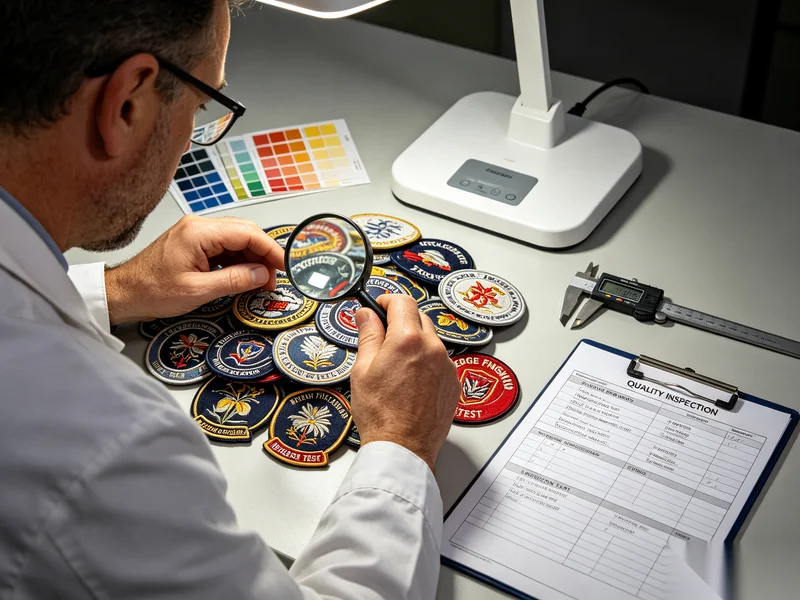
Choosing the right embroidered patch supplier ensures better quality, reliable delivery, and professional customization support.
A qualified supplier should provide:
- 高度な刺繍技術
- Experienced design support
- 複数のバッキング・オプション
- 厳格な品質管理
- Flexible production capacity
For businesses developing long-term product lines, supplier reliability directly affects customer satisfaction and brand reputation.
Frequently Asked Questions About How to Make Iron On Embroidered Patches
1. What materials are used to make iron on embroidered patches?
Iron on embroidered patches usually include a fabric base, embroidery thread, and heat-activated adhesive backing.
2. Can any logo be made into an iron on embroidered patch?
Most logos can be converted into patches, but complex details may require design adjustments for embroidery production.
3. How long do iron on embroidered patches last?
High-quality patches can last for years when properly attached and maintained.
4. Can iron on patches be washed?
Yes, but following proper washing instructions helps maintain adhesive strength and embroidery quality.
5. What is the best backing for custom embroidered patches?
Heat-activated adhesive backing is ideal for quick application, while sew-on backing provides maximum durability.
6. How long does it take to produce custom iron on embroidered patches?
Production time depends on design complexity, order quantity, and supplier capacity.
結論
Learning how to make iron on embroidered patches helps businesses understand the value behind this popular branding product. From artwork preparation and embroidery production to adhesive application and quality inspection, every manufacturing step influences the final result.
For clothing brands, wholesalers, and textile manufacturers, custom iron on embroidered patches provide a practical solution for creating attractive, durable, and easy-to-apply branding elements. Working with an experienced embroidered patch supplier ensures consistent quality and reliable production for both small projects and large-scale orders.
著者について
----------------------------------------------

アレクサンダー
オンライン・セールス・マネージャー
アレクサンダーはデジタル・マーケティングと顧客心理の理解を専門とし、データ・インサイトとクリエイティブな戦略を通じてクライアントに適切なソリューションを提供している。.
----------------------------------------------