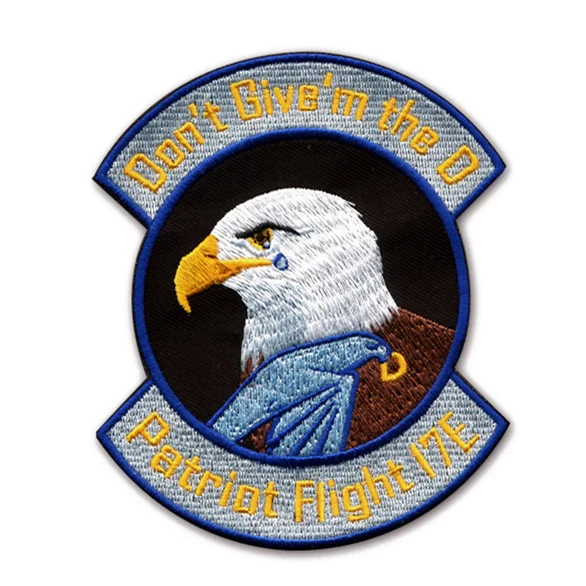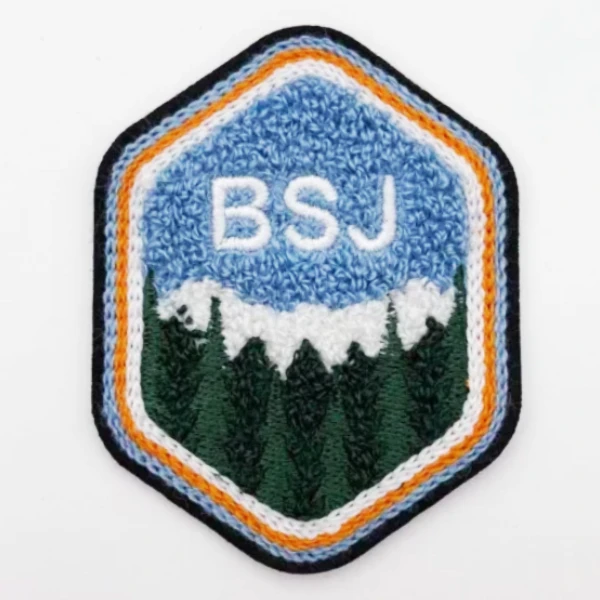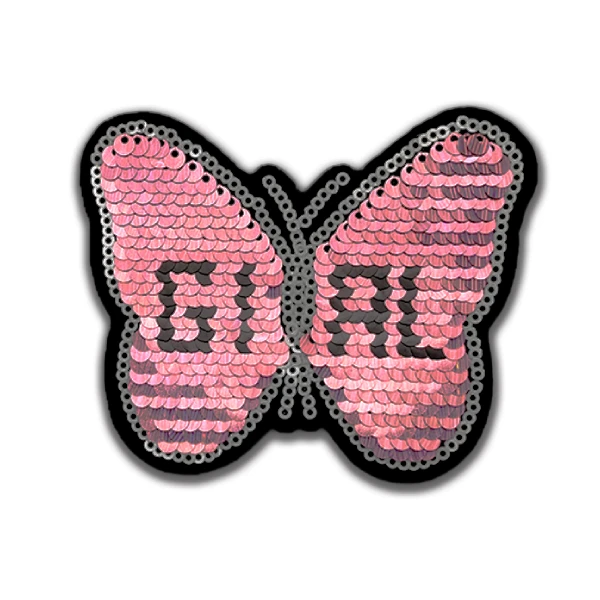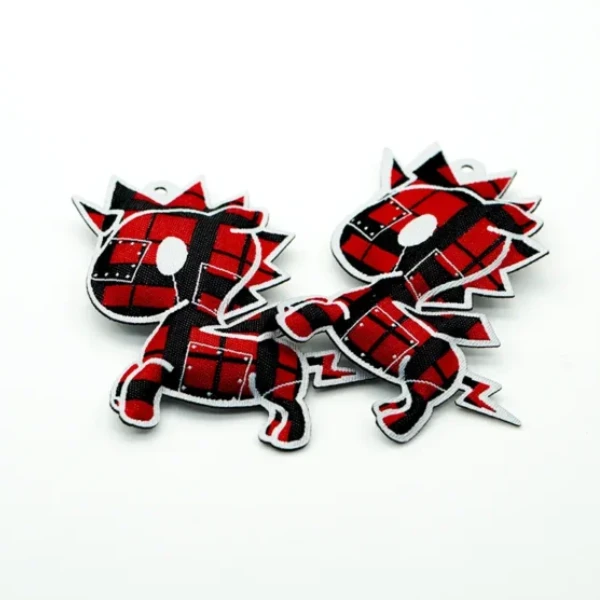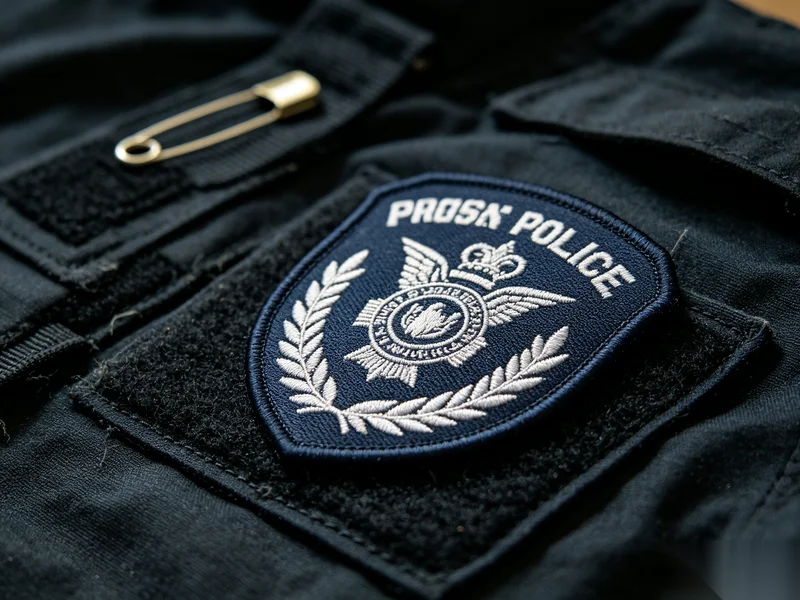
To make iron on embroidered patches, manufacturers create a digital design, embroider the artwork onto fabric, add heat-activated adhesive backing, cut the patch into shape, and complete quality inspection. Custom iron on embroidered patches provide businesses with an easy-to-apply, durable branding solution for apparel, bags, uniforms, and promotional products.
Quick Overview of How to Make Iron On Embroidered Patches
| Manufacturing Step | Description |
|---|---|
| Préparation de la conception | Convert logo or artwork into embroidery format |
| Sélection des matériaux | Choose fabric, thread, and adhesive backing |
| Production de broderies | Stitch the design onto patch fabric |
| Adhesive Application | Add heat-activated iron-on backing |
| Coupe et finition | Create the final patch shape |
| Inspection de la qualité | Check stitching, adhesion, and appearance |
Understanding the production process helps clothing brands, wholesalers, and manufacturers select the right patch supplier and improve product quality.
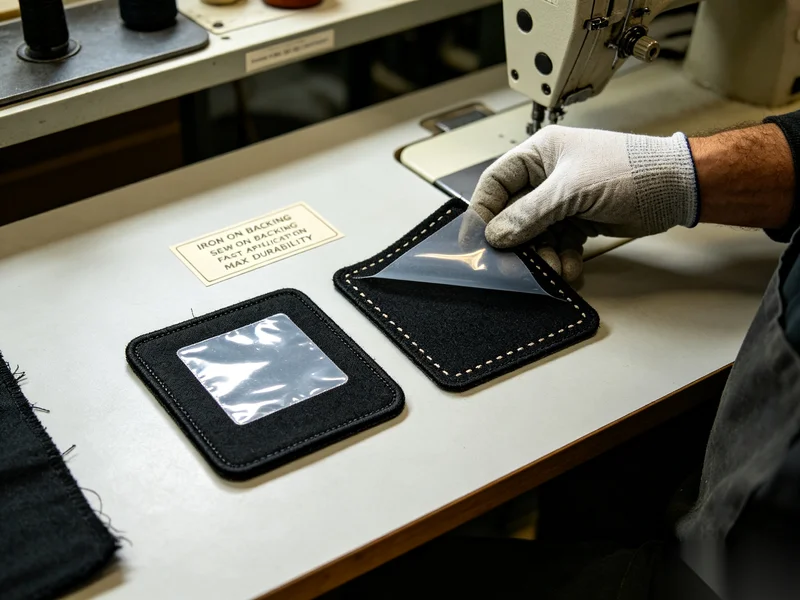
Qu'est-ce qu'un écusson brodé thermocollant ?
Réponse :
Iron on embroidered patches are decorative fabric patches with a heat-activated adhesive layer on the back. They allow users to attach logos, symbols, or designs to clothing and accessories by applying heat with an iron or heat press.
Compared with traditional sew-on patches, iron on embroidered patches provide a faster application method while maintaining a professional embroidered appearance.
Ils sont largement utilisés par :
- Marques de mode
- Streetwear companies
- Uniform manufacturers
- Équipes sportives
- Fournisseurs de produits promotionnels
- Accessories businesses
For B2B buyers, custom iron on embroidered patches are an efficient way to add branding details to products without requiring additional sewing processes during manufacturing.
How to Make Iron On Embroidered Patches Step by Step?
Réponse :
Making iron on embroidered patches involves several professional manufacturing steps, including design preparation, embroidery, adhesive application, and finishing. Each step affects the final quality, durability, and appearance of the patch.
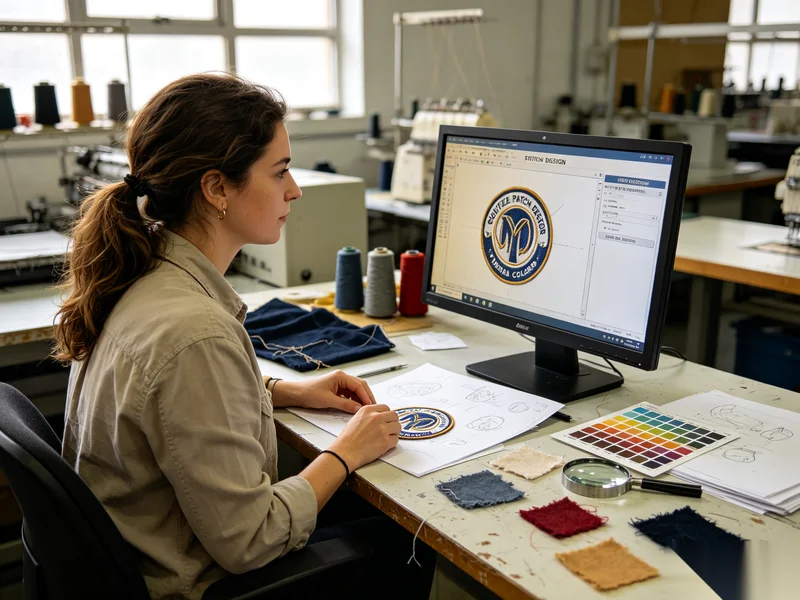
Step 1: Prepare the Embroidery Design
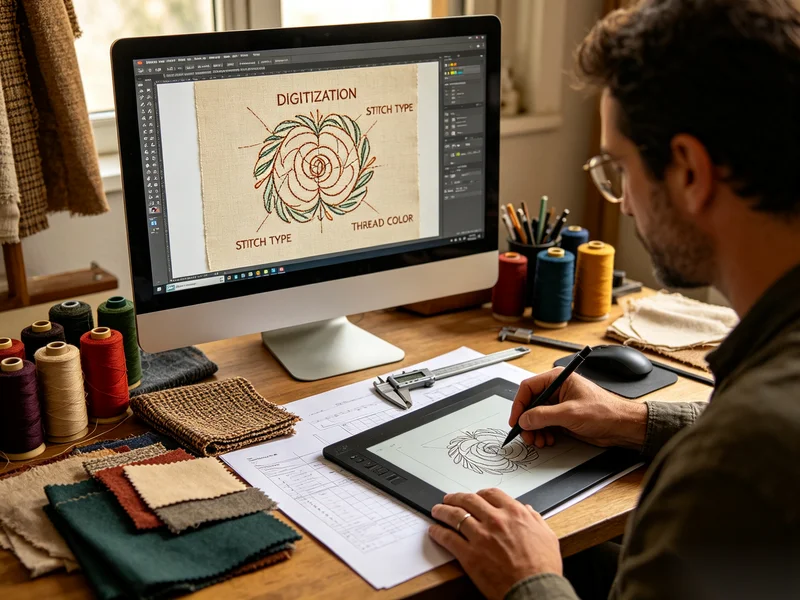
The first step is converting the customer’s logo or artwork into an embroidery-ready digital file.
Professional designers analyze:
- Complexité de la conception
- Direction du point
- Couleurs des fils
- Exigences aux frontières
- Size limitations
Unlike printed graphics, embroidery uses threads to recreate the design. Therefore, some small details may need adjustment to ensure clear and attractive results.
A professional embroidered patch supplier usually provides digitization support to optimize artwork before production.
Step 2: Select Suitable Patch Materials
Réponse :
Material selection determines the durability and appearance of iron on embroidered patches.
Parmi les matériaux couramment utilisés, on trouve :
Tissu de base
Parmi les options les plus populaires, on trouve :
- Tissu sergé
- Tissu en feutre
- Tissu polyester
- Tissu en coton
Twill is commonly used because it provides a smooth surface and strong support for embroidery.
Fil à broder
Thread selection affects color, shine, and durability. Common thread options include:
- Polyester thread for strength
- Rayon thread for a glossy appearance
- Metallic thread for decorative effects
Adhésif thermoactivable
The back layer is usually made from a special adhesive film that melts under heat and bonds with fabric surfaces.
Step 3: Embroider the Patch Design
Réponse :
The embroidery process uses computerized machines to stitch the design onto the patch material according to the digital embroidery file.
During production, machines control:
- Densité du point
- Positionnement du fil
- Changements de couleur
- Border stitching
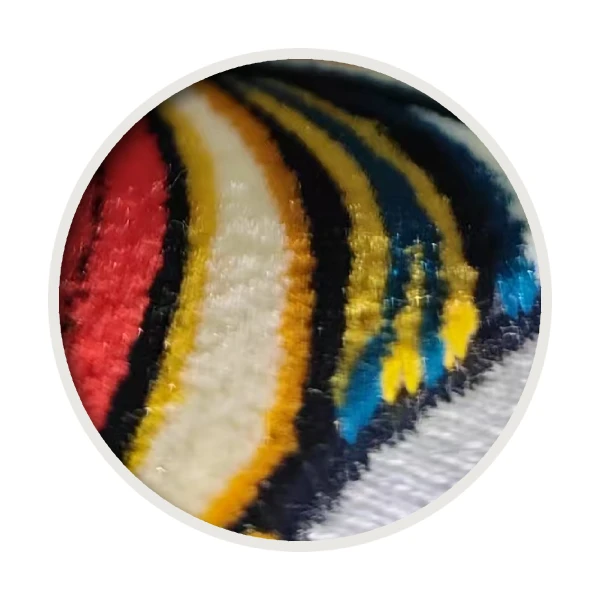
The embroidery process creates the raised texture that makes patches visually attractive.
For bulk orders, professional manufacturers use advanced embroidery equipment to ensure every patch maintains the same quality and appearance.
Step 4: Add the Iron-On Adhesive Backing
Réponse :
After embroidery is completed, manufacturers apply a heat-activated adhesive layer to the back of the patch.
This backing allows customers to attach the patch using heat.
The adhesive process includes:
- Preparing adhesive material
- Applying it evenly to the patch back
- Using heat and pressure to secure the layer
- Checking bonding quality
A high-quality adhesive backing should provide:
- Un attachement fort
- Application facile
- Long-lasting performance
Step 5: Cut the Patch Into the Final Shape
Réponse :
After adhesive application, patches are cut into their final shapes according to customer requirements.
Common cutting methods include:
Découpe au laser
- Creates precise edges
- Suitable for complex shapes
- Provides clean finishing
Découpage à l'emporte-pièce
- Efficient for large production quantities
- Creates consistent shapes
Custom shapes may include:
- Logos de la marque
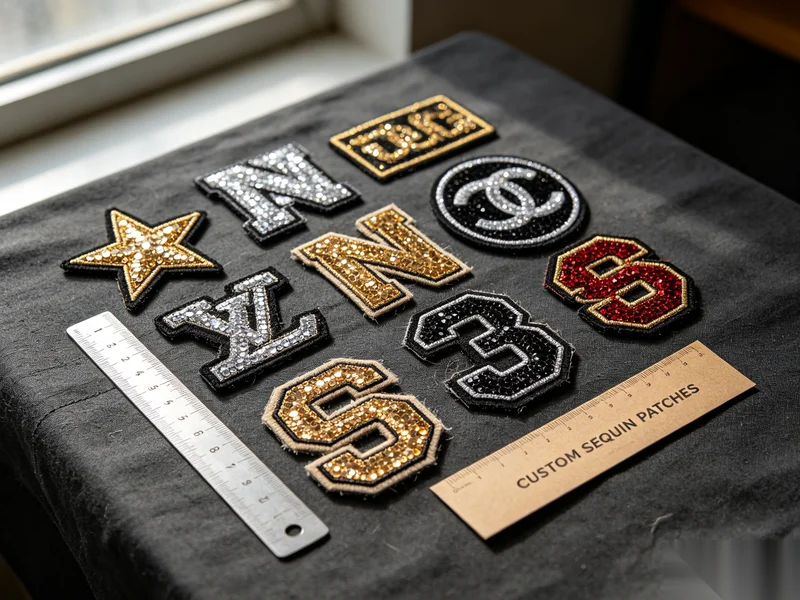
- Lettres
- Animaux
- Symboles
- Des motifs uniques
Step 6: Quality Inspection and Packaging
Réponse :
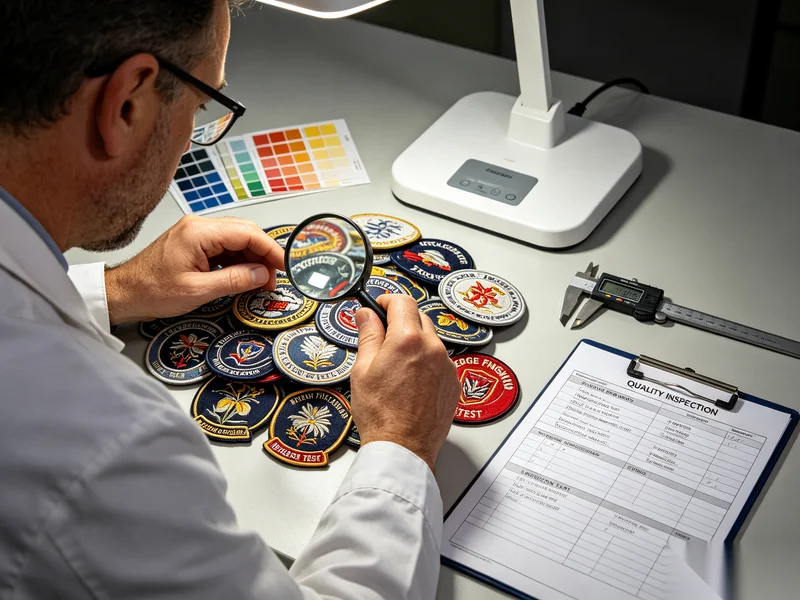
The final production stage involves checking every patch to ensure it meets quality standards.
Les fabricants inspectent :
- Précision de la broderie
- Qualité du fil
- Finition des bords
- Résistance d'adhérence
- Cohérence des couleurs
For wholesale buyers, quality control is especially important because large orders require consistent results across thousands of pieces.
Why Do Brands Choose Custom Iron On Embroidered Patches?
Réponse :
Brands choose custom iron on embroidered patches because they combine professional appearance, easy application, and flexible customization.
Application facile
Iron-on backing allows users to attach patches quickly without sewing equipment.
Strong Branding Effect
Custom patches transform basic products into recognizable branded items.
Une production rentable
For manufacturers, patches provide an affordable way to customize apparel compared with complicated garment modifications.
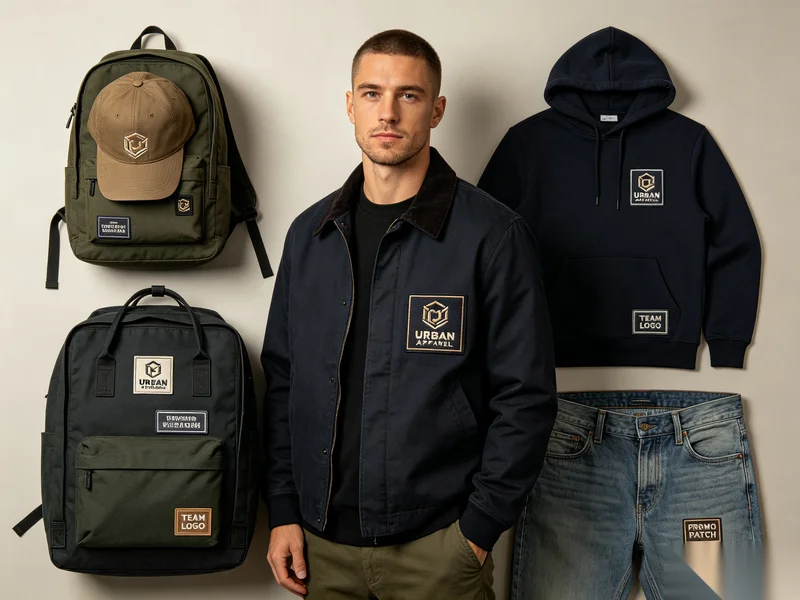
Large compatibilité des produits
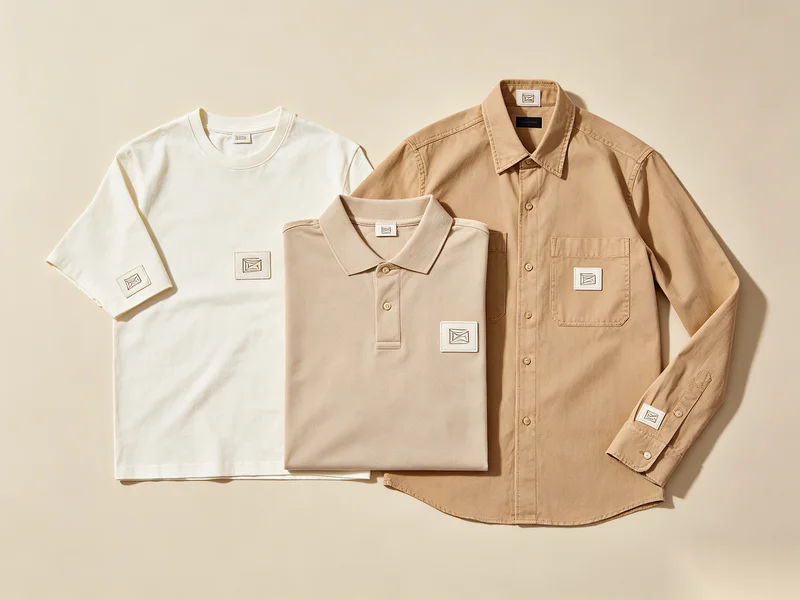
Iron on embroidered patches can be applied to:
- Vestes
- Jeans
- Sweats à capuche
- Chapeaux
- Sacs à dos
- Uniformes
What Is the Difference Between Iron On and Sew On Embroidered Patches?
Réponse :
Iron on patches use heat-activated adhesive backing, while sew-on patches require stitching. The best choice depends on product usage, durability requirements, and production methods.
| Fonctionnalité | Iron On Embroidered Patches | Coudre des écussons brodés |
|---|---|---|
| Application | Presse à chaud ou fer à repasser | Couture nécessaire |
| Vitesse d'installation | Plus rapide | Plus lent |
| Durabilité | Bon | Excellent |
| Meilleur pour | Fashion and casual products | Heavy-duty products |
| Facilité de production | Haut | Moyen |
Many brands choose iron-on patches for retail products because they simplify application and reduce production steps.
How Can Businesses Order Custom Iron On Embroidered Patches?
Réponse :
Businesses can order custom iron on embroidered patches by preparing artwork, selecting specifications, and working with an experienced patch manufacturer.
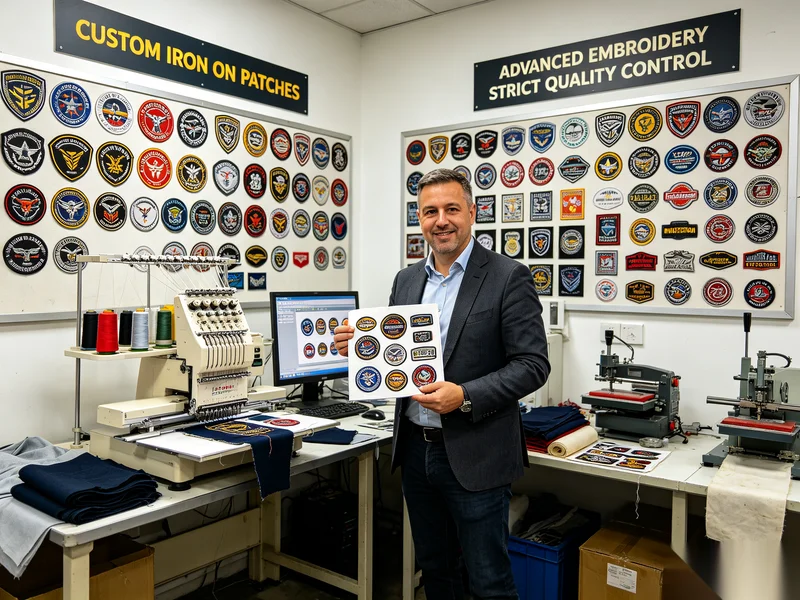
Important details include:
Design Requirements
Provide:
- Fichiers de logo
- Couleurs préférées
- Exigences en matière de dimensions
- Shape preferences
Utilisation du produit
Explain where the patch will be used, such as:
- Clothing
- Sacs
- Uniformes
- Accessoires
Planification des quantités
Wholesale buyers should estimate production needs to achieve better pricing and maintain inventory.
Can Iron On Embroidered Patches Be Used for Wholesale Production?
Réponse :
Yes, iron on embroidered patches are highly suitable for wholesale production because they can be manufactured consistently in large quantities.
They are commonly ordered by:
- Marques de vêtements
- Détaillants de mode
- Entreprises de promotion
- Fournisseurs d'uniformes
- Private label manufacturers
Bulk production helps businesses reduce costs while maintaining consistent branding across product collections.
Why Is Choosing the Right Embroidered Patch Supplier Important?
Réponse :
Choosing the right embroidered patch supplier ensures better quality, reliable delivery, and professional customization support.
A qualified supplier should provide:
- Technologie de broderie avancée
- Experienced design support
- Plusieurs options de support
- Contrôle strict de la qualité
- Flexible production capacity
For businesses developing long-term product lines, supplier reliability directly affects customer satisfaction and brand reputation.
Frequently Asked Questions About How to Make Iron On Embroidered Patches
1. What materials are used to make iron on embroidered patches?
Iron on embroidered patches usually include a fabric base, embroidery thread, and heat-activated adhesive backing.
2. Can any logo be made into an iron on embroidered patch?
Most logos can be converted into patches, but complex details may require design adjustments for embroidery production.
3. How long do iron on embroidered patches last?
High-quality patches can last for years when properly attached and maintained.
4. Can iron on patches be washed?
Yes, but following proper washing instructions helps maintain adhesive strength and embroidery quality.
5. What is the best backing for custom embroidered patches?
Heat-activated adhesive backing is ideal for quick application, while sew-on backing provides maximum durability.
6. How long does it take to produce custom iron on embroidered patches?
Production time depends on design complexity, order quantity, and supplier capacity.
Conclusion
Learning how to make iron on embroidered patches helps businesses understand the value behind this popular branding product. From artwork preparation and embroidery production to adhesive application and quality inspection, every manufacturing step influences the final result.
For clothing brands, wholesalers, and textile manufacturers, custom iron on embroidered patches provide a practical solution for creating attractive, durable, and easy-to-apply branding elements. Working with an experienced embroidered patch supplier ensures consistent quality and reliable production for both small projects and large-scale orders.
À propos de l'auteur
----------------------------------------------

Alexandre
Responsable des ventes en ligne
Alexander est spécialisé dans le marketing numérique et la compréhension de la psychologie des clients. Il propose à ses clients des solutions adaptées grâce à des données et des stratégies créatives.
----------------------------------------------