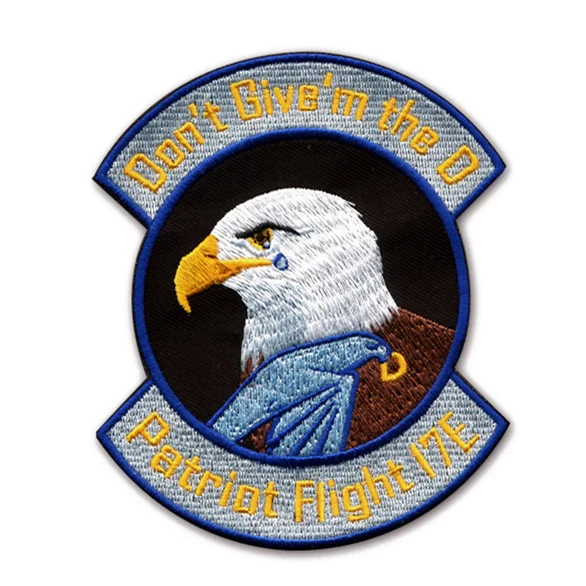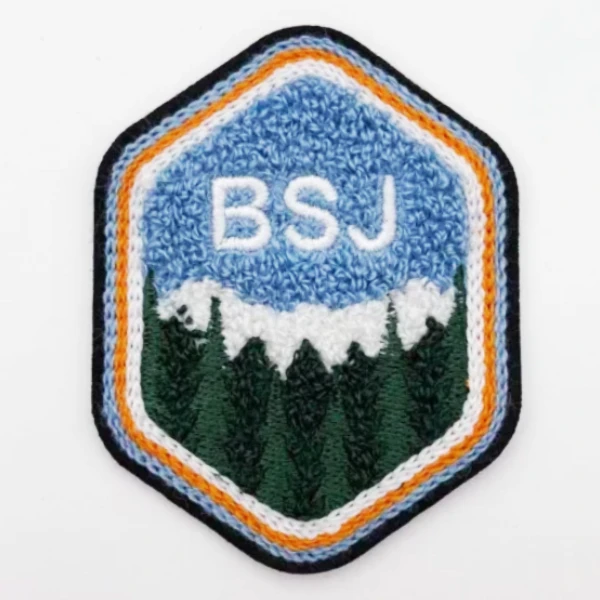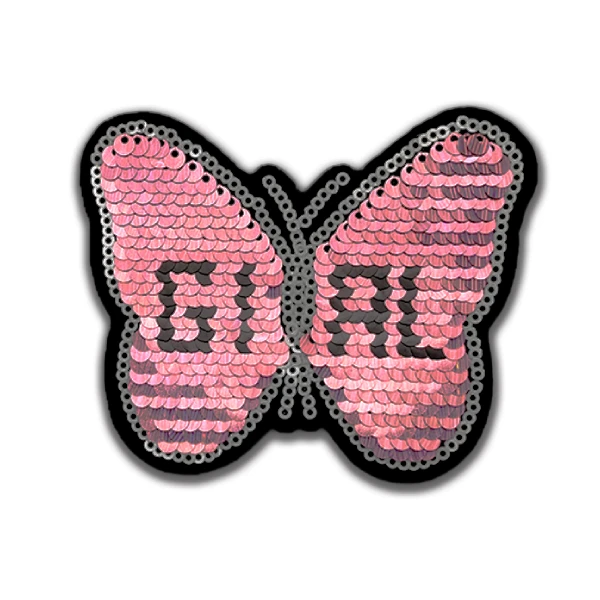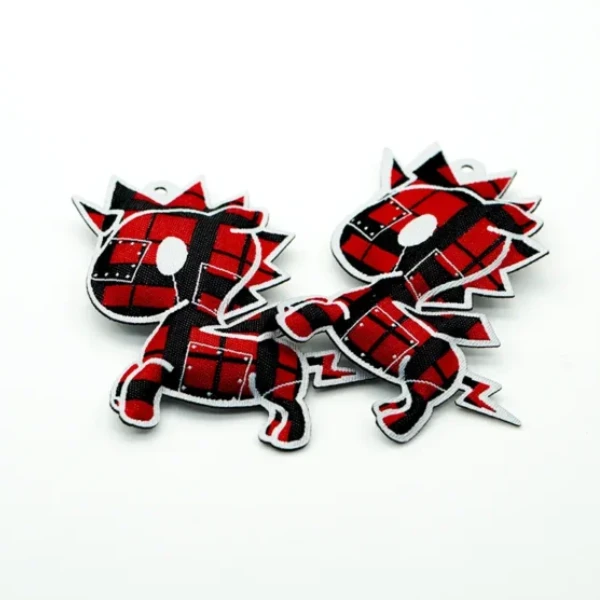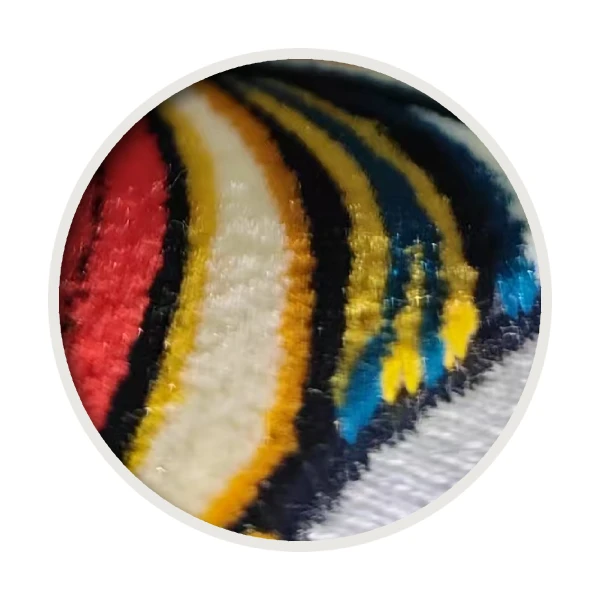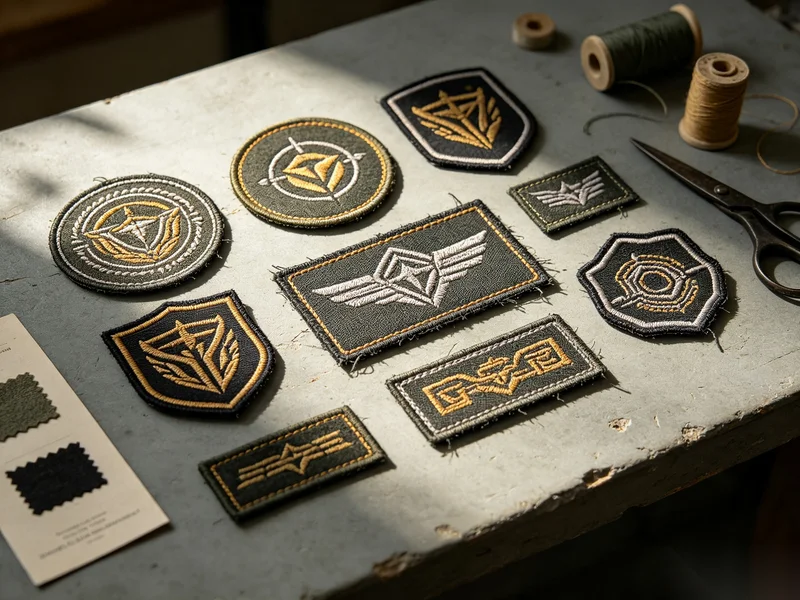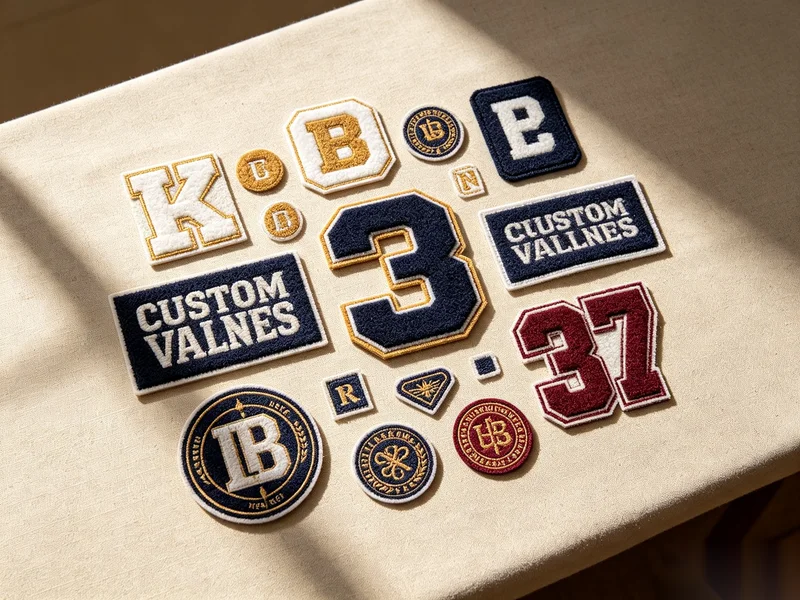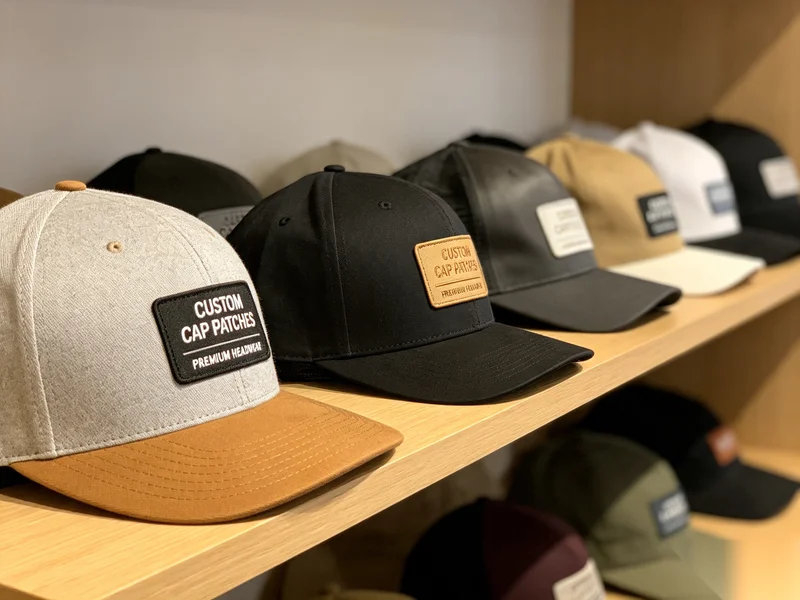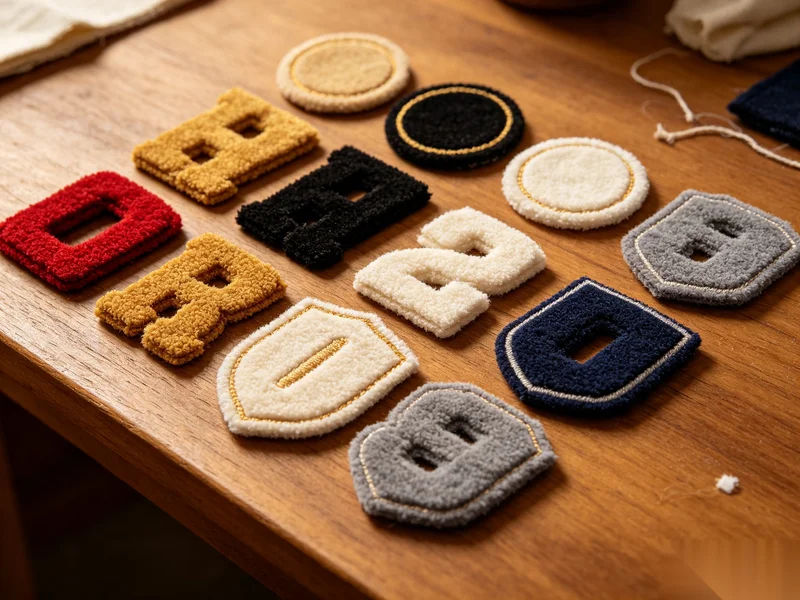
Full embroidery is a decorative technique where a design is completely covered with stitched threads to create a textured and premium appearance. It is widely used for custom embroidered patches, clothing branding, uniforms, and accessories, helping businesses create durable and professional visual identities.
What Is Full Embroidery?
Answer:
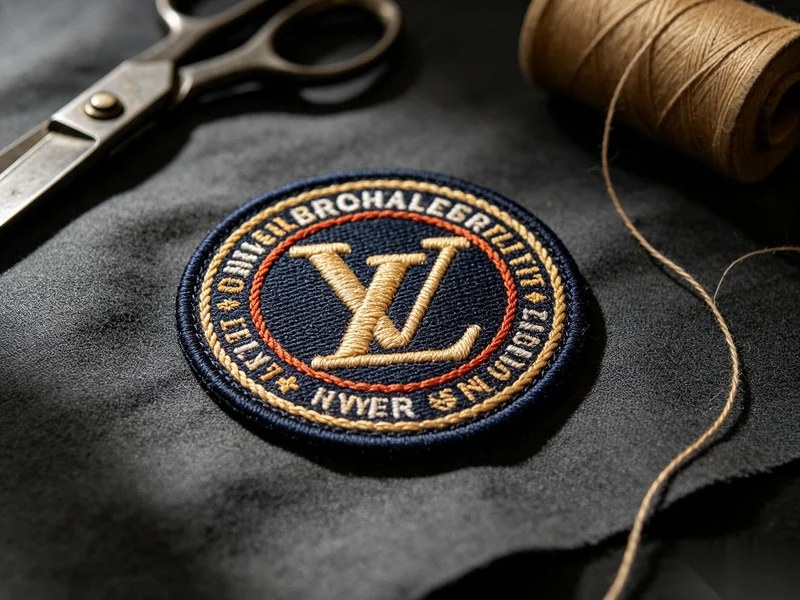
Full embroidery is an embroidery method where the entire surface area of a design is filled with stitching threads instead of leaving large sections of exposed fabric. This technique creates a rich, detailed, and high-quality textile appearance.
Unlike partial embroidery, which only stitches specific areas such as logos or outlines, full embroidery covers the complete design area with thread. This makes the finished product look more solid, colorful, and premium.
Full embroidery is commonly used for:
- Custom embroidered patches
- Clothing logos
- Brand badges
- Uniform decorations
- Fashion accessories
- Sports team emblems
- Promotional products
For B2B customers, full embroidery provides an effective solution for creating professional branding elements that can be applied to garments, hats, bags, and other textile products.
Why Is Full Embroidery Popular for Custom Patch Production?
Answer:
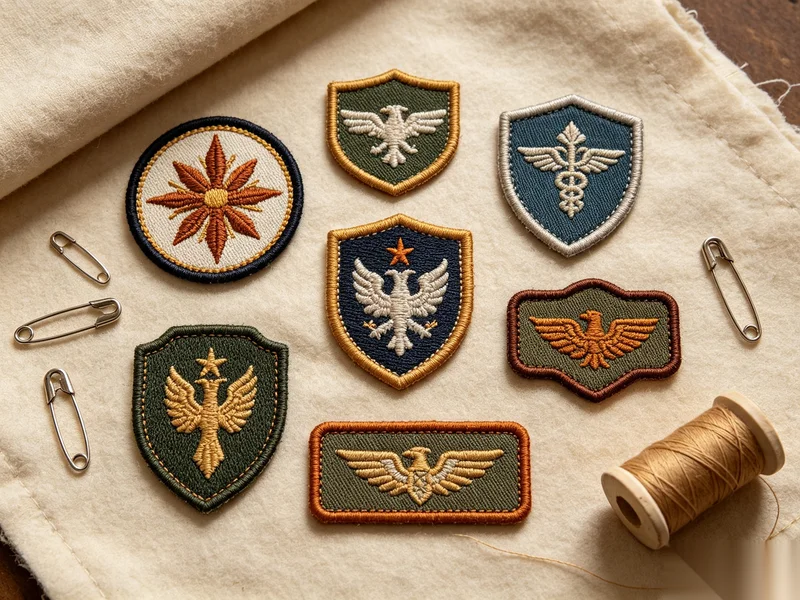
Full embroidery is popular because it creates a premium textured appearance, strong durability, and excellent visual impact. It allows brands to transform simple designs into high-quality textile products.
The main advantages include:
1. Premium Three-Dimensional Appearance
Full embroidery creates a raised surface through multiple layers of thread.
Compared with printed designs, it provides:
- Rich texture
- Professional craftsmanship
- Strong visual depth
- High perceived value
This makes it especially suitable for brands that want premium-looking apparel.
2. Long-Lasting Durability
Embroidery threads are designed to withstand regular use.
Full embroidered products can maintain their appearance through:
- Frequent washing
- Daily wear
- Repeated handling
This makes them suitable for uniforms, workwear, and fashion products.
3. Strong Brand Recognition
Businesses can use full embroidery to highlight:
- Company logos
- Brand names
- Team symbols
- Product graphics
A detailed embroidered logo helps customers quickly recognize a brand.
How Is Full Embroidery Different From Regular Embroidery?
Answer:
Full embroidery differs from regular embroidery because it completely fills the design area with thread, while standard embroidery may only cover selected parts of a design.
| Feature | Full Embroidery | Regular Embroidery |
|---|---|---|
| Coverage | Entire design area filled | Partial areas stitched |
| Appearance | Dense and rich texture | More open design |
| Visual Effect | Premium and bold | Simple and classic |
| Thread Usage | Higher | Lower |
| Best For | Large logos and decorative patches | Basic logos and text |
Full embroidery is often selected when businesses want a stronger visual impact.
How Are Full Embroidery Patches Made?
Answer:
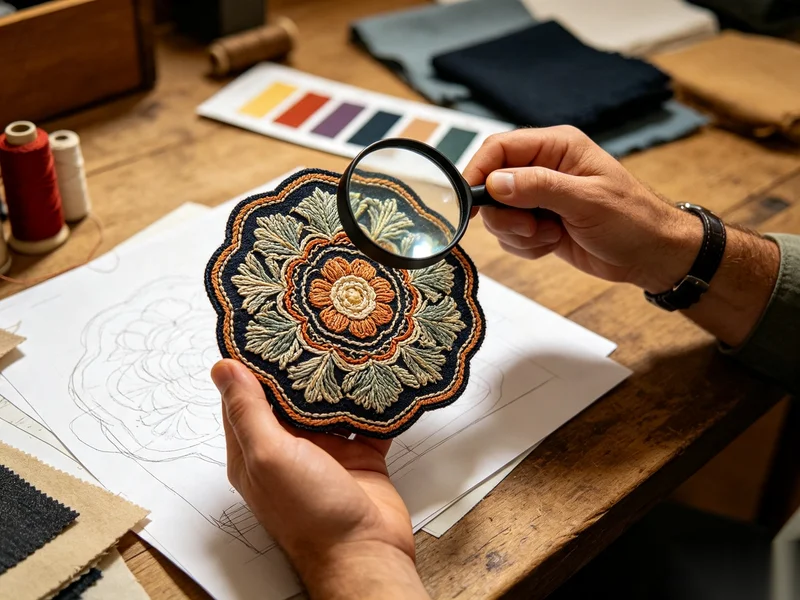
Full embroidery patches are produced through a detailed manufacturing process including design preparation, digitizing, thread selection, embroidery production, cutting, and finishing.
The production process includes:
Step 1: Artwork Preparation
The process begins with customer artwork or logo files.
Manufacturers analyze:
- Design complexity
- Color requirements
- Patch size
- Thread coverage
- Application purpose
Design adjustments may be needed because embroidery uses physical threads rather than digital images.
Step 2: Embroidery Digitizing
Before production, artwork is converted into an embroidery machine file.
Digitizing controls:
- Stitch direction
- Stitch density
- Thread sequence
- Color changes
- Fill patterns
Professional digitizing ensures the final embroidery accurately represents the original design.
Step 3: Thread Selection
Thread selection affects the final appearance.
Businesses can choose:
- Brand-specific colors
- Metallic threads
- Gradient effects
- Contrast combinations
High-quality thread helps maintain color stability and durability.
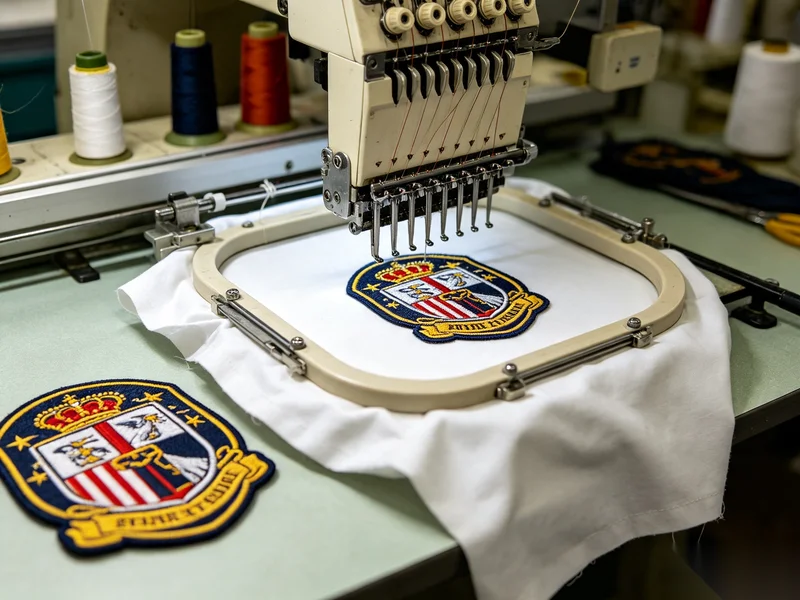
Step 4: Full Embroidery Production
During production, embroidery machines fill the entire design area with stitches.
Manufacturers control:
- Stitch accuracy
- Thread tension
- Embroidery density
- Color consistency
This creates the complete embroidered surface.
Step 5: Cutting and Finishing
After embroidery, patches are cut and finished.
Common finishing options include:
- Merrowed edges
- Laser-cut edges
- Heat-cut edges
Backing options include:
- Sew-on backing
- Iron-on backing
- Adhesive backing
- Hook and loop backing
What Types of Products Use Full Embroidery?
Answer:
Full embroidery is widely used across apparel, accessories, uniforms, and promotional products because it creates durable and attractive designs.
Common applications include:
Custom Embroidered Patches
Full embroidery is frequently used for:
- Brand patches
- Team badges
- Decorative patches
- Organization emblems
The dense stitching creates a premium appearance.
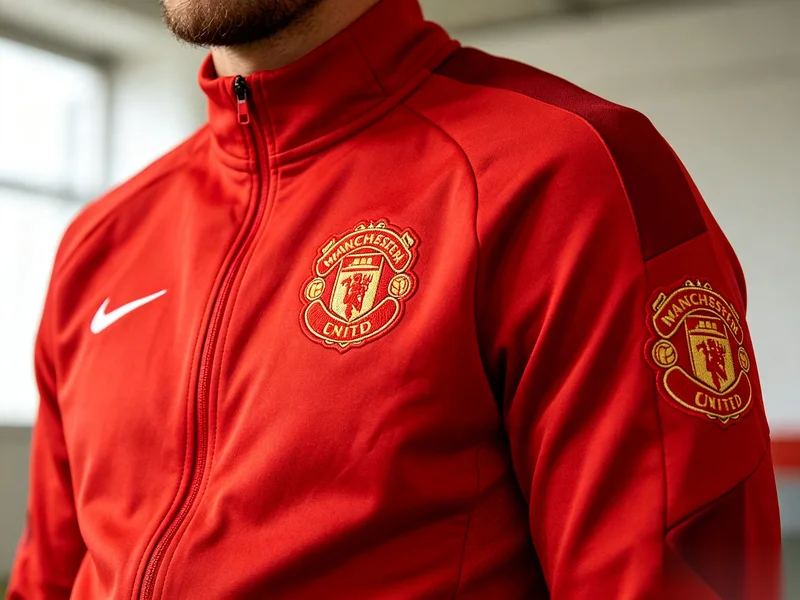
Clothing Branding
Fashion companies use full embroidery on:
- Jackets
- Hoodies
- Shirts
- Denim products
It helps create a stronger brand identity.
Hats and Caps
Full embroidery is popular for:
- Baseball caps
- Snapbacks
- Trucker hats
It creates a professional and durable logo presentation.
Sports and Team Apparel
Sports organizations use full embroidery for:
- Team logos
- Player designs
- Championship patches
The strong texture matches athletic apparel styles.
How Can Brands Design Better Full Embroidery Logos?
Answer:
Brands can create better full embroidery designs by focusing on clear artwork, suitable colors, proper sizing, and embroidery-friendly details.
Important design considerations include:
Use Clear Shapes
Embroidery works best with:
- Strong outlines
- Simple structures
- Balanced details
Overly complicated graphics may lose clarity.
Choose Appropriate Text Sizes
Small text can become difficult to read after stitching.
Brands should consider:
- Letter height
- Font thickness
- Spacing between letters
Select Suitable Colors
Color combinations should provide:
- Strong contrast
- Brand consistency
- Good visibility
Consider Patch Size
Larger designs allow more embroidery details, while smaller patches require simplified artwork.
What Is the Difference Between Full Embroidery and Printed Patches?
Answer:
Full embroidery uses stitched threads to create a textured surface, while printed patches use ink applied to fabric. Embroidery provides a premium tactile effect, while printing allows more photographic details.
| Feature | Full Embroidery | Printed Patch |
|---|---|---|
| Production Method | Thread stitching | Ink printing |
| Texture | Raised and tactile | Flat surface |
| Durability | Very strong | Depends on print quality |
| Appearance | Premium textile style | Detailed image style |
| Best Use | Logos, uniforms, branding | Complex images |
Many brands choose embroidery when they want a traditional and professional appearance.
How Do Businesses Choose a Full Embroidery Manufacturer?
Answer:
Businesses should choose a full embroidery manufacturer based on production experience, embroidery technology, customization ability, and quality control.
Important factors include:
Embroidery Expertise
Experienced manufacturers understand:
- Stitch techniques
- Thread selection
- Design limitations
- Production optimization
Sample Development
Before bulk production, samples allow businesses to evaluate:
- Stitch quality
- Color accuracy
- Design details
- Final appearance
Production Capacity
Reliable manufacturers should support:
- Small custom orders
- Large wholesale production
- Repeat business requirements
Quality Inspection
Professional quality checks include:
- Thread consistency
- Edge finishing
- Patch shape
- Overall durability
Can Small Businesses Order Full Embroidery Products?
Answer:
Yes, small businesses can order full embroidery products to create professional branding elements for clothing and accessories. Custom embroidery is suitable for startups, independent designers, sports teams, and established brands.
Small businesses can customize:
- Logos
- Symbols
- Text
- Patch shapes
- Thread colors
This allows companies to create unique products without developing their own manufacturing process.
Why Is Full Embroidery Valuable for B2B Apparel Brands?
Answer:
Full embroidery is valuable for B2B apparel brands because it provides a reliable combination of durability, premium appearance, and customization flexibility.
For clothing manufacturers and fashion companies, embroidered details help products achieve:
- Higher perceived value
- Stronger brand identity
- Better customer recognition
- Professional finishing
In competitive apparel markets, small design details can significantly influence purchasing decisions.
Frequently Asked Questions About Full Embroidery
1. What is full embroidery used for?
Full embroidery is used for custom patches, clothing logos, uniforms, hats, bags, and decorative textile products.
2. Is full embroidery more durable than printing?
Yes. High-quality embroidery usually provides stronger durability because designs are created with stitched threads.
3. Can full embroidery include multiple colors?
Yes. Manufacturers can use multiple thread colors to reproduce detailed brand designs.
4. Can businesses customize full embroidery patches with their own logos?
Yes. Custom logos can be converted into embroidered patches or textile decorations.
5. What backing options are available for full embroidery patches?
Common options include sew-on, iron-on, adhesive, and hook-and-loop backing.
6. How long does full embroidery production take?
Production time depends on design complexity, quantity, materials, sampling, and finishing requirements.
Conclusion
Full embroidery is a professional textile decoration method that helps businesses create durable, premium, and recognizable branding products. Through dense thread coverage and detailed stitching, full embroidery provides a high-quality appearance for custom patches, apparel logos, uniforms, and accessories.
For brands and manufacturers looking to improve product value, working with an experienced embroidery supplier ensures better design execution, consistent quality, and reliable production. Whether used for fashion collections, corporate apparel, or promotional products, full embroidery remains a powerful solution for creating memorable textile branding.
About Author
——————————————————————————————————————————————

Alexander
Online Sales Manager
Alexander specialize in digital marketing and understanding customer psychology, providing clients with the right solutions through data insights and creative strategies.
——————————————————————————————————————————————